heat shrinkable tube manufacturer
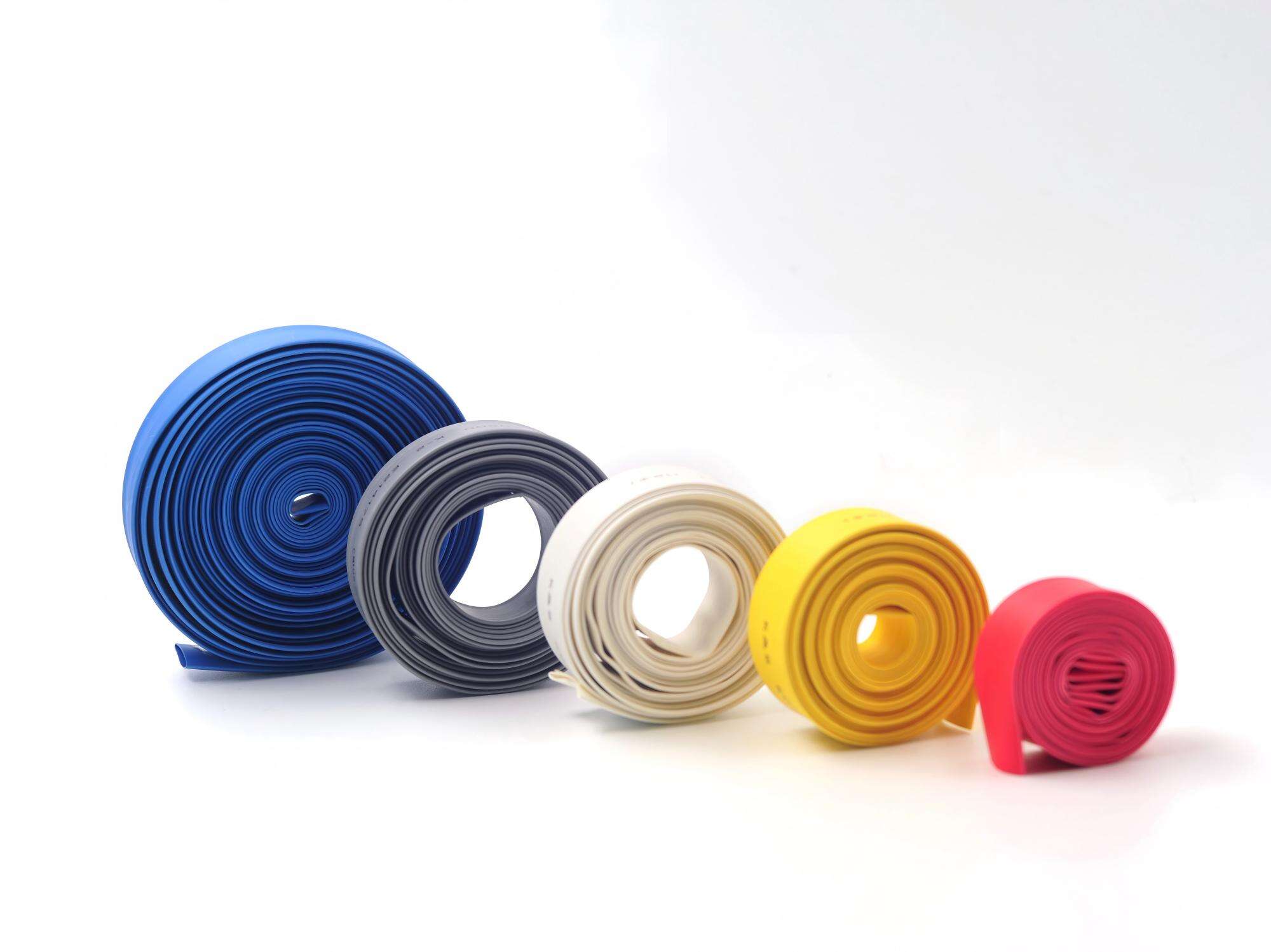
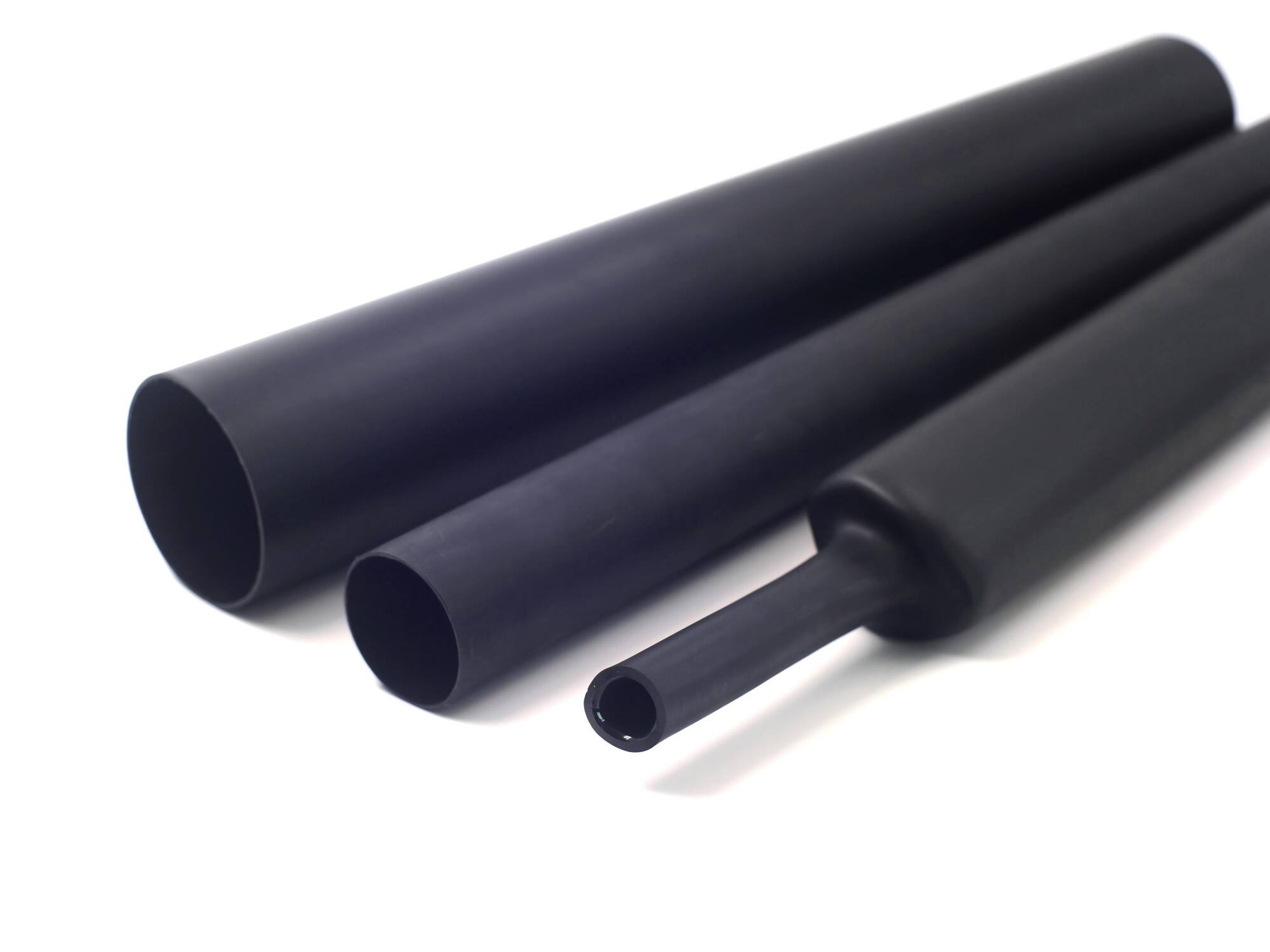
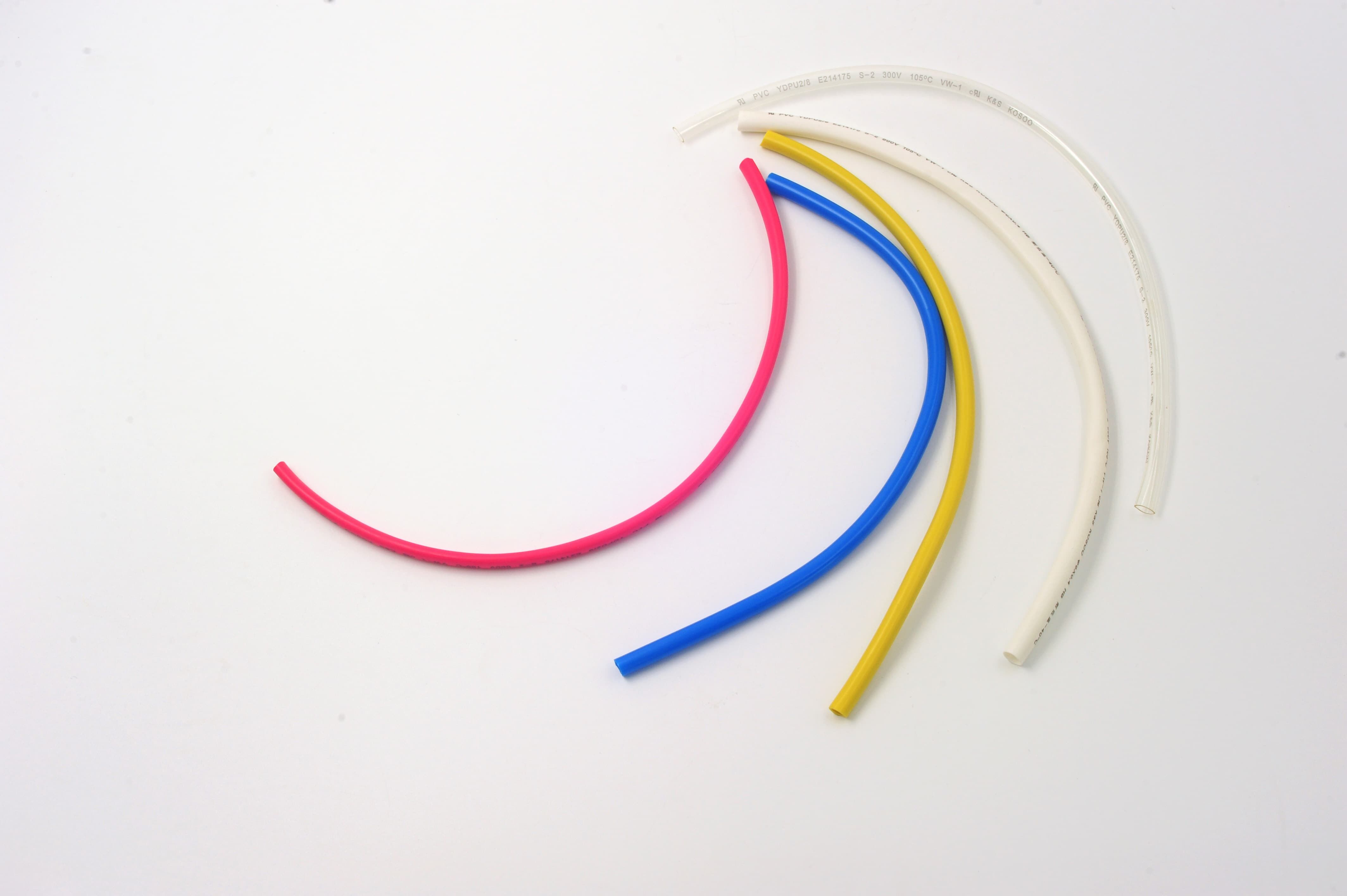
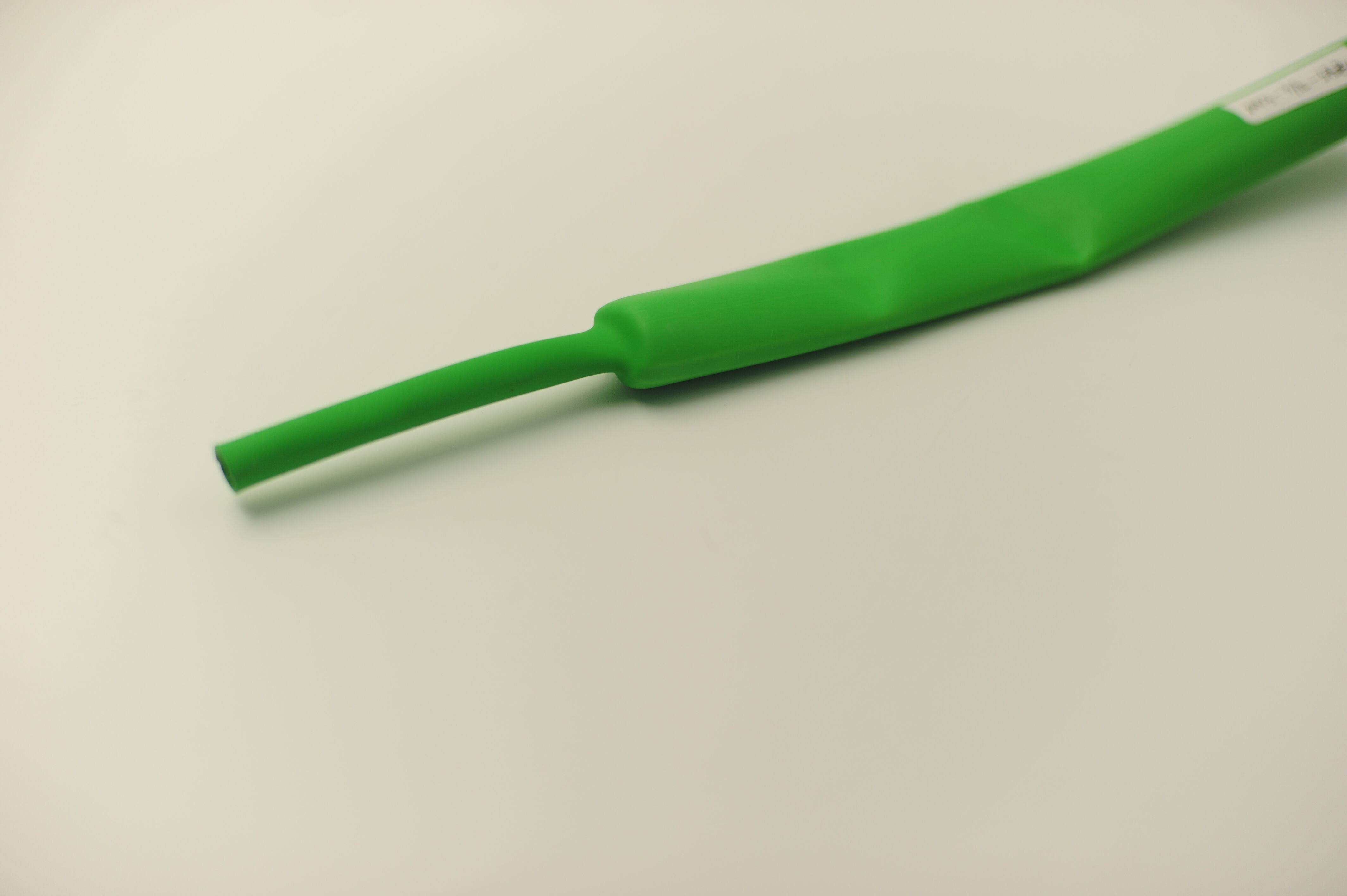
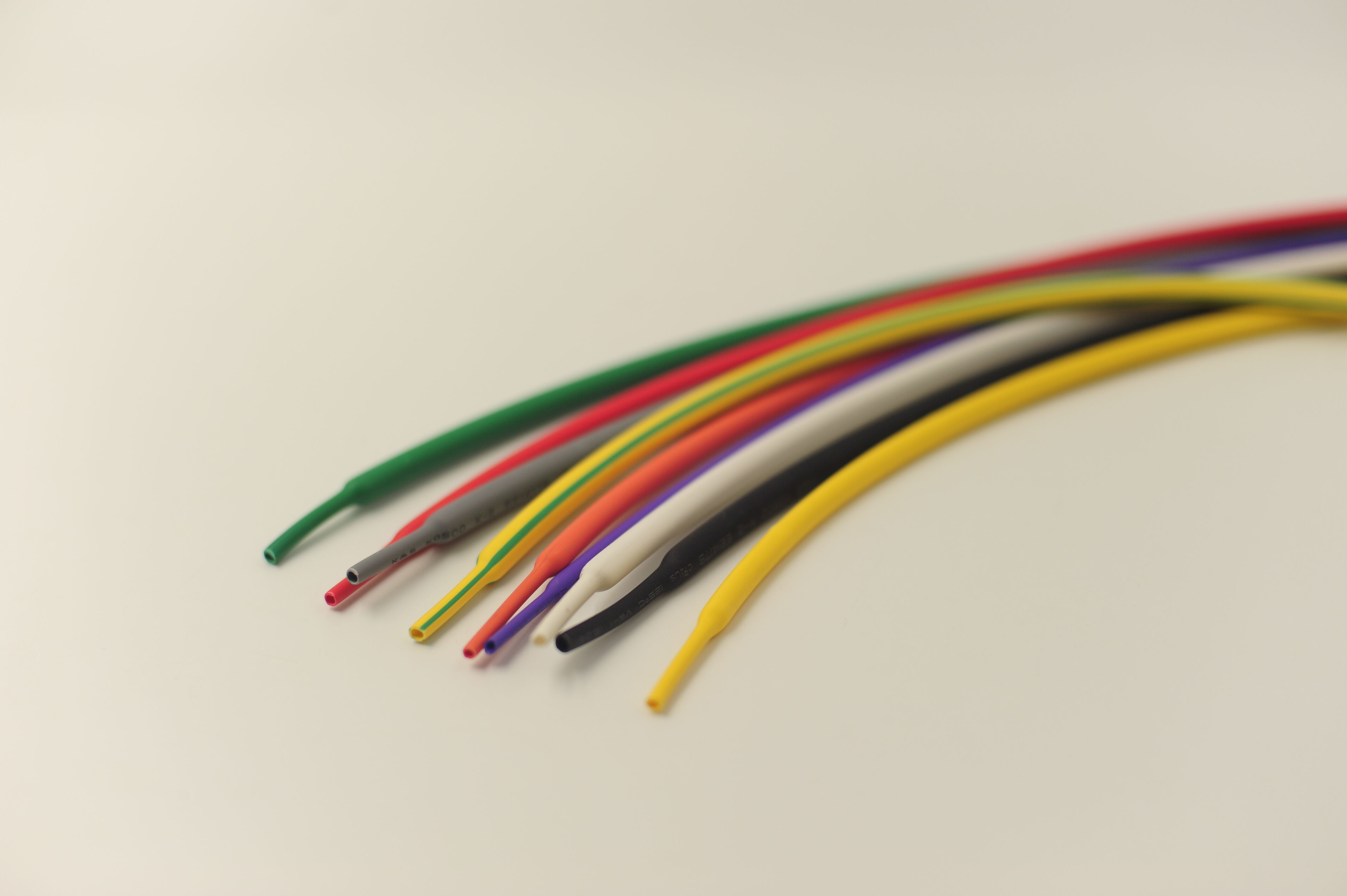
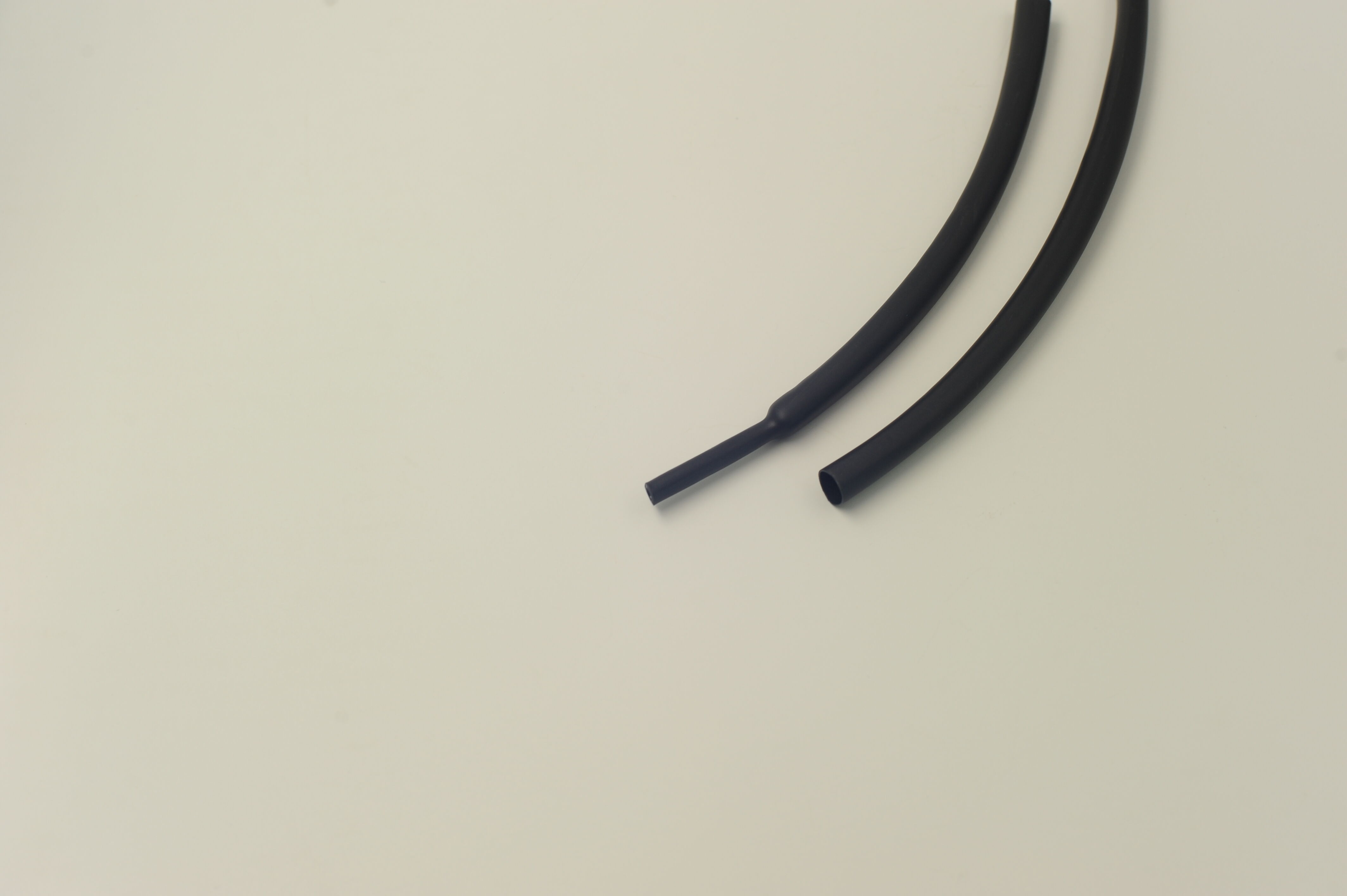
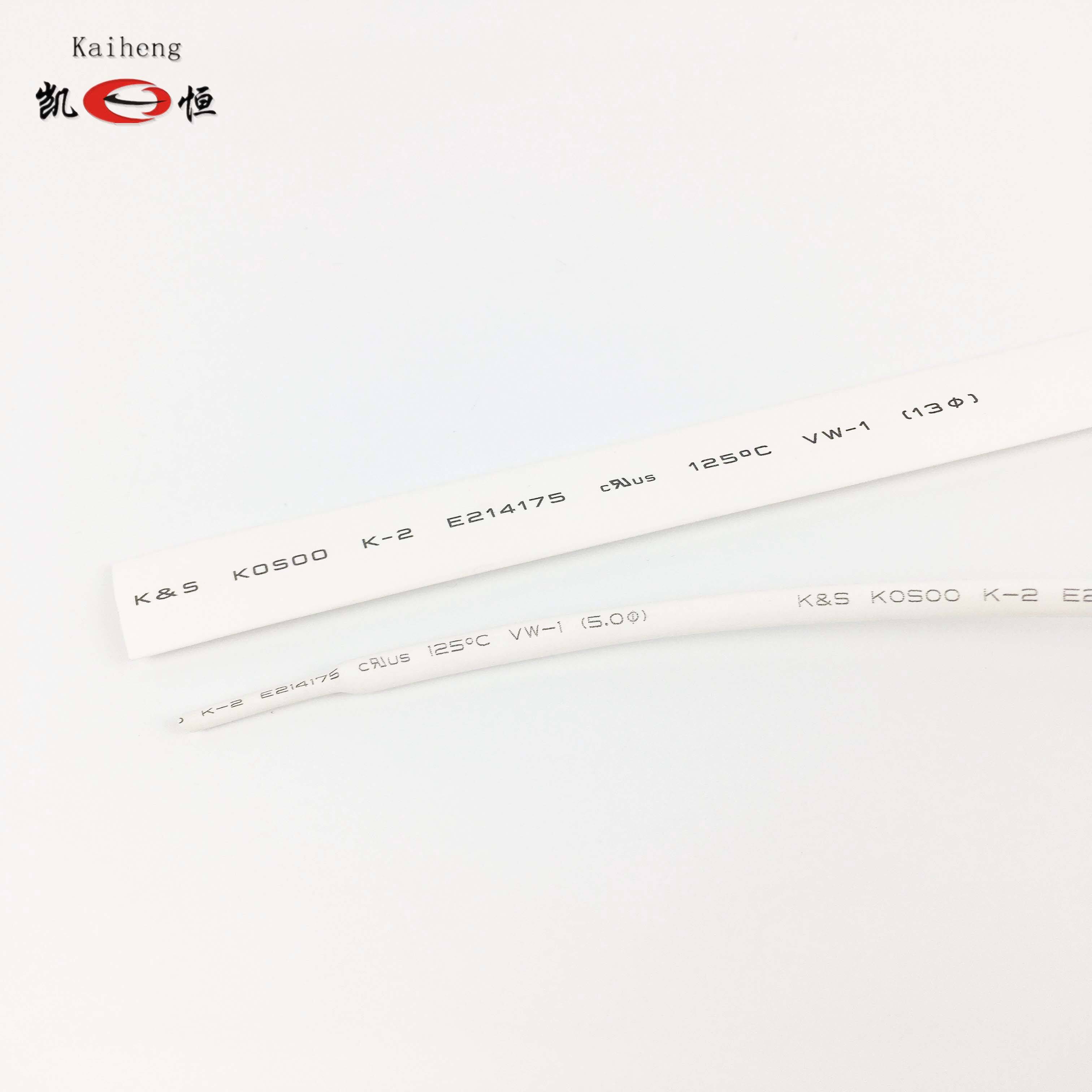
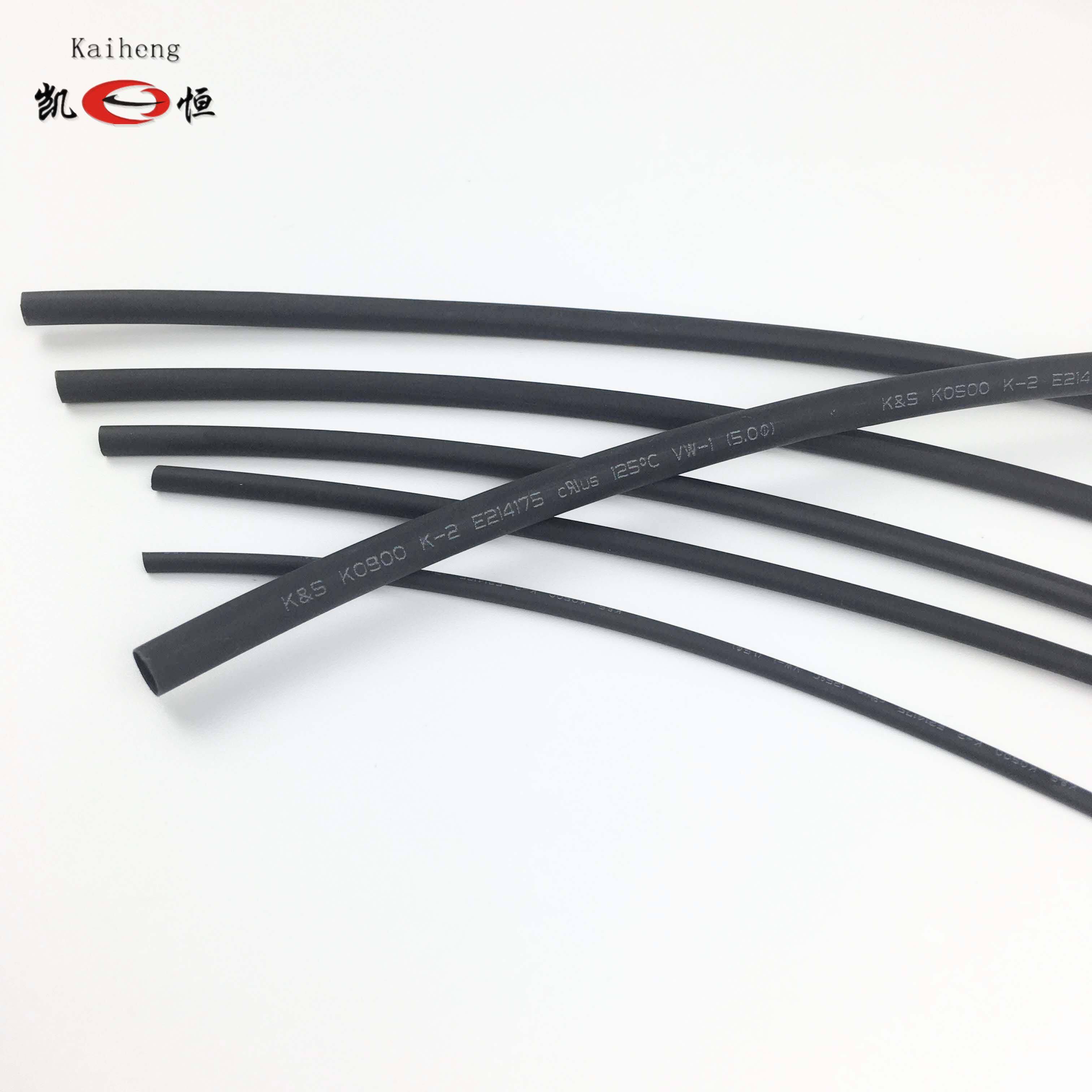
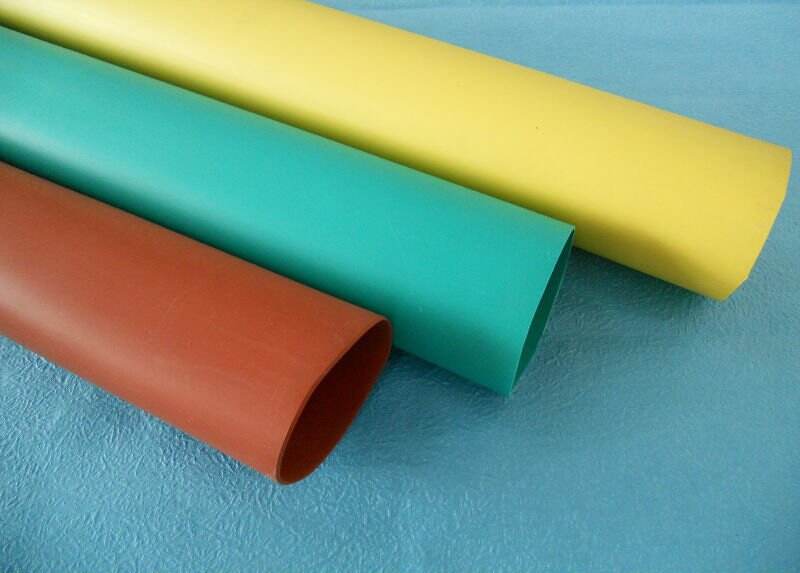
A heat shrinkable tube manufacturer specializes in producing polymer-based tubing products that contract when exposed to elevated temperatures, creating secure seals and protective barriers around various components. These specialized manufacturing facilities utilize advanced extrusion technology combined with electron beam or chemical cross-linking processes to create tubes with memory properties that enable dimensional recovery when heated. The primary function of heat shrinkable tubes involves providing electrical insulation, mechanical protection, strain relief, and environmental sealing for cables, wires, and other components across multiple industries. Modern heat shrinkable tube manufacturers employ sophisticated quality control systems and precision manufacturing techniques to ensure consistent wall thickness, reliable shrinkage ratios, and optimal material properties. The technological features of contemporary production facilities include multi-layer co-extrusion capabilities, automated cutting and packaging systems, and comprehensive testing laboratories that verify performance characteristics such as shrinkage temperature, recovery ratio, and dielectric strength. These manufacturers typically produce tubes in various materials including polyolefin, fluoropolymer, PVC, and specialty compounds designed for specific environmental conditions. Applications span telecommunications, automotive, aerospace, marine, electronics, and power generation sectors where reliable cable management and component protection remain critical. The manufacturing process involves polymer selection, compounding, extrusion, cross-linking, expansion, and quality verification stages that ensure each product meets stringent industry standards. Advanced heat shrinkable tube manufacturers also offer custom solutions including dual-wall tubes with adhesive linings, flame-retardant formulations, and specialized geometries for unique applications. The global market for these products continues expanding as infrastructure development and technological advancement drive demand for superior cable protection solutions.

 EN
EN