heavy wall heat shrink tubing
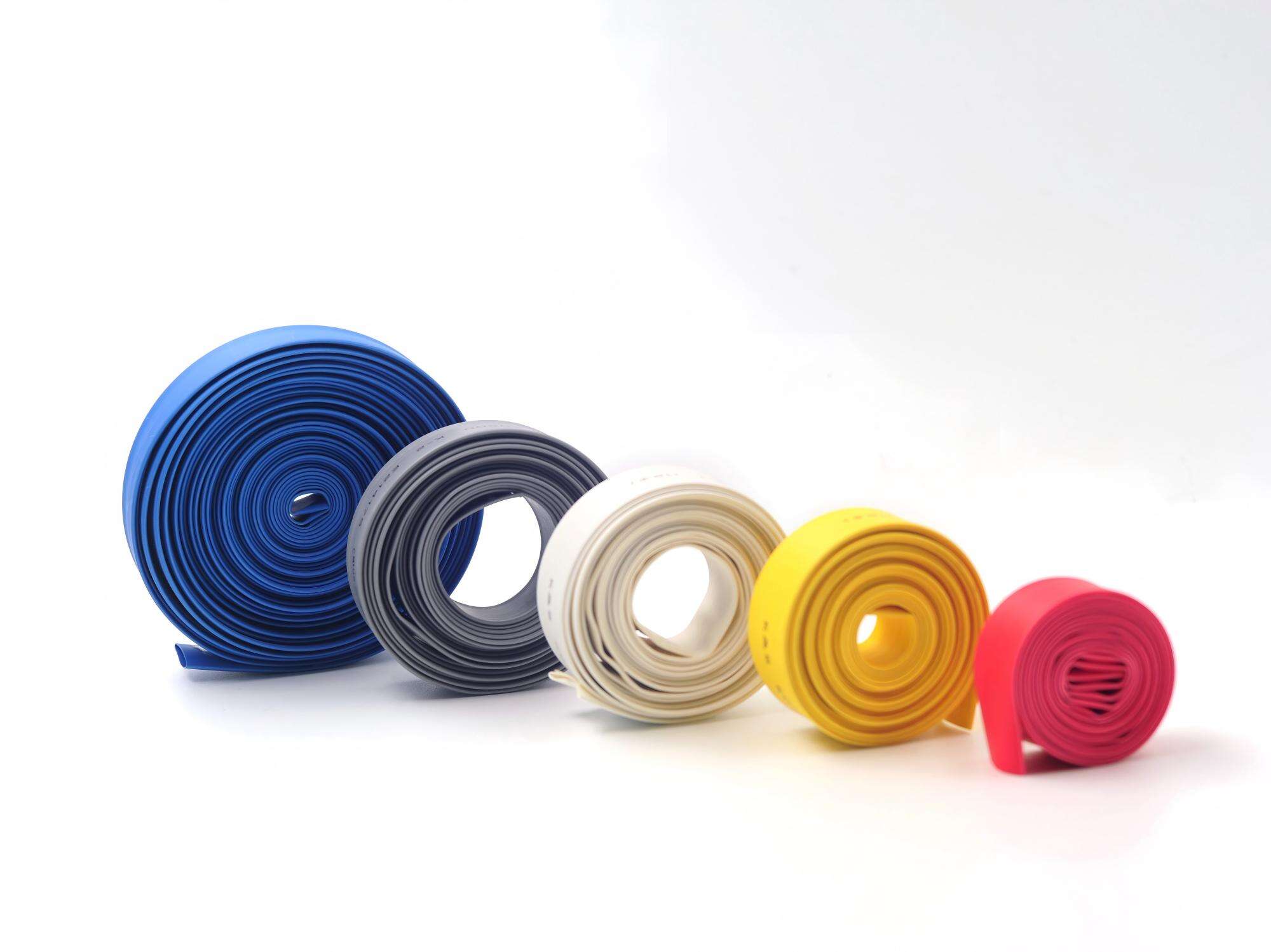
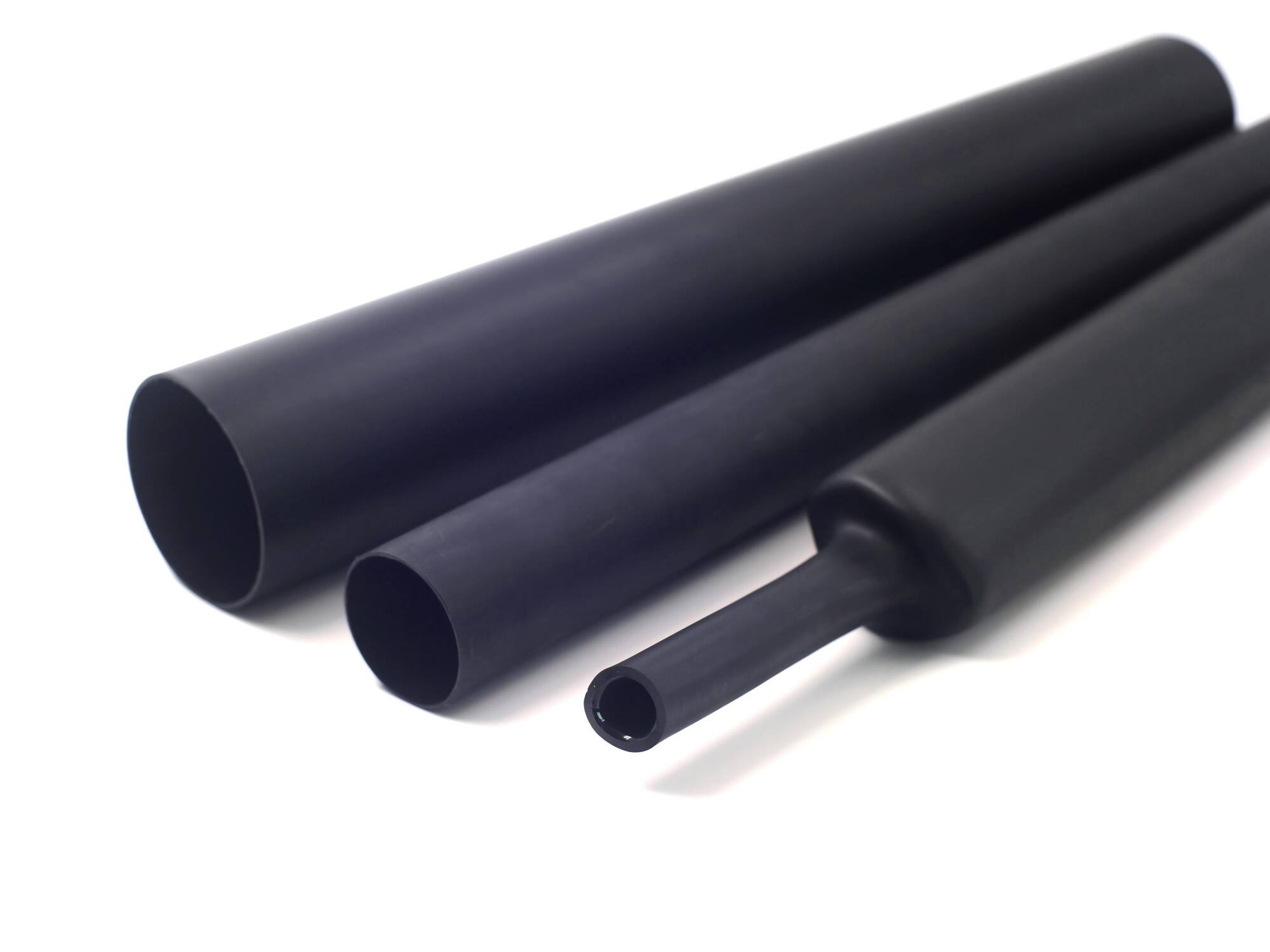
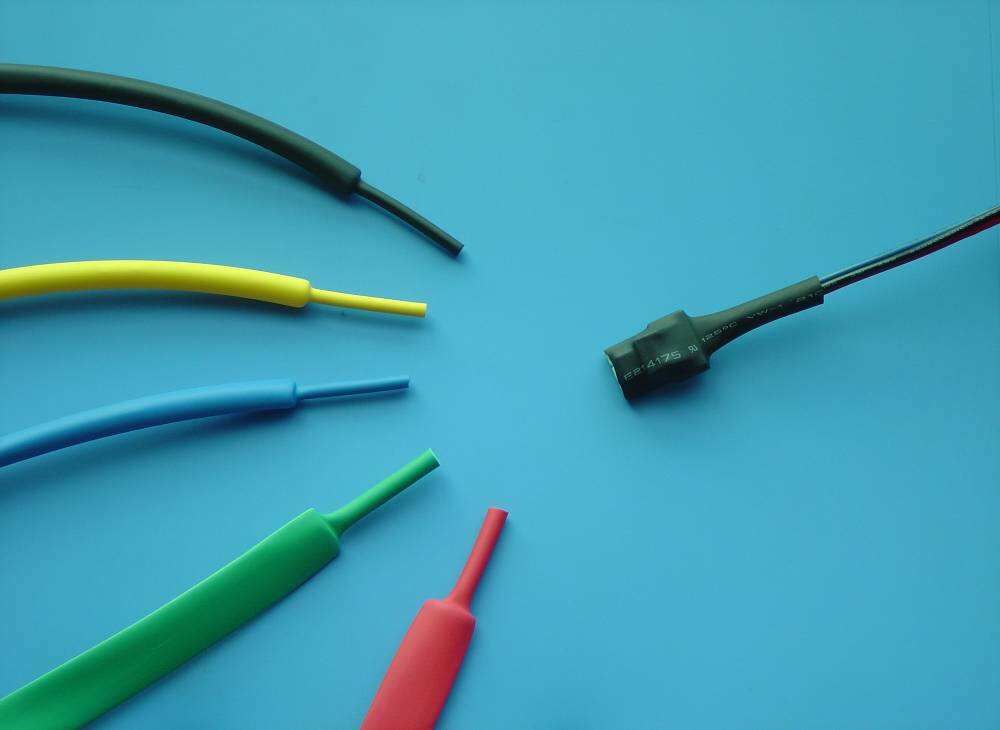
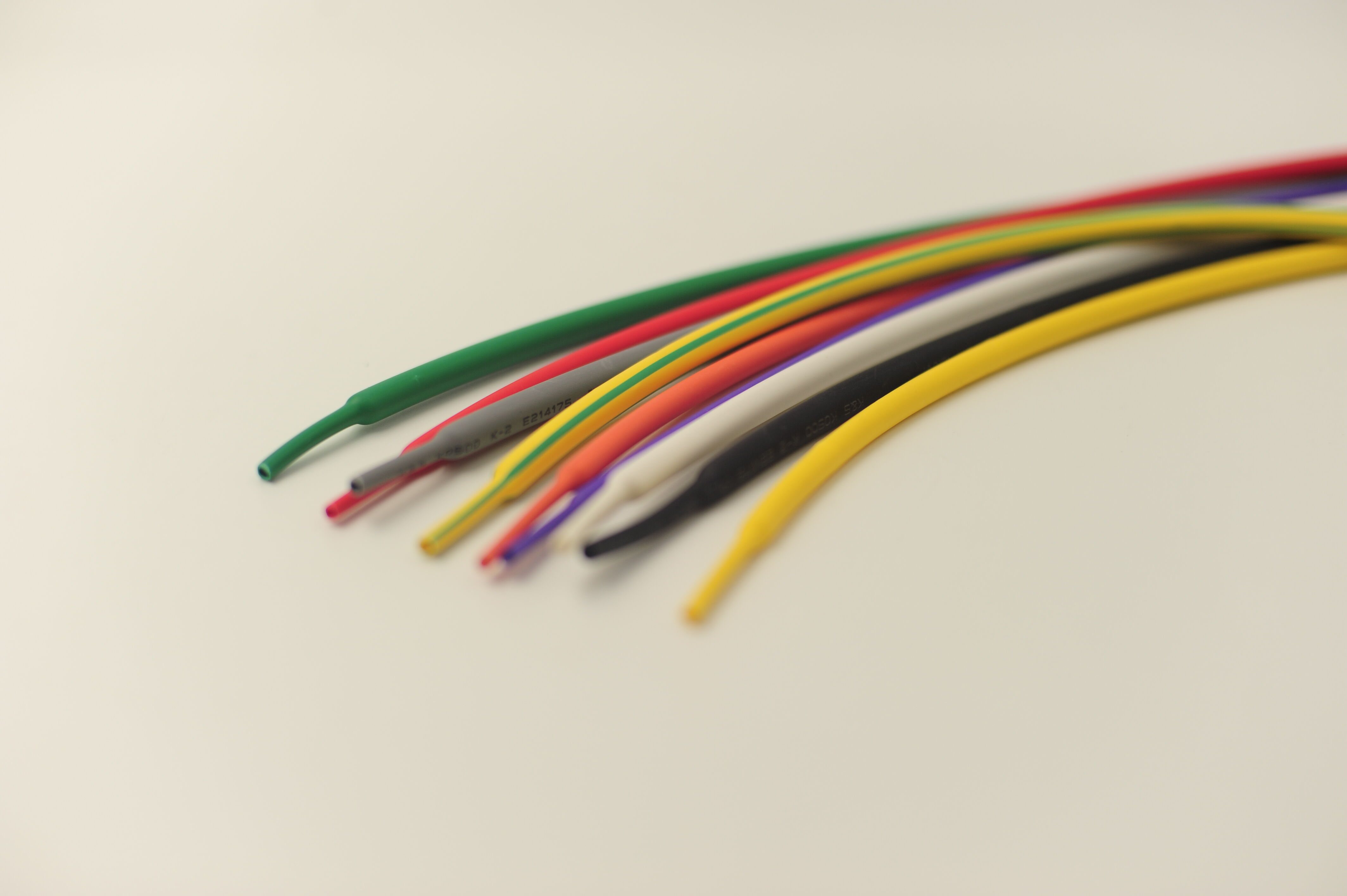
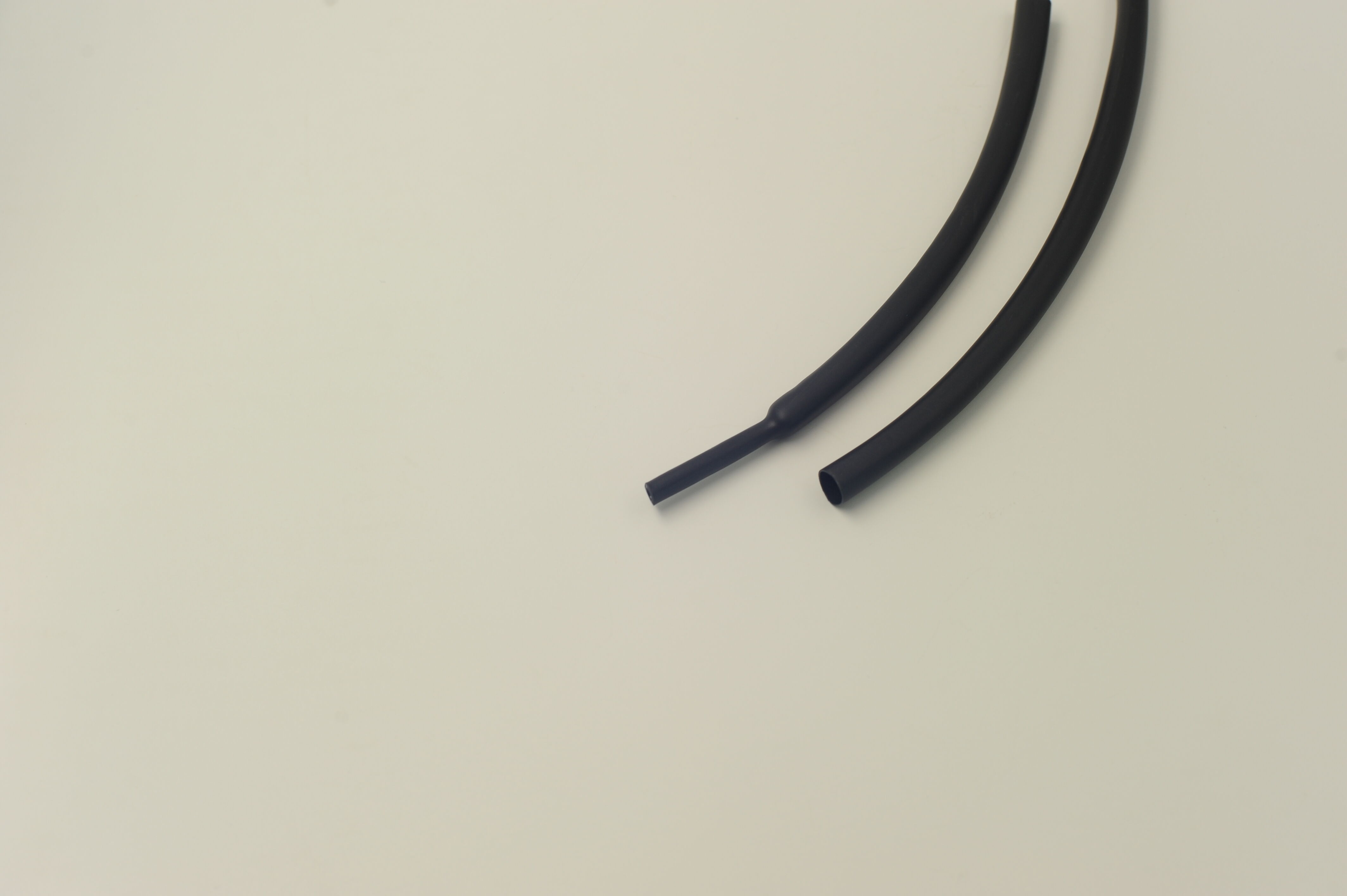
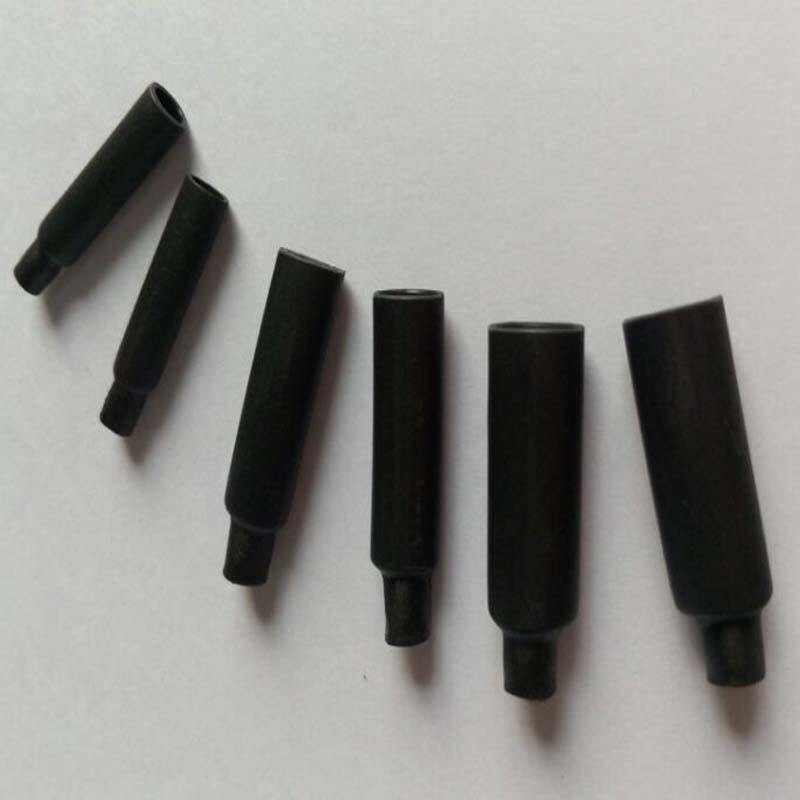
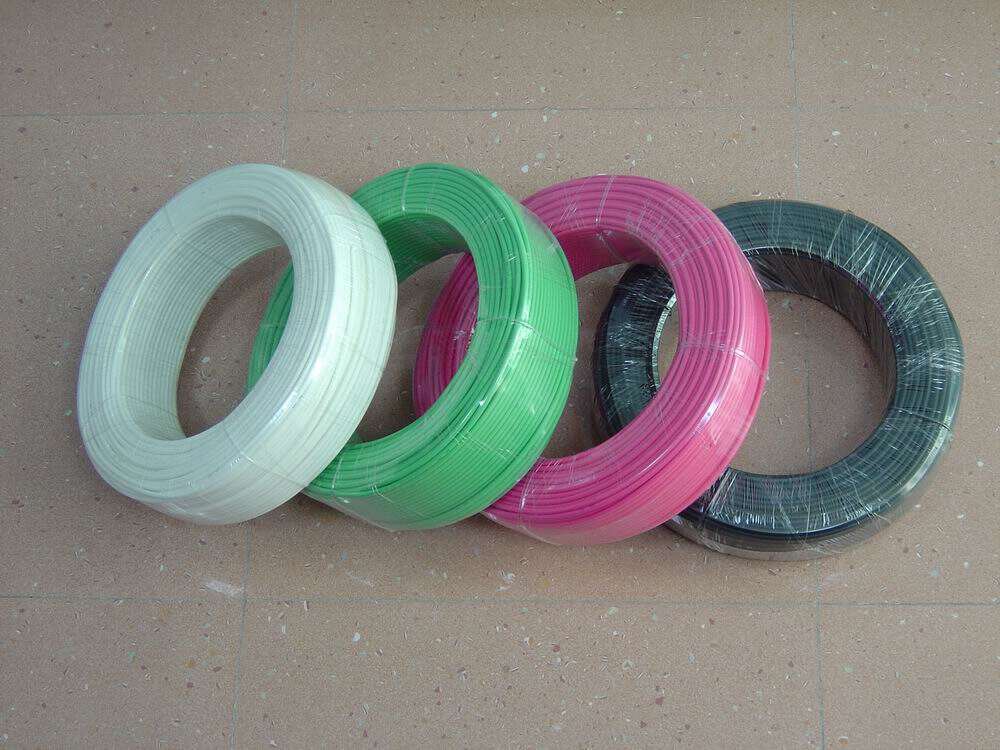
Heavy wall heat shrink tubing represents a premium grade of protective sleeving designed for demanding industrial applications where standard heat shrink solutions fall short. This specialized tubing features significantly thicker walls compared to conventional alternatives, typically measuring between 0.125 to 0.250 inches in thickness, providing exceptional mechanical protection and environmental sealing capabilities. The heavy wall heat shrink tubing utilizes advanced polymer compounds that deliver superior performance characteristics including enhanced durability, chemical resistance, and temperature stability. When heated to its activation temperature range of 250 to 350 degrees Fahrenheit, the tubing contracts uniformly to form a tight, protective seal around cables, joints, and connections. The technological foundation of heavy wall heat shrink tubing centers on cross-linked polyethylene or fluoropolymer materials that undergo precise manufacturing processes to achieve optimal shrink ratios. These materials exhibit excellent dielectric properties, making them ideal for electrical insulation applications while maintaining flexibility across wide temperature ranges. The tubing's construction incorporates multiple layers that work synergistically to provide moisture barrier protection, UV resistance, and mechanical impact absorption. Primary applications span across telecommunications infrastructure, aerospace wiring harnesses, marine electrical systems, automotive wire protection, and industrial cable management solutions. The heavy wall heat shrink tubing excels in environments exposed to harsh conditions including extreme temperatures, chemical exposure, abrasion, and mechanical stress. Installation procedures involve selecting appropriate tubing diameter, positioning over the target area, and applying controlled heat using heat guns or ovens to achieve complete shrinkage and adhesion. Quality heavy wall heat shrink tubing meets stringent industry standards including UL recognition, CSA certification, and military specifications, ensuring reliable performance in critical applications where failure is not acceptable.

 EN
EN