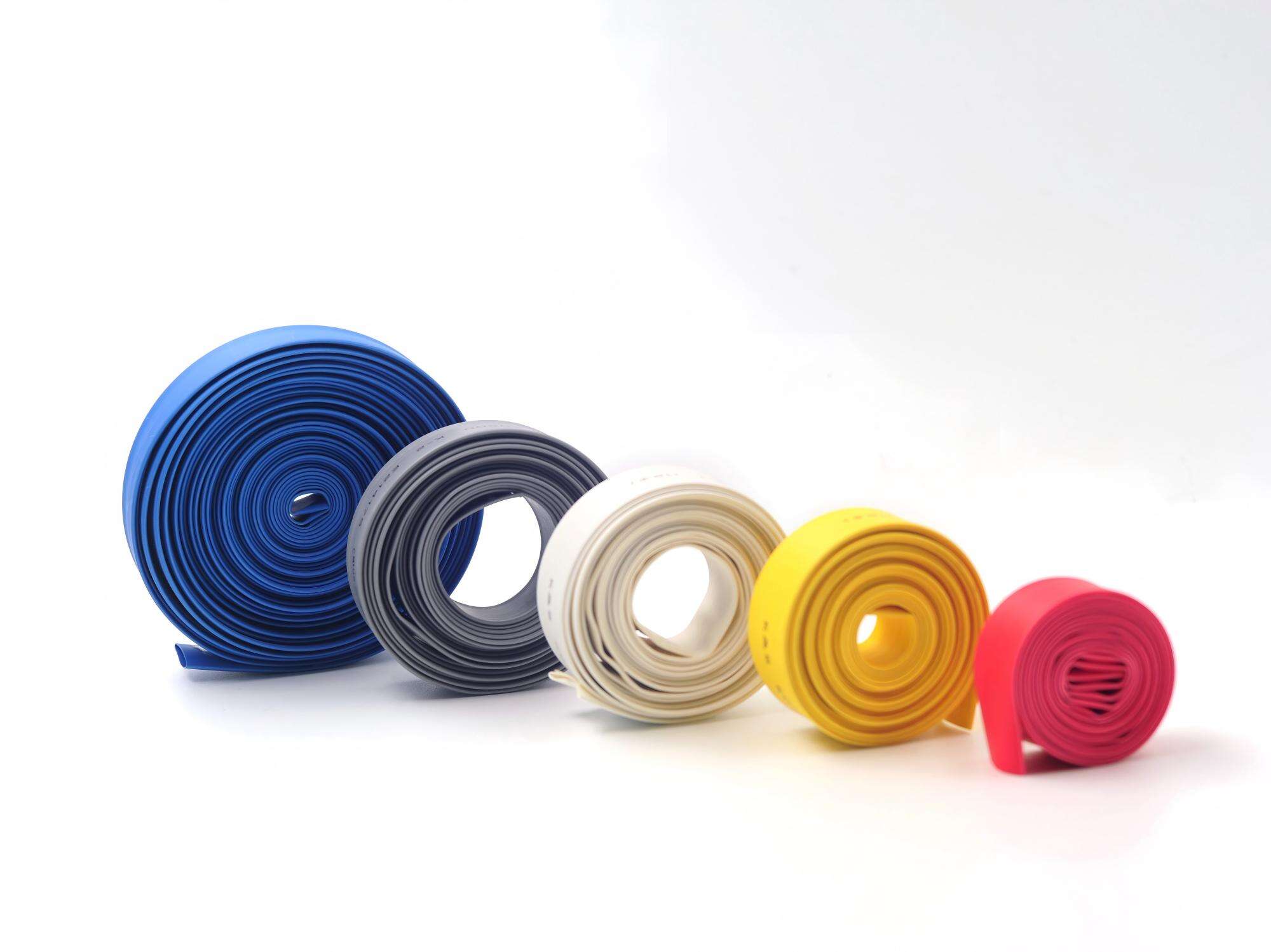
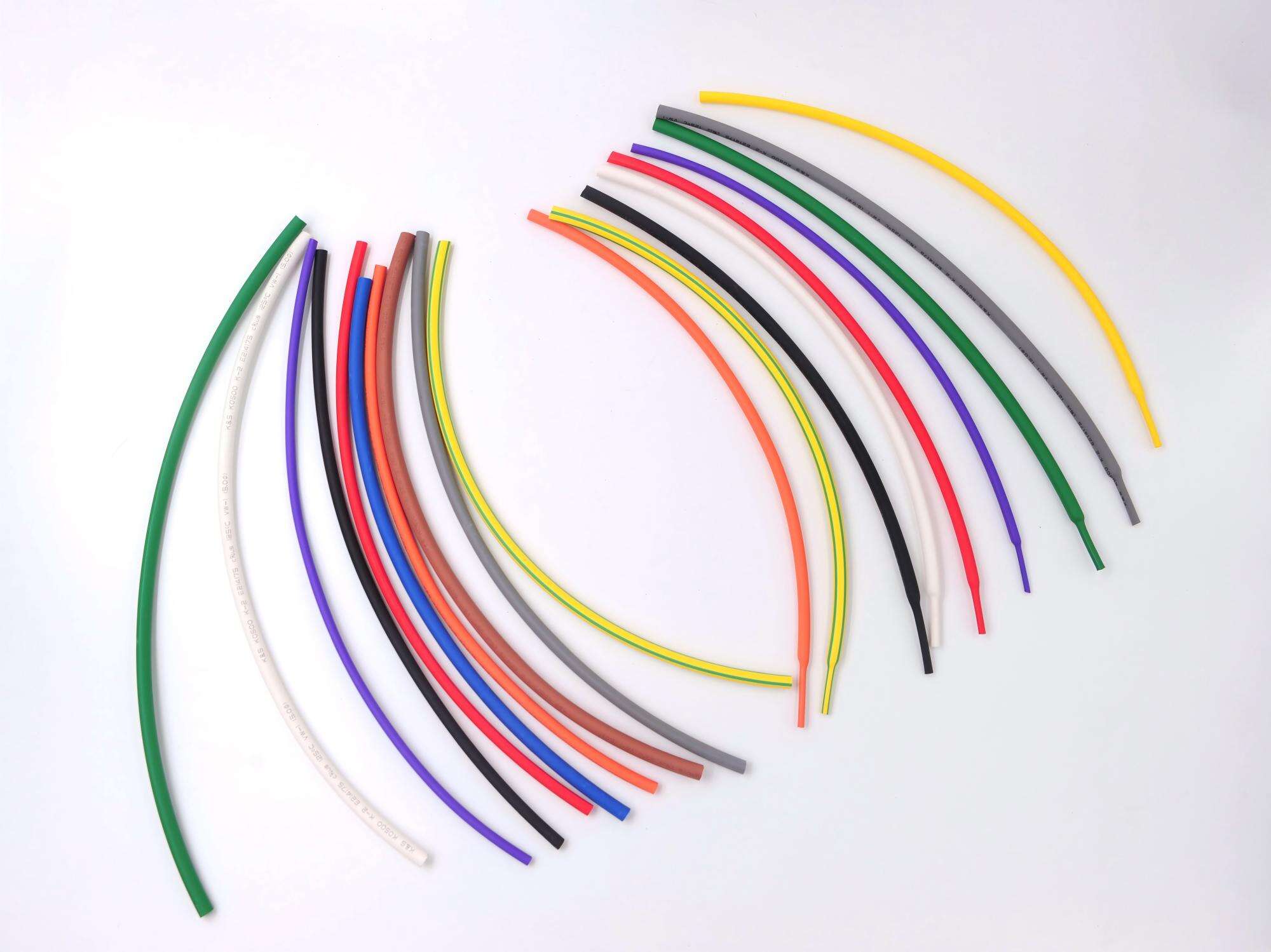
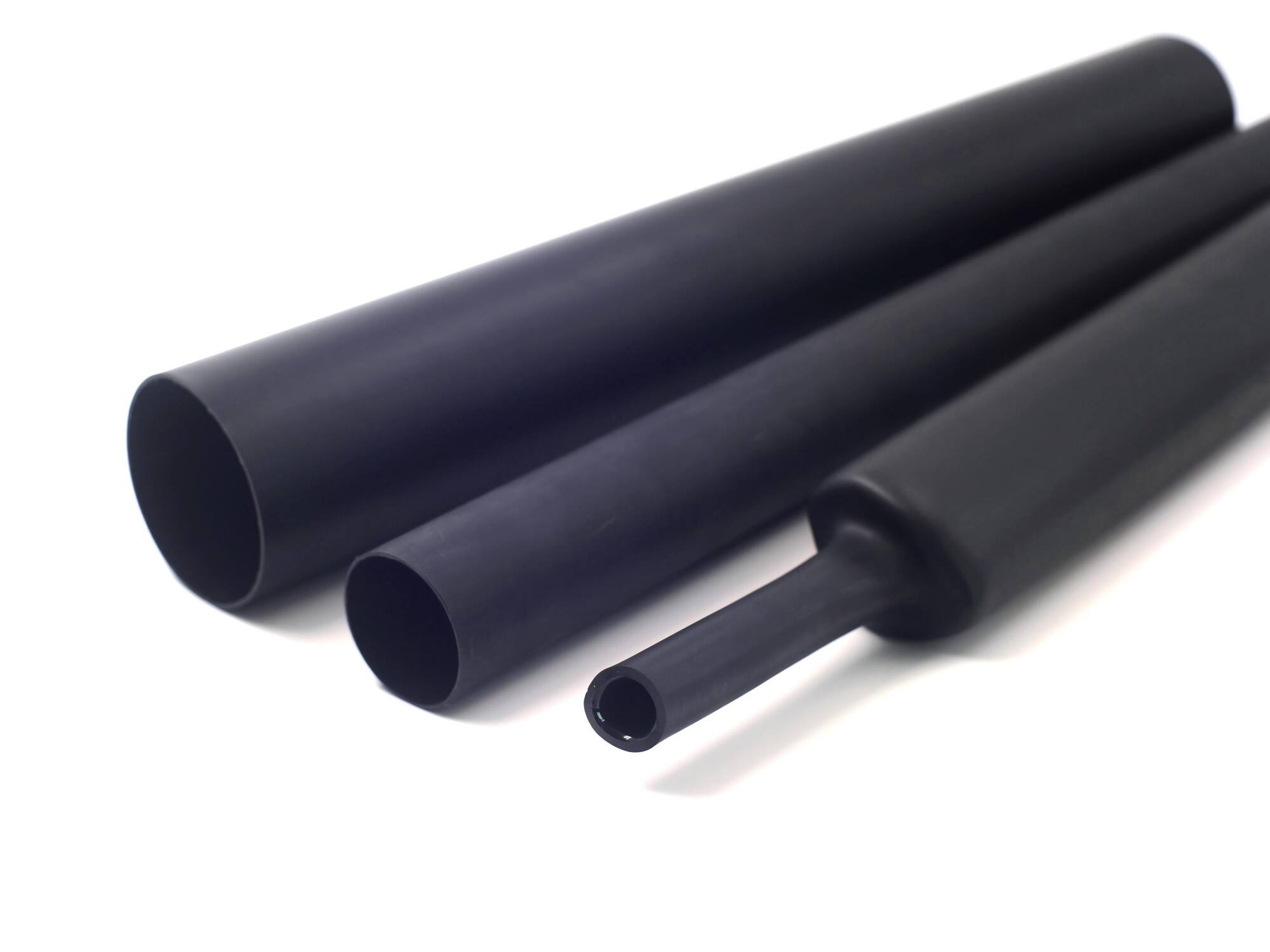
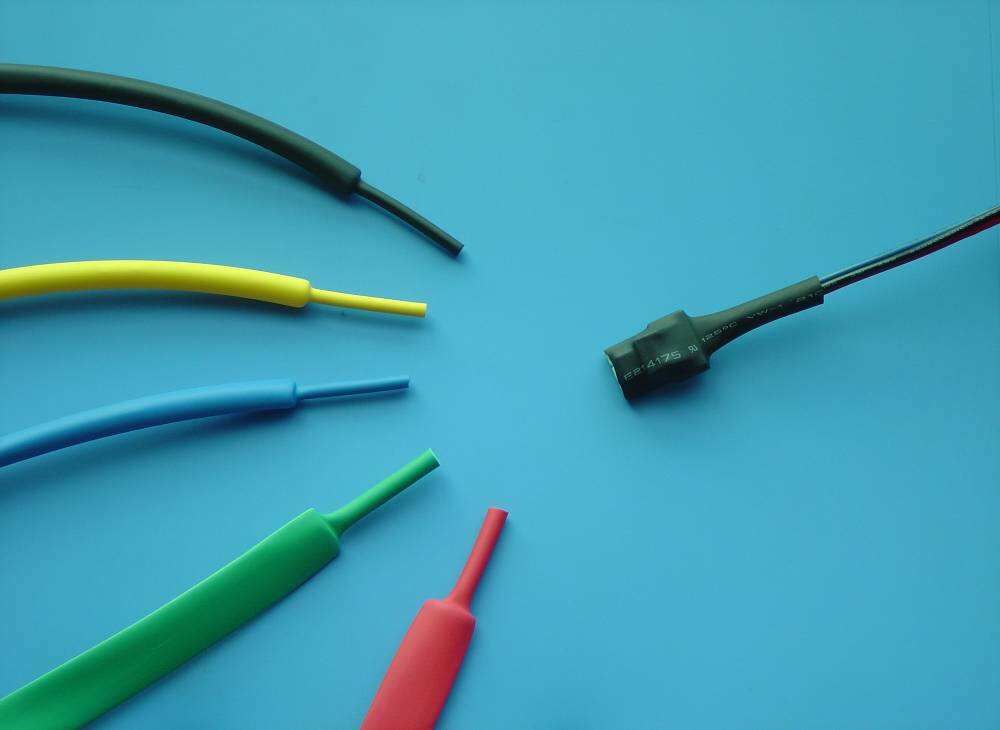
high temperature shrink tubing
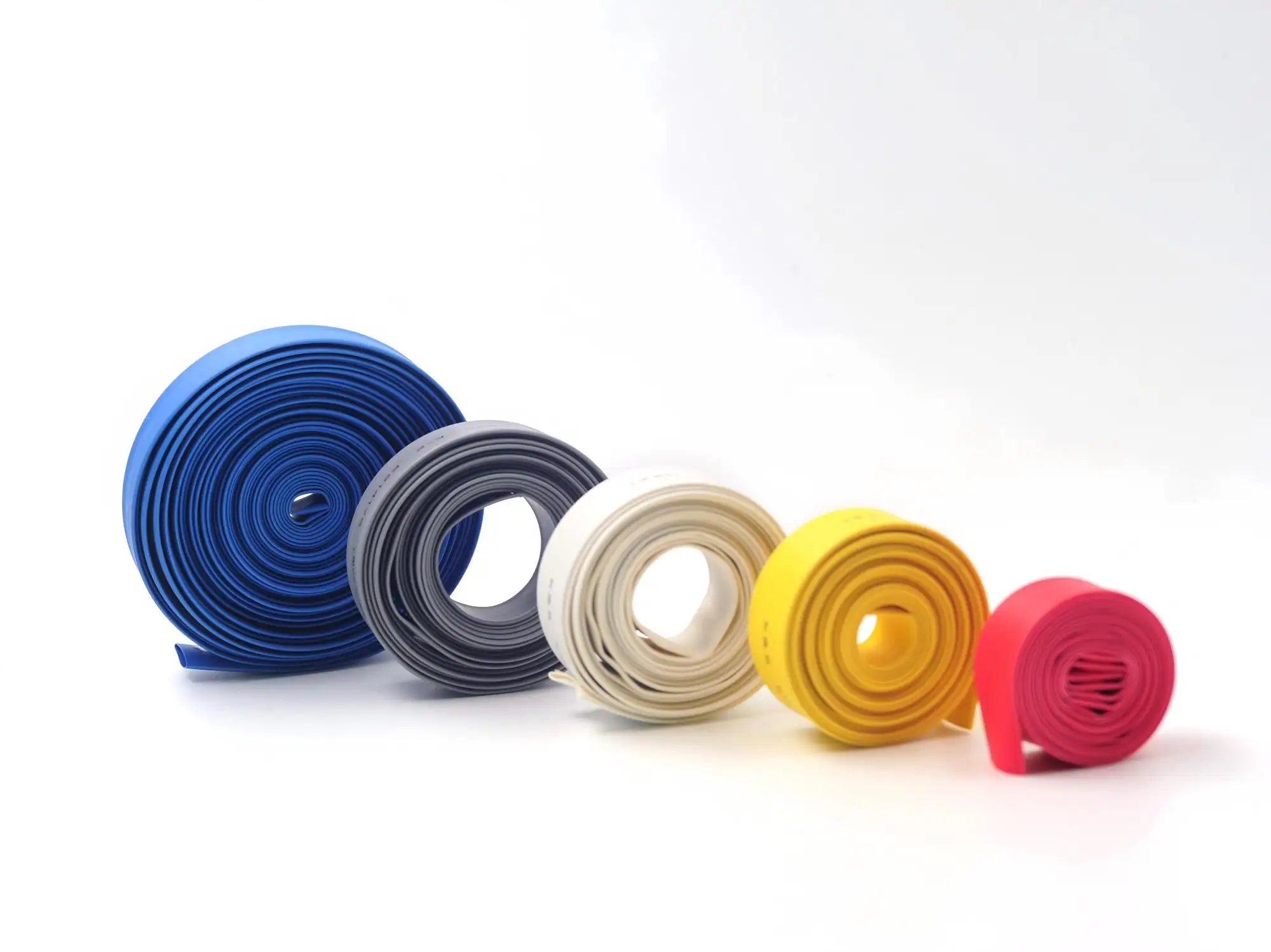
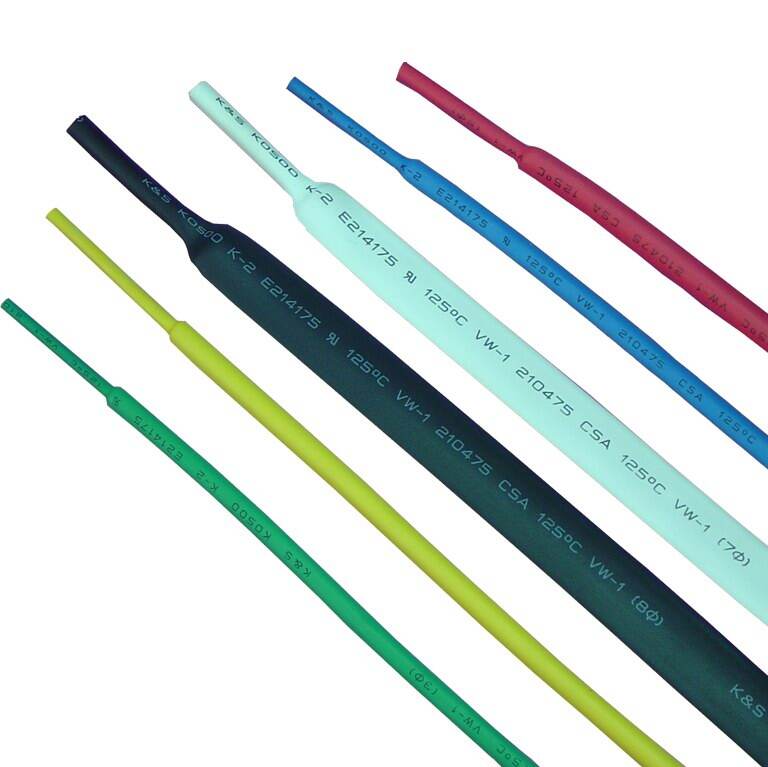
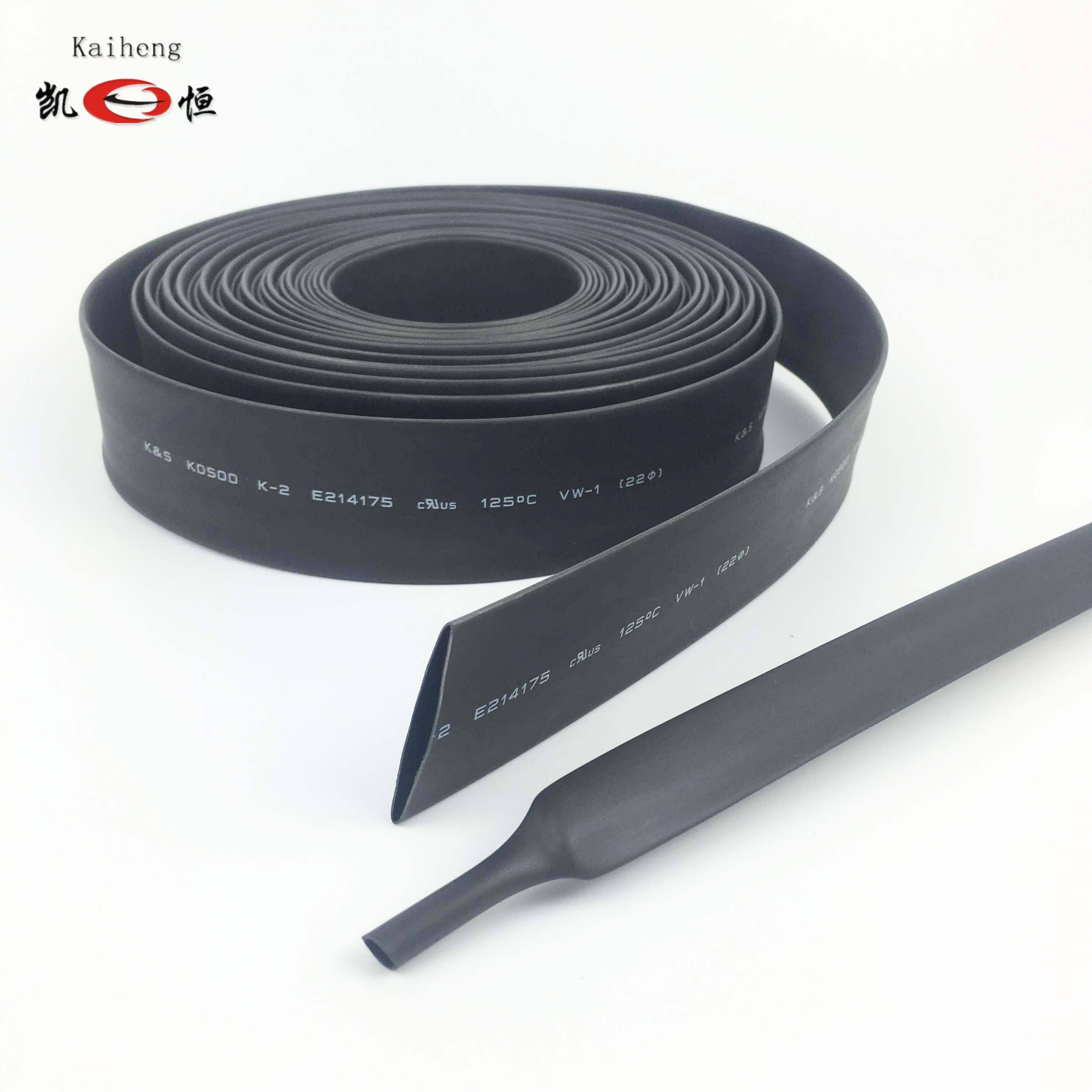
High temperature shrink tubing represents a critical advancement in protective materials technology, engineered specifically to withstand extreme thermal conditions while maintaining exceptional performance characteristics. This specialized tubing utilizes advanced polymer compounds that can endure temperatures ranging from negative forty degrees Celsius to over two hundred degrees Celsius, making it indispensable for demanding industrial applications. The fundamental purpose of high temperature shrink tubing centers on providing superior protection for electrical connections, mechanical joints, and sensitive components in environments where standard materials would fail catastrophically. When heated, this innovative material contracts uniformly around objects, creating a tight, secure seal that prevents moisture ingress, chemical contamination, and physical damage. The technological foundation of high temperature shrink tubing relies on cross-linked polymer chemistry, which creates molecular bonds that remain stable under intense thermal stress. This cross-linking process ensures dimensional stability, preventing the material from melting or deforming when exposed to elevated temperatures during operation. Manufacturing processes incorporate specialized additives that enhance flame resistance, chemical compatibility, and mechanical strength, resulting in a product that exceeds conventional protective solutions. Applications for high temperature shrink tubing span multiple industries, including aerospace engineering, automotive manufacturing, military electronics, industrial automation, and renewable energy systems. In aerospace applications, this tubing protects critical wiring harnesses in jet engines and spacecraft where temperatures fluctuate dramatically. Automotive manufacturers rely on high temperature shrink tubing for engine bay applications, exhaust system components, and electric vehicle battery management systems. Military and defense contractors utilize this technology for ruggedized electronics, field communication equipment, and weapons systems that must function reliably in extreme environments. The renewable energy sector employs high temperature shrink tubing in solar panel installations, wind turbine electronics, and geothermal power systems where thermal cycling and environmental exposure present ongoing challenges.

 EN
EN