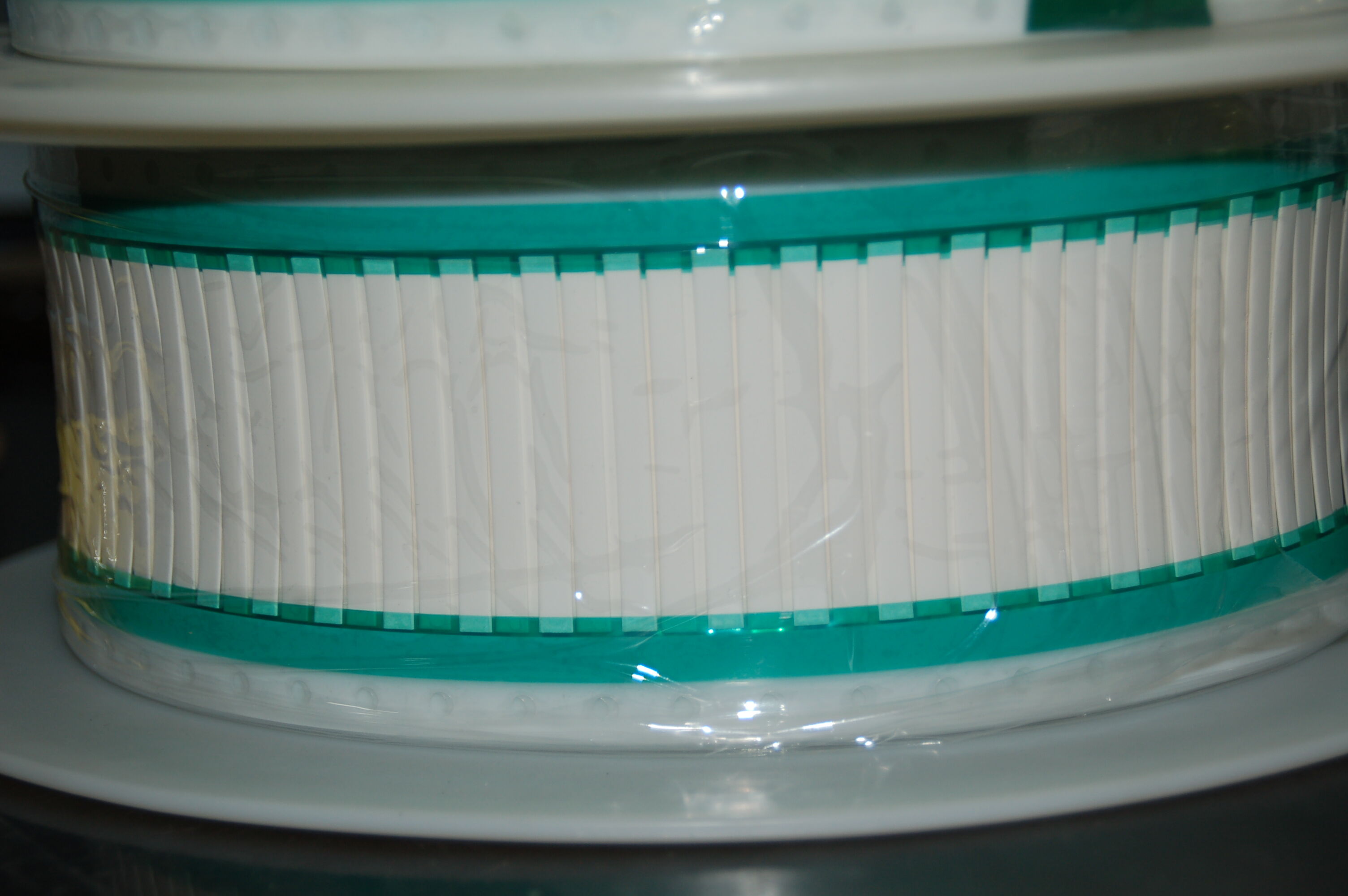
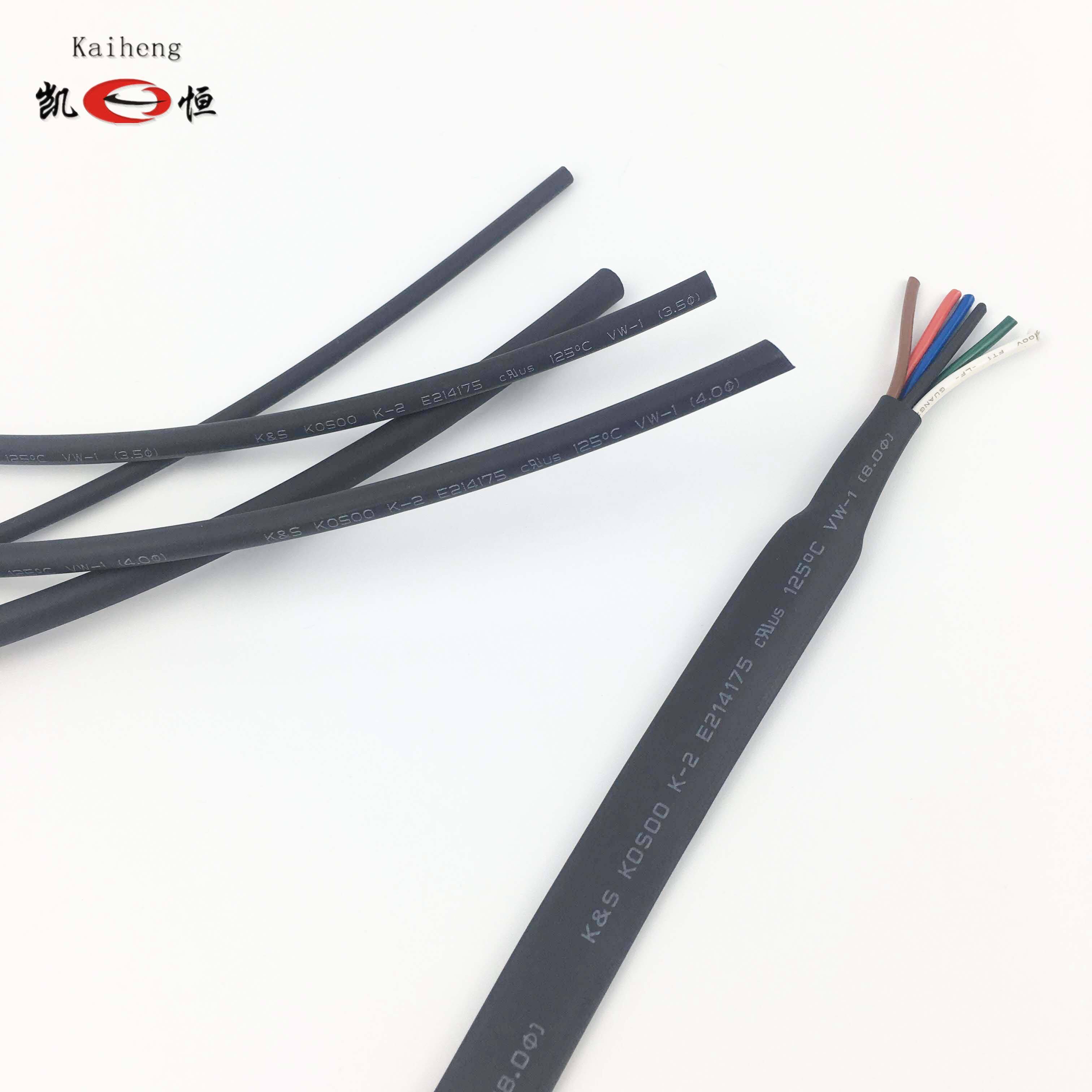
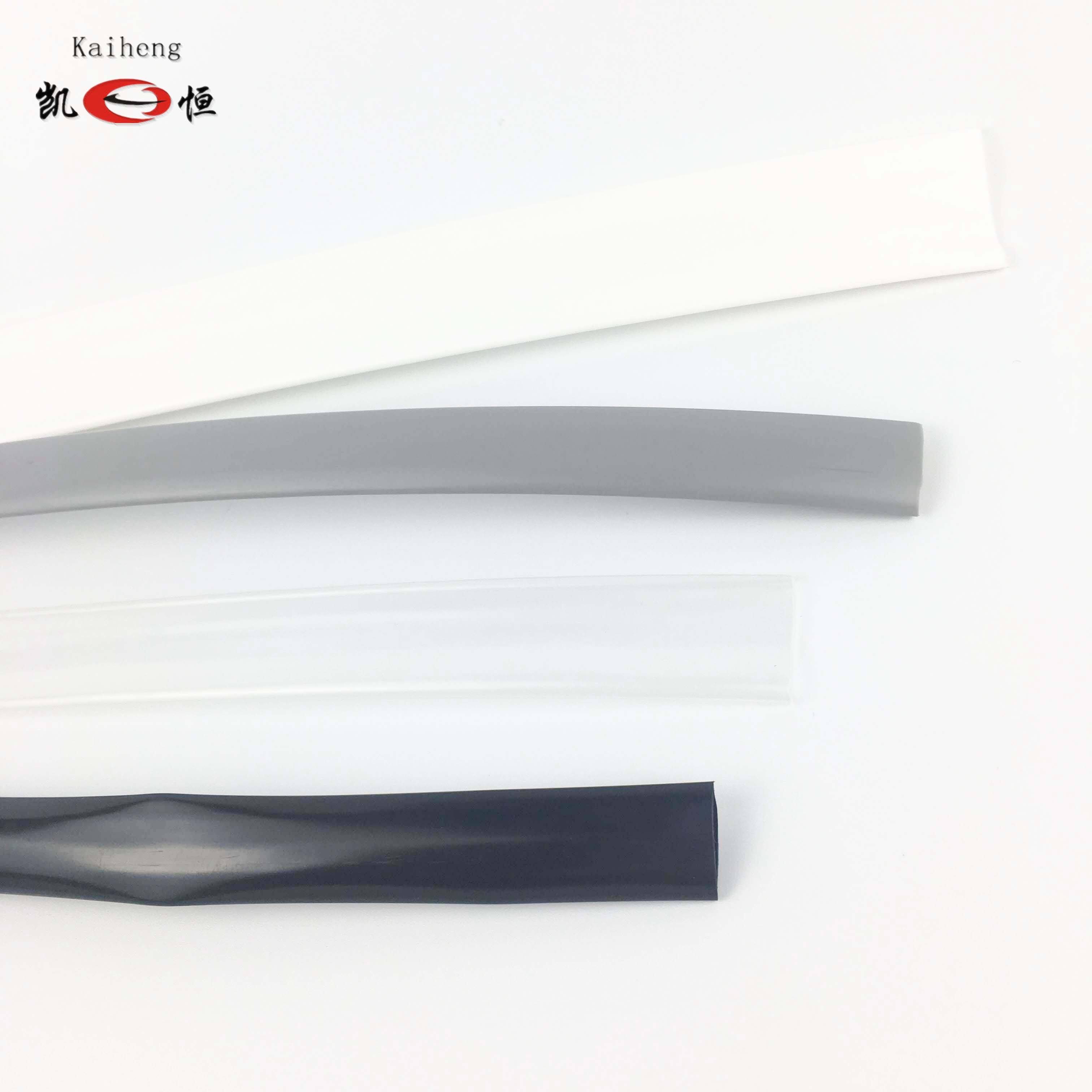
high voltage heat shrink tubing
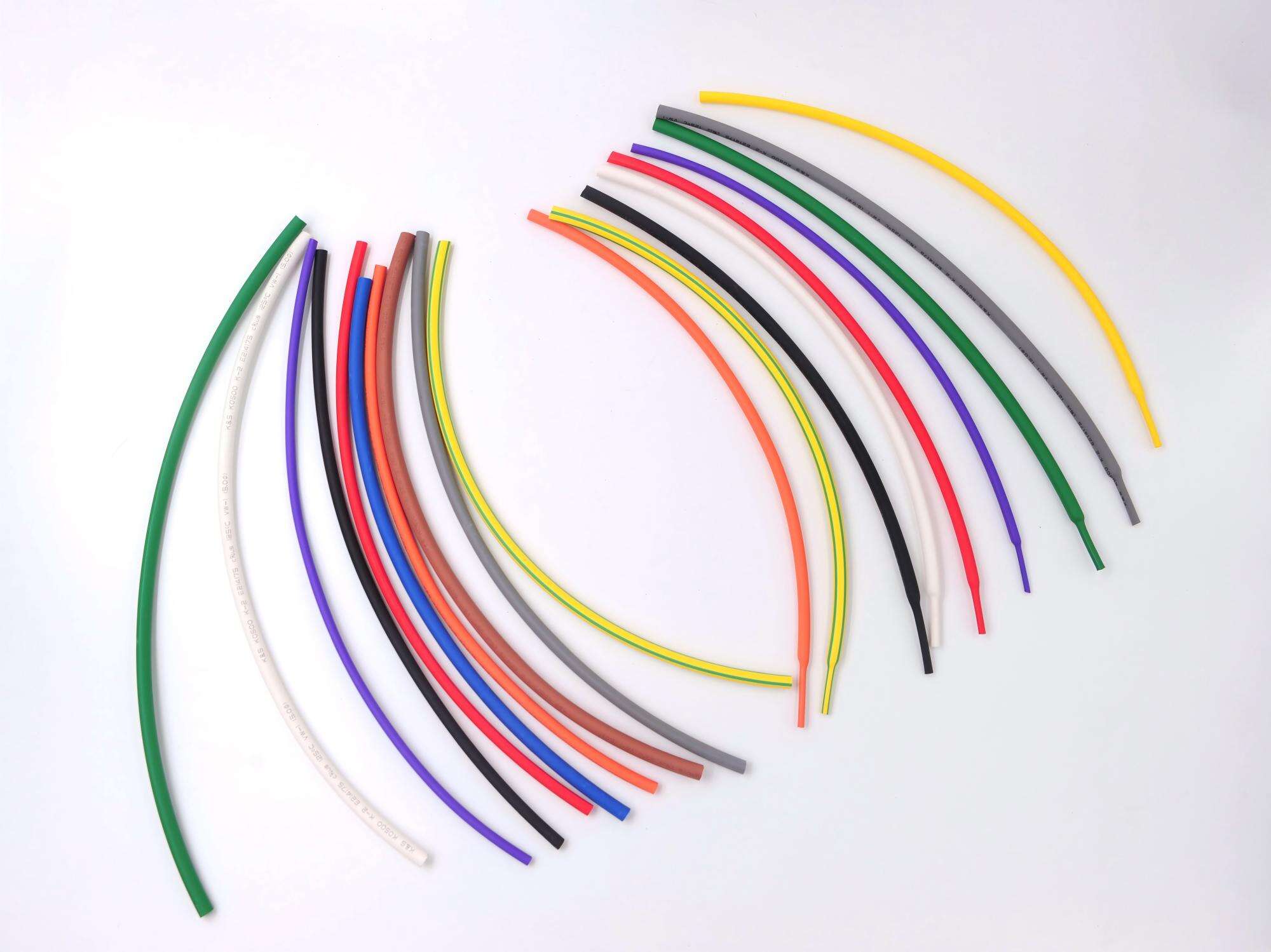
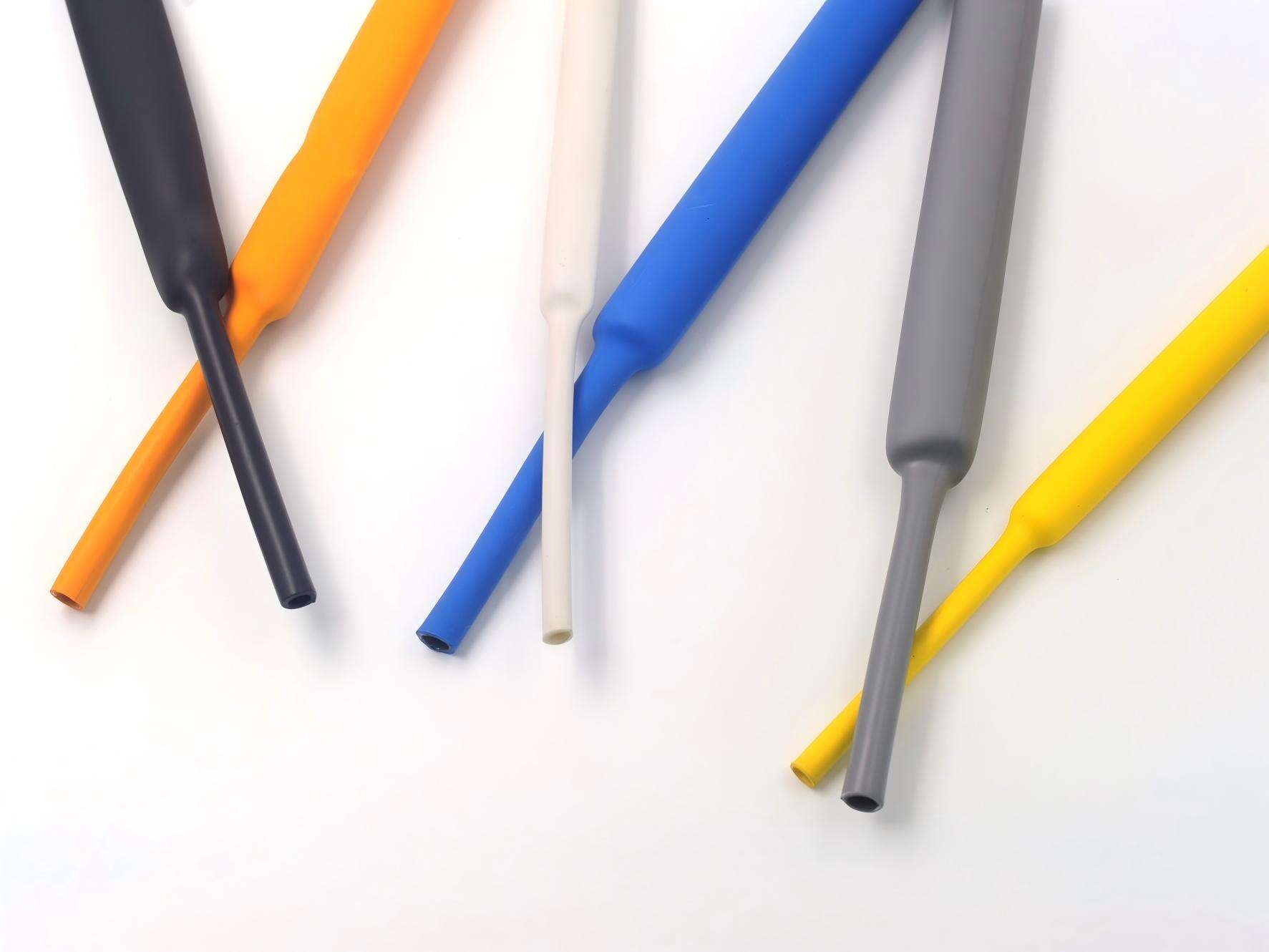
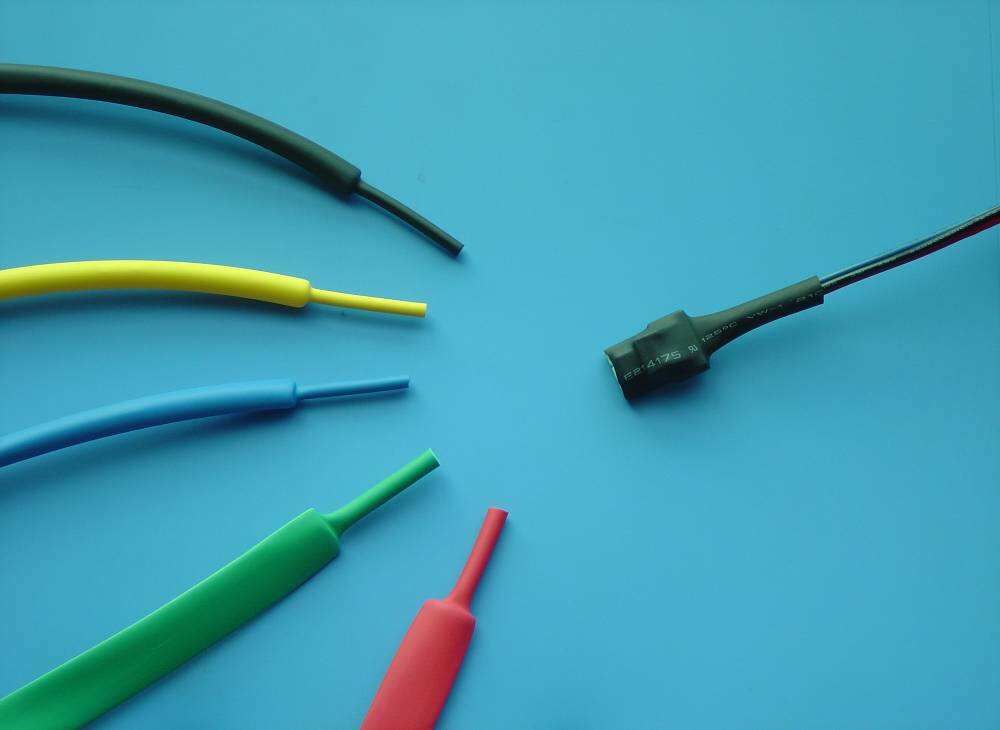
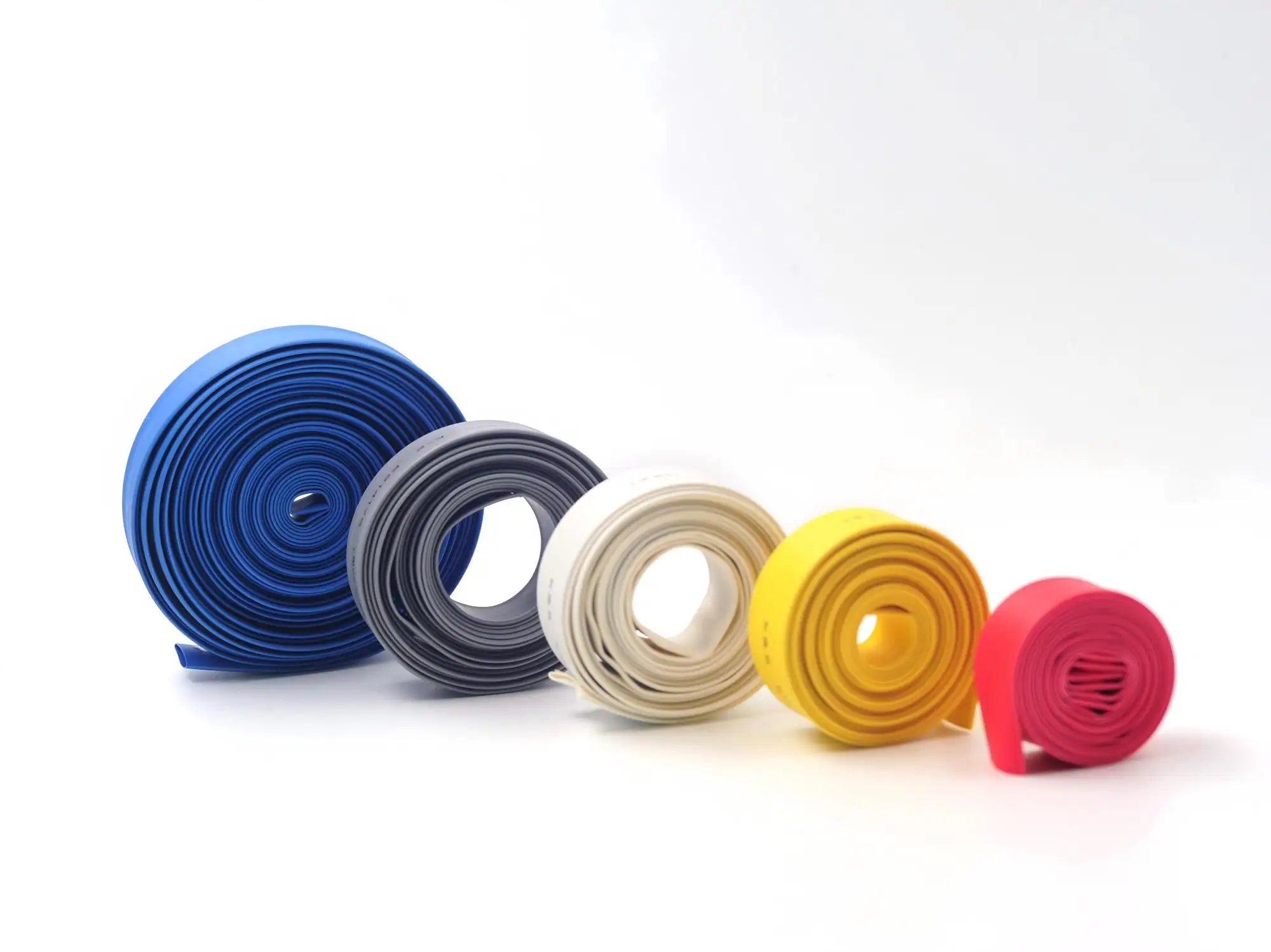
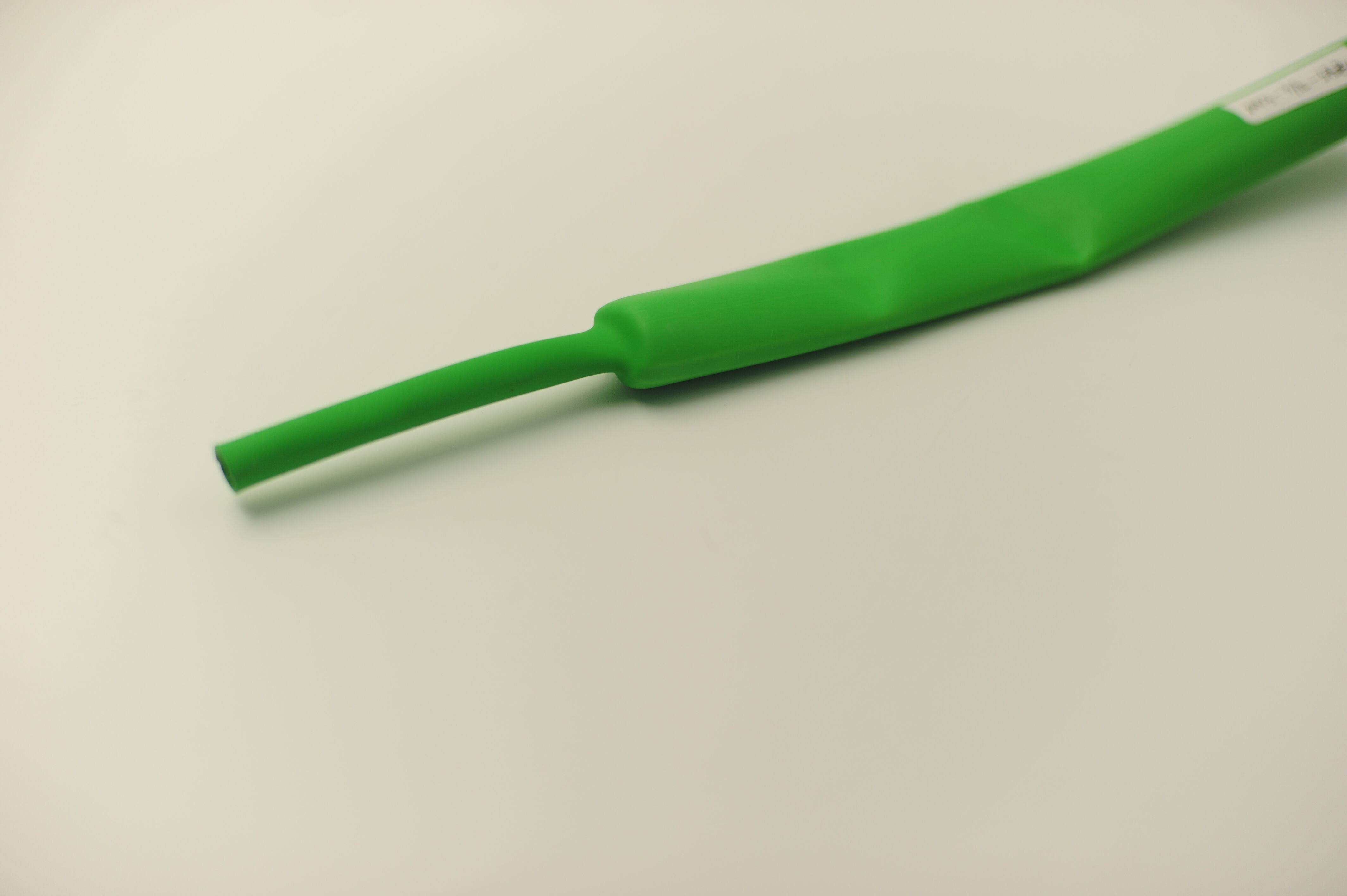
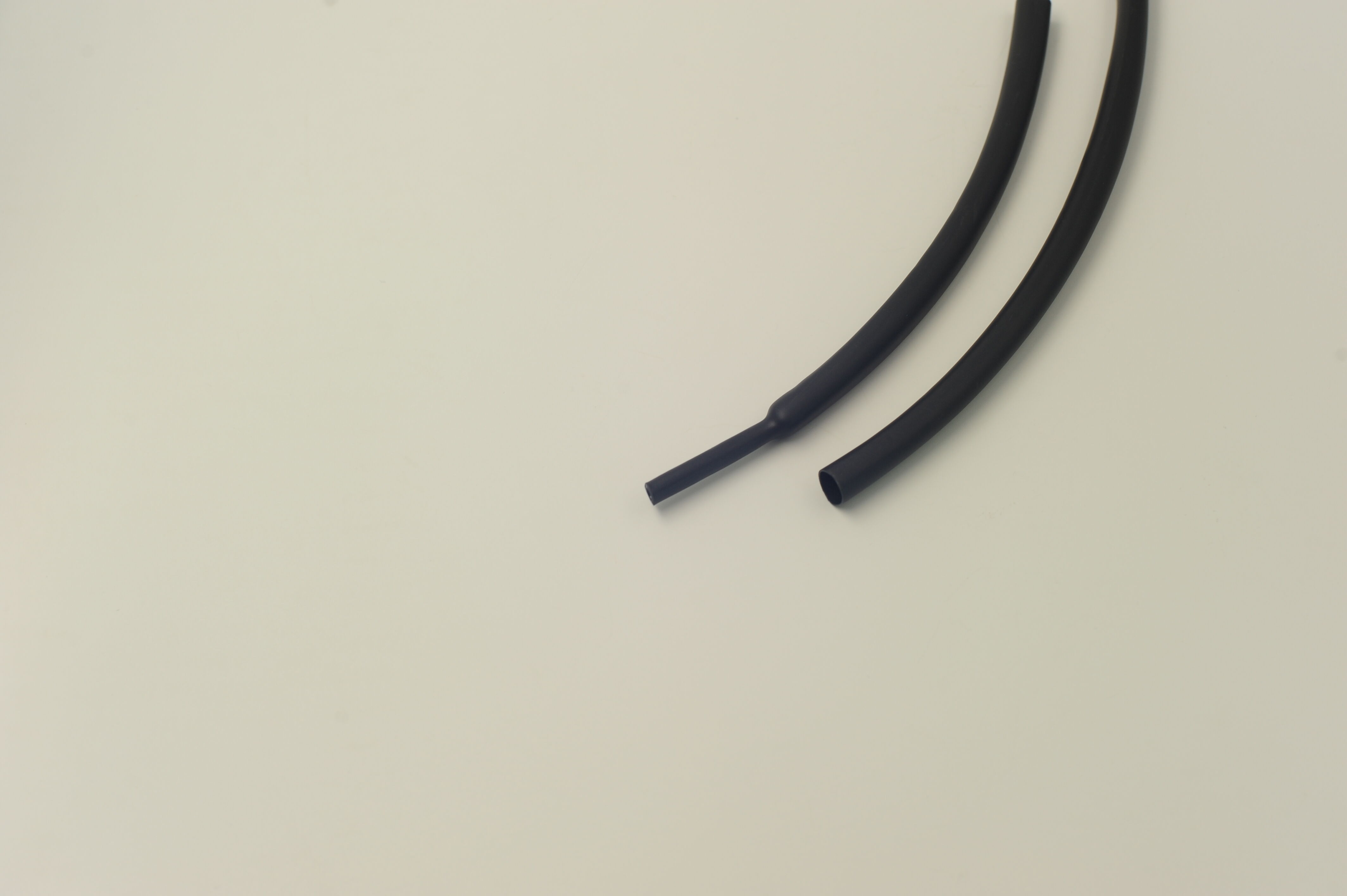
High voltage heat shrink tubing represents a specialized electrical insulation solution designed to protect and secure electrical connections operating at elevated voltage levels. This advanced protective material serves as a critical component in electrical systems where standard insulation methods prove insufficient for safety and performance requirements. The primary function of high voltage heat shrink tubing centers on creating a durable, weatherproof barrier that prevents electrical arcing, moisture intrusion, and environmental contamination while maintaining optimal electrical performance. When heated to activation temperature, this tubing contracts uniformly around cables, connectors, and joints, forming a tight-fitting protective sleeve that delivers superior mechanical strength and electrical insulation properties. The technological features of high voltage heat shrink tubing include exceptional dielectric strength ratings that can withstand voltages ranging from several kilovolts to hundreds of kilovolts depending on wall thickness and material composition. These products incorporate specialized polymer compounds that exhibit remarkable resistance to ultraviolet radiation, chemical exposure, and extreme temperature fluctuations while maintaining flexibility and durability over extended service periods. Advanced manufacturing processes ensure consistent wall thickness and uniform shrinkage ratios, typically achieving 3:1 or 4:1 reduction capabilities that accommodate various cable diameters and connection configurations. The material composition often includes cross-linked polyolefin or specialized elastomeric compounds that provide enhanced tracking resistance and flame retardant properties essential for high voltage applications. Installation applications span numerous industries including power generation facilities, electrical distribution networks, telecommunications infrastructure, railway systems, and renewable energy installations where reliable electrical connections must withstand harsh environmental conditions and maintain operational integrity for decades without failure or degradation.

 EN
EN