industrial heat shrink
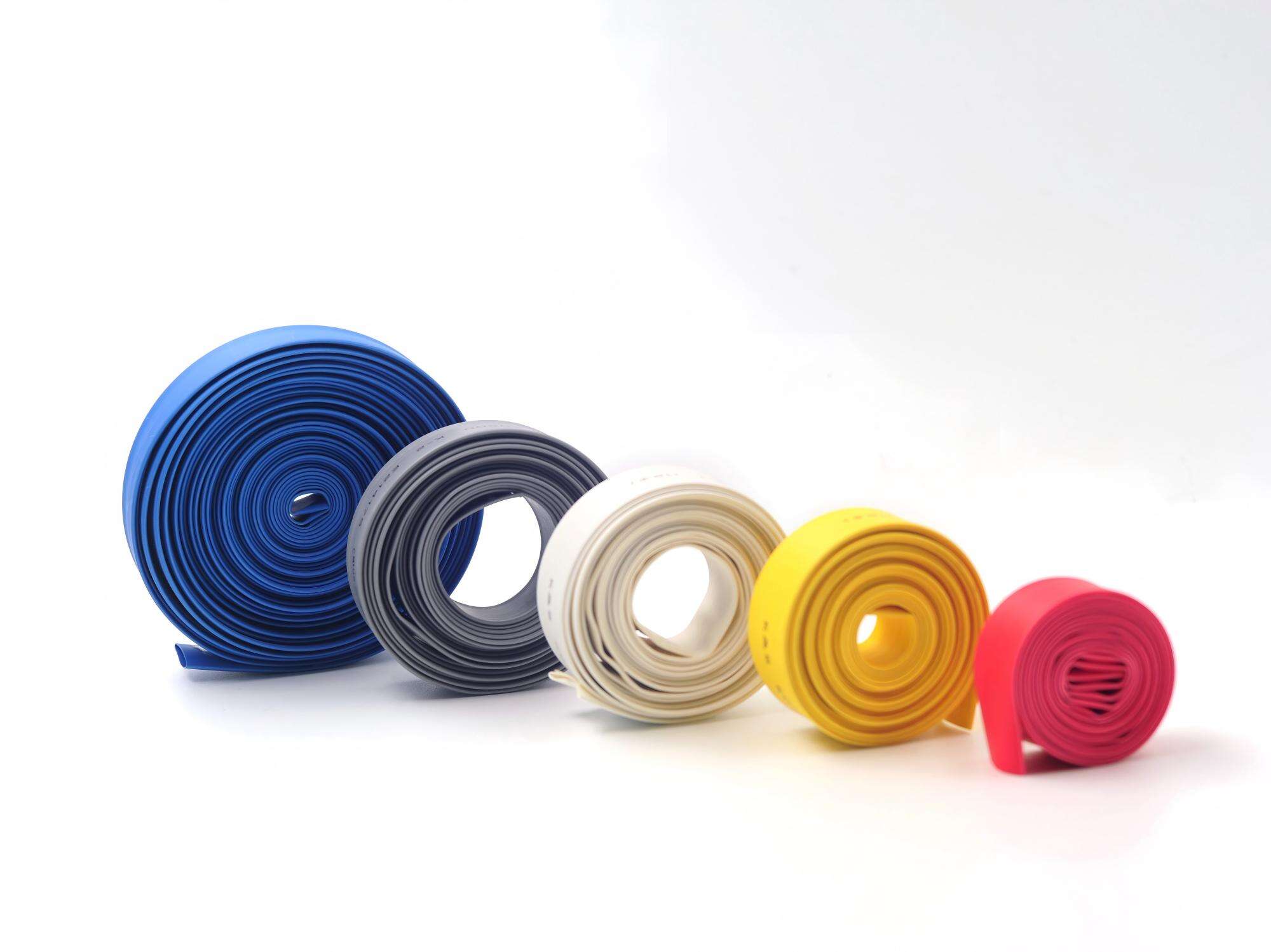
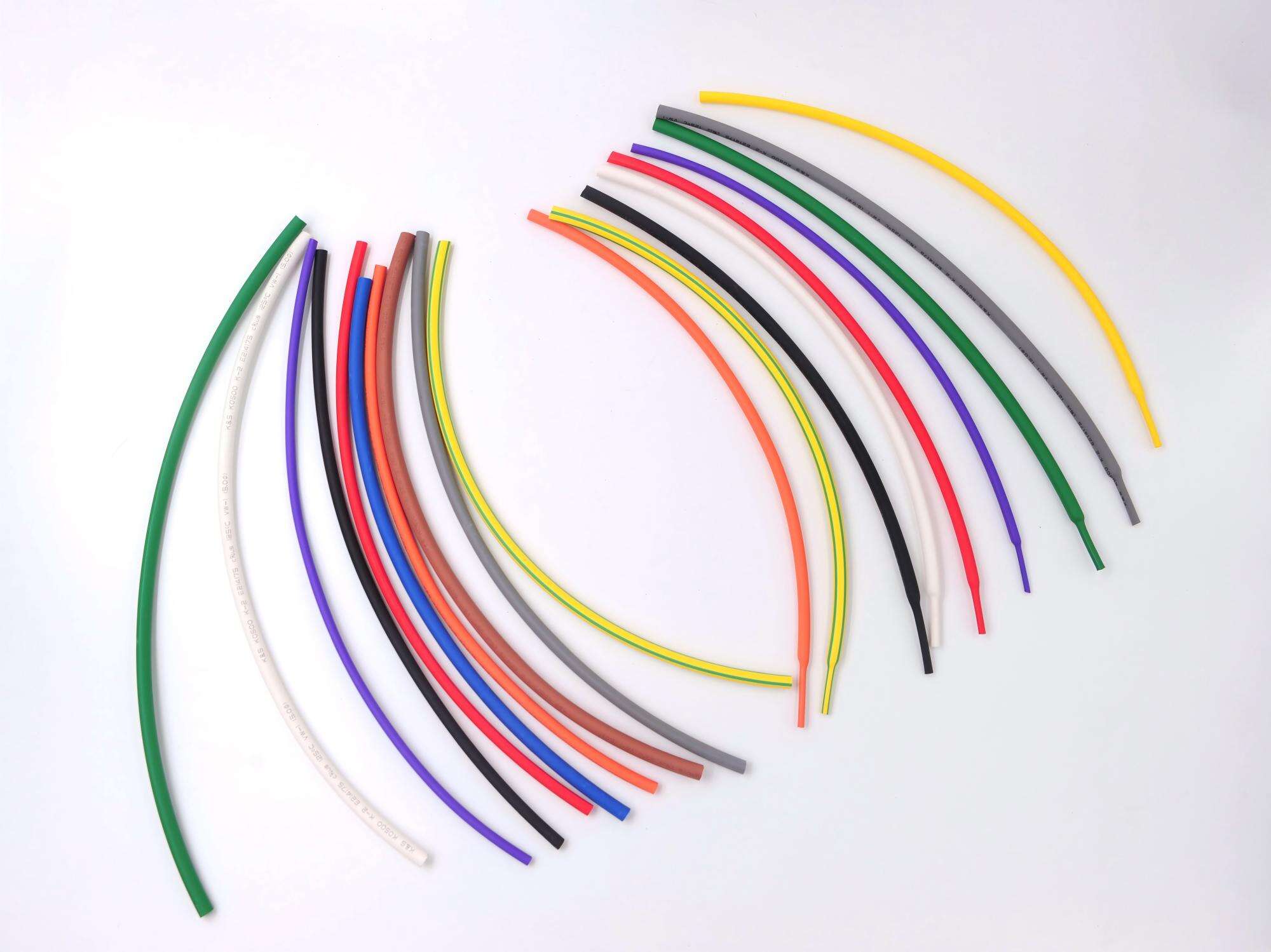
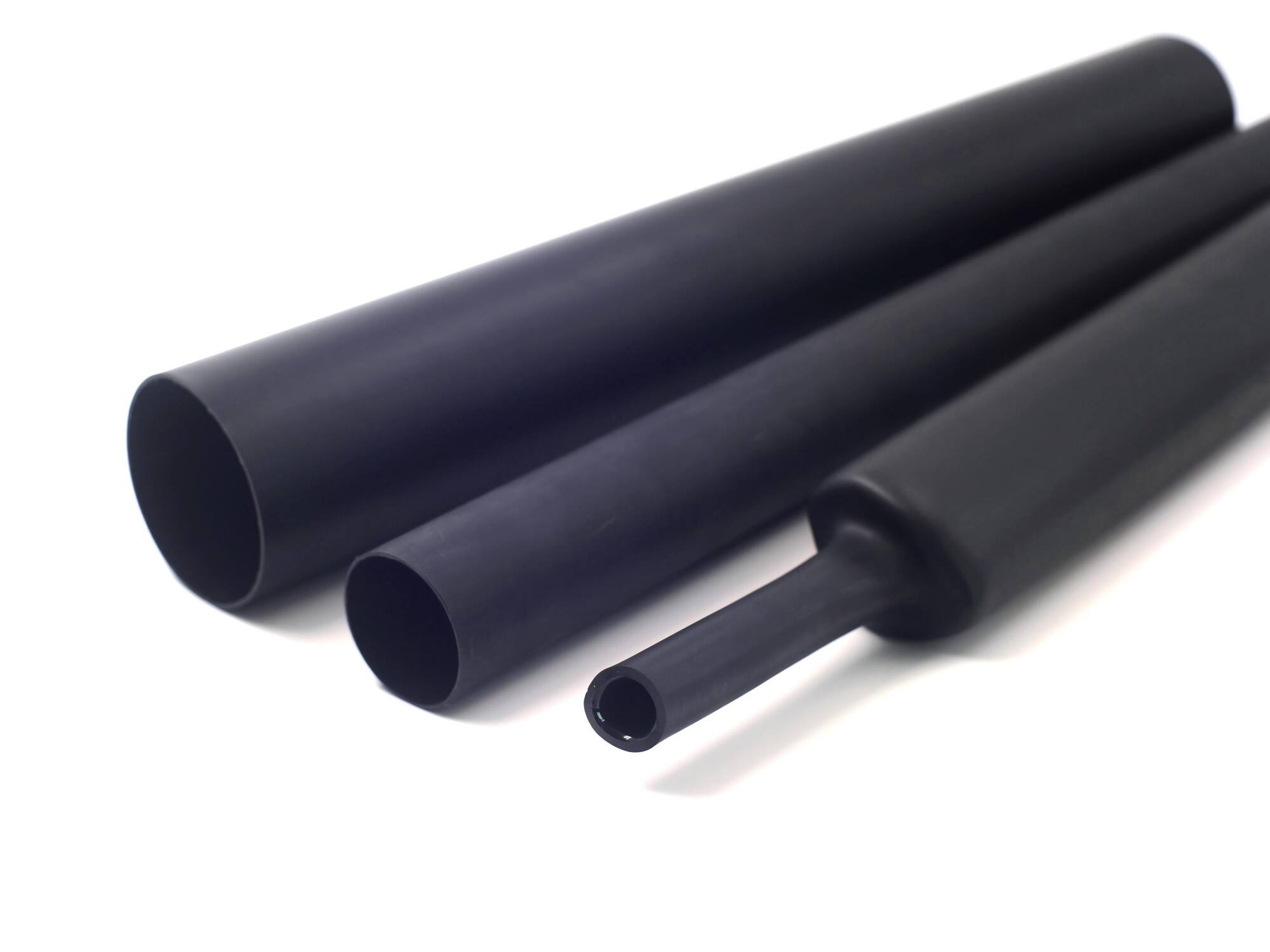
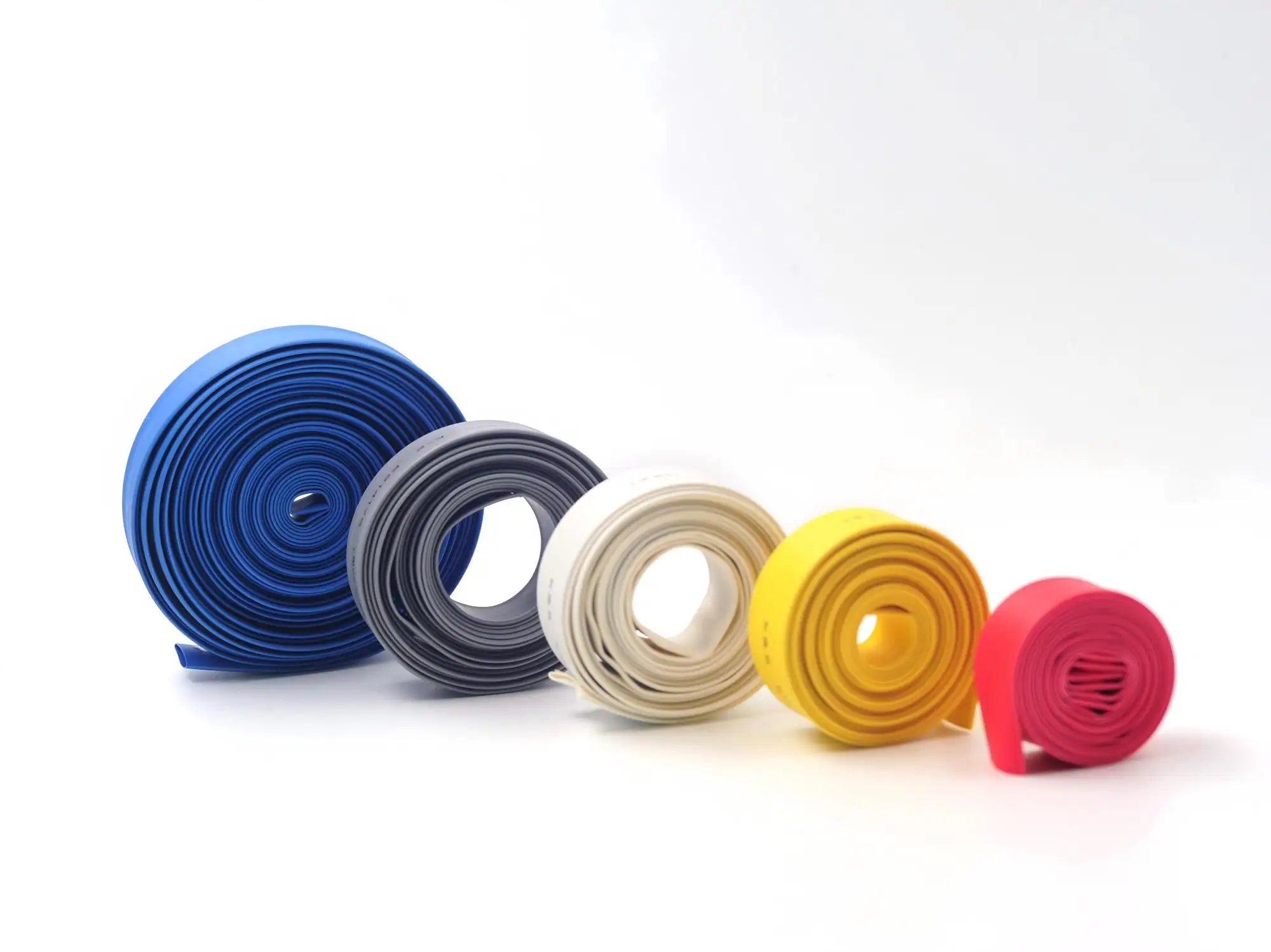
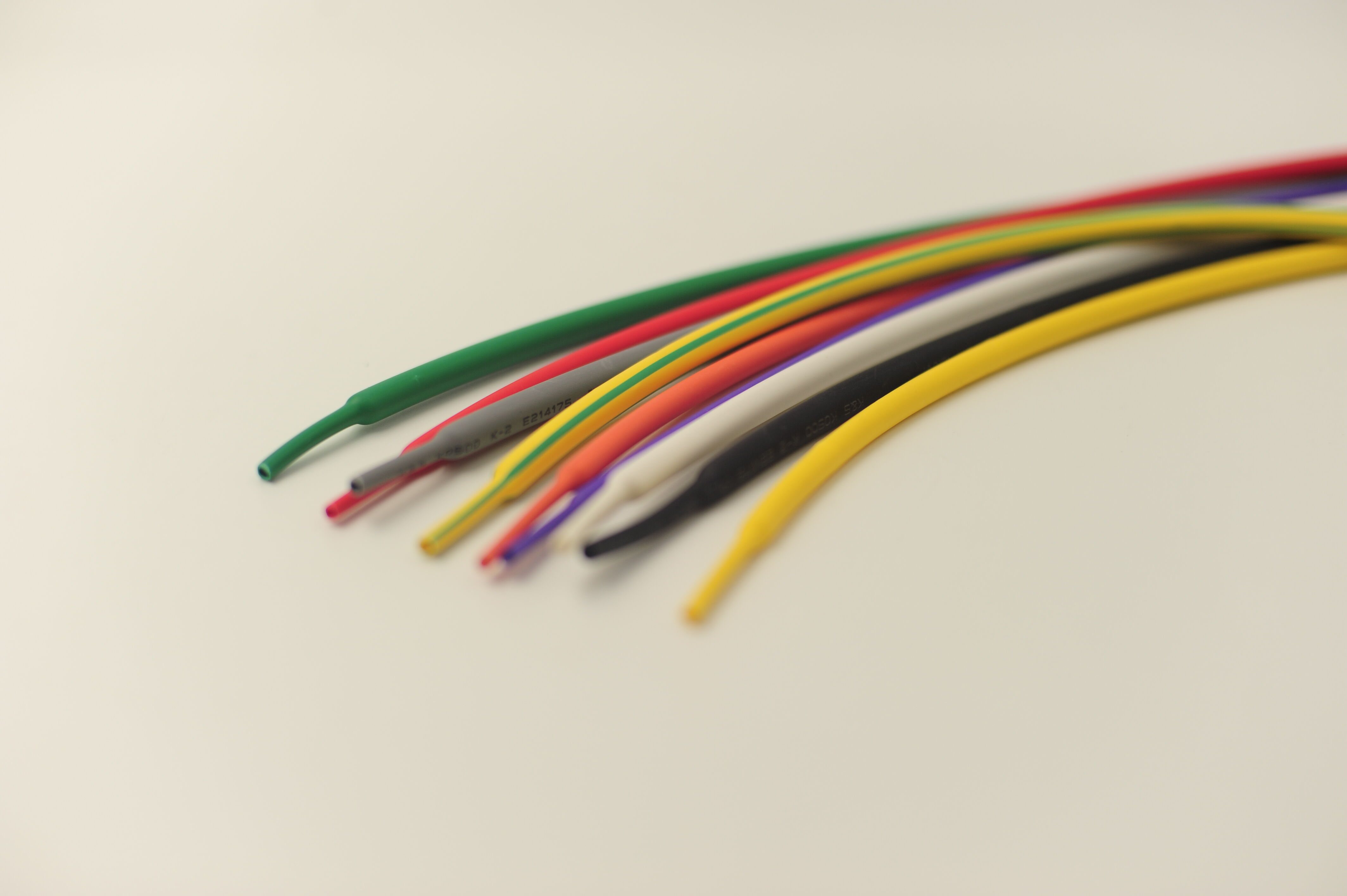
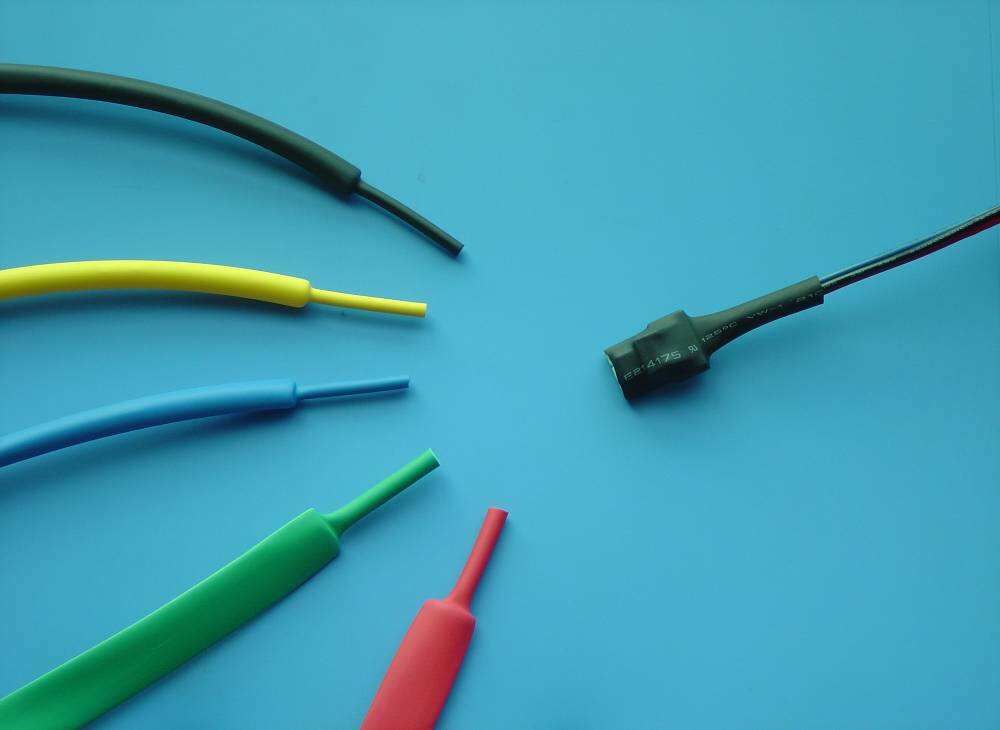
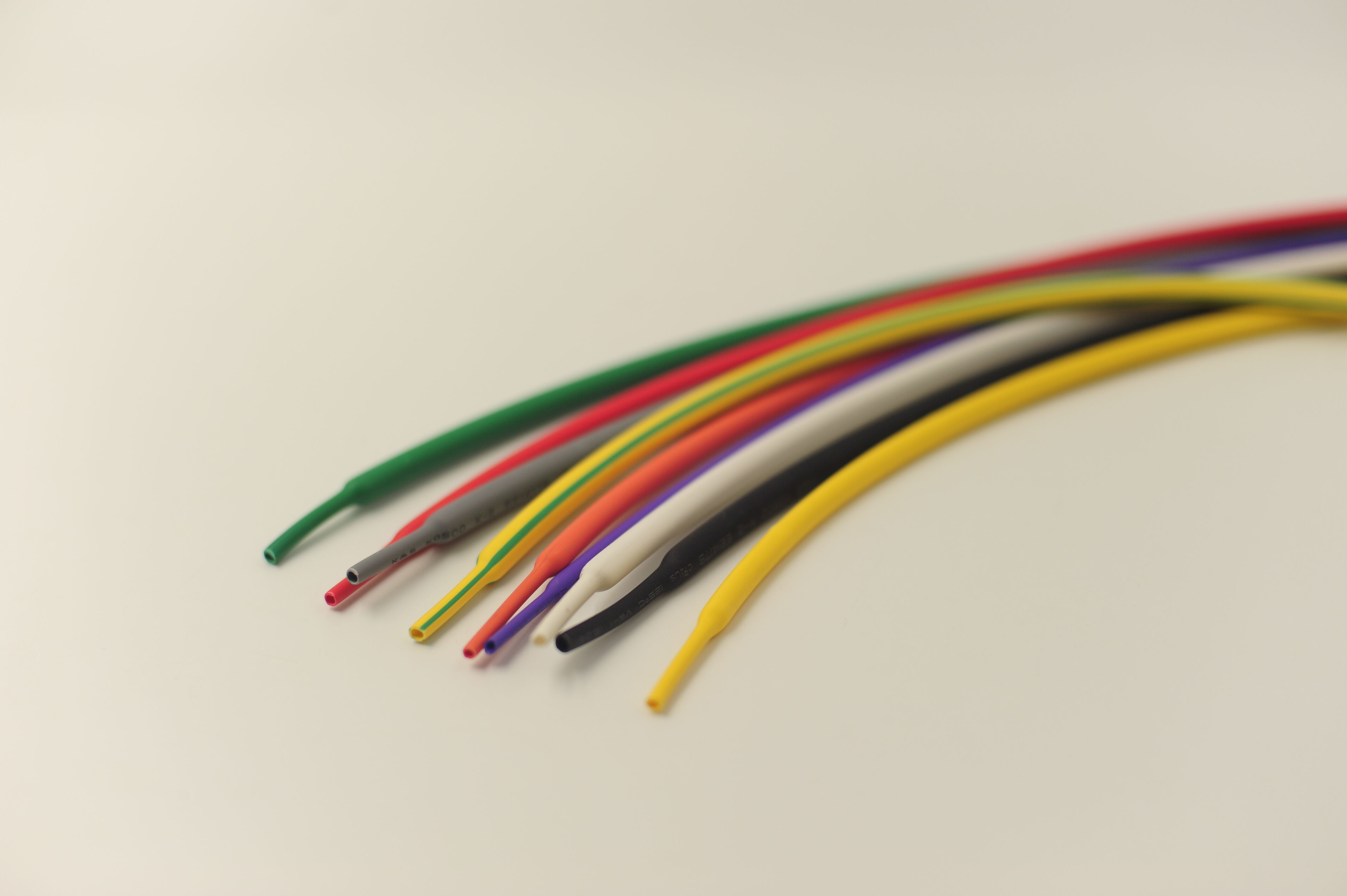
Industrial heat shrink technology represents a critical component in modern manufacturing and electrical applications, providing reliable protection and insulation solutions across diverse industries. This specialized material consists of thermoplastic polymers that contract when exposed to controlled heat application, creating tight-fitting protective coverings around various substrates. The fundamental principle operates through molecular memory, where the material returns to its original manufactured dimensions when heated to specific activation temperatures. Industrial heat shrink products offer exceptional versatility in protecting electrical connections, cable assemblies, mechanical components, and sensitive equipment from environmental hazards. The technology encompasses multiple material compositions, including polyolefin, polyvinyl chloride, fluoropolymers, and specialized elastomeric compounds, each engineered for specific performance requirements. These materials demonstrate superior resistance to moisture, chemicals, abrasion, and temperature extremes, making them indispensable in demanding industrial environments. Manufacturing processes involve precise extrusion and expansion techniques that create the characteristic shape-memory properties essential for proper functionality. Quality industrial heat shrink products undergo rigorous testing protocols to ensure consistent performance across temperature ranges, mechanical stress conditions, and environmental exposure scenarios. Applications span telecommunications infrastructure, automotive wiring harnesses, aerospace components, marine equipment, and renewable energy systems. The installation process requires controlled heating through heat guns, ovens, or specialized equipment to achieve uniform shrinkage and optimal adhesion. Advanced formulations incorporate adhesive linings that create watertight seals and enhanced mechanical bonds with underlying substrates. Color coding systems facilitate identification and organization in complex installations, while various wall thicknesses accommodate different protection levels and mechanical requirements.

 EN
EN