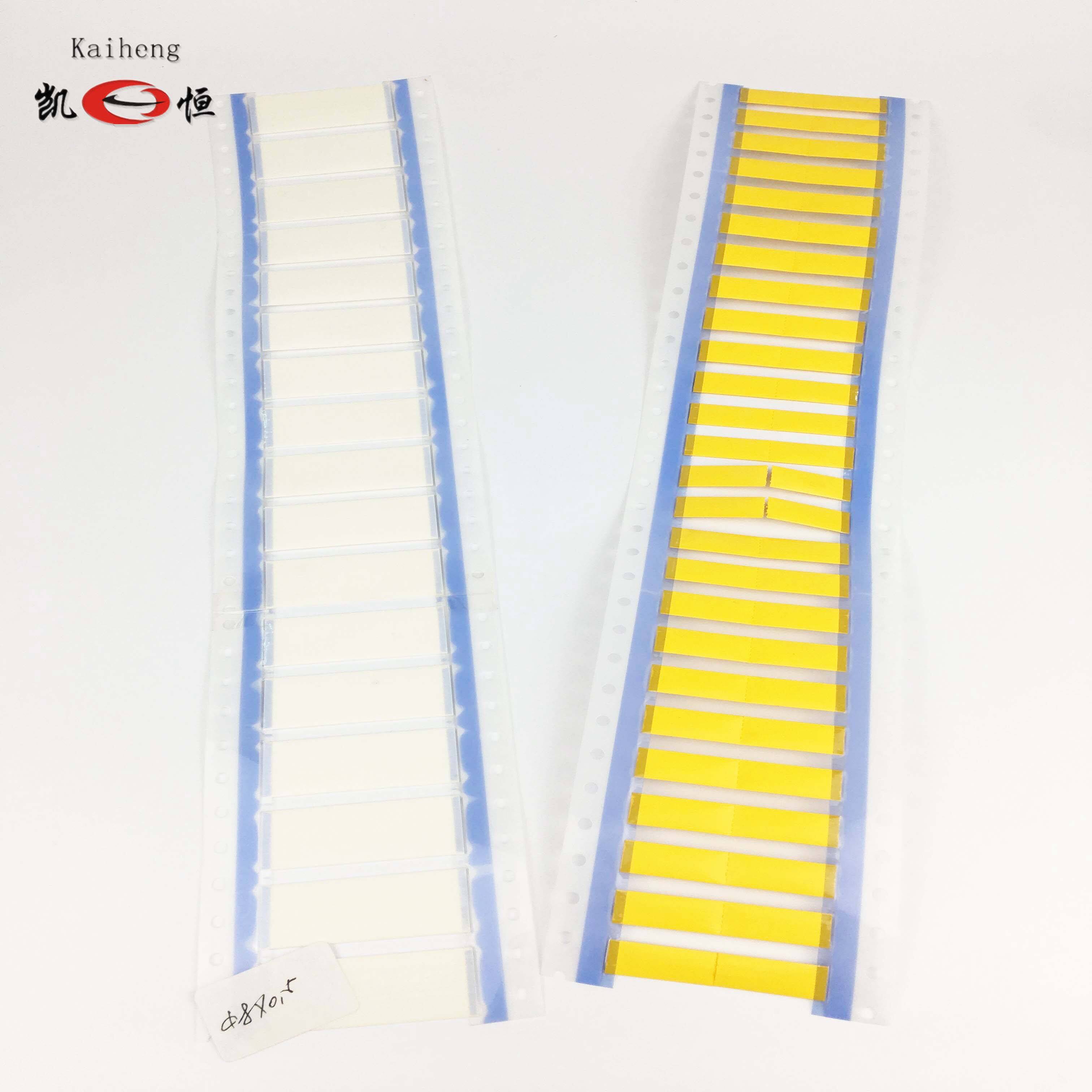
shrink tubing for wires
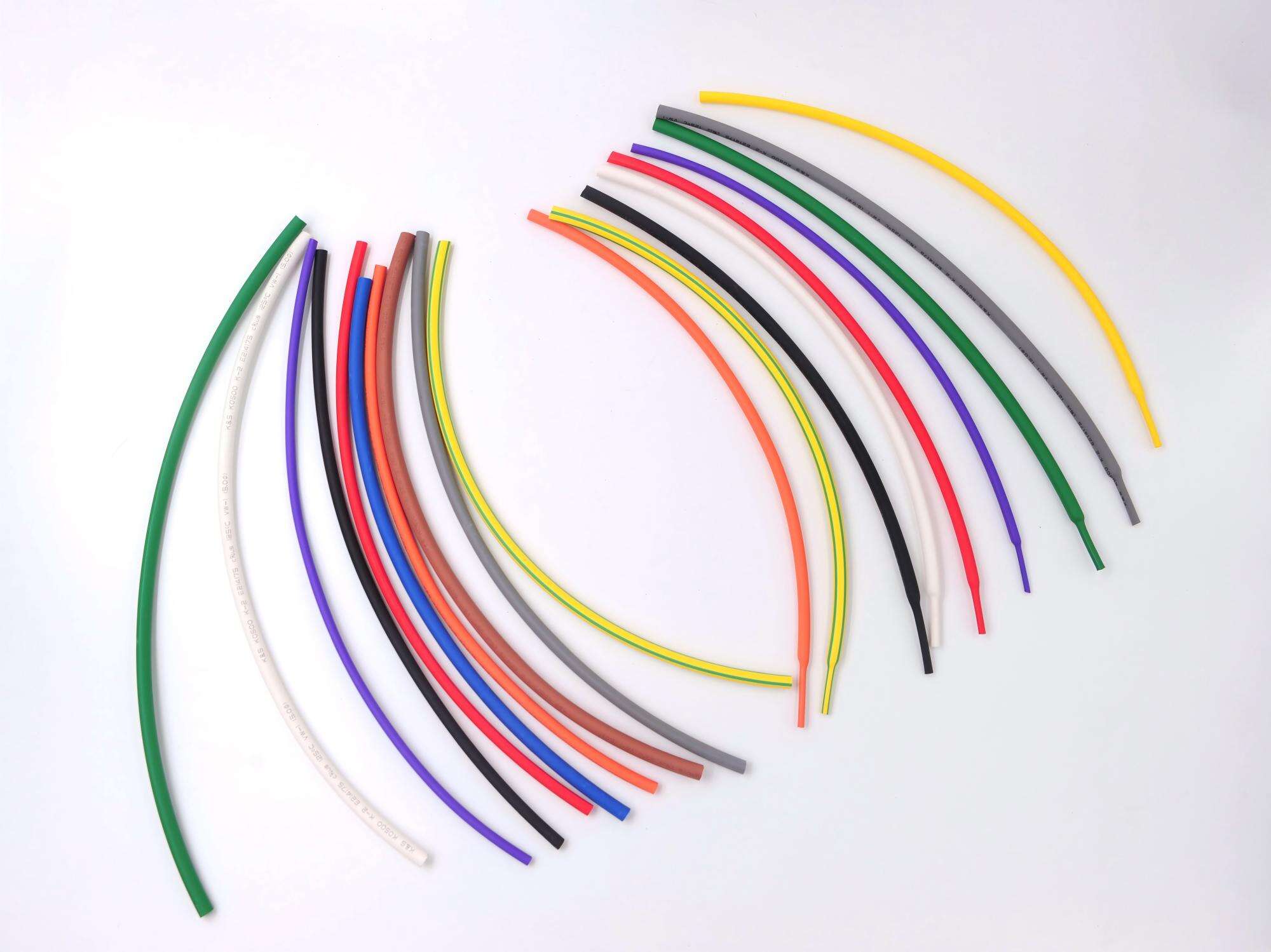
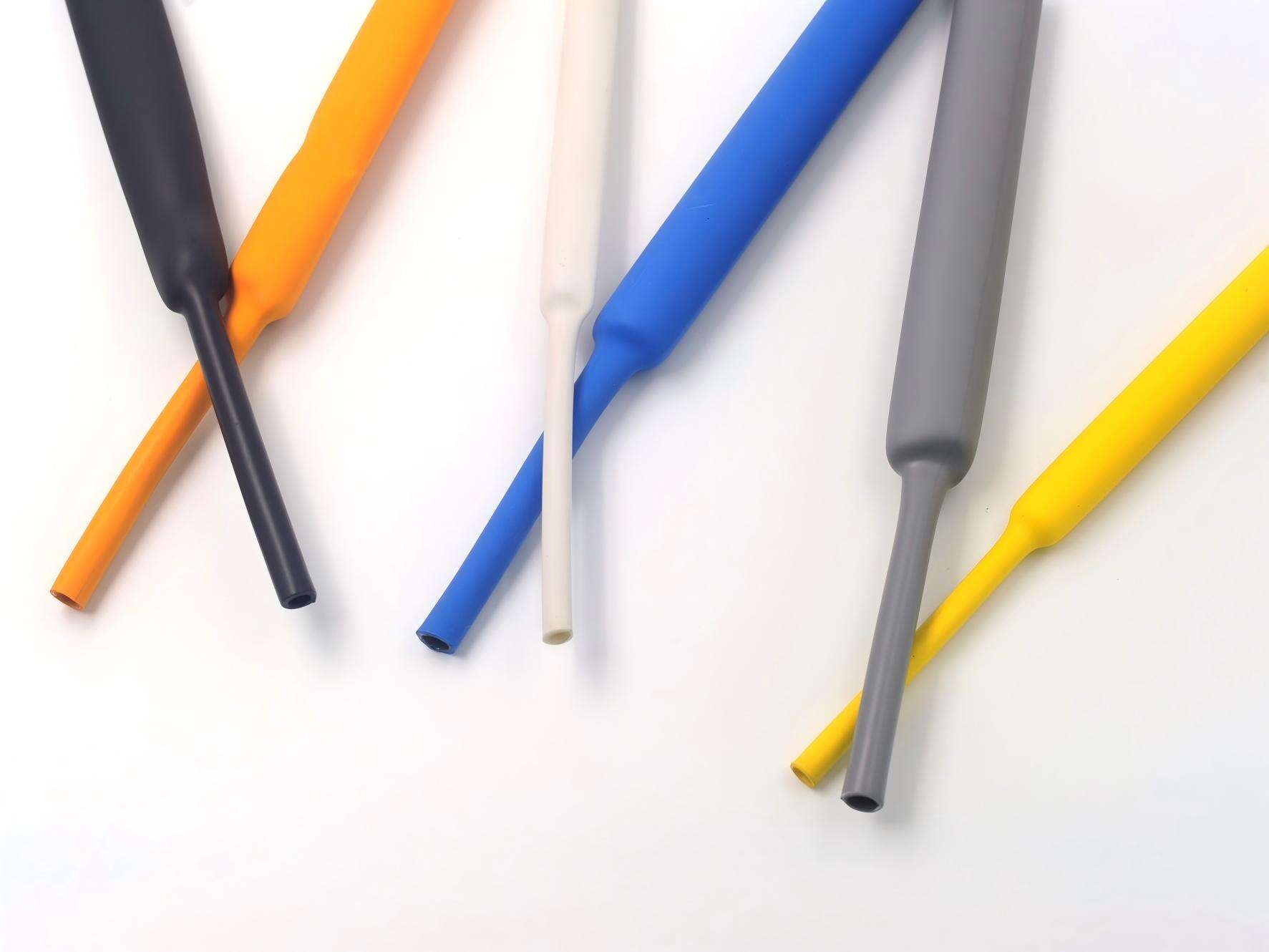
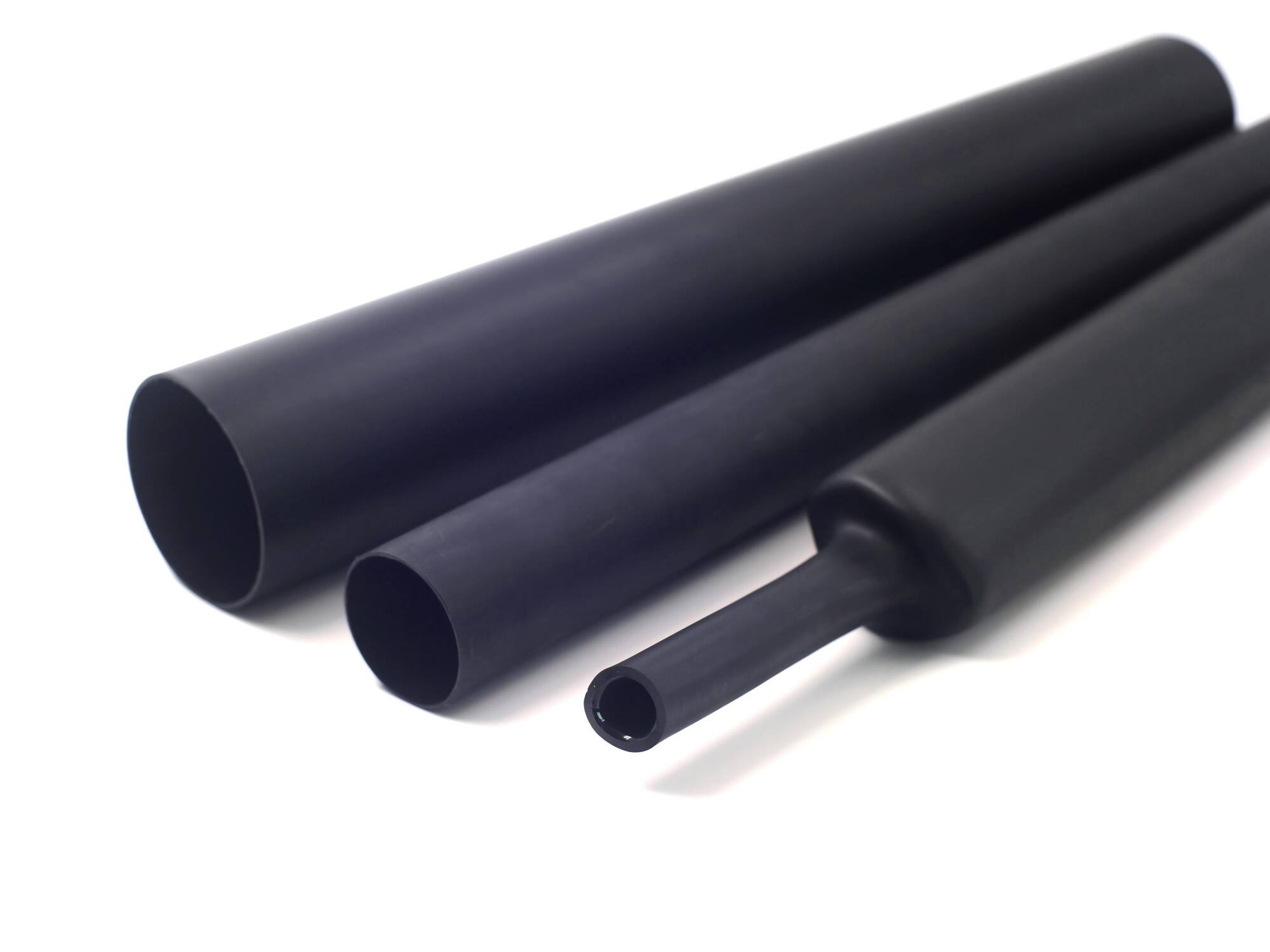
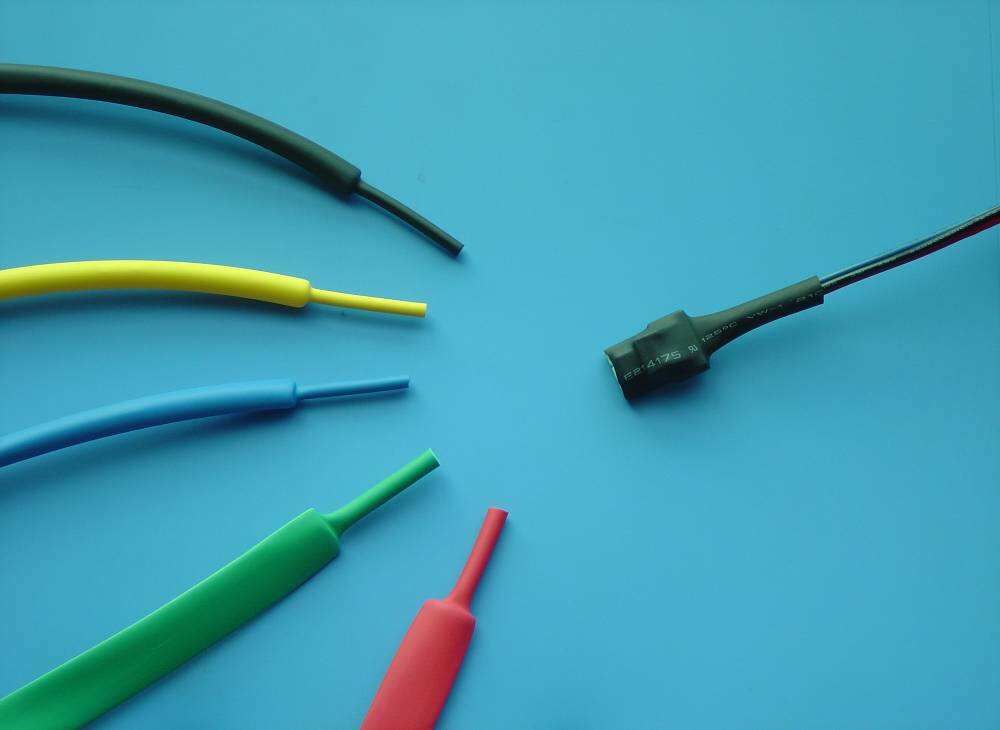
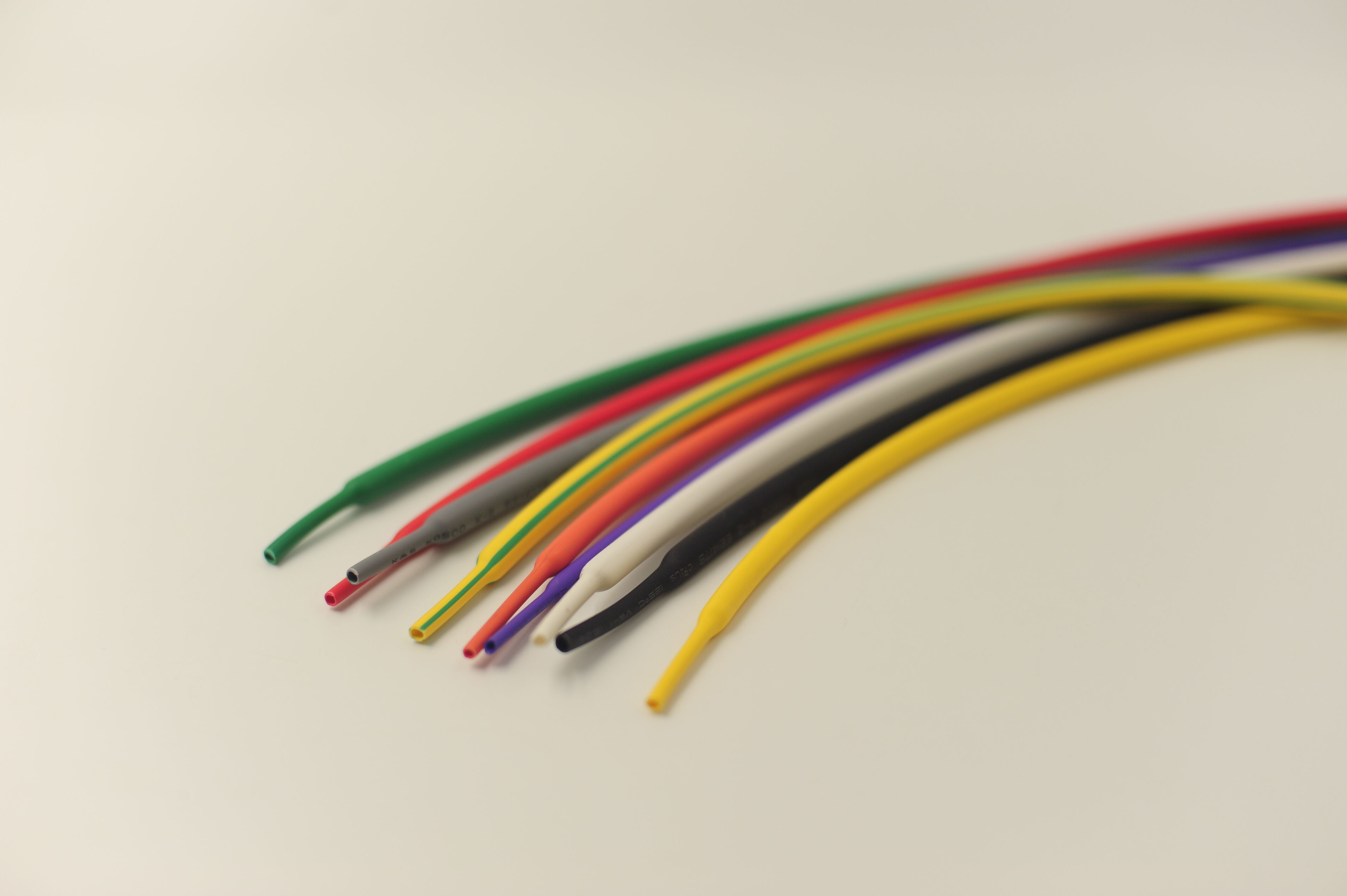
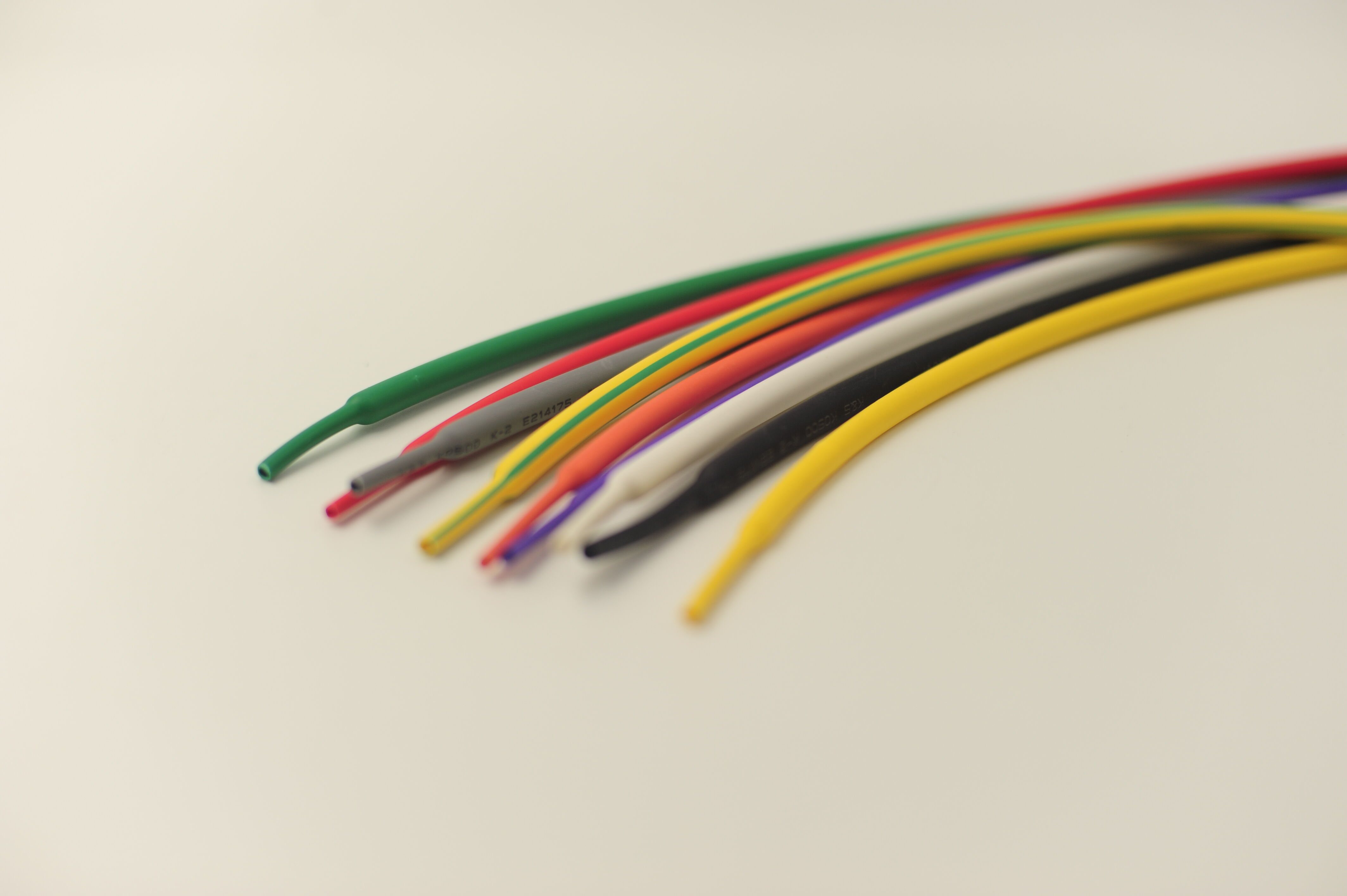
Shrink tubing for wires represents a revolutionary solution in electrical insulation and wire management technology. This specialized protective material consists of thermoplastic tubes that contract when exposed to heat, creating a secure, weatherproof seal around wire connections and components. The shrink tubing for wires operates through a simple yet effective mechanism where controlled heat application causes the material to reduce in diameter, conforming tightly to the underlying surface. This process eliminates air gaps and creates an impermeable barrier against moisture, dust, and other environmental contaminants. The primary functions of shrink tubing for wires include electrical insulation, mechanical protection, strain relief, and environmental sealing. These tubes serve as critical components in maintaining electrical system integrity by preventing short circuits, reducing electromagnetic interference, and extending wire lifespan. Technologically, shrink tubing for wires features advanced polymer compositions that provide excellent dielectric strength, chemical resistance, and temperature stability. Modern variants incorporate flame-retardant properties, UV resistance, and enhanced flexibility to meet diverse application requirements. The material exhibits superior adhesion characteristics, ensuring permanent bonds that withstand vibration, thermal cycling, and mechanical stress. Applications for shrink tubing for wires span numerous industries including automotive, aerospace, telecommunications, marine, and consumer electronics. In automotive systems, this technology protects harnesses in engine compartments where exposure to heat, oil, and moisture poses constant challenges. Aerospace applications utilize shrink tubing for wires in critical avionics systems where reliability and weight reduction are paramount. Telecommunications infrastructure relies on these products for outdoor installations requiring long-term weather resistance. The versatility of shrink tubing for wires extends to repair applications, allowing technicians to restore damaged cables efficiently while maintaining original specifications and safety standards.

 EN
EN