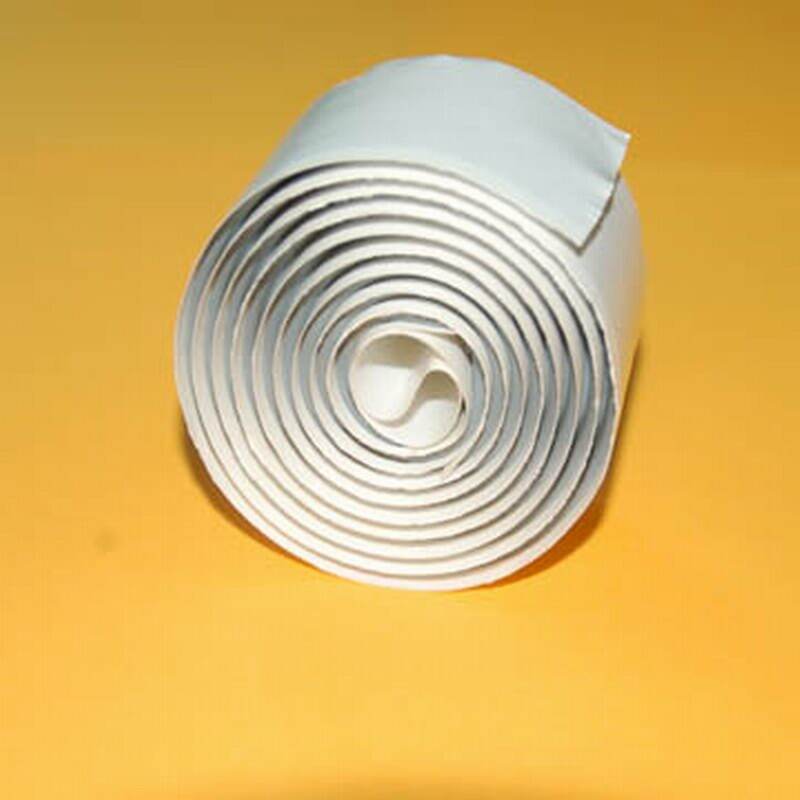
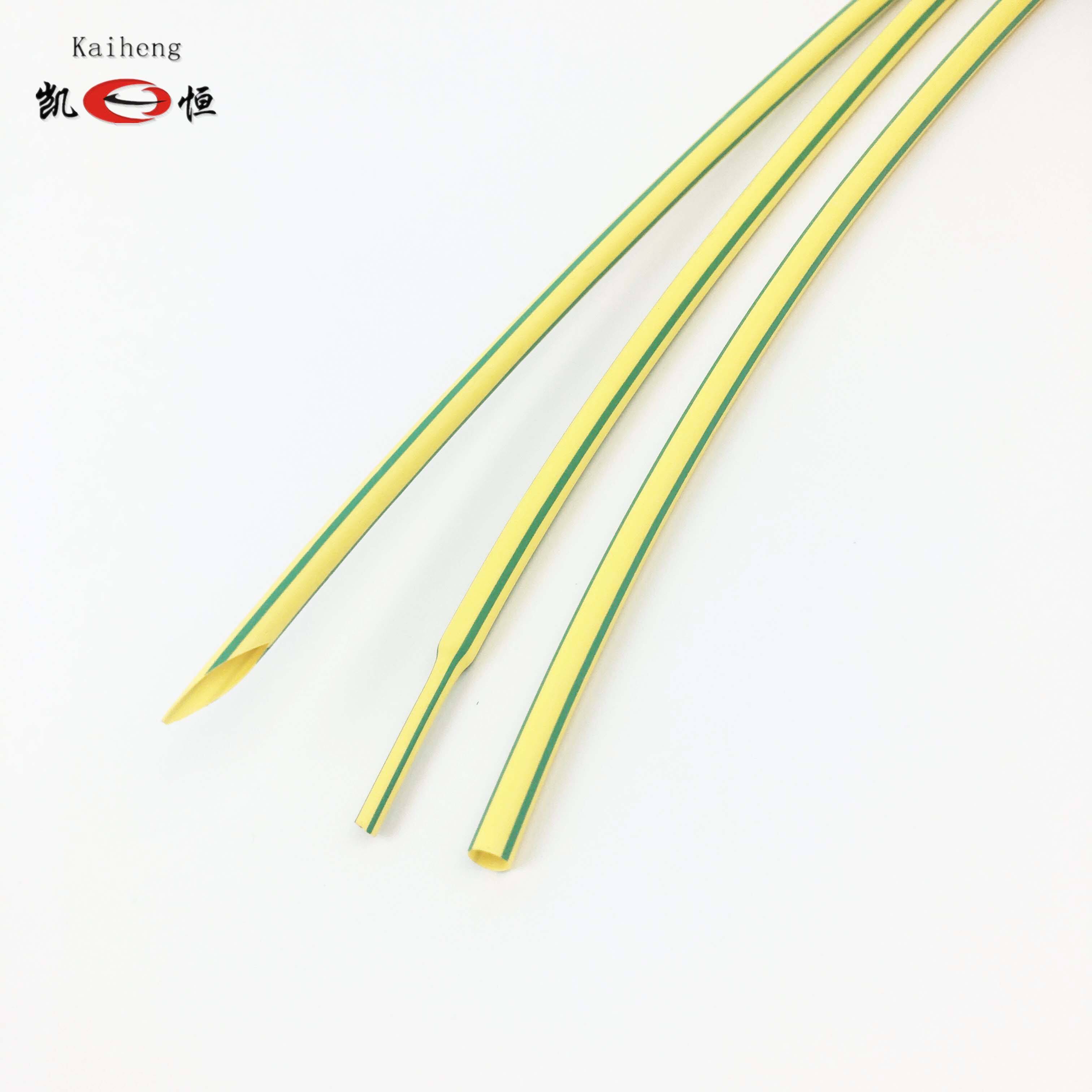
thick heat shrink
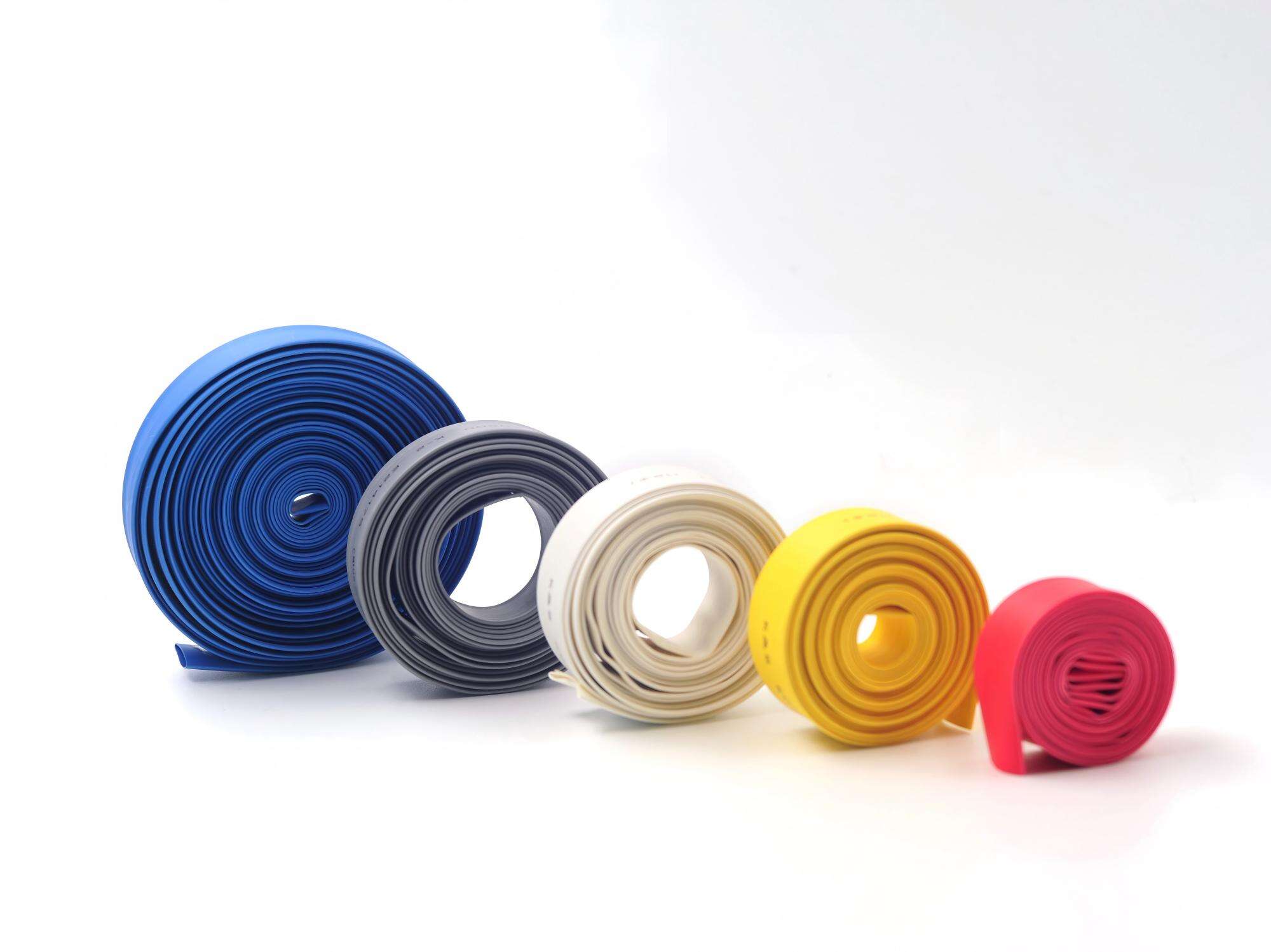
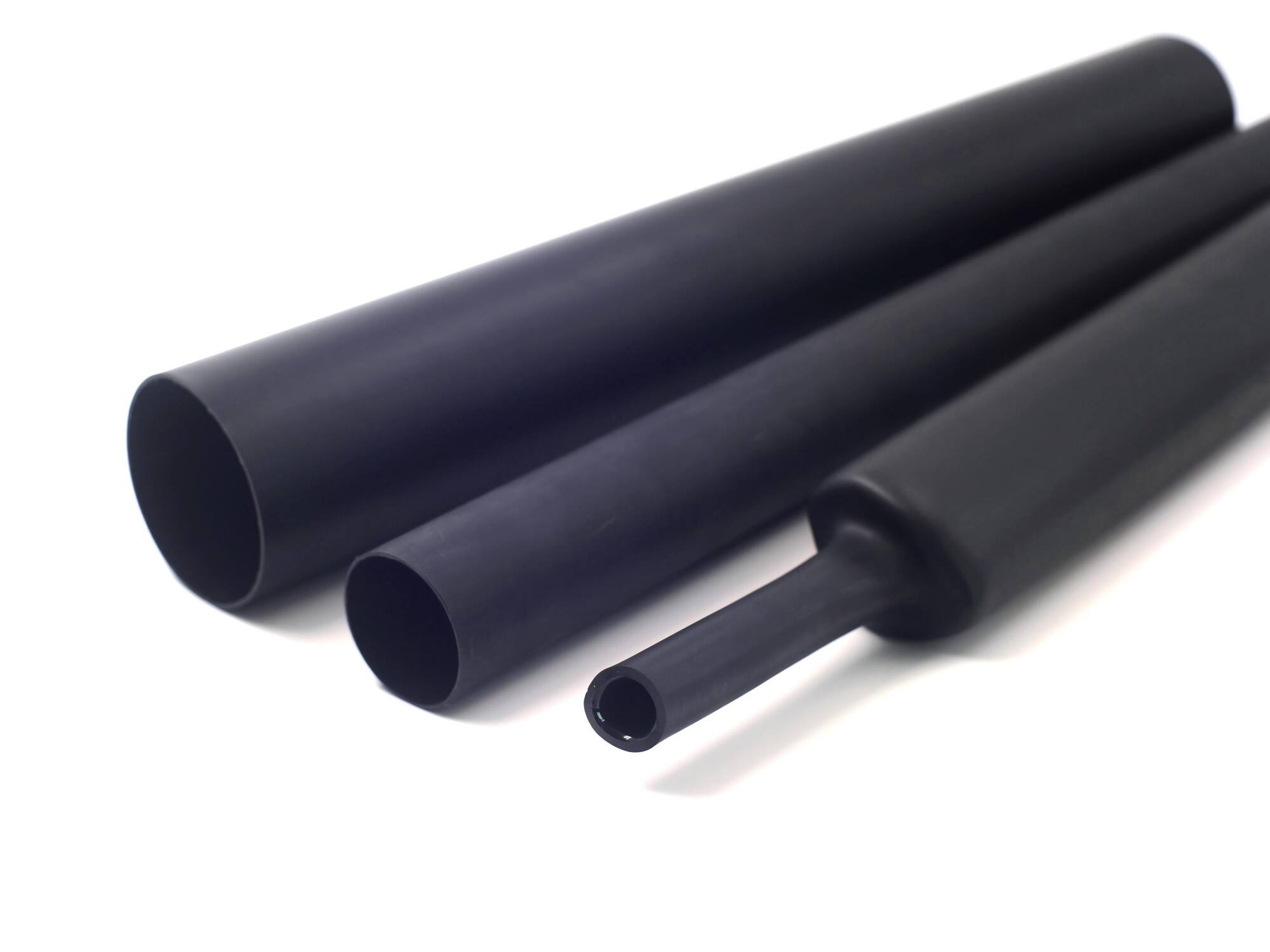
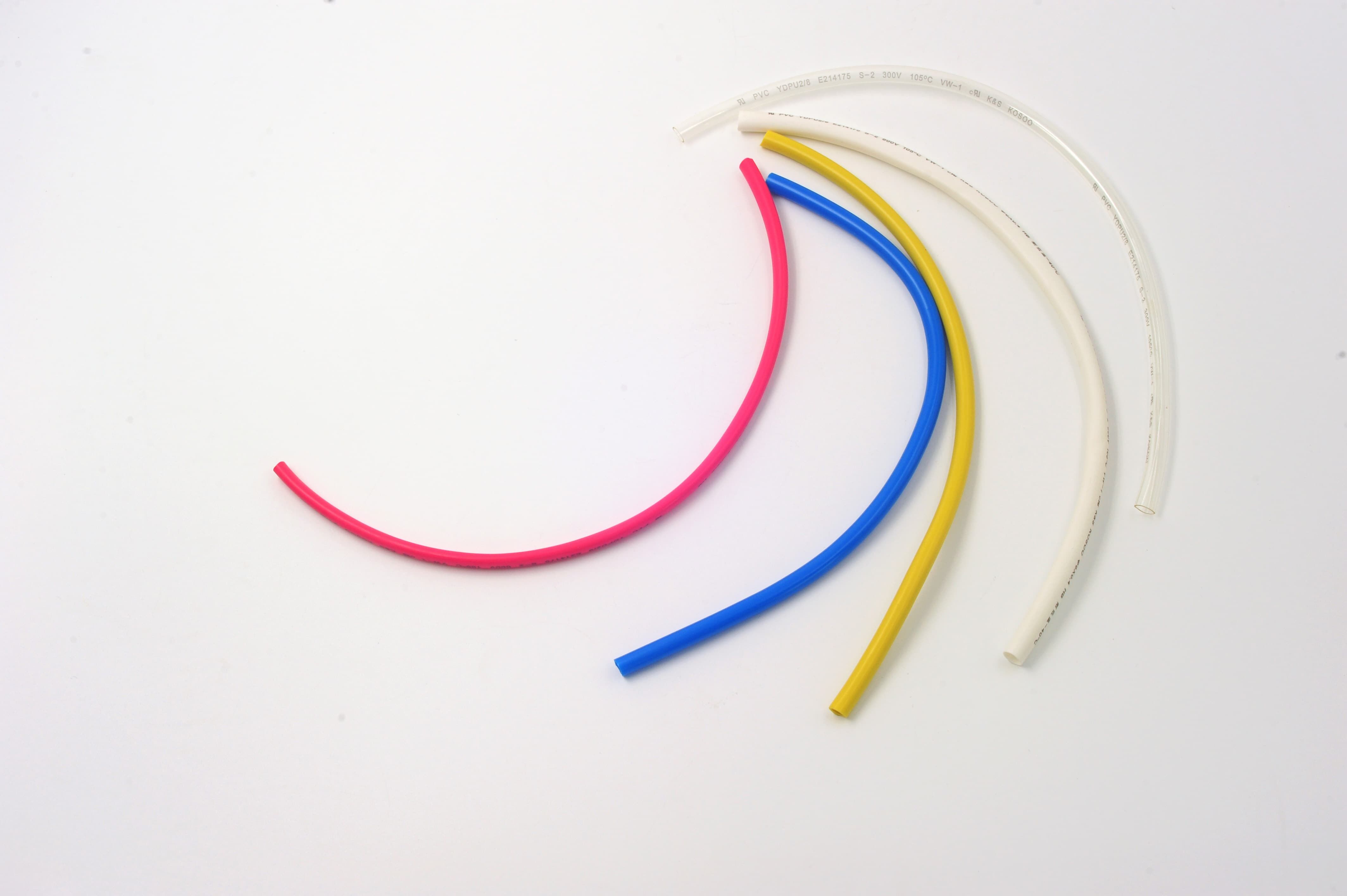
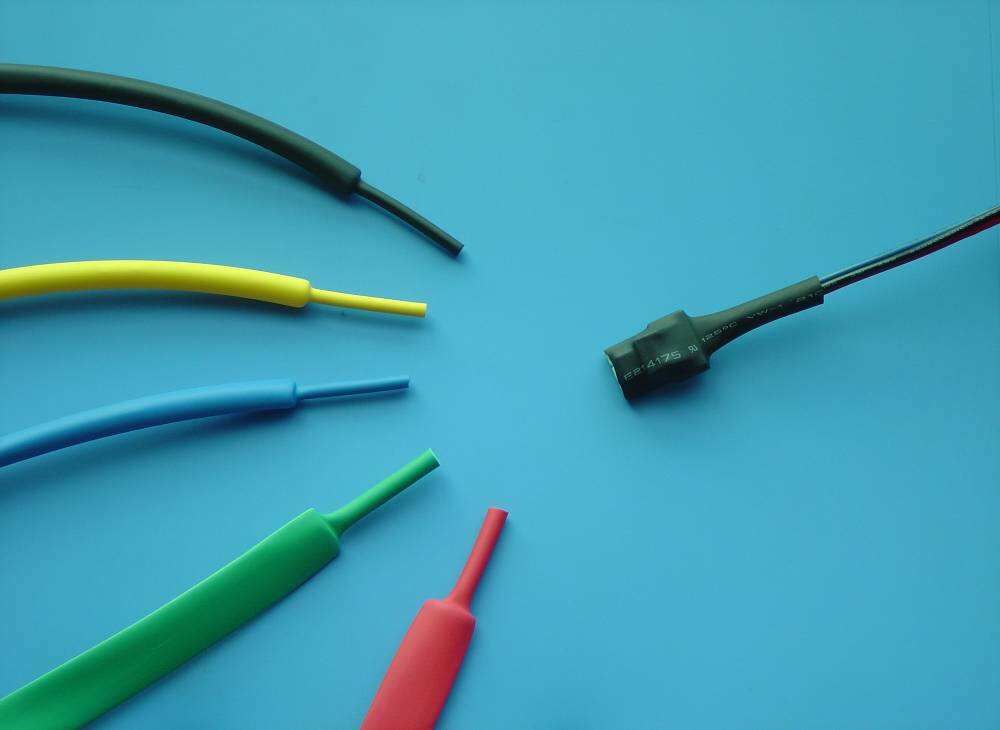
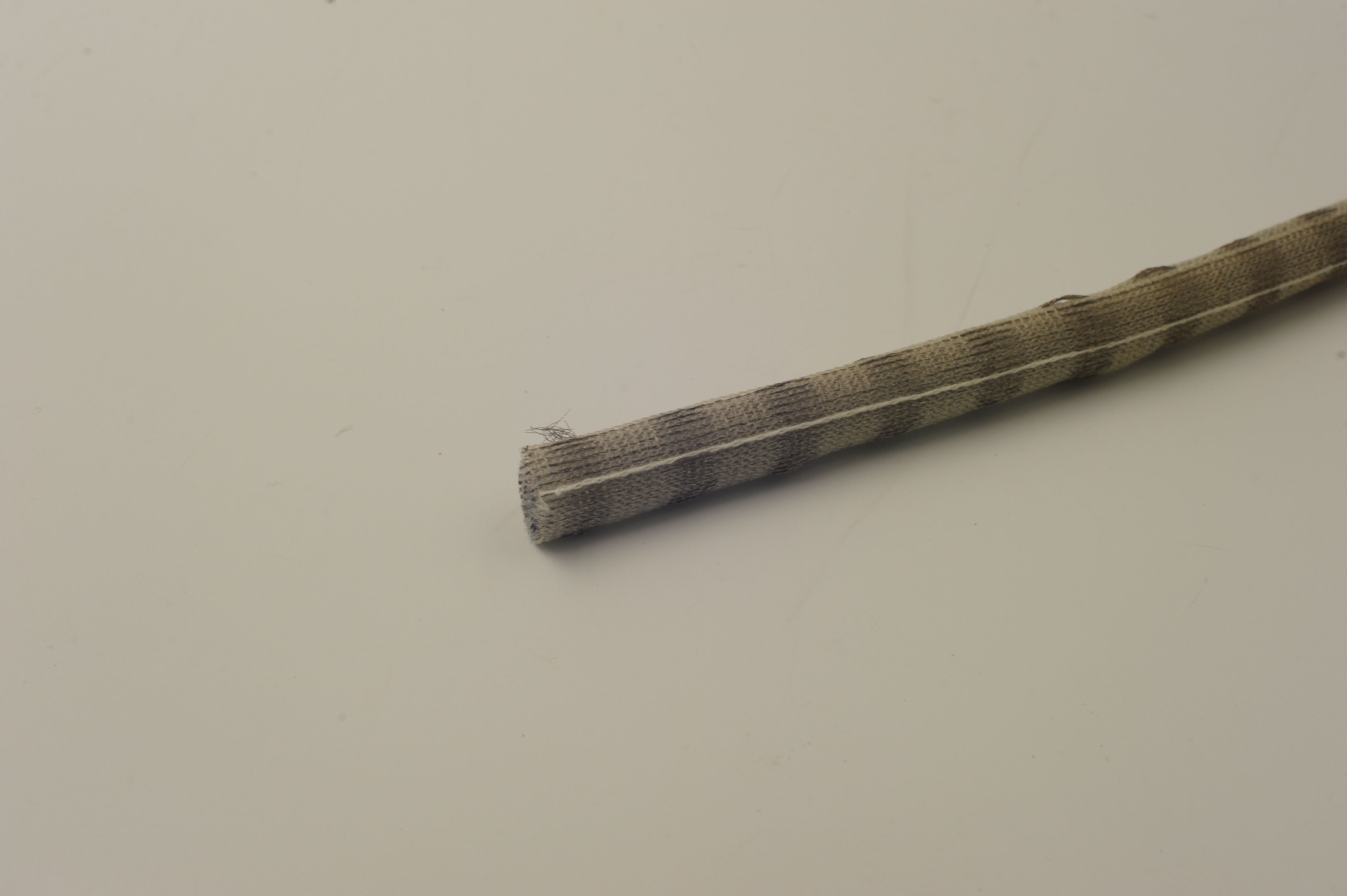
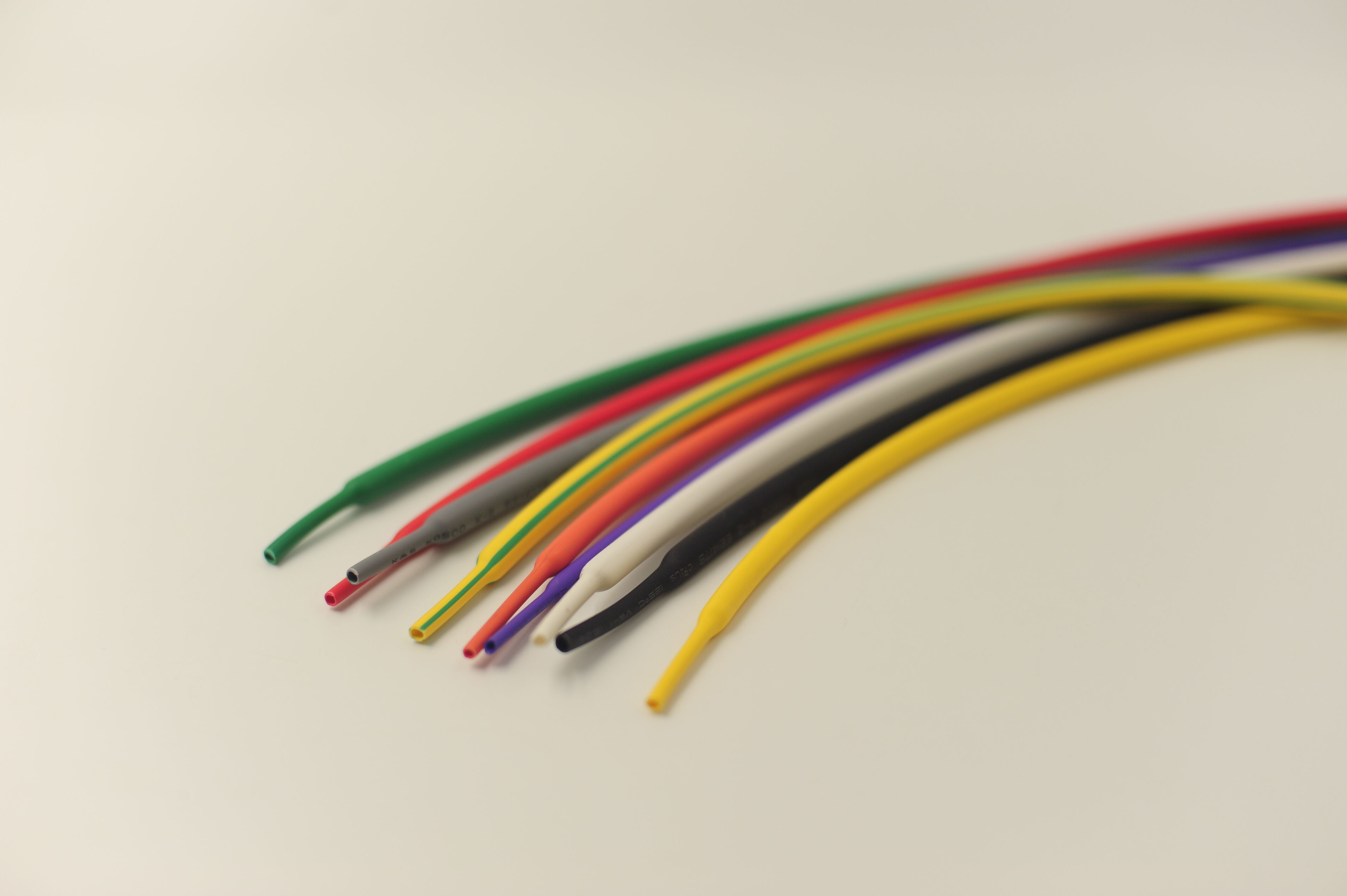
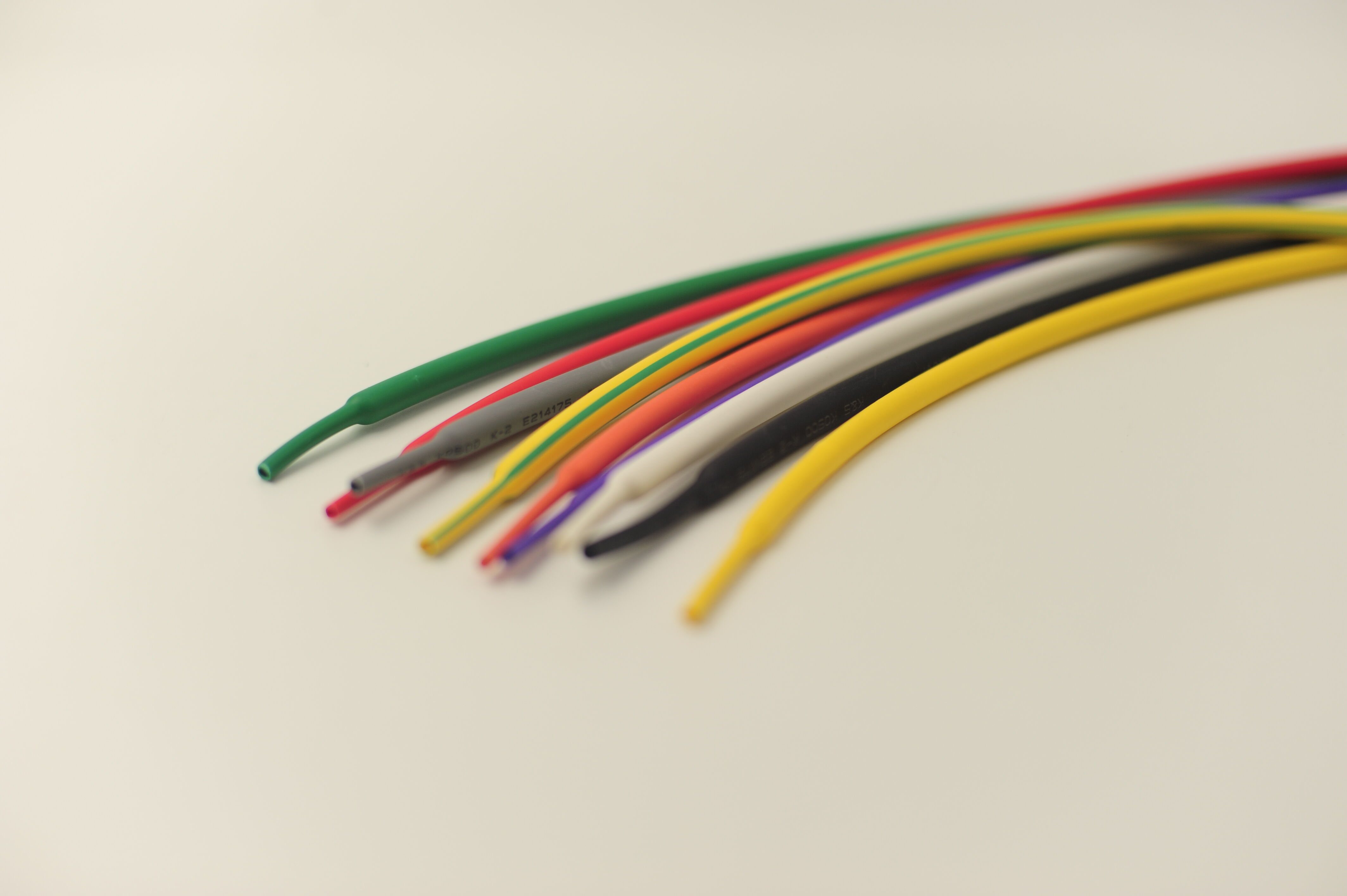
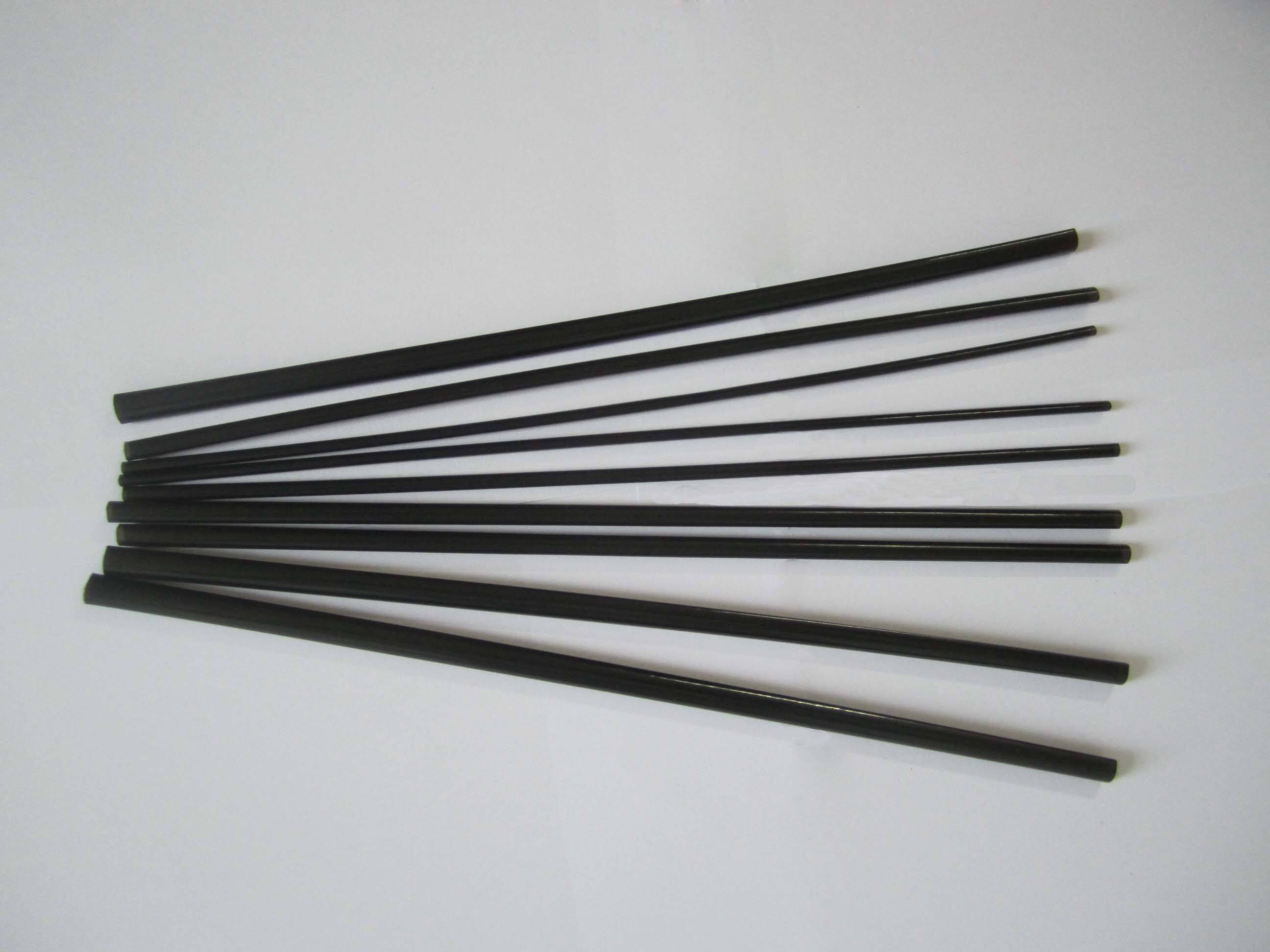
Thick heat shrink represents a specialized category of protective tubing designed to provide enhanced insulation and mechanical protection for electrical connections and components. This advanced material combines superior wall thickness with exceptional thermal properties, making it an essential solution for demanding industrial applications. The thick heat shrink technology utilizes cross-linked polyolefin materials that undergo controlled heating to contract tightly around cables, wires, and connections, creating a secure protective barrier. The primary functions of thick heat shrink include electrical insulation, moisture resistance, mechanical protection, and strain relief for critical connections. These tubes feature enhanced wall thickness compared to standard heat shrink products, typically ranging from 1.5mm to 6mm, providing robust protection against environmental hazards. The technological features of thick heat shrink encompass excellent dielectric strength, superior chemical resistance, and remarkable temperature stability across extreme operating conditions. Advanced manufacturing processes ensure consistent wall thickness and uniform shrinkage ratios, delivering reliable performance in challenging environments. The material exhibits outstanding flexibility even in low temperatures while maintaining structural integrity under mechanical stress. Thick heat shrink applications span across telecommunications, aerospace, automotive, marine, and industrial sectors where enhanced protection is paramount. These products effectively seal splice connections, protect cable terminations, and provide strain relief for critical wiring systems. The robust construction makes thick heat shrink ideal for underground installations, outdoor environments, and high-vibration applications. Installation procedures involve simple heating using standard tools, causing the material to shrink uniformly and conform to irregular shapes. This versatile protective solution offers long-term reliability, reducing maintenance requirements and ensuring consistent performance throughout extended service periods.

 EN
EN