Complete Guide: How to Choose PVC Tubing for Your Application - Selection Tips and Best Practices

Get a Free Quote

Our representative will contact you soon.
Email
Name
Company Name
Message
0/1000

how to choose pvc tubing

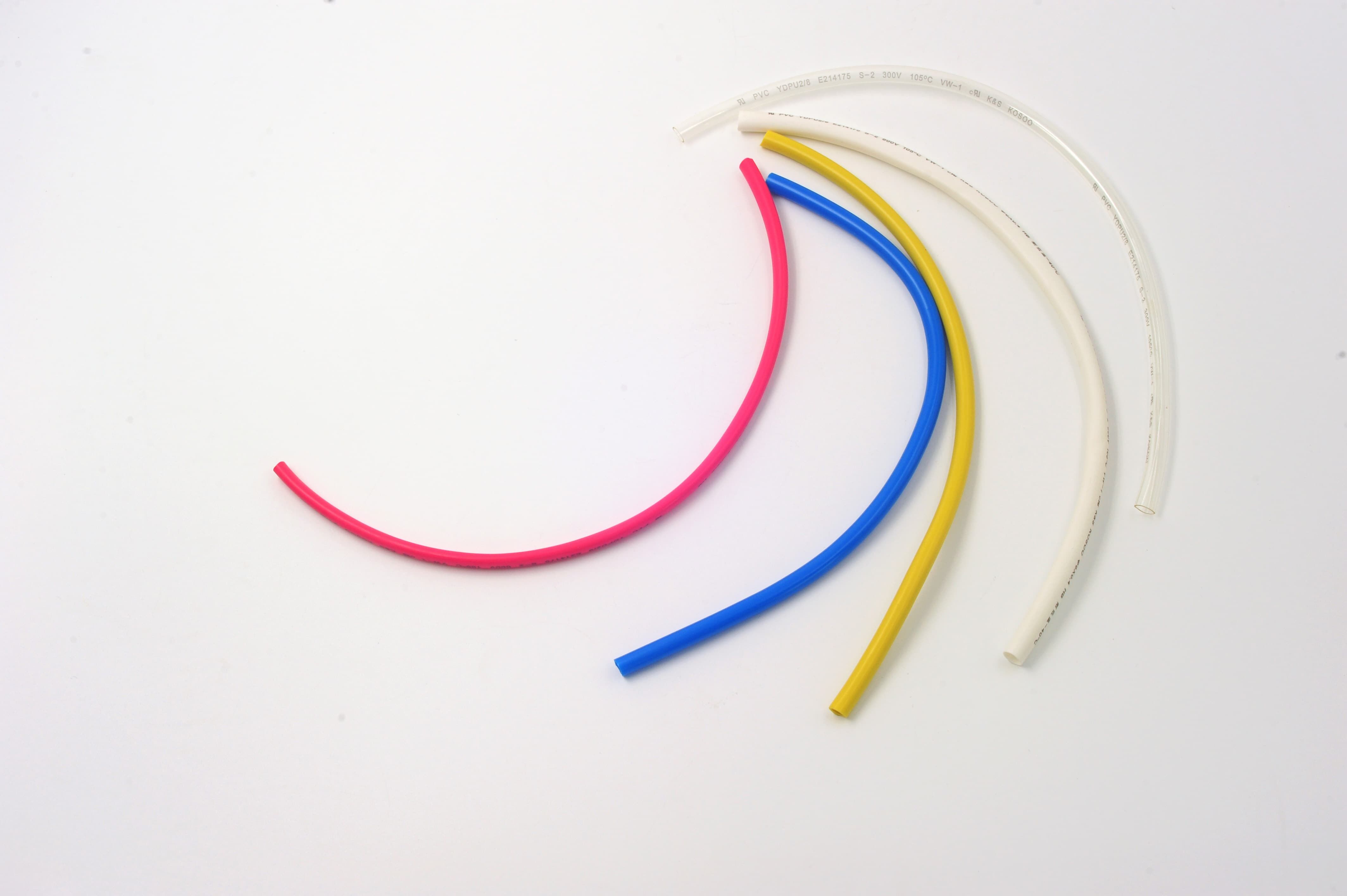
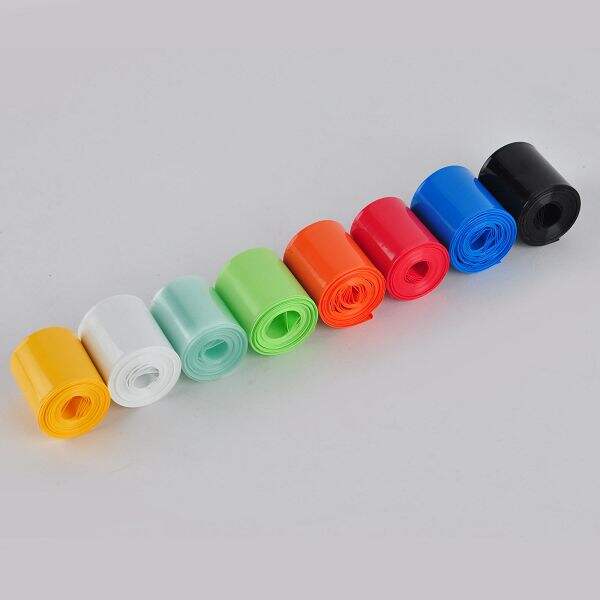
Understanding how to choose PVC tubing requires careful consideration of multiple factors that determine performance, durability, and cost-effectiveness for your specific application. PVC (Polyvinyl Chloride) tubing serves as a versatile solution across numerous industries, offering exceptional chemical resistance, flexibility, and affordability compared to other materials. The main functions of PVC tubing include fluid transportation, electrical conduit protection, pneumatic systems, and structural support applications. When learning how to choose PVC tubing, you must evaluate the operating environment, pressure requirements, temperature range, and chemical compatibility. Technological features that distinguish quality PVC tubing include wall thickness specifications, pressure ratings, temperature tolerance, and UV stabilization properties. Advanced manufacturing processes ensure consistent dimensions, smooth interior surfaces, and reliable performance under varying conditions. The material composition affects flexibility, with plasticizers added to create soft, bendable tubing or removed for rigid applications. Applications span from residential plumbing and irrigation systems to industrial chemical processing, medical equipment, and automotive components. Understanding how to choose PVC tubing involves examining diameter requirements, where internal diameter affects flow rates while external diameter determines fitting compatibility. Wall thickness directly impacts pressure handling capability and structural integrity. Color coding often indicates specific applications, with clear tubing allowing visual inspection of contents and colored variants providing UV protection or identifying different fluid types. Quality certifications ensure compliance with industry standards, while proper sizing prevents costly retrofitting. The selection process requires balancing performance requirements with budget constraints, considering both initial costs and long-term maintenance expenses. Environmental factors such as exposure to sunlight, chemicals, or extreme temperatures significantly influence material selection, making it essential to understand how to choose PVC tubing that matches your operational demands while maintaining safety and efficiency standards.


New Product Recommendations

Learning how to choose PVC tubing provides numerous practical benefits that directly impact operational efficiency and cost management. The primary advantage lies in PVC's excellent chemical resistance, protecting against acids, bases, salts, and many organic compounds without degradation. This resistance eliminates frequent replacements, reducing maintenance costs and system downtime. PVC tubing weighs significantly less than metal alternatives, simplifying installation and reducing structural support requirements. The lightweight nature also decreases shipping costs and makes handling safer for workers. Flexibility represents another key benefit, allowing easy routing around obstacles and absorbing vibrations that could damage rigid materials. When you understand how to choose PVC tubing correctly, you gain access to exceptional value proposing, as PVC costs considerably less than stainless steel, copper, or specialty plastics while delivering comparable performance in many applications. The smooth interior surface minimizes friction losses, improving flow efficiency and reducing pump energy requirements. This surface also resists scaling and buildup, maintaining performance over extended periods. PVC tubing offers excellent electrical insulation properties, making it ideal for protecting wiring and cables from moisture and mechanical damage. The material's natural clarity allows visual monitoring of fluid flow, enabling quick identification of blockages, contamination, or air bubbles. Manufacturing precision ensures consistent dimensions, guaranteeing reliable connections and eliminating leak-prone joints. Temperature stability within normal operating ranges prevents thermal expansion problems common with other materials. UV-resistant formulations extend outdoor service life, while food-grade options meet strict safety requirements for potable water and food processing applications. The material's non-toxic nature ensures safe contact with drinking water and food products. Repair and modification capabilities allow easy customization using standard tools and fittings. When properly selected through understanding how to choose PVC tubing, the material provides decades of reliable service with minimal maintenance. The recyclable nature supports environmental sustainability goals, while local availability ensures quick replacement when needed. Installation requires minimal specialized skills or tools, reducing labor costs and project timelines.

Tips And Tricks

What Makes Heat Shrinkable Tube Suitable for Industrial Automation?

01

Apr

What Makes Heat Shrinkable Tube Suitable for Industrial Automation?

Industrial automation systems demand robust protection solutions that can withstand harsh operating conditions while maintaining reliable performance over extended periods. Heat shrinkable tube technology has emerged as a critical component in these ...
View More
Why Is Heat Shrinkable Tube Used in Telecommunications Equipment?

03

Apr

Why Is Heat Shrinkable Tube Used in Telecommunications Equipment?

Telecommunications equipment operates in demanding environments where electrical connections must maintain reliability under extreme conditions. The protection of cables, wires, and connections becomes critical when equipment faces moisture, temperat...
View More
How Can Heat Shrinkable Tube Protect Cables in Outdoor Installations?

20

Apr

How Can Heat Shrinkable Tube Protect Cables in Outdoor Installations?

Outdoor cable installations face numerous environmental challenges that can compromise their integrity and performance over time. Weather exposure, UV radiation, moisture ingress, and temperature fluctuations create a hostile environment for electric...
View More
How Does Heat Shrinkable Tube Improve Electrical Safety in Industry?

30

Apr

How Does Heat Shrinkable Tube Improve Electrical Safety in Industry?

Heat shrinkable tube technology has revolutionized electrical safety protocols across industrial applications, providing a critical barrier against electrical hazards that can cause equipment failure, workplace accidents, and costly downtime. When ex...
View More

Get a Free Quote

Our representative will contact you soon.
Email
Name
Company Name
Message
0/1000

how to choose pvc tubing

Chemical Resistance and Durability Excellence

Chemical Resistance and Durability Excellence

The chemical resistance properties of PVC tubing represent one of its most significant advantages, making understanding how to choose PVC tubing crucial for applications involving aggressive chemicals or challenging environments. PVC demonstrates exceptional resistance to acids, including hydrochloric, sulfuric, and nitric acids at various concentrations, making it invaluable for chemical processing industries. This resistance extends to alkaline solutions, salt solutions, and many organic solvents, providing versatility across diverse applications. The molecular structure of PVC creates inherent stability against chemical attack, preventing degradation that leads to system failures and costly repairs. When you master how to choose PVC tubing based on chemical compatibility, you ensure long-term system reliability and safety. The material's resistance to corrosion eliminates the pitting, scaling, and metal ion contamination associated with metallic alternatives. This property proves particularly valuable in pharmaceutical and food processing applications where product purity is paramount. UV-stabilized formulations extend this durability to outdoor applications, resisting degradation from sunlight exposure that affects many plastics. The chemical inertness prevents leaching of harmful substances into transported fluids, maintaining product quality and meeting regulatory requirements. Stress-crack resistance ensures reliability under pressure cycling and thermal variations, preventing unexpected failures that could compromise operations. The material maintains its properties across wide temperature ranges, from near-freezing to elevated temperatures, providing consistent performance in varying environmental conditions. Understanding how to choose PVC tubing with appropriate chemical resistance involves evaluating specific chemicals, concentrations, temperatures, and contact duration. Compatibility charts and testing data guide proper selection, while certification standards ensure regulatory compliance. The durability extends beyond chemical resistance to include mechanical properties, with properly selected PVC tubing withstanding years of pressure cycling, vibration, and mechanical stress. This comprehensive resistance profile translates to reduced replacement frequency, lower maintenance costs, and improved system uptime, making chemical resistance a primary consideration in the selection process.
Cost-Effectiveness and Installation Efficiency

Cost-Effectiveness and Installation Efficiency

The cost-effectiveness of PVC tubing extends far beyond initial purchase price, encompassing installation savings, maintenance reductions, and long-term operational benefits that make learning how to choose PVC tubing essential for budget-conscious projects. Initial material costs typically run 60-80% less than comparable metal tubing, providing immediate budget relief for large installations. The lightweight nature dramatically reduces shipping costs, especially for long-distance transportation, while simplified handling decreases labor requirements during installation. Standard cutting tools and joining methods eliminate the need for specialized welding or threading equipment, reducing both tool costs and skilled labor requirements. When you understand how to choose PVC tubing appropriately, you optimize both performance and economics. The smooth interior surface minimizes friction losses, reducing pumping costs and energy consumption over the system's lifetime. This efficiency becomes particularly valuable in large-scale operations where energy costs significantly impact profitability. Maintenance costs remain minimal due to PVC's resistance to corrosion, scaling, and chemical attack, eliminating regular cleaning or replacement schedules required by other materials. The material's stability prevents gradual degradation that necessitates proactive replacement, allowing operation until actual failure occurs. Installation efficiency benefits from PVC's flexibility, allowing routing around obstacles without multiple fittings and joints that increase both material costs and potential failure points. Pre-fabrication capabilities enable shop assembly under controlled conditions, reducing field installation time and weather-related delays. The availability of standardized fittings and joining methods ensures compatibility and reduces inventory requirements. Understanding how to choose PVC tubing includes evaluating total cost of ownership, considering factors like expected lifespan, maintenance requirements, energy efficiency, and replacement costs. Local availability of materials and service support further enhances cost-effectiveness by reducing procurement delays and emergency repair costs. The material's recyclability provides environmental benefits while potentially offering end-of-life value recovery. Training requirements for installation and maintenance remain minimal, reducing ongoing personnel costs and enabling rapid deployment of skilled technicians.
Versatility and Application Flexibility

Versatility and Application Flexibility

The remarkable versatility of PVC tubing across countless applications makes understanding how to choose PVC tubing fundamental for engineers, contractors, and facility managers seeking adaptable solutions. This versatility stems from the material's unique combination of properties that serve multiple functions simultaneously, from fluid transport to electrical protection and structural support. Food-grade formulations meet strict FDA requirements for potable water and food processing applications, while medical-grade versions satisfy USP Class VI standards for pharmaceutical and healthcare uses. Industrial applications benefit from PVC's chemical resistance and pressure capabilities, handling everything from mild acids to aggressive cleaning solutions. When you comprehend how to choose PVC tubing correctly, you unlock solutions for pneumatic systems, hydraulic applications, and vacuum lines across manufacturing environments. The material's electrical insulation properties make it ideal for protecting sensitive wiring and cables in harsh environments, preventing moisture ingress and mechanical damage. Flexibility allows conforming to complex routing requirements without compromising performance, while rigidity provides structural support when needed. Temperature ranges accommodate applications from refrigeration systems to moderate heating applications, providing consistent performance across thermal variations. UV-resistant formulations enable outdoor installations without degradation concerns, supporting irrigation, pool systems, and industrial outdoor processes. The clear nature of natural PVC allows visual monitoring of fluid flow, enabling immediate detection of contamination, air bubbles, or blockages that could compromise system performance. Understanding how to choose PVC tubing involves matching specific properties to application requirements, considering factors like pressure ratings, temperature exposure, chemical contact, and environmental conditions. Color-coding options facilitate system identification and maintenance, while specialized formulations address unique requirements like antistatic properties or enhanced flexibility. The material's compatibility with standard fittings and joining methods ensures integration with existing systems and future modifications. This adaptability extends to sizing options, with diameters ranging from small instrument tubing to large-diameter process lines. Manufacturing capabilities enable custom configurations, including reinforced versions for high-pressure applications or thin-wall designs for weight-sensitive installations. The combination of properties, processing flexibility, and broad compatibility makes PVC tubing suitable for applications ranging from simple residential repairs to complex industrial installations, providing reliable performance across diverse operational environments.

Get a Free Quote

Our representative will contact you soon.
Email
Name
Company Name
Message
0/1000