heat shrink cable wrap
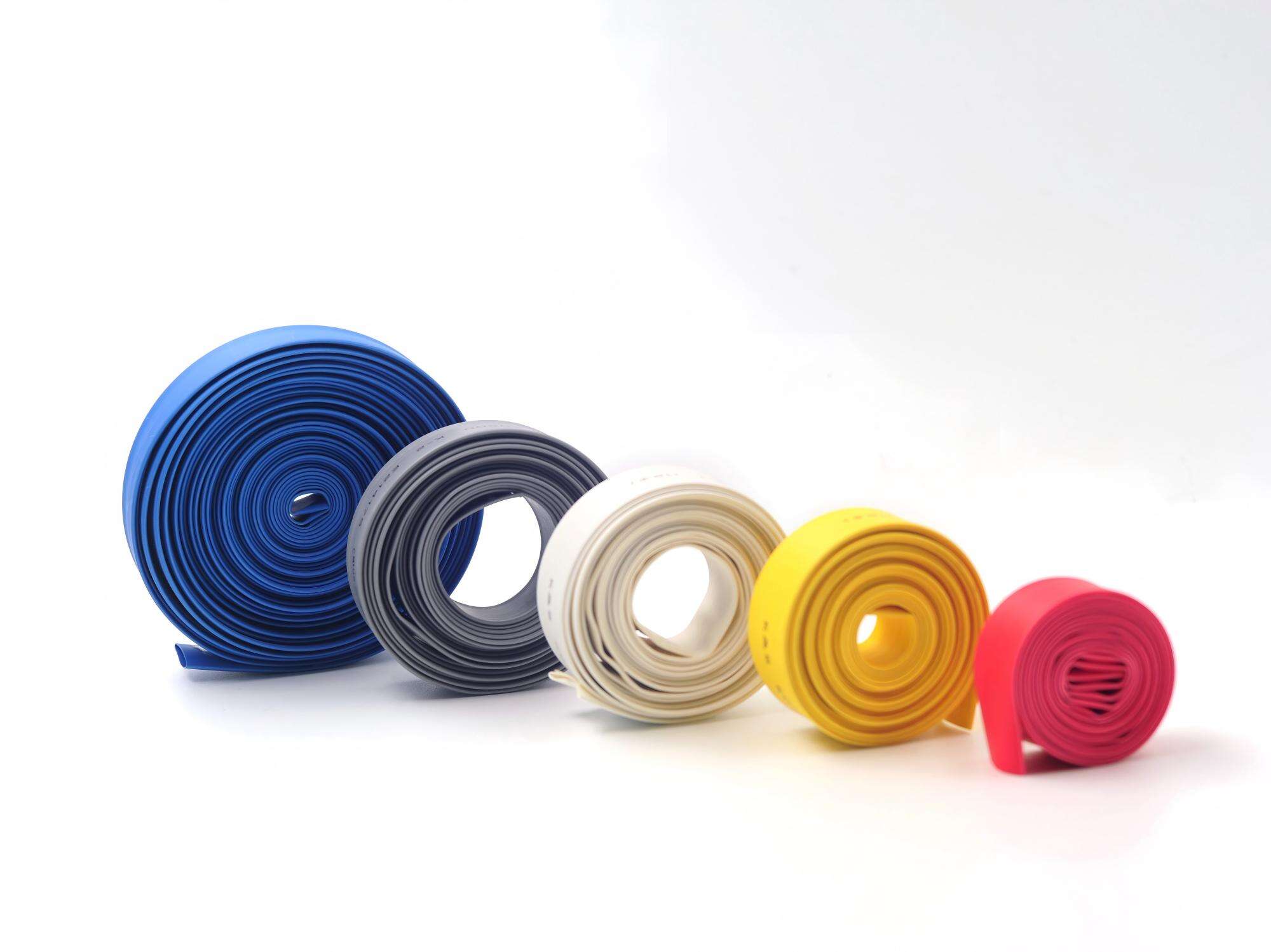
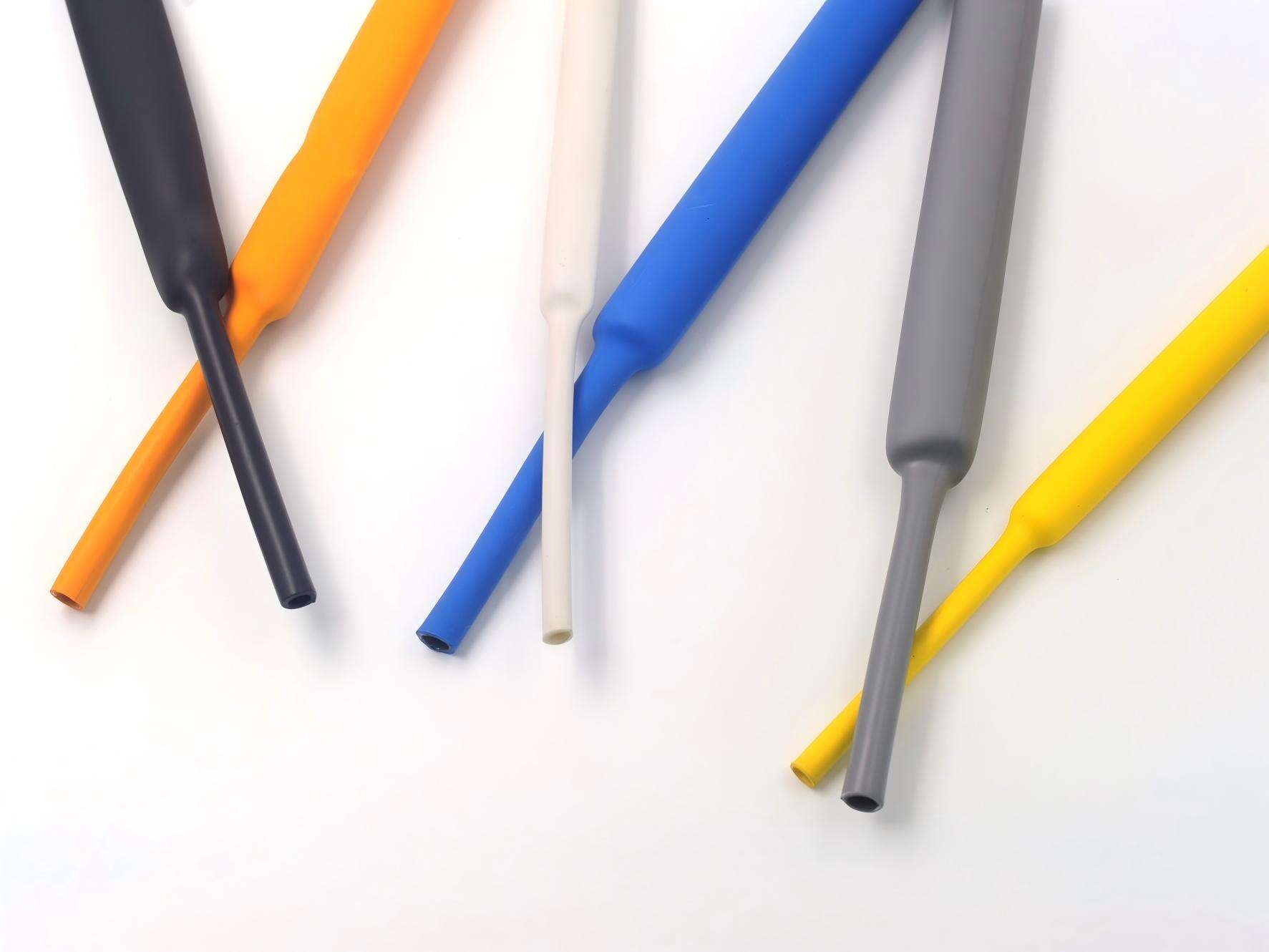
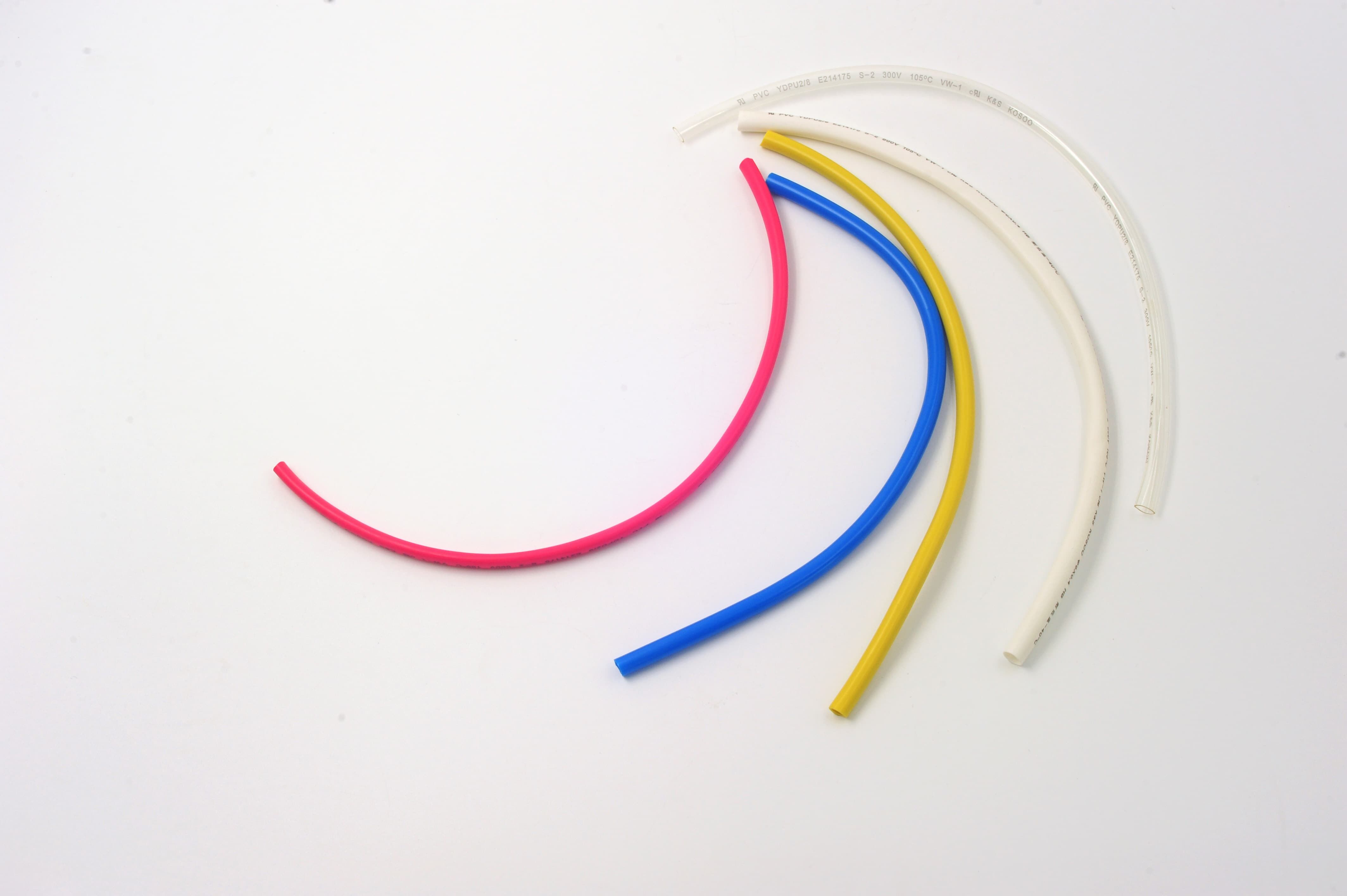
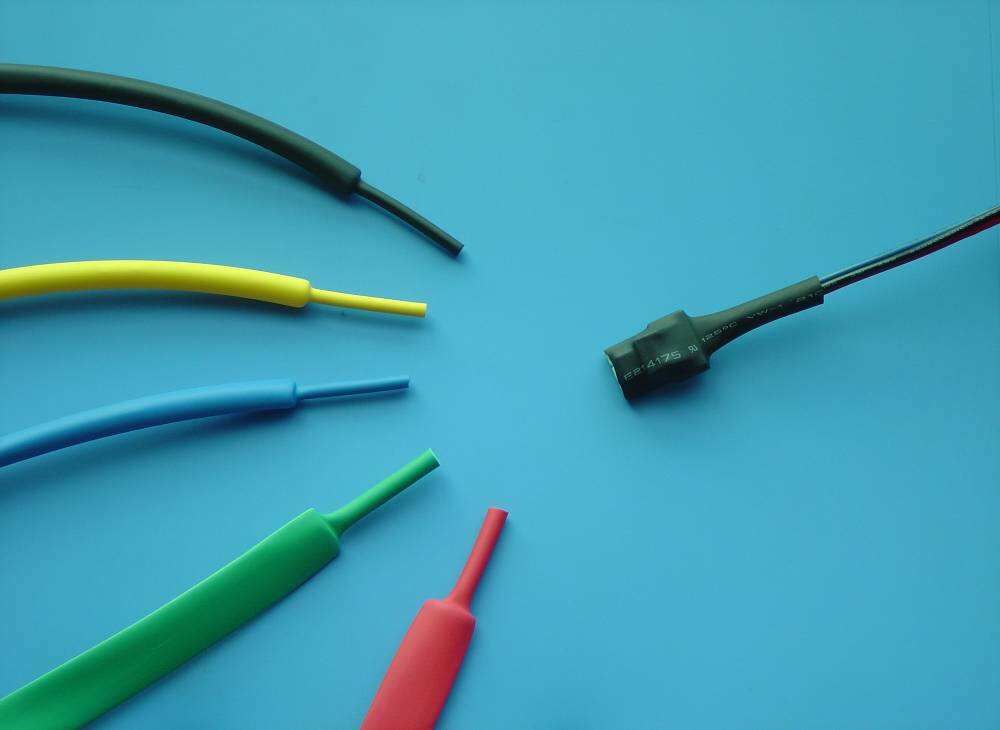
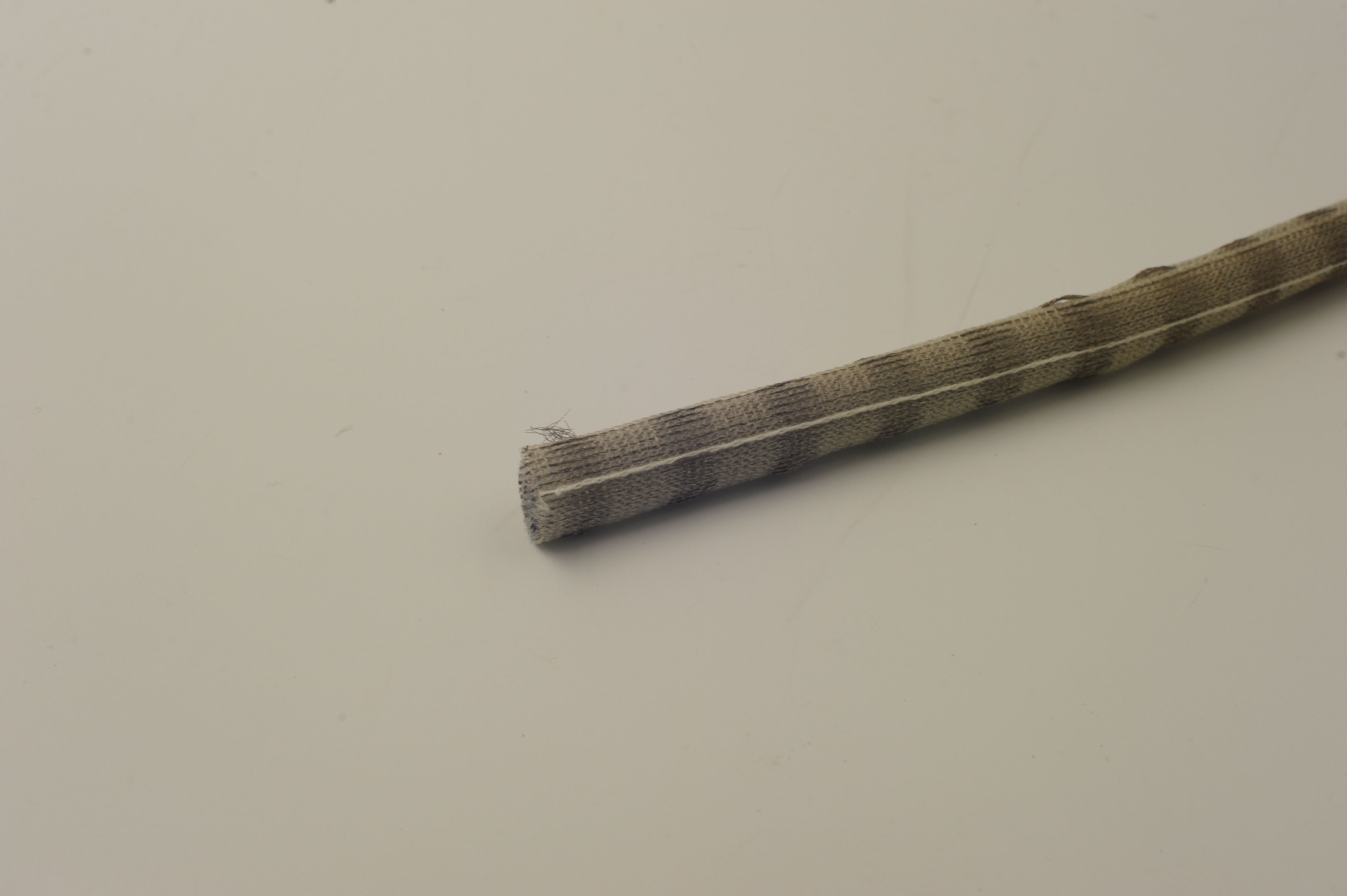
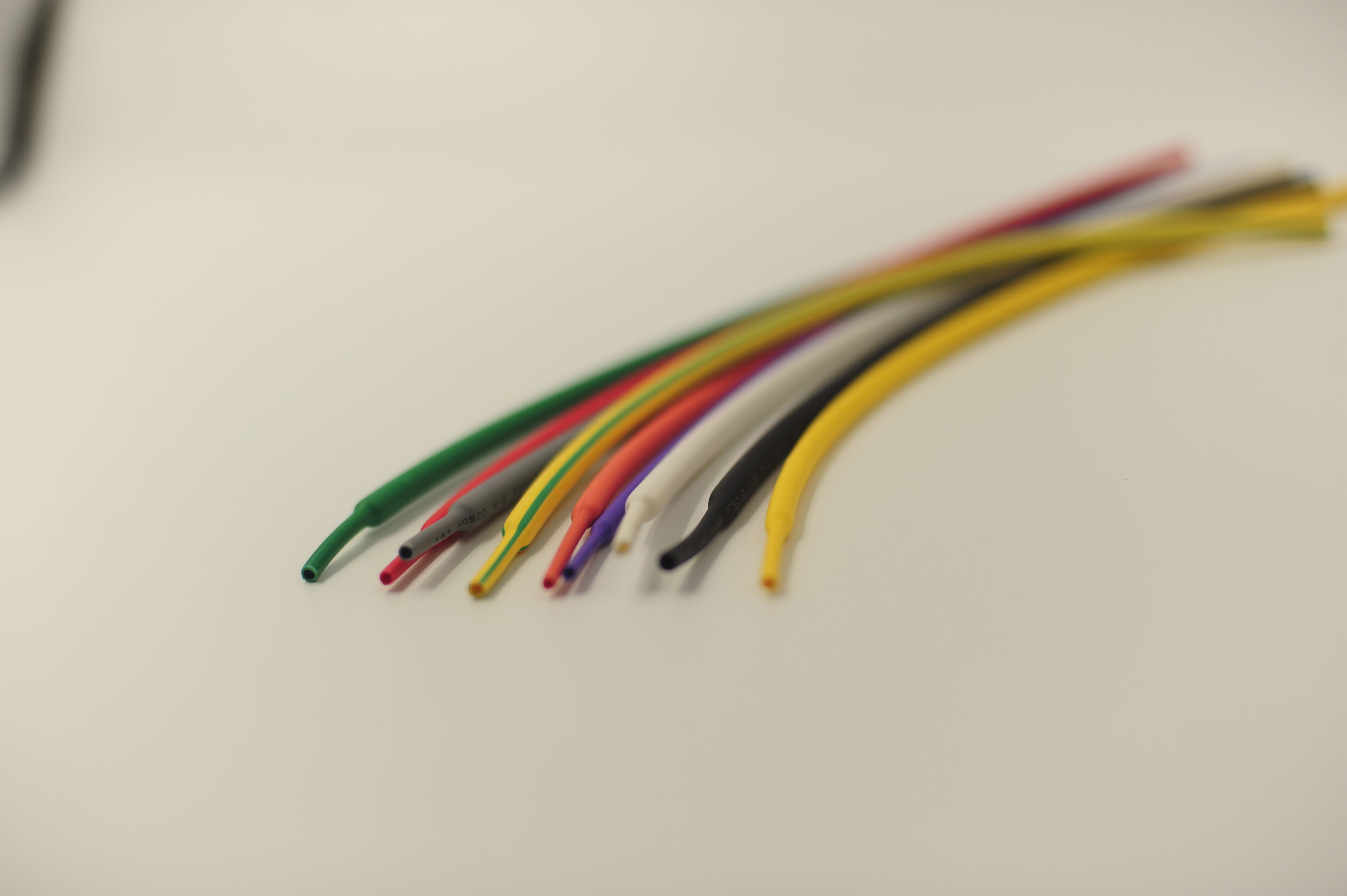
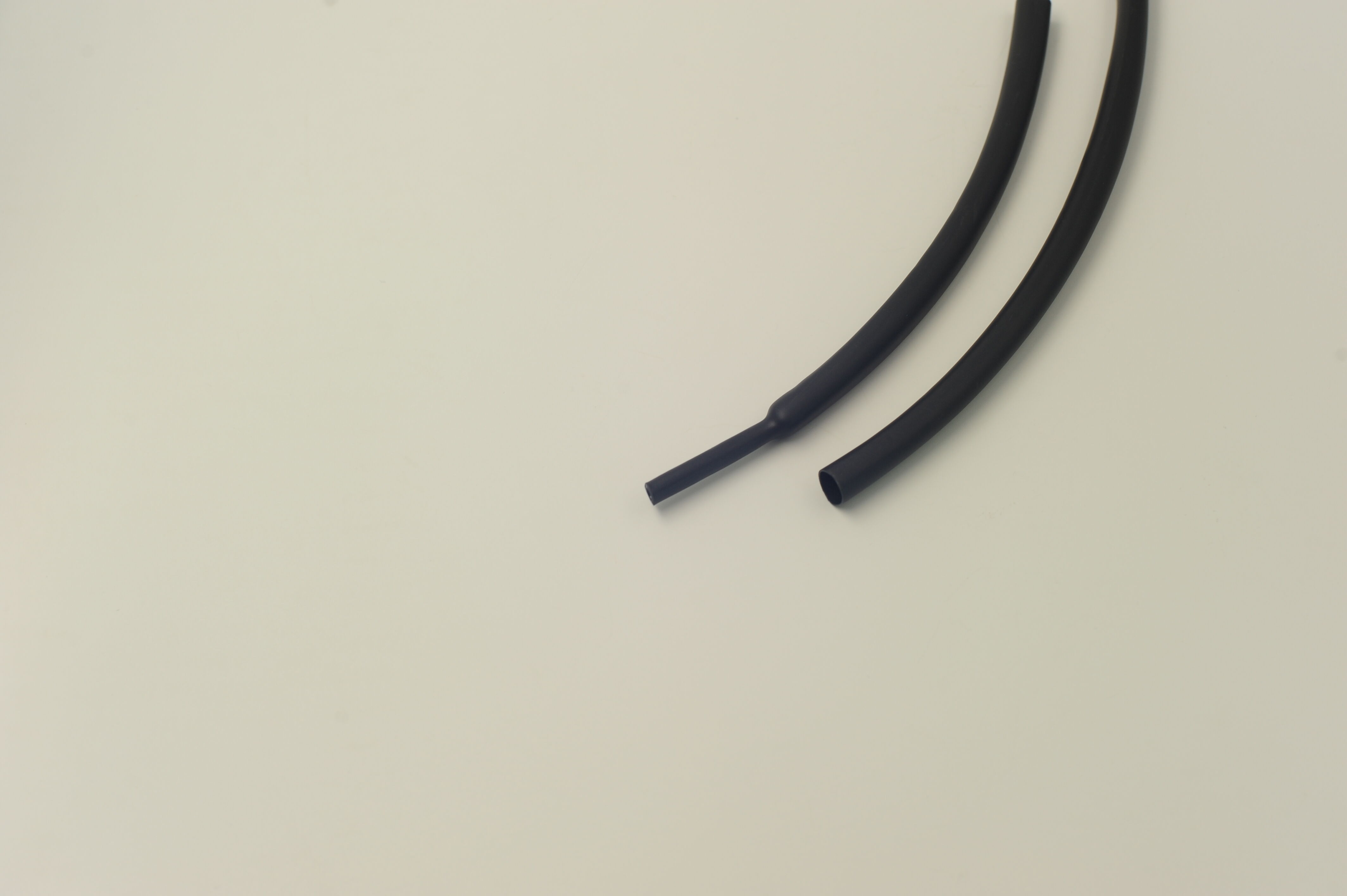
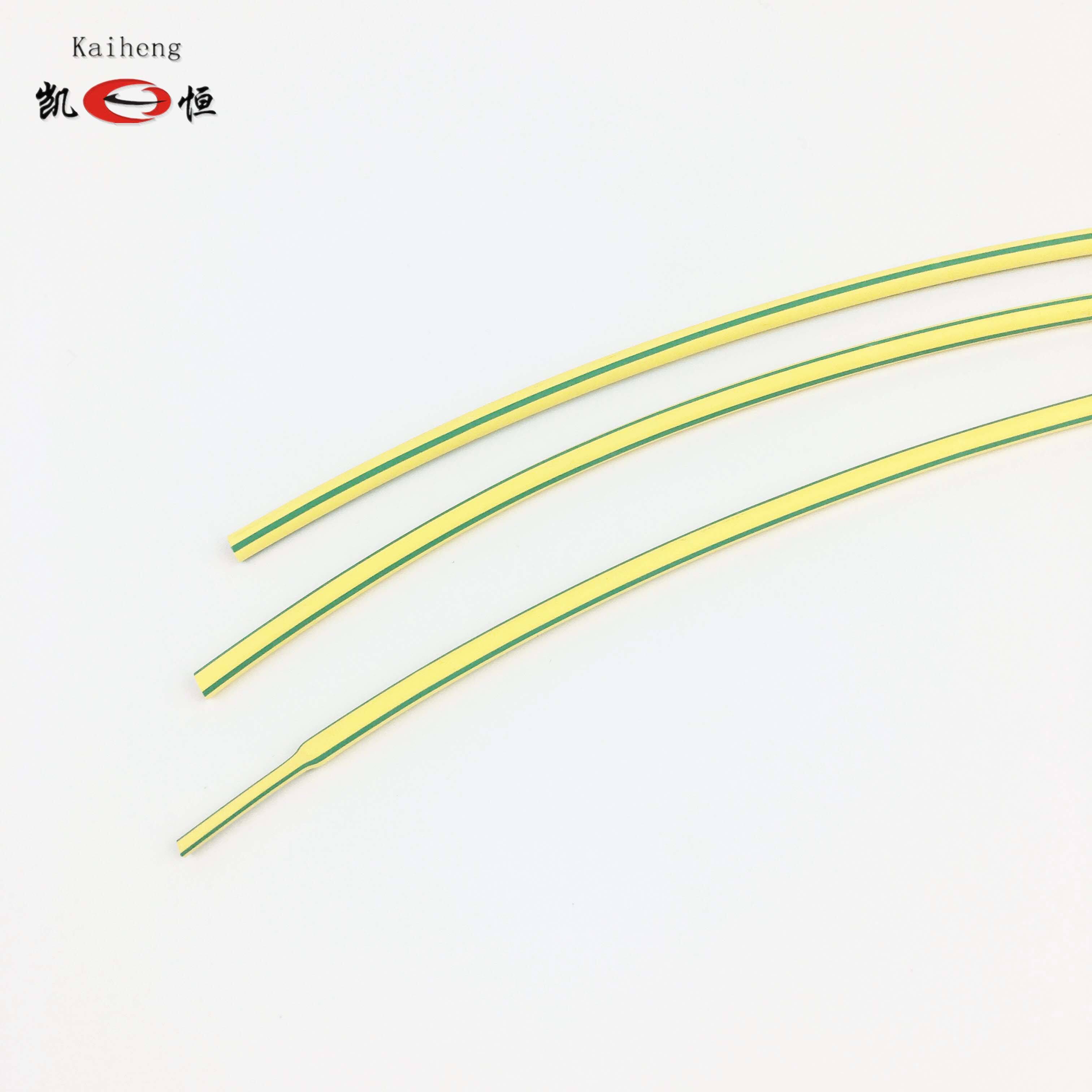
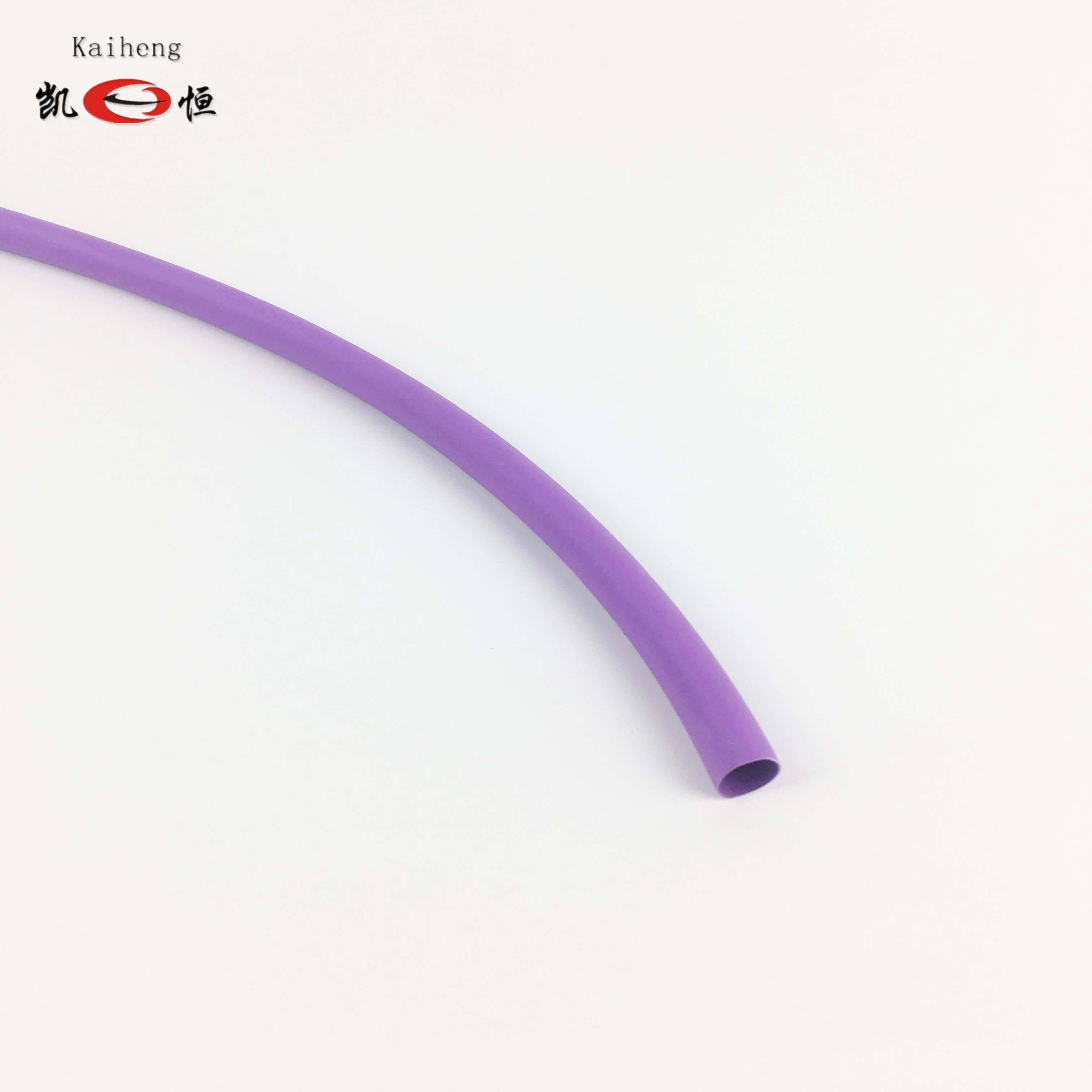
Heat shrink cable wrap represents a revolutionary solution in electrical cable management and protection systems. This specialized tubing material contracts when heated, creating a tight, protective seal around cables, wires, and connections. The fundamental principle behind heat shrink cable wrap involves polymer memory technology, where the material expands during manufacturing and returns to its original smaller diameter when heat is applied. This process ensures a secure, weatherproof barrier that safeguards electrical components from environmental hazards and mechanical damage. Heat shrink cable wrap typically consists of cross-linked polyethylene or polyolefin materials that offer excellent chemical resistance, flexibility, and durability. The shrinkage ratio commonly ranges from 2:1 to 4:1, meaning the expanded diameter reduces significantly during the heating process. Temperature activation usually occurs between 120°C to 200°C, depending on the specific material composition. The technological advancement of heat shrink cable wrap includes flame-retardant properties, UV resistance, and moisture protection capabilities. Modern variants incorporate adhesive linings that create hermetic seals, preventing water ingress and corrosion in critical applications. Industrial-grade heat shrink cable wrap maintains performance across extreme temperature ranges, from -55°C to 135°C in continuous operation. The versatility of heat shrink cable wrap extends across multiple industries including automotive, aerospace, telecommunications, marine, and renewable energy sectors. Installation requires standard heat guns or specialized shrinking equipment, making the application process straightforward for professionals and DIY enthusiasts alike. Quality heat shrink cable wrap meets international standards such as UL, CSA, and military specifications, ensuring reliable performance in demanding environments. The color-coding options available in heat shrink cable wrap facilitate easy identification and organization of electrical systems, improving maintenance efficiency and safety protocols.

 EN
EN