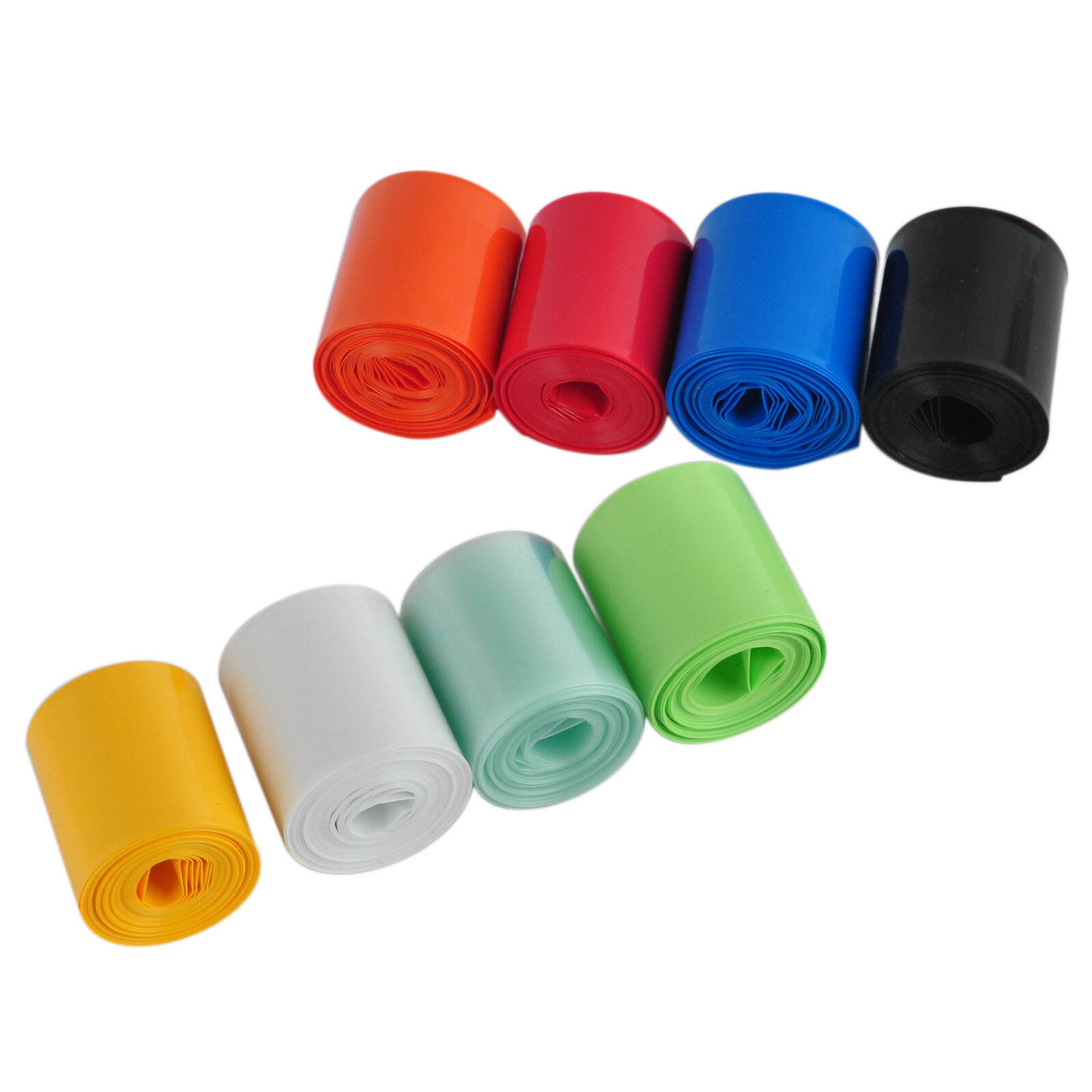
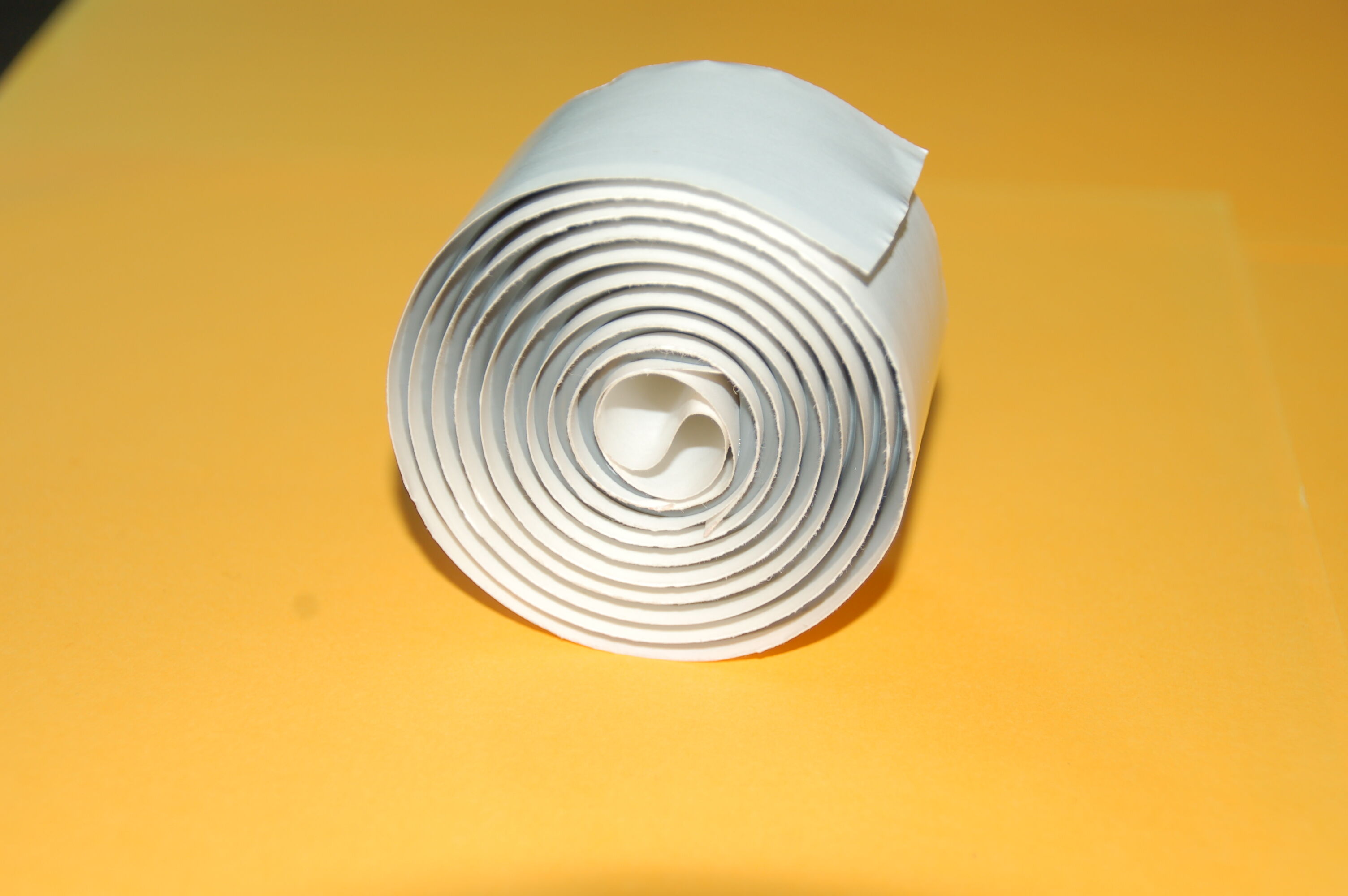
heat shrink tubing
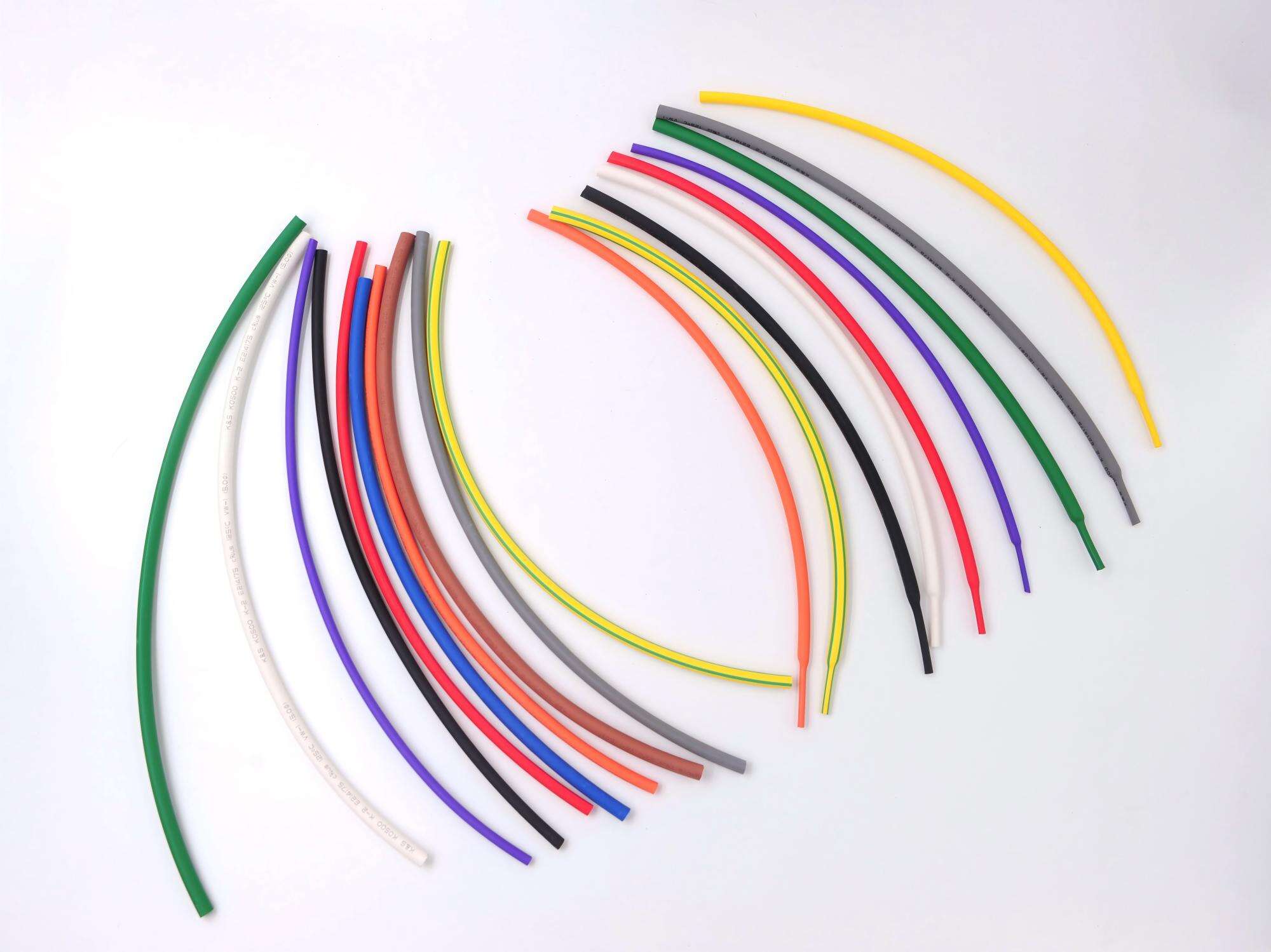
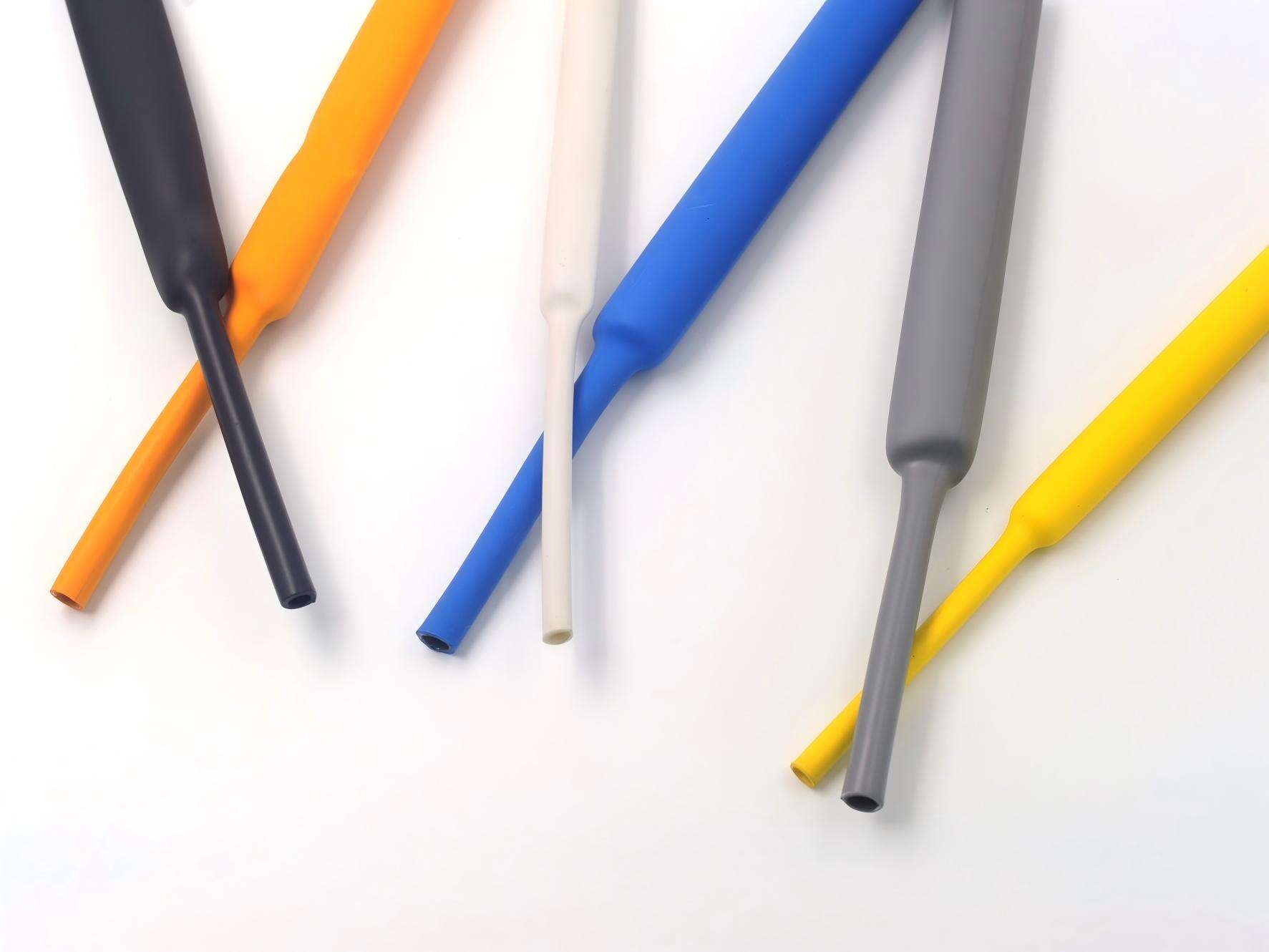
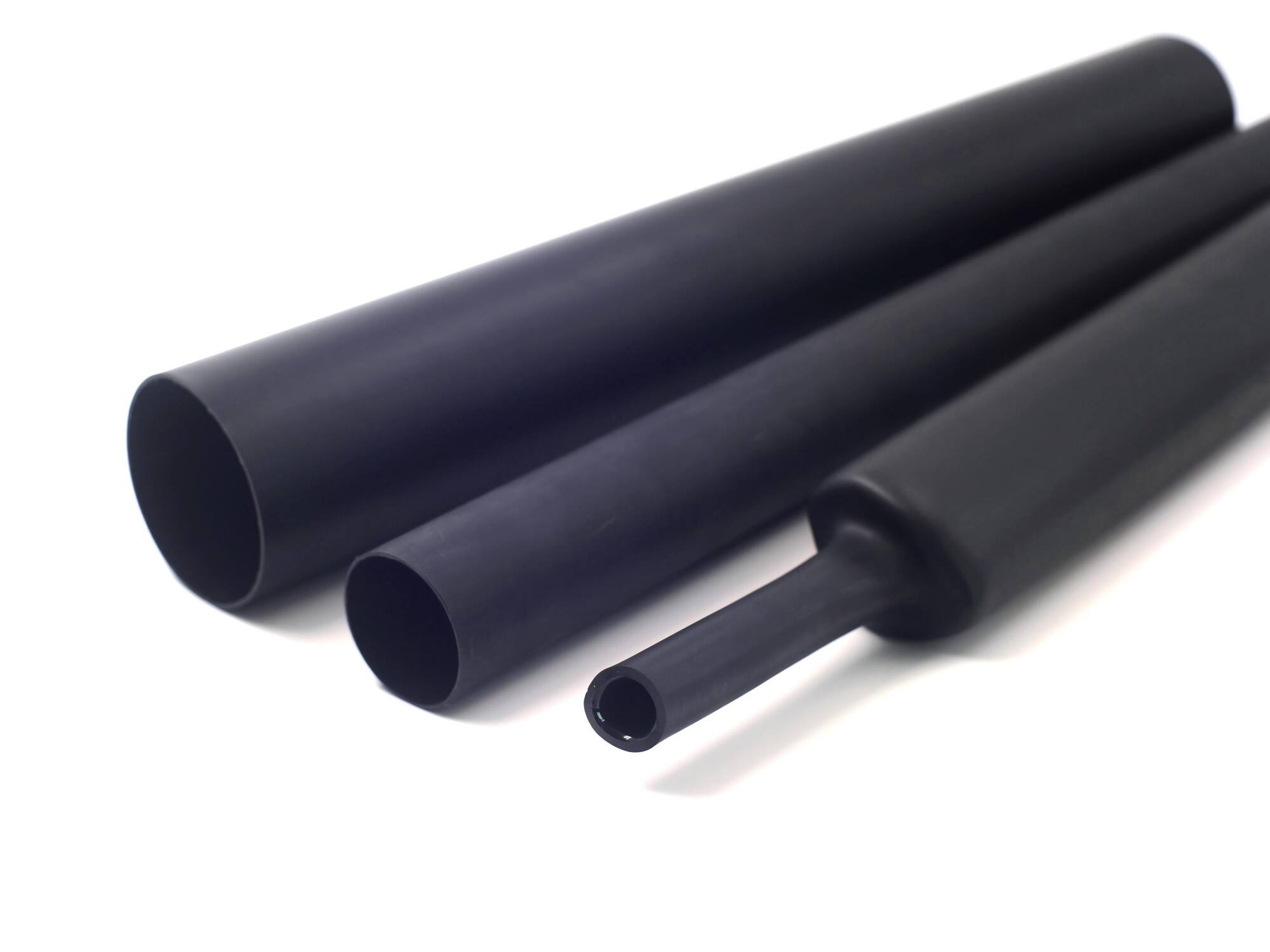
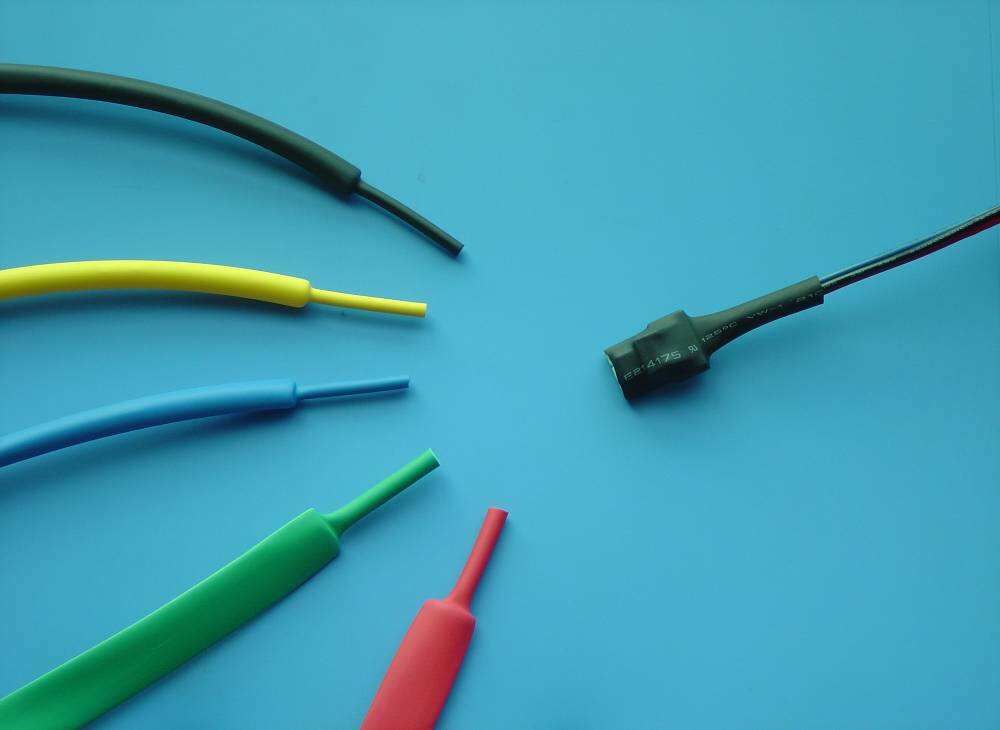
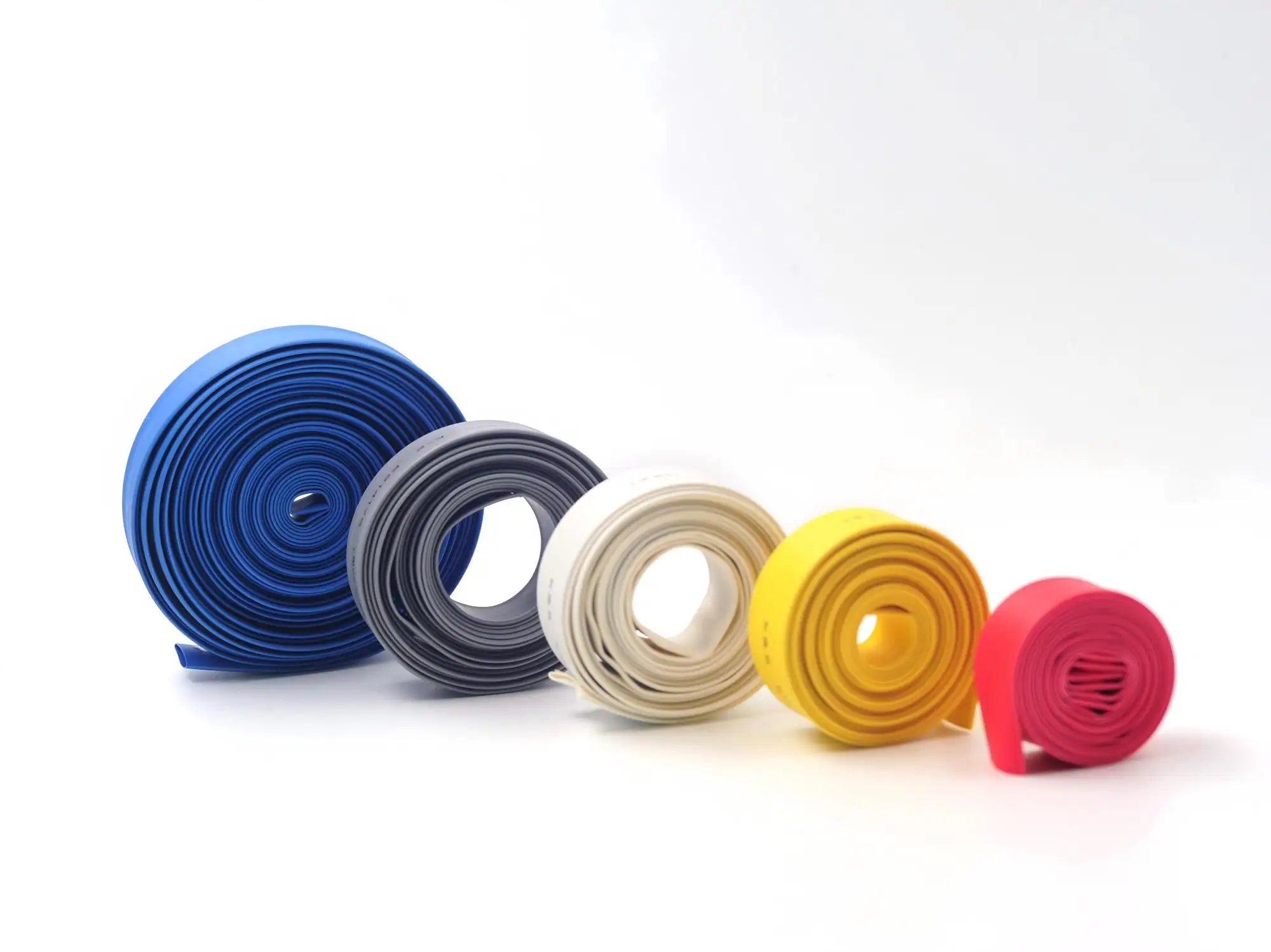
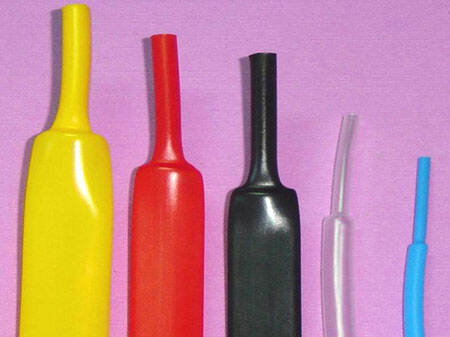
Heat shrink tubing represents a revolutionary solution in electrical insulation and protection technology, offering unparalleled versatility for countless industrial and consumer applications. This specialized polymer-based tubing transforms from a larger diameter to a smaller, tight-fitting sleeve when exposed to controlled heat, creating secure connections and robust protection for wires, cables, and components. The fundamental principle behind heat shrink tubing involves thermoplastic materials that contract uniformly when heated, typically using heat guns, ovens, or other controlled heat sources. Modern heat shrink tubing incorporates advanced polymer chemistry, featuring materials like polyolefin, PVC, fluoropolymers, and specialty elastomers that provide exceptional performance characteristics. The technological features of heat shrink tubing include precise shrinkage ratios, typically ranging from 2:1 to 6:1, allowing accommodation of various component sizes within a single tube diameter. Temperature resistance varies significantly across different formulations, with standard grades handling temperatures from -55°C to +135°C, while specialized versions withstand extreme conditions up to +200°C or higher. The tubing exhibits excellent dielectric strength, moisture resistance, and chemical compatibility, making it suitable for harsh environmental conditions. Manufacturing processes ensure consistent wall thickness, uniform shrinkage characteristics, and reliable mechanical properties. Applications span numerous industries, including automotive wiring harnesses, aerospace cable assemblies, telecommunications infrastructure, marine electronics, industrial machinery, and consumer electronics repair. The tubing provides strain relief for cable connections, environmental sealing against moisture and contaminants, electrical insulation for safety compliance, and mechanical protection against abrasion and impact. Advanced formulations include adhesive-lined versions that create waterproof seals, dual-wall constructions combining different materials for enhanced performance, and specialized grades offering flame retardancy, low-smoke emission, or chemical resistance for specific regulatory requirements and safety standards.

 EN
EN