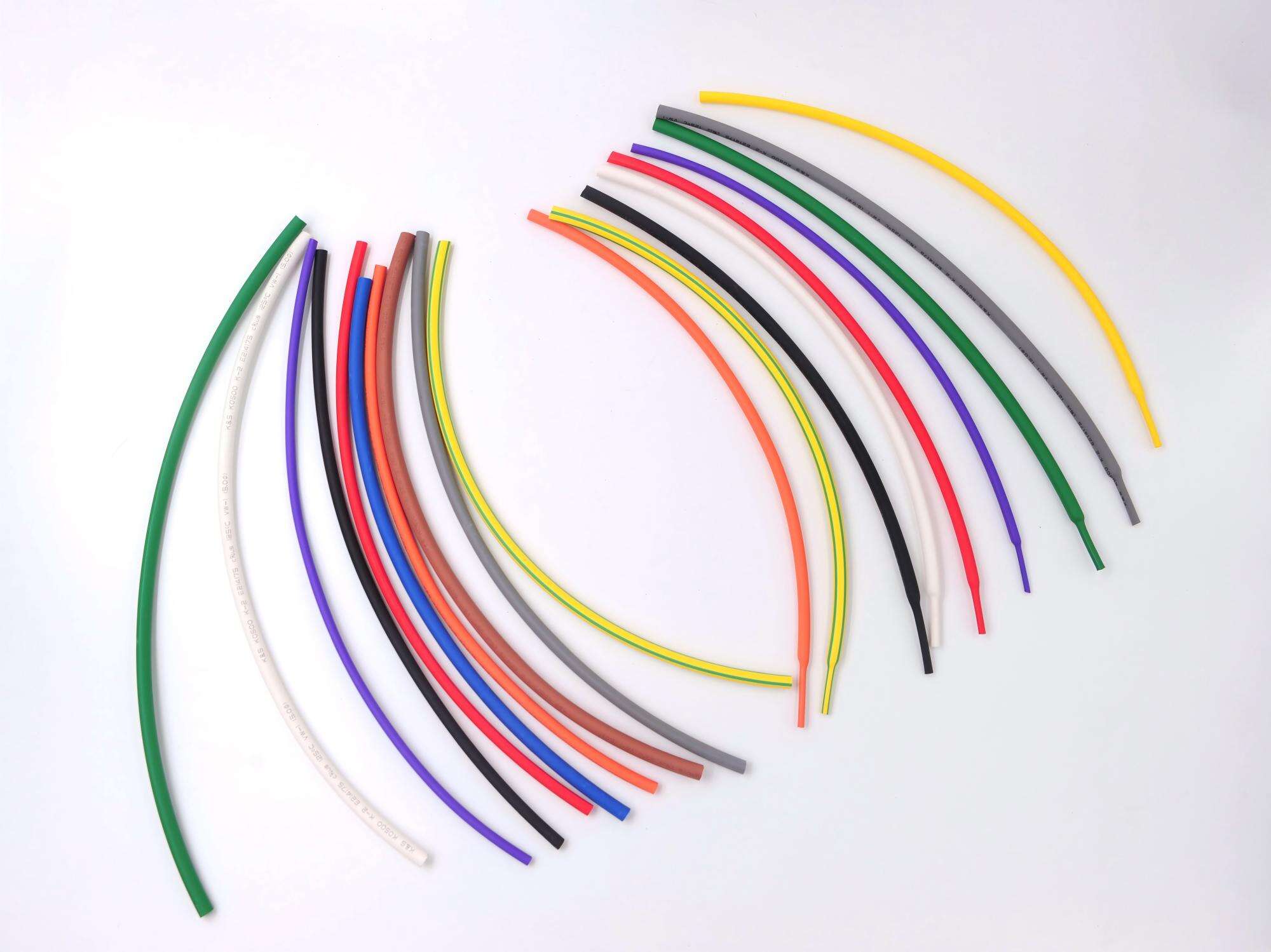
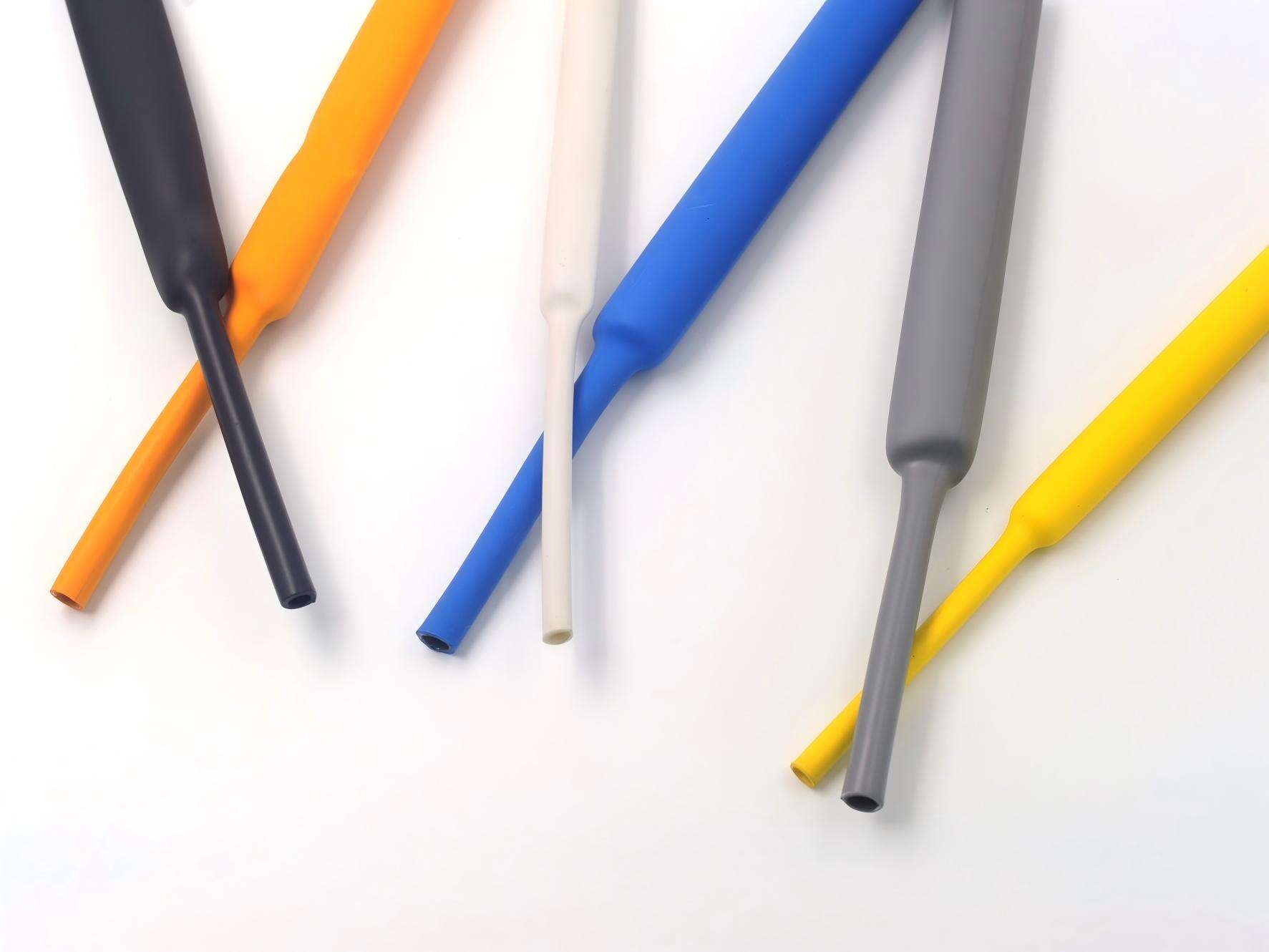
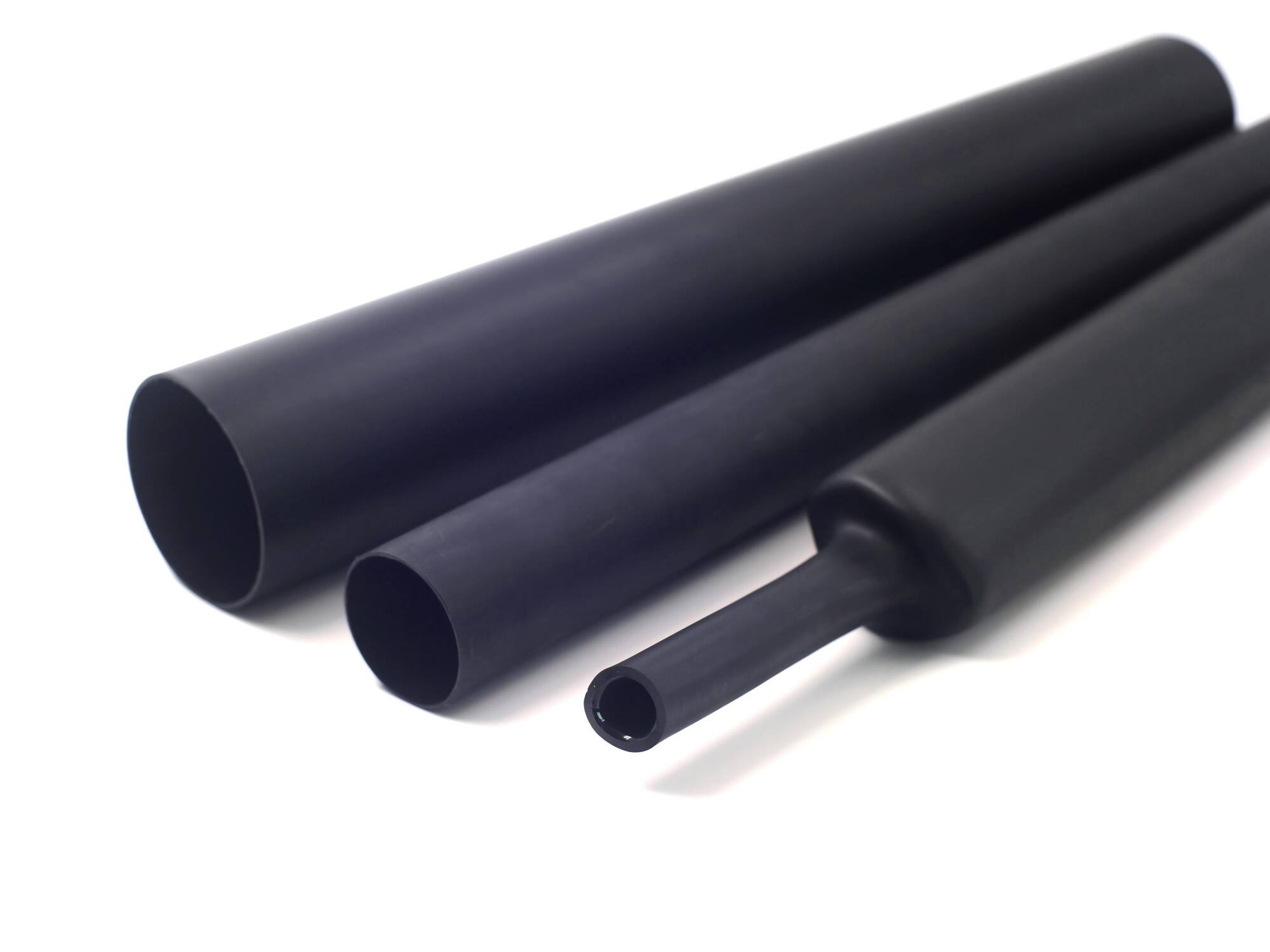
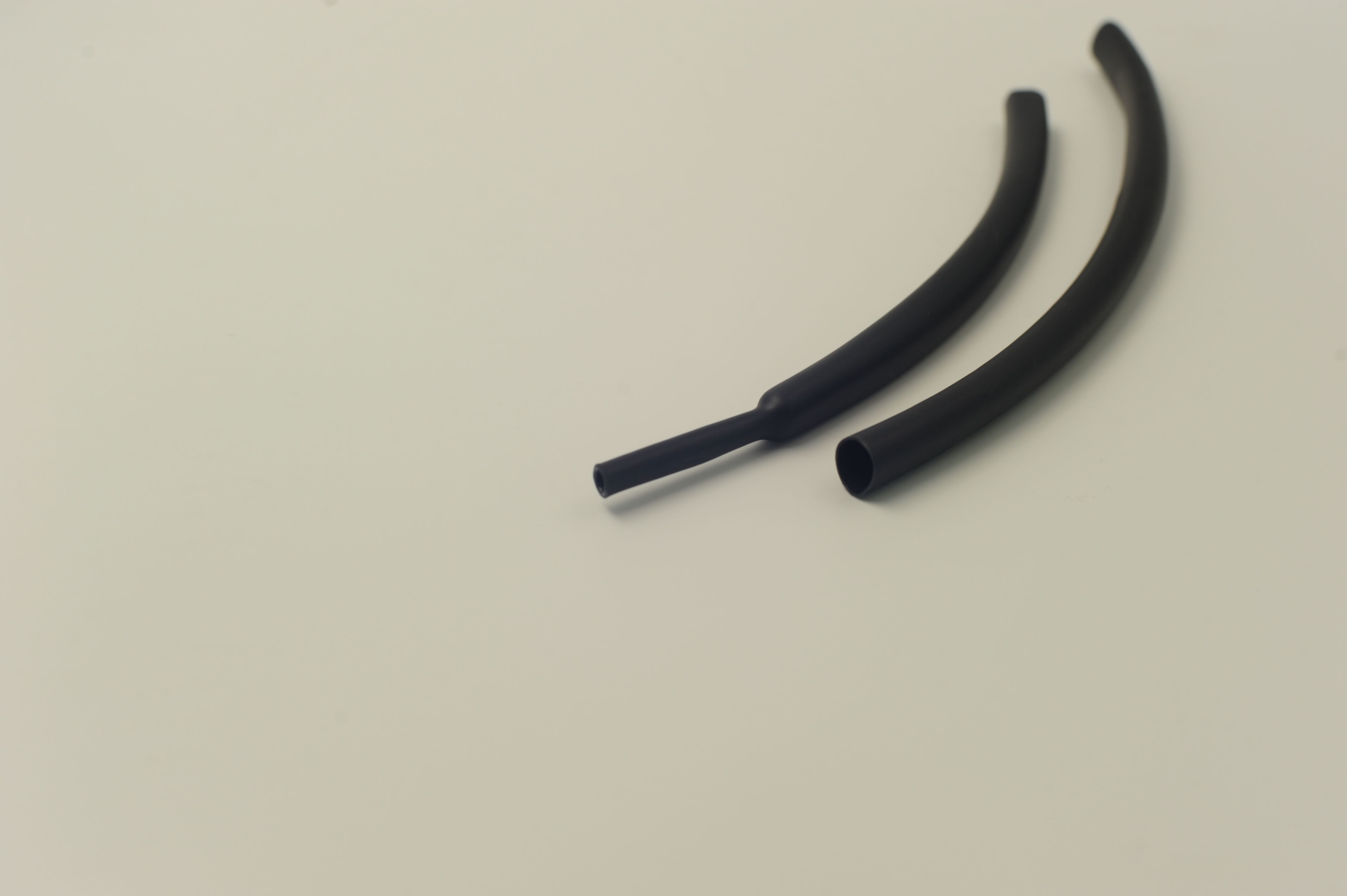
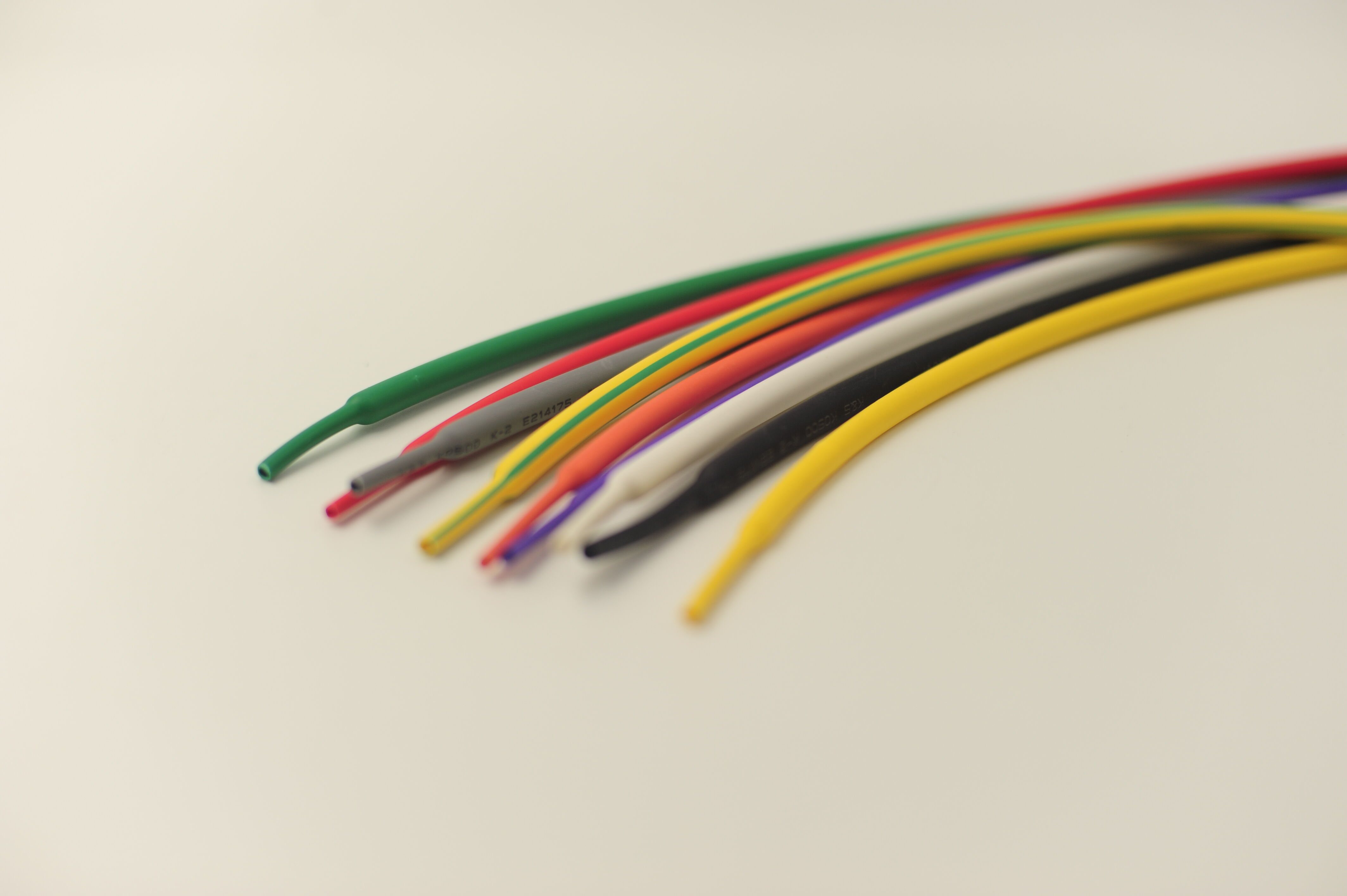
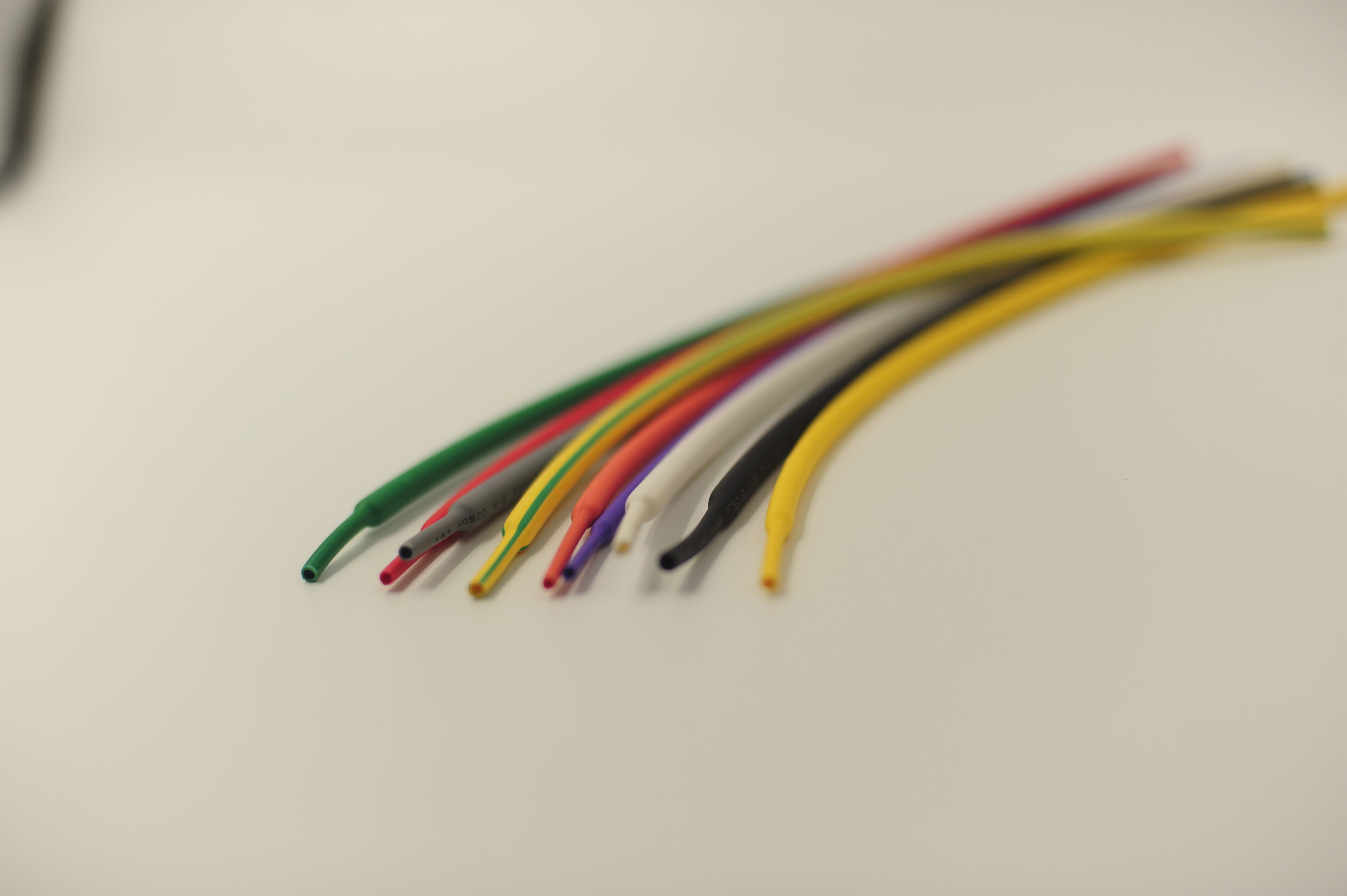
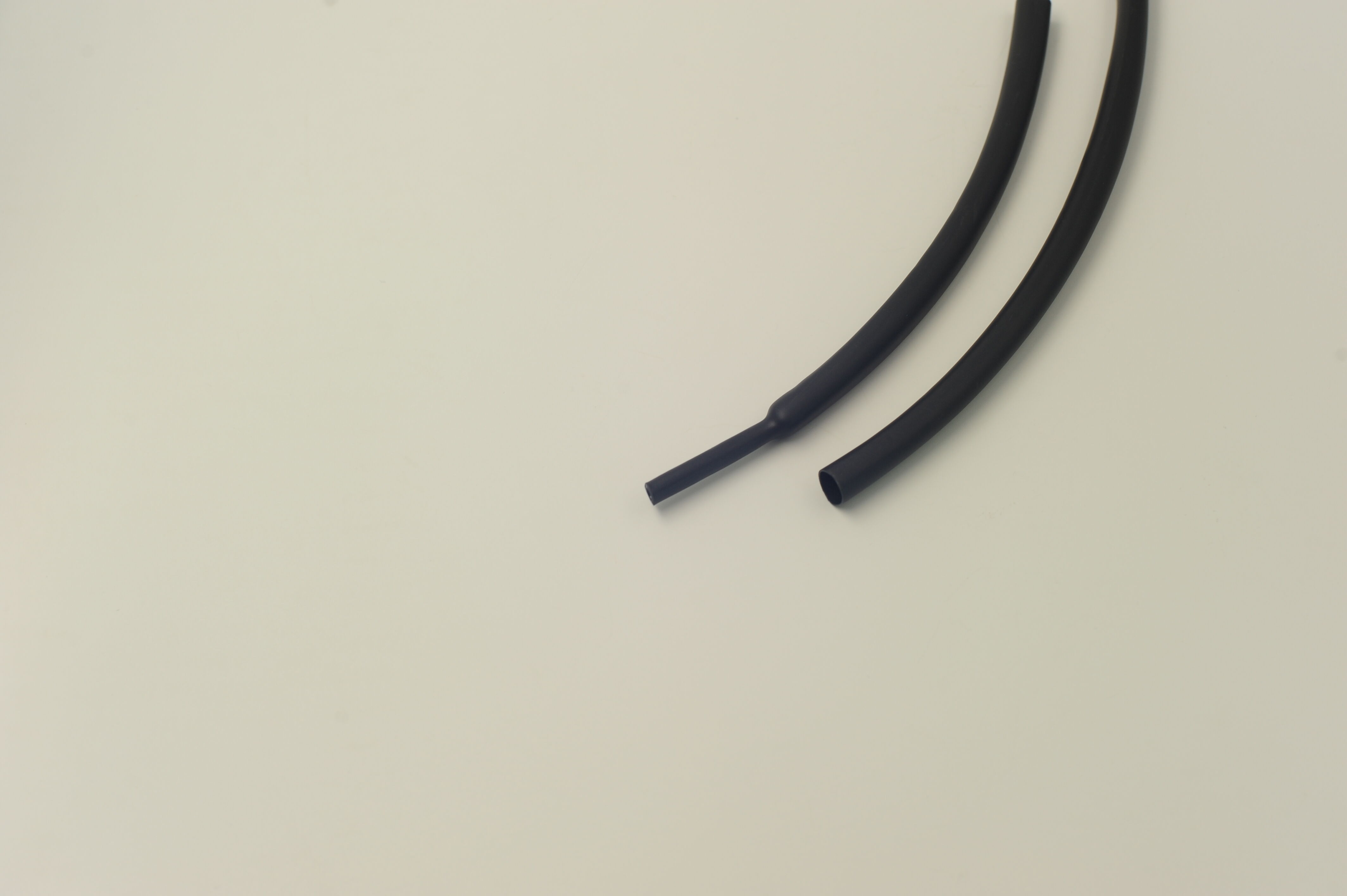
heat shrink sleeve for busbar
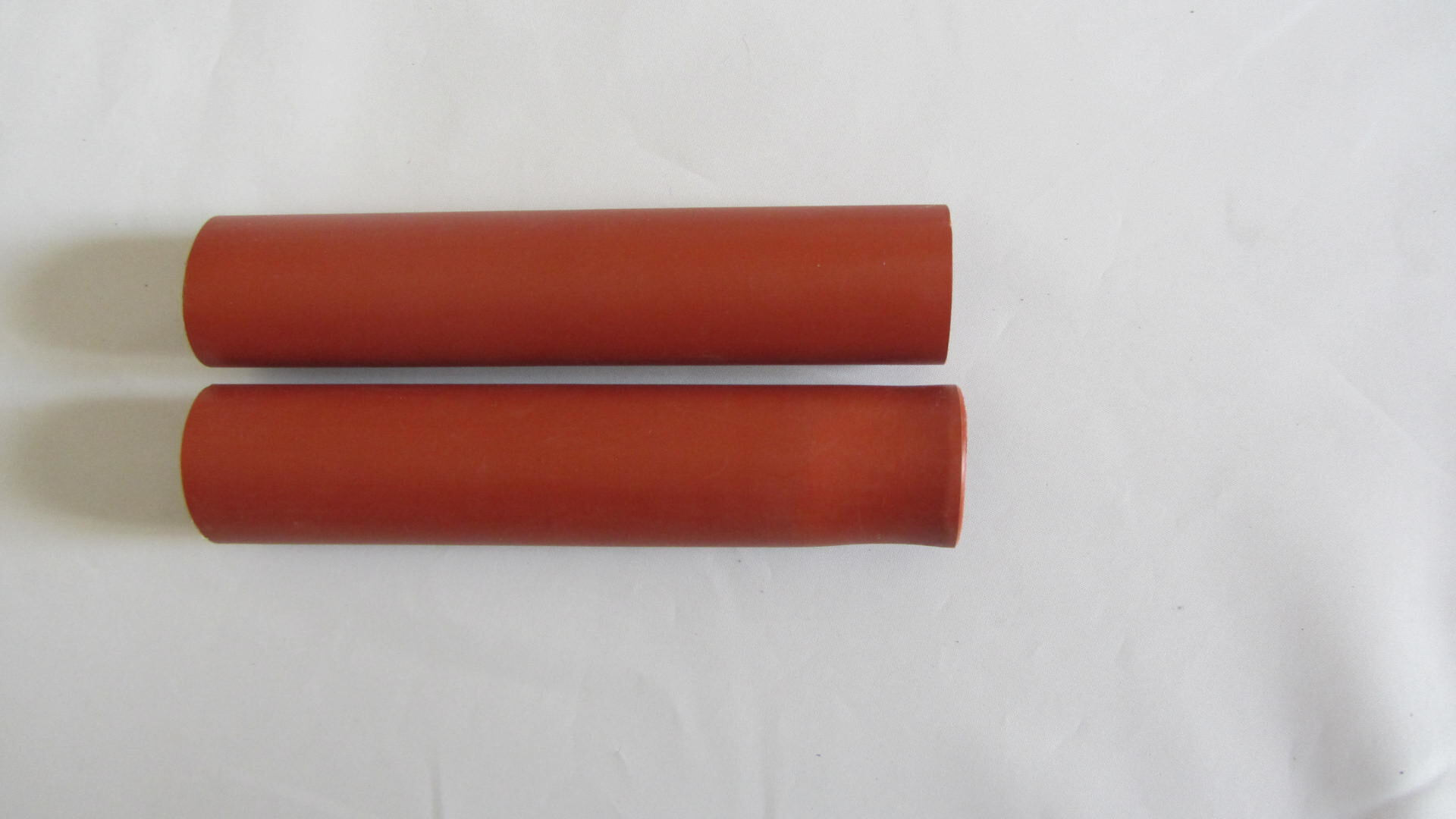
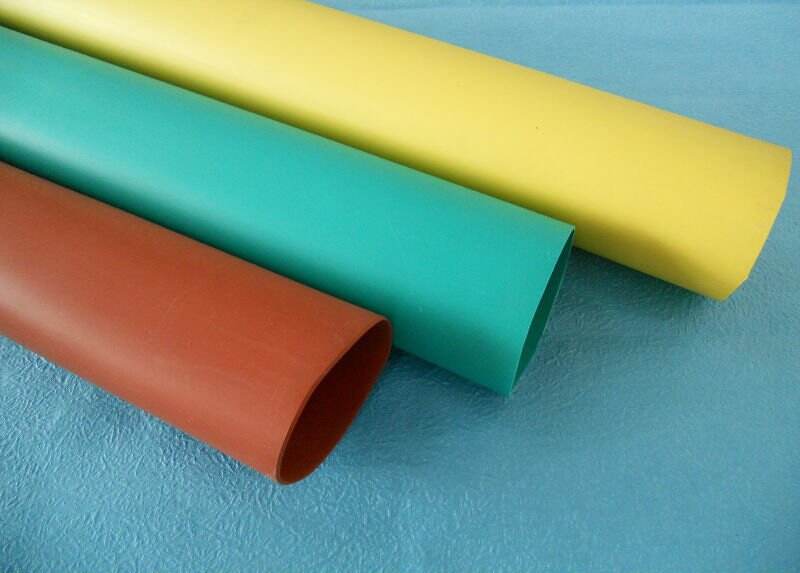
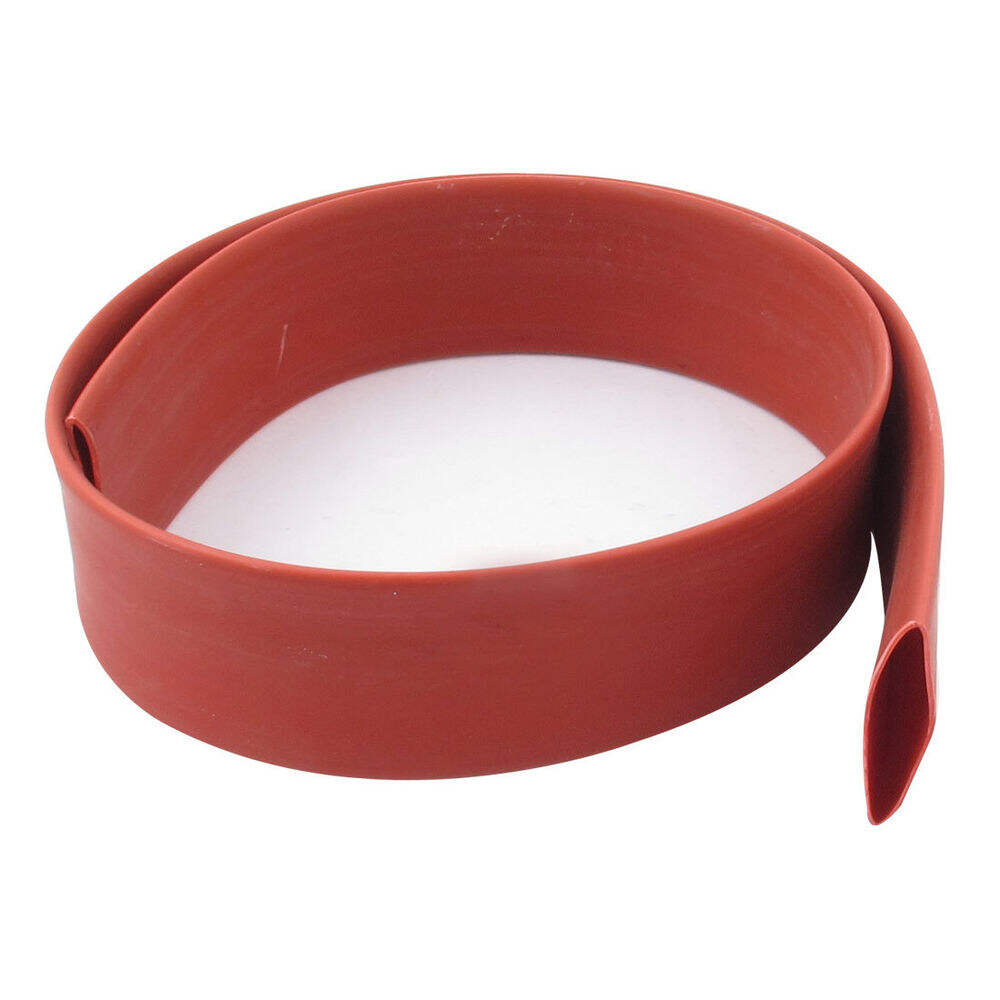
Heat shrink sleeve for busbar represents a cutting-edge insulation solution designed specifically to protect electrical busbars in power distribution systems. These specialized protective sleeves utilize advanced polymer technology to create a robust barrier around conductive busbar components, ensuring optimal electrical insulation and mechanical protection. The heat shrink sleeve for busbar operates through a controlled heating process that causes the sleeve material to contract uniformly, forming a tight, seamless fit around the busbar geometry. This thermal activation process creates an intimate bond between the sleeve and the underlying conductor, eliminating air gaps that could compromise insulation integrity. The primary functions of heat shrink sleeve for busbar include electrical insulation, environmental protection, and enhanced safety for personnel working near energized equipment. These sleeves effectively prevent accidental contact with live conductors while maintaining excellent dielectric properties across various voltage levels. The technological features of modern heat shrink sleeve for busbar incorporate flame-retardant materials, UV resistance, and temperature stability to withstand demanding industrial environments. Advanced formulations ensure long-term performance under extreme conditions, including temperature fluctuations, humidity, and chemical exposure. The dimensional stability of heat shrink sleeve for busbar prevents cracking or degradation over extended service periods, maintaining consistent protection throughout the equipment lifecycle. Applications span across power generation facilities, industrial manufacturing plants, commercial buildings, and renewable energy installations where reliable busbar protection remains critical for operational safety and system reliability. The versatility of heat shrink sleeve for busbar makes it suitable for both indoor and outdoor installations, providing consistent performance regardless of environmental challenges. Installation procedures are straightforward, requiring only basic heating equipment and trained personnel to achieve professional results that meet industry standards and regulatory requirements.

 EN
EN