heat shrinkable sleeve for high voltage cable
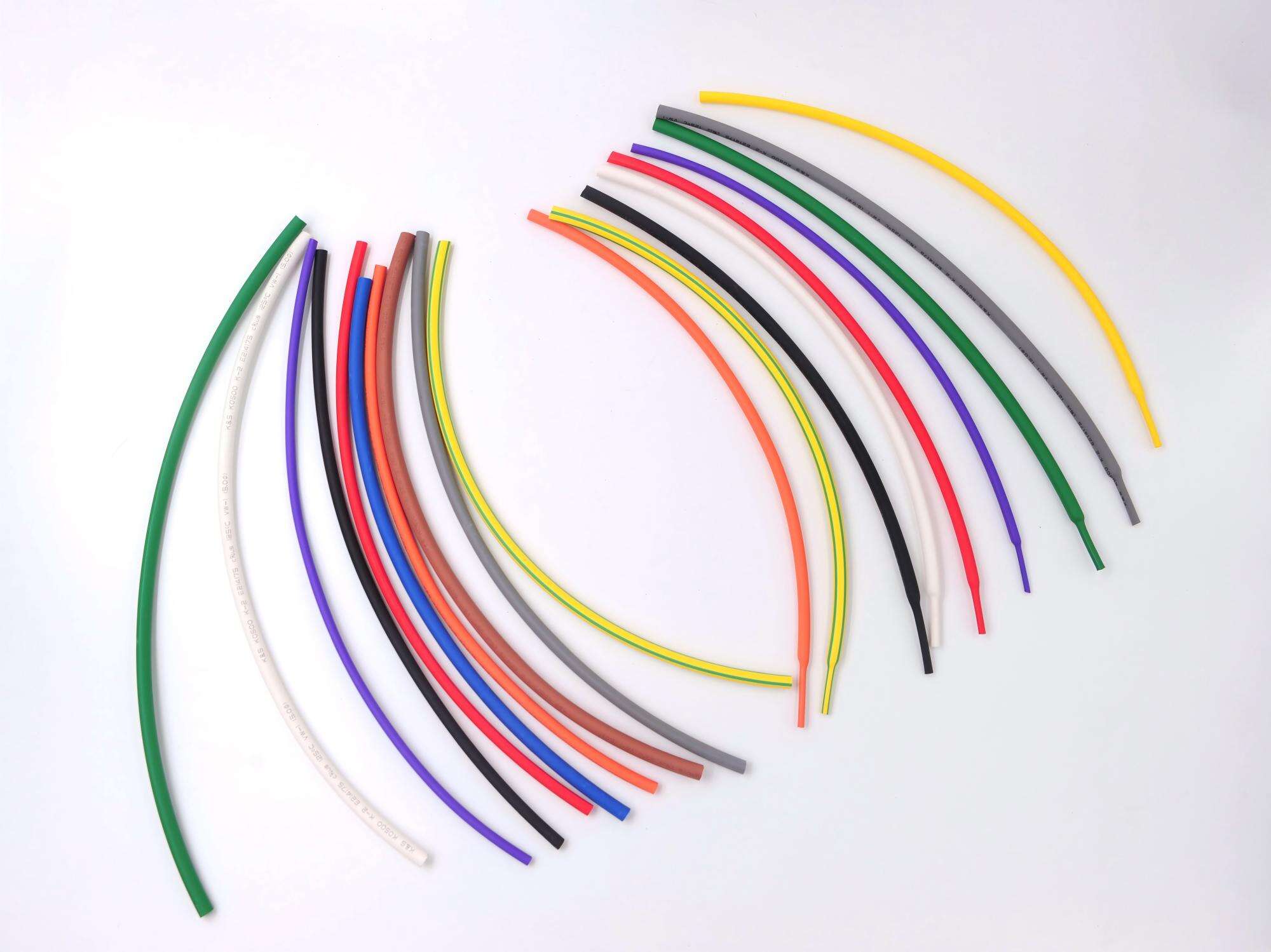
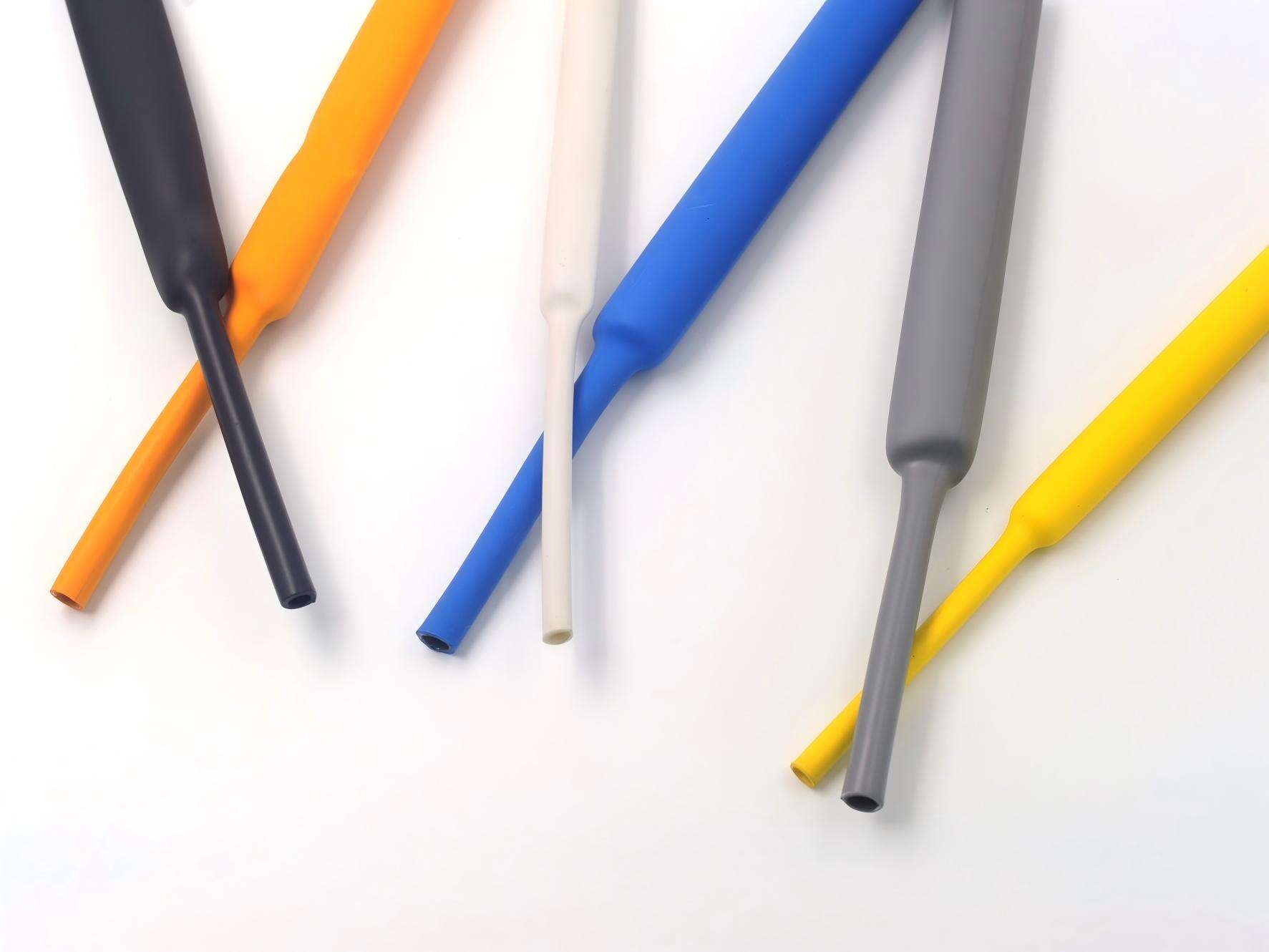
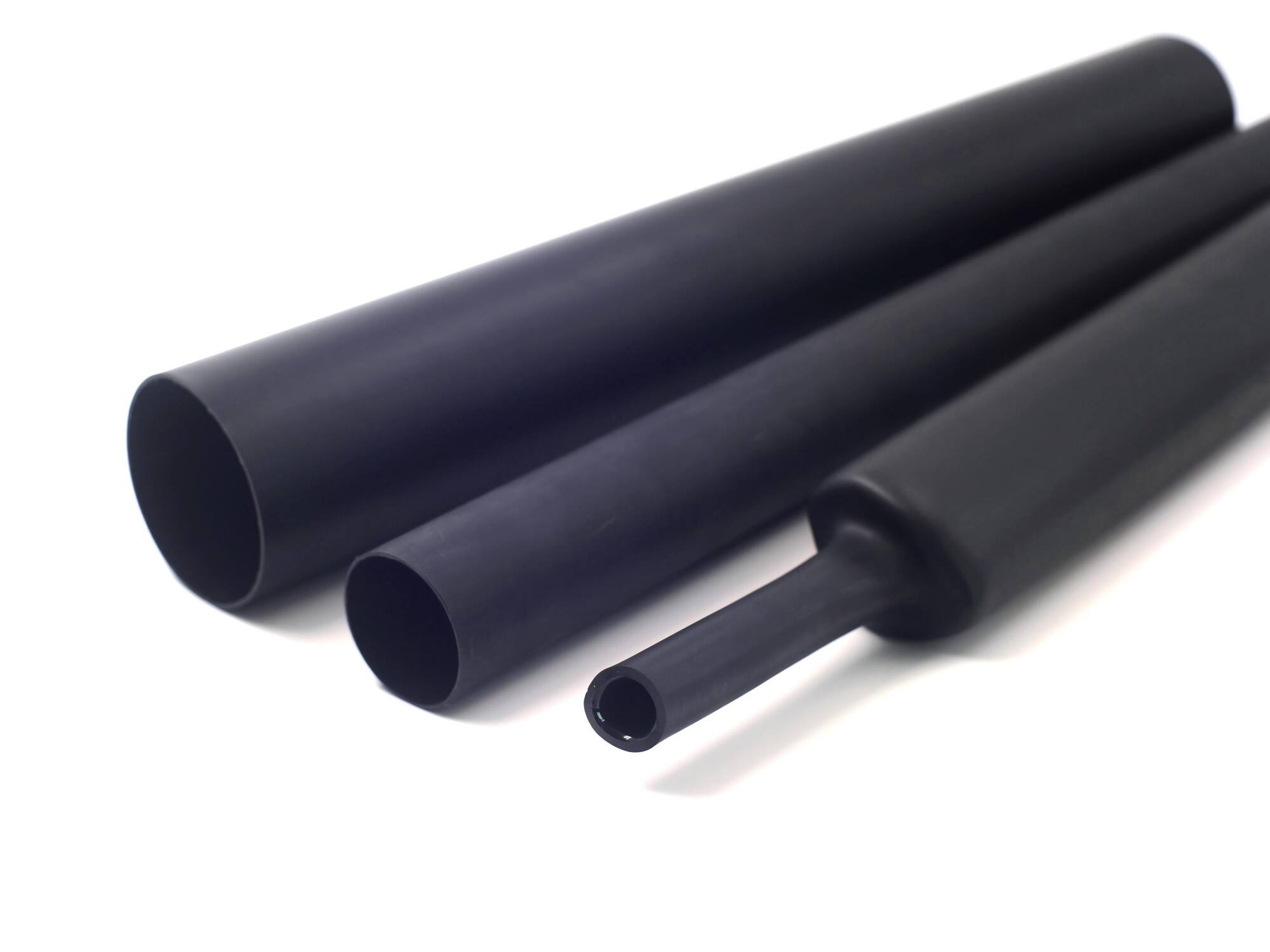
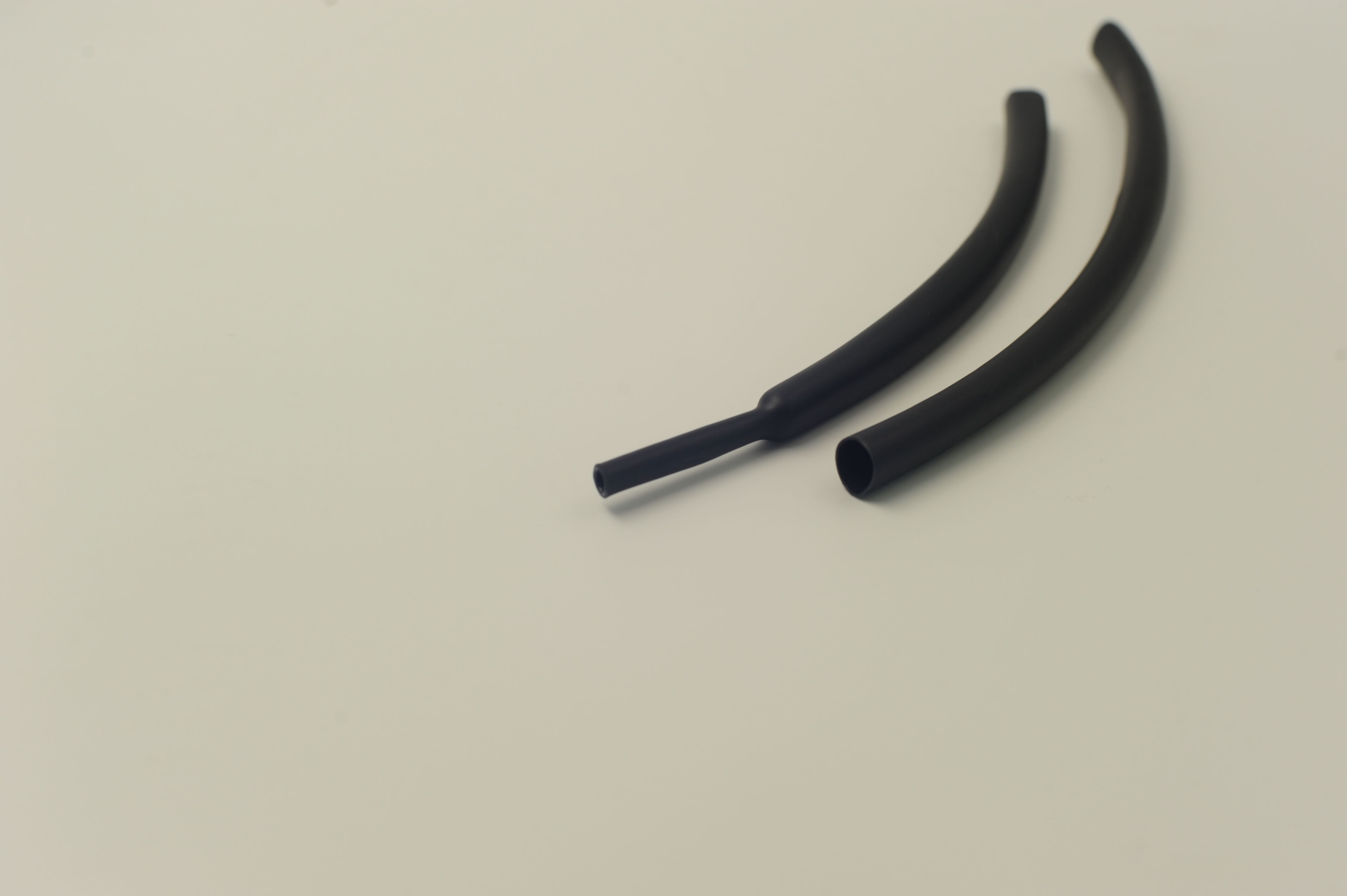
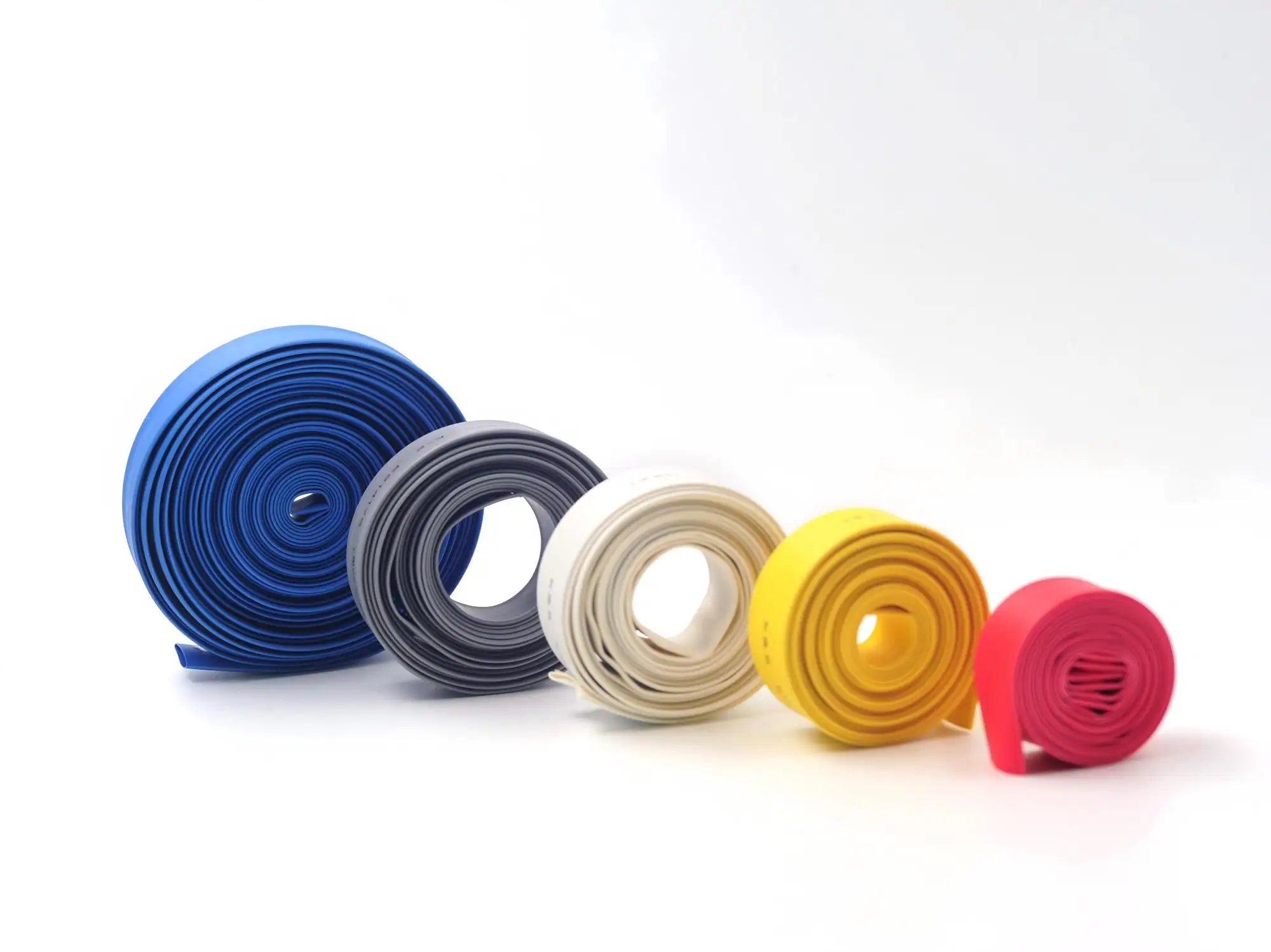
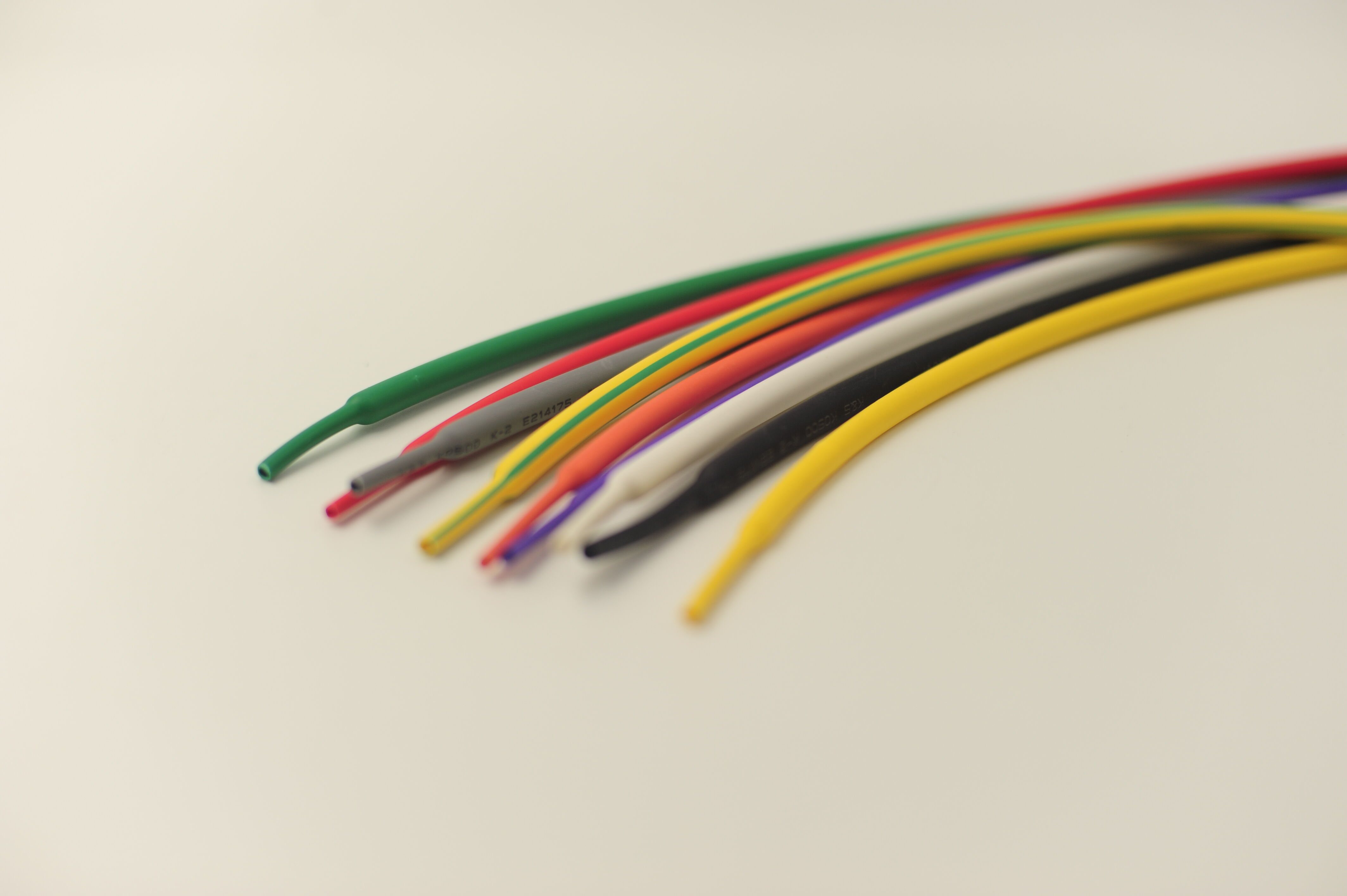
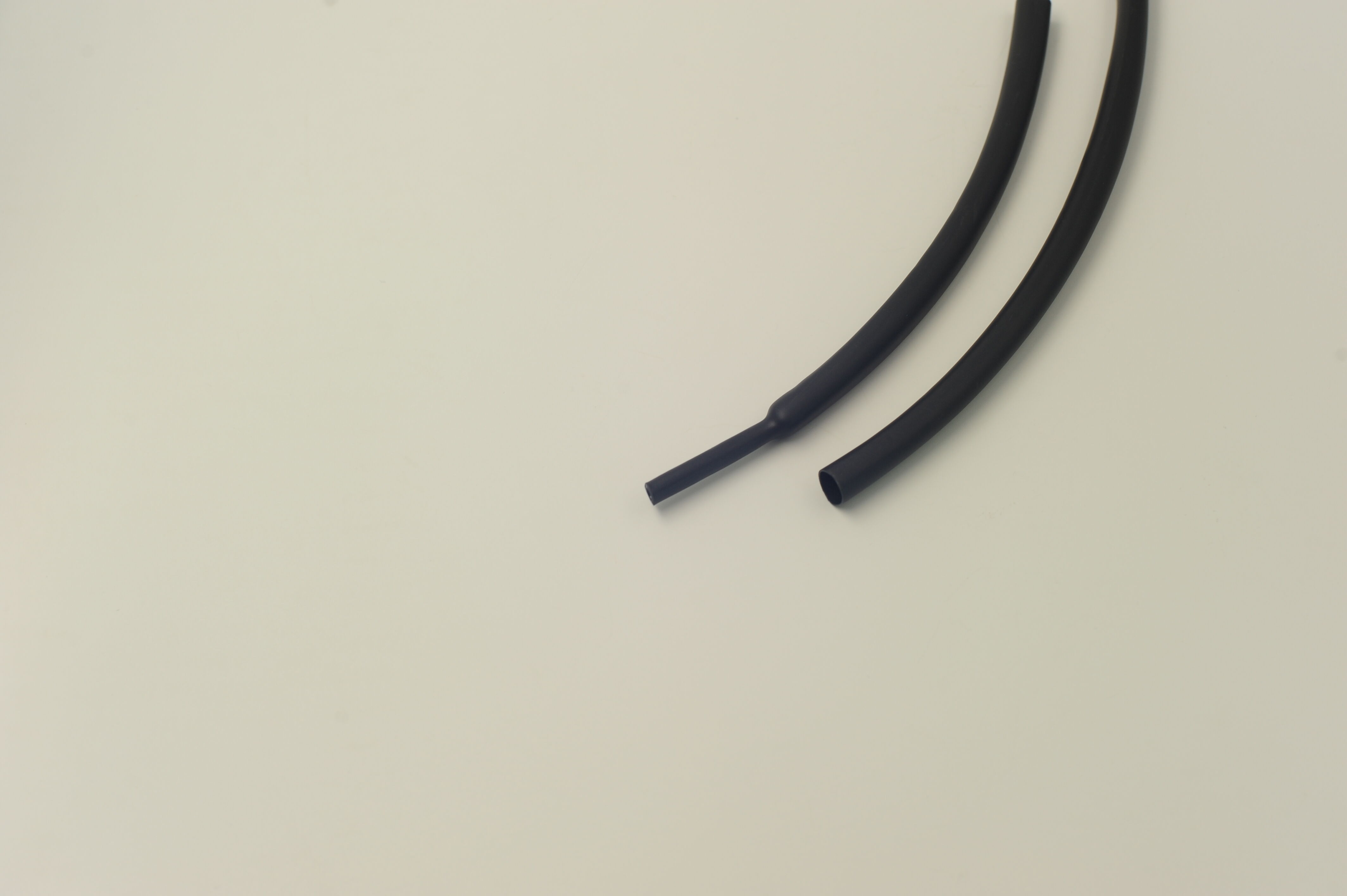
Heat shrinkable sleeve for high voltage cable represents a critical component in modern electrical infrastructure, serving as an essential protective solution for power transmission systems. This specialized insulation technology utilizes polymer materials that contract when heated, creating a tight, seamless seal around cable joints, terminations, and splice connections. The heat shrinkable sleeve for high voltage cable operates through a controlled shrinking process that activates at predetermined temperatures, typically ranging from 120°C to 200°C, ensuring optimal fit and performance across various installation conditions. The main functions of heat shrinkable sleeve for high voltage cable include moisture barrier protection, electrical insulation enhancement, mechanical stress relief, and environmental shielding against ultraviolet radiation, chemical exposure, and physical damage. Technological features encompass advanced polymer formulations that maintain flexibility across wide temperature ranges, superior dielectric properties that prevent electrical breakdown, and adhesive-lined variants that create hermetic seals without additional bonding agents. The manufacturing process involves cross-linking polymer chains through electron beam radiation or chemical cross-linking, creating memory properties that enable consistent shrinkage ratios and dimensional stability. Applications for heat shrinkable sleeve for high voltage cable span across utility power distribution networks, industrial installations, renewable energy projects including wind farms and solar facilities, underground transmission systems, and offshore power infrastructure. These sleeves accommodate cable voltages ranging from medium voltage systems at 1kV to extra high voltage applications exceeding 500kV, making them versatile solutions for diverse electrical engineering requirements. The heat shrinkable sleeve for high voltage cable also finds extensive use in cable repair operations, where damaged insulation requires immediate restoration without complete cable replacement, significantly reducing maintenance costs and system downtime.

 EN
EN