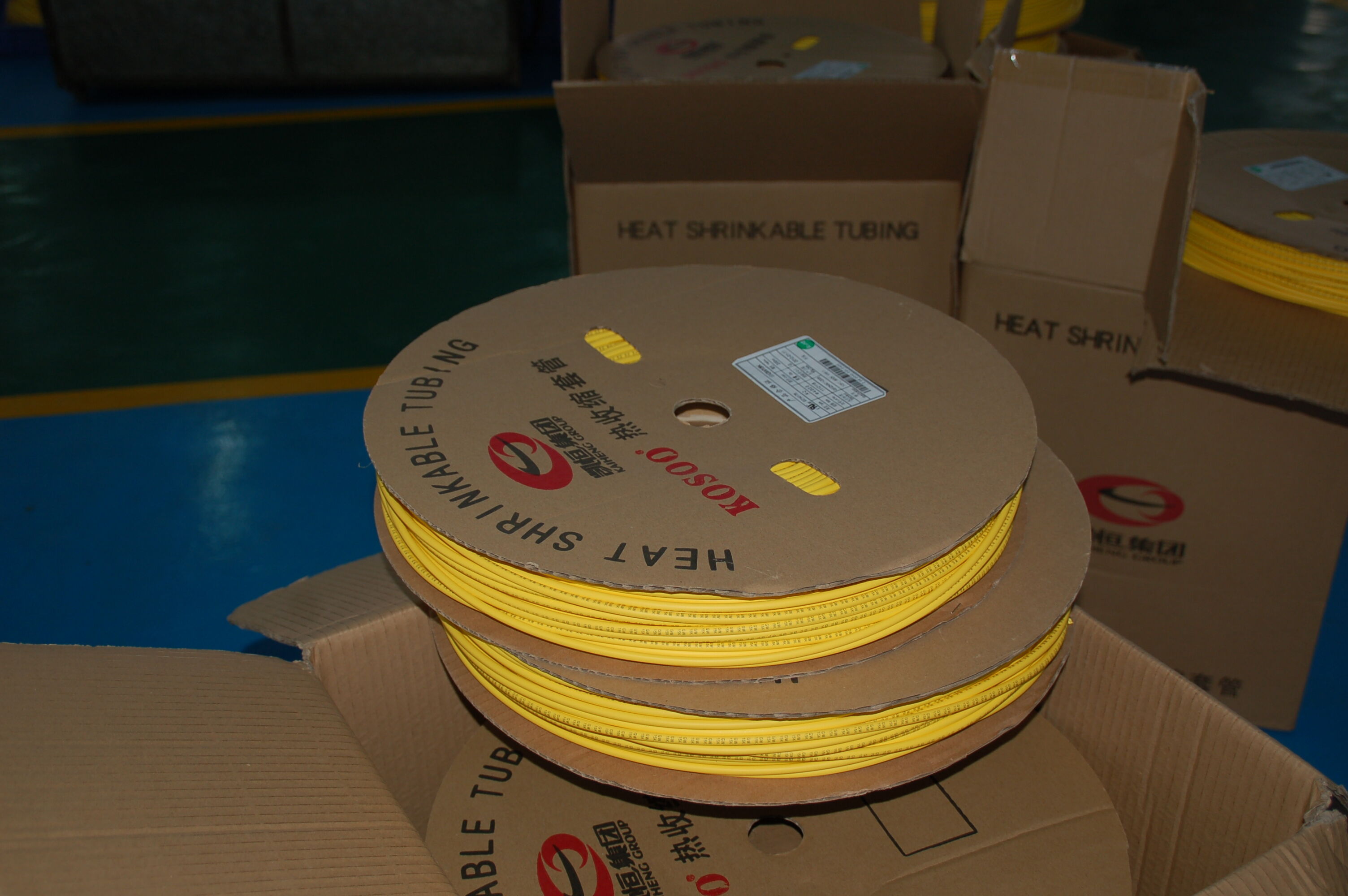
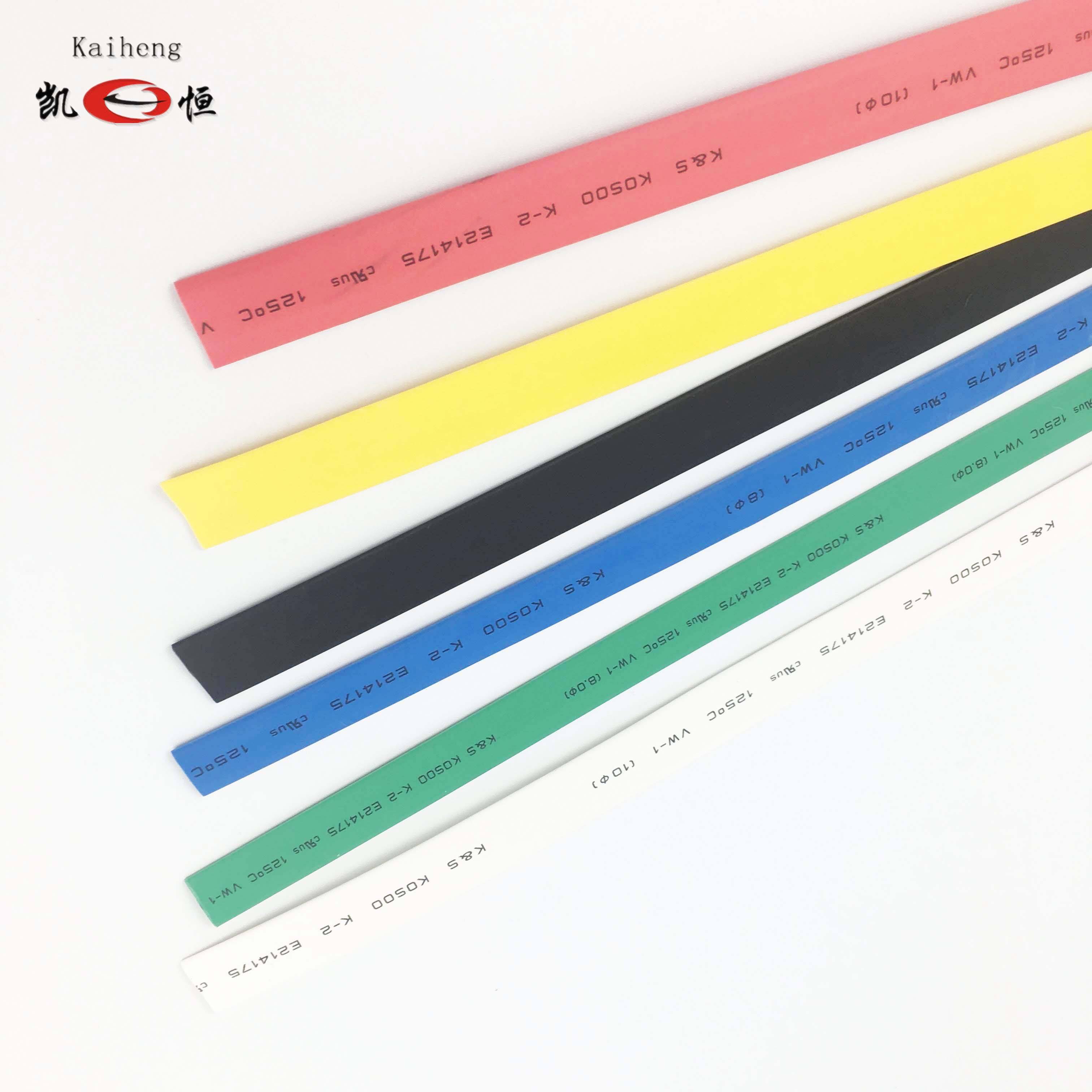
high temperature heat shrink
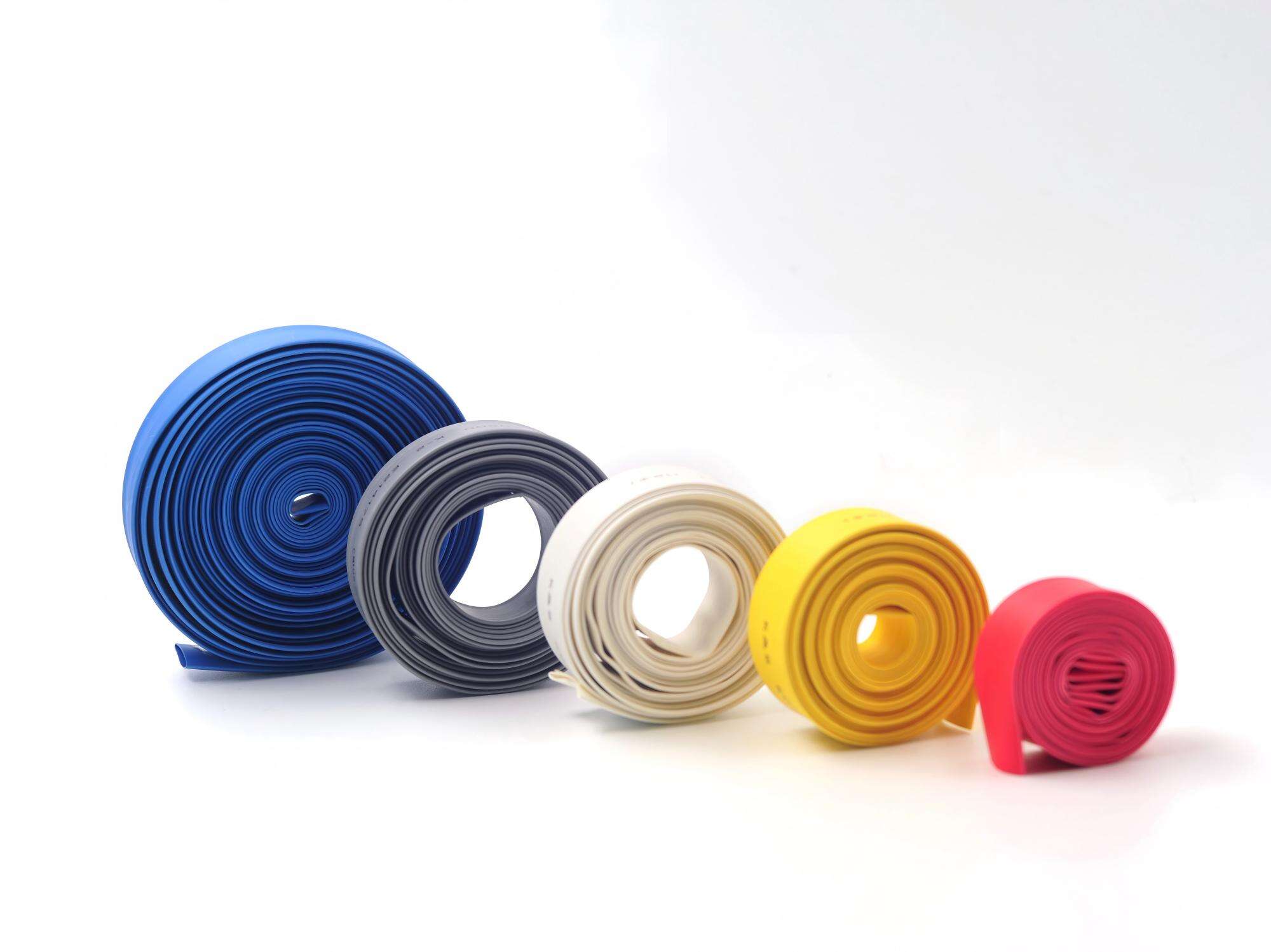
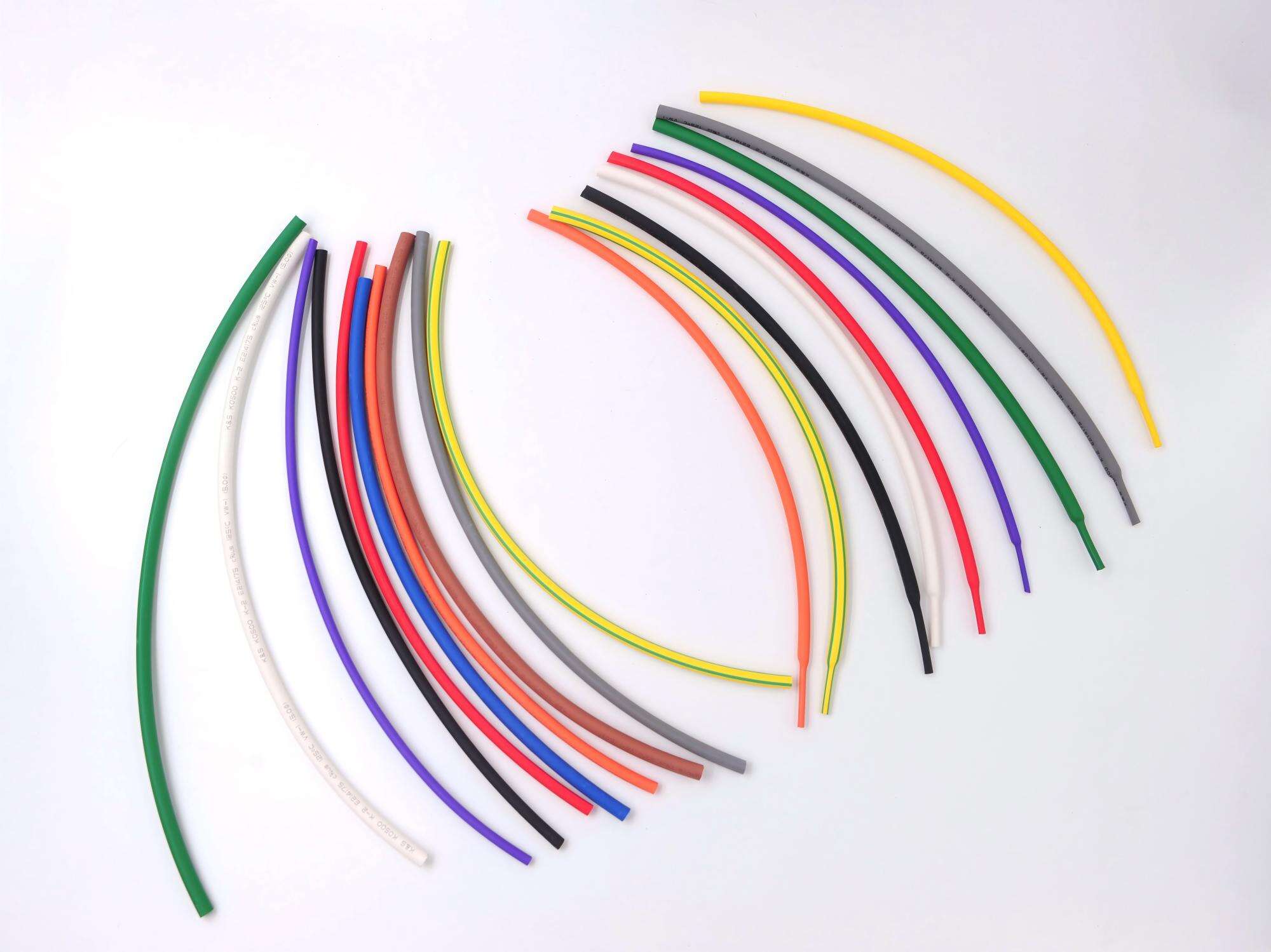
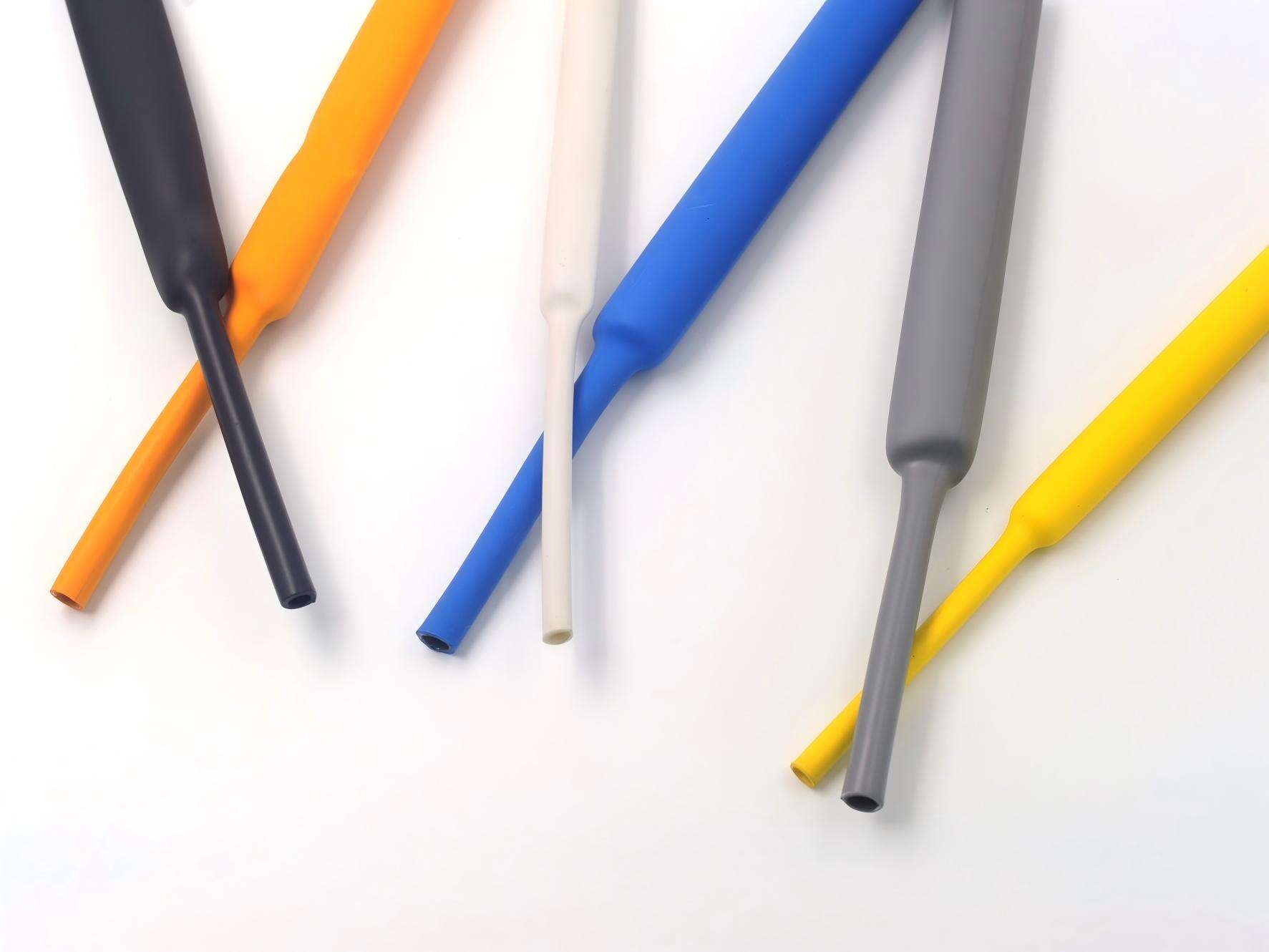
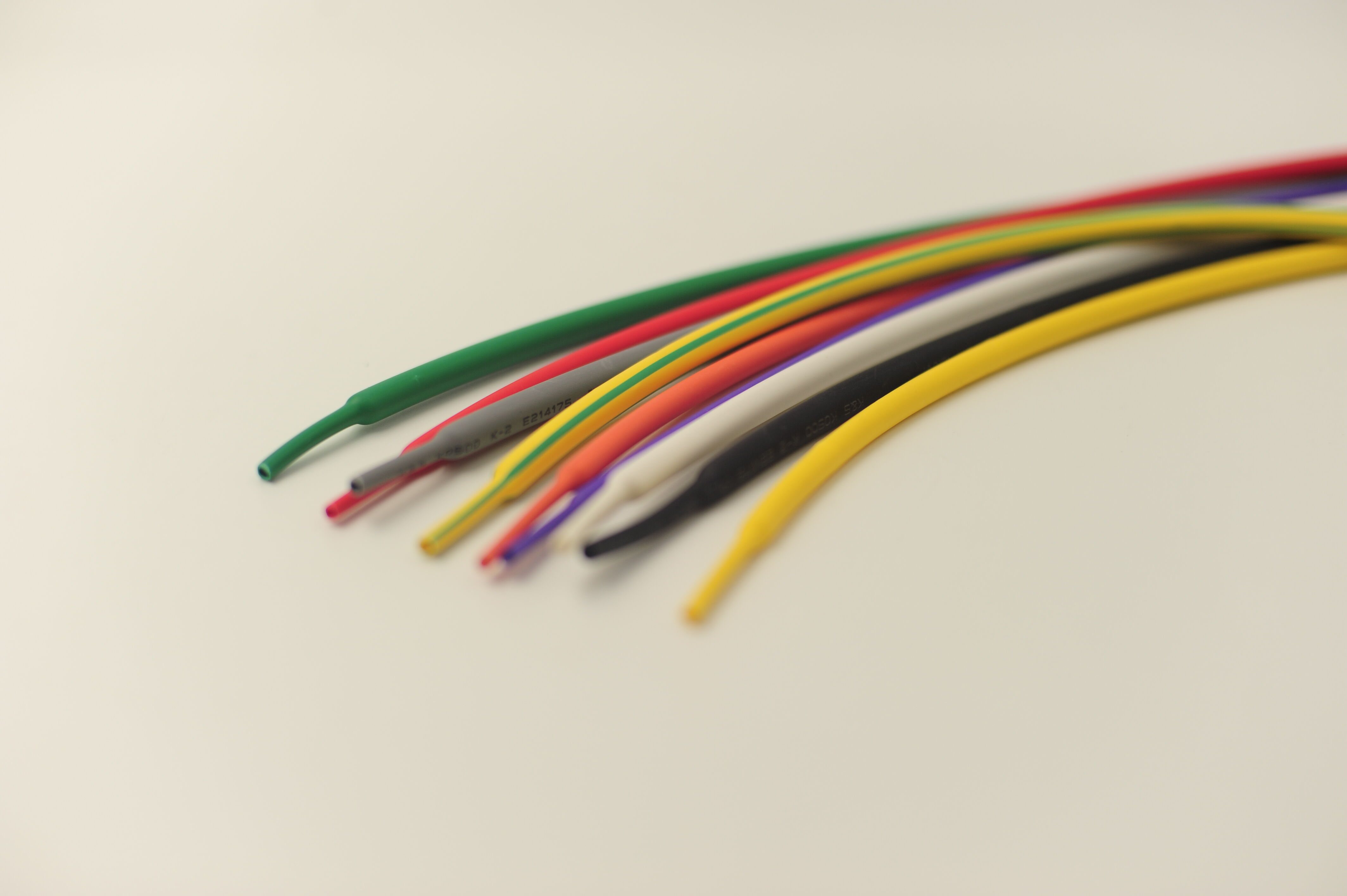
High temperature heat shrink represents a specialized category of protective tubing designed to withstand extreme thermal conditions while providing superior insulation and mechanical protection. This advanced material serves as an essential component in demanding industrial applications where standard heat shrink materials would fail or degrade under intense heat exposure. High temperature heat shrink tubing typically operates effectively in environments ranging from 150°C to 260°C, with some premium variants capable of handling temperatures up to 300°C or higher. The material composition usually incorporates fluoropolymers, cross-linked polyolefins, or specialized elastomers that maintain their structural integrity and protective properties under sustained high temperature exposure. The primary functions of high temperature heat shrink include electrical insulation, wire bundling, strain relief, environmental sealing, and component identification in harsh operating conditions. Technological features encompass excellent dimensional stability, superior chemical resistance, outstanding dielectric properties, and minimal shrinkage force that prevents damage to delicate components during installation. The shrink ratio typically ranges from 2:1 to 4:1, allowing for versatile fitting over various component sizes and shapes. Applications span across aerospace systems, automotive engine compartments, industrial furnaces, military equipment, oil and gas exploration, power generation facilities, and high-performance electronics. In aerospace applications, high temperature heat shrink protects critical wiring harnesses from engine heat and extreme altitude conditions. Automotive uses include engine bay wire protection, exhaust system components, and turbocharger assemblies. Industrial applications encompass furnace wiring, high-temperature sensors, heating elements, and process control systems where standard materials would quickly deteriorate, ensuring long-term reliability and safety in challenging thermal environments.

 EN
EN