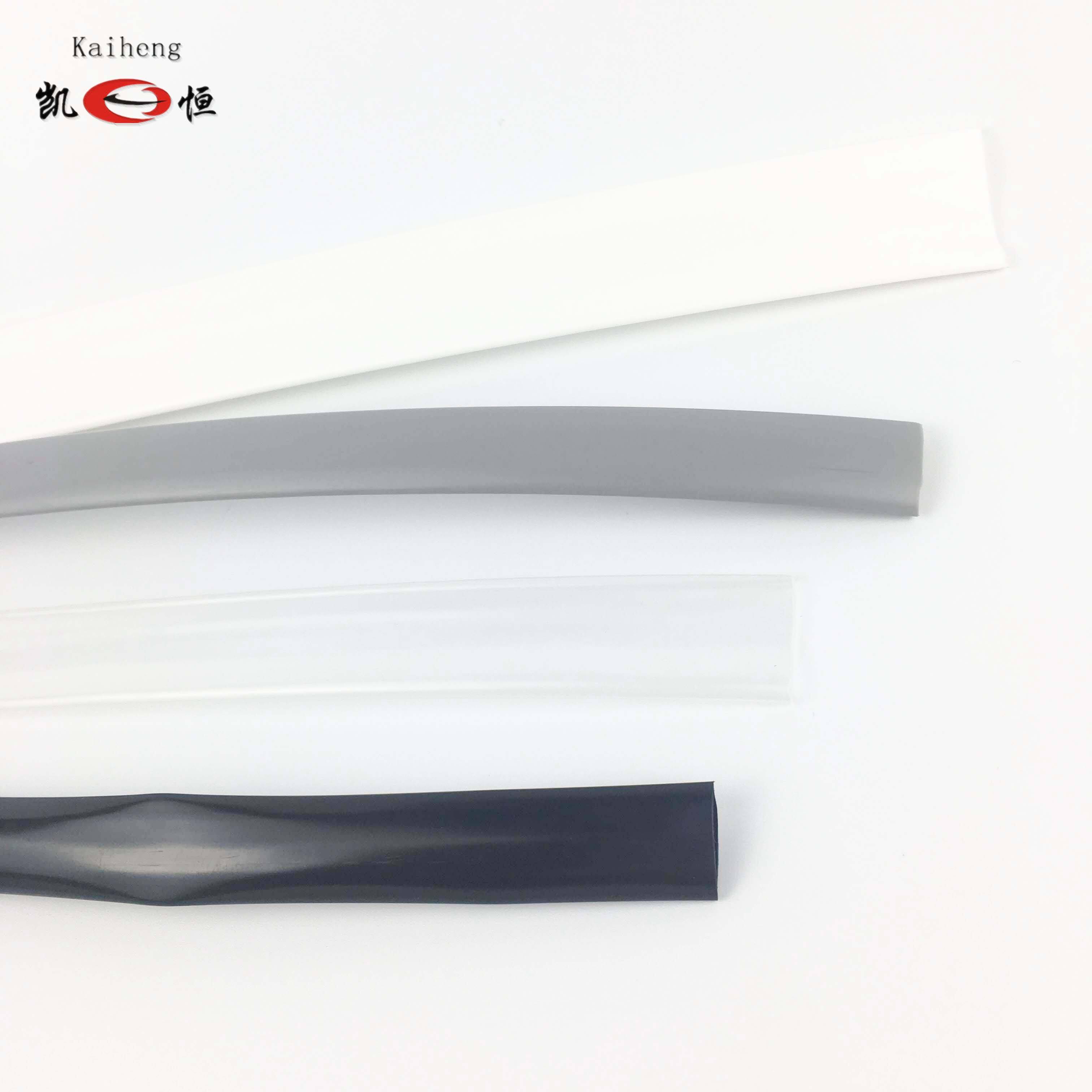
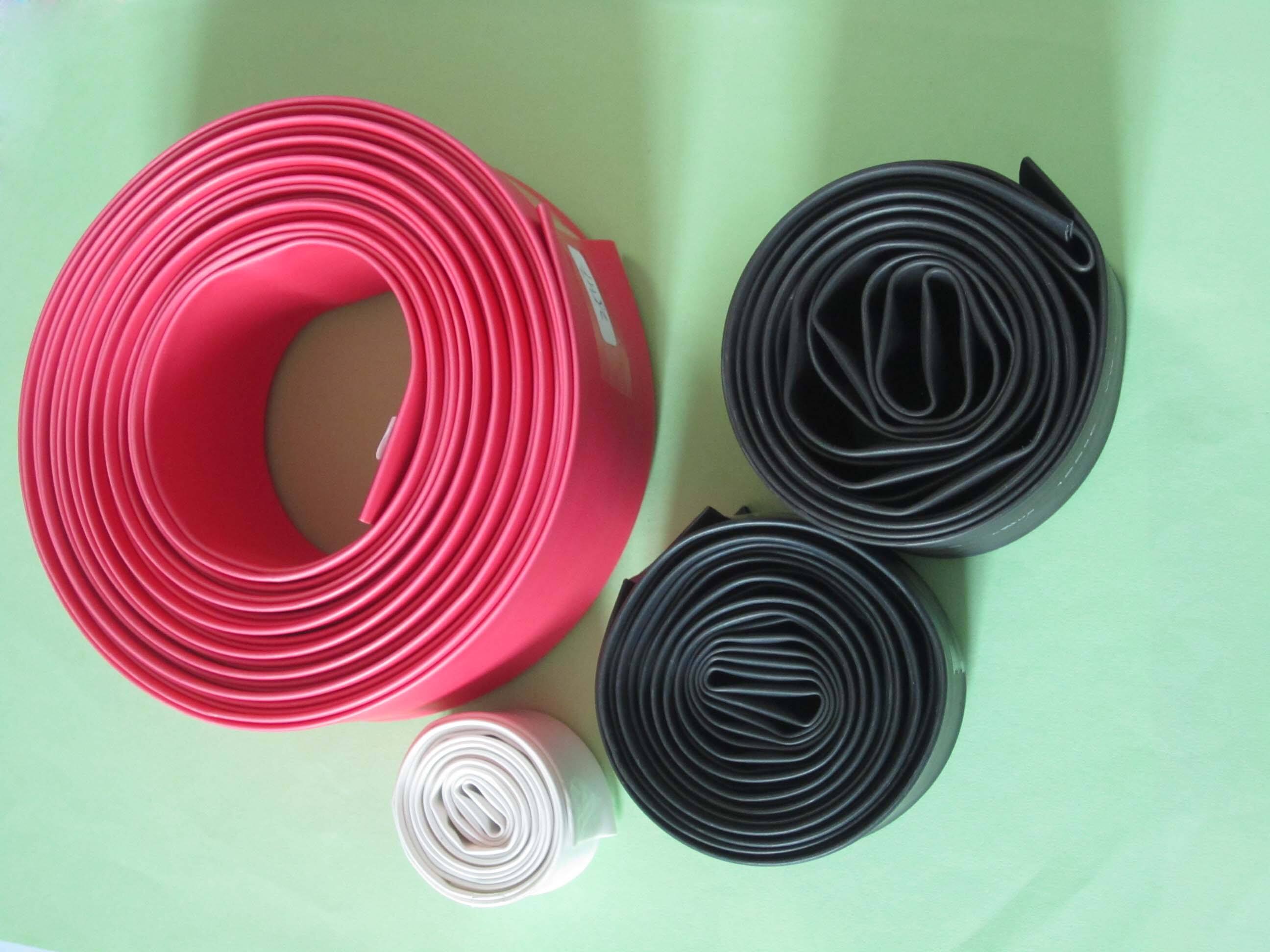
thick wall shrink tubing
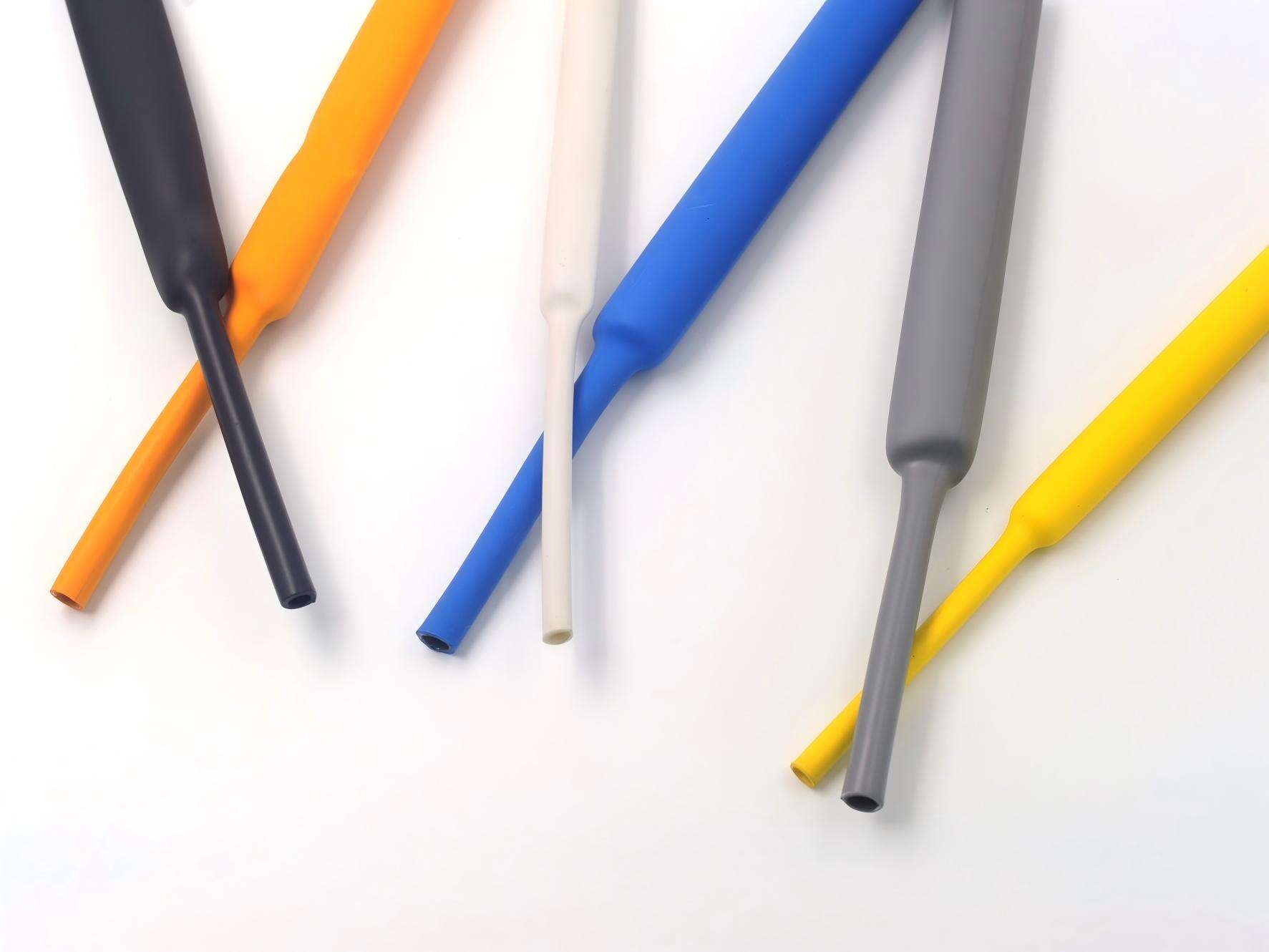
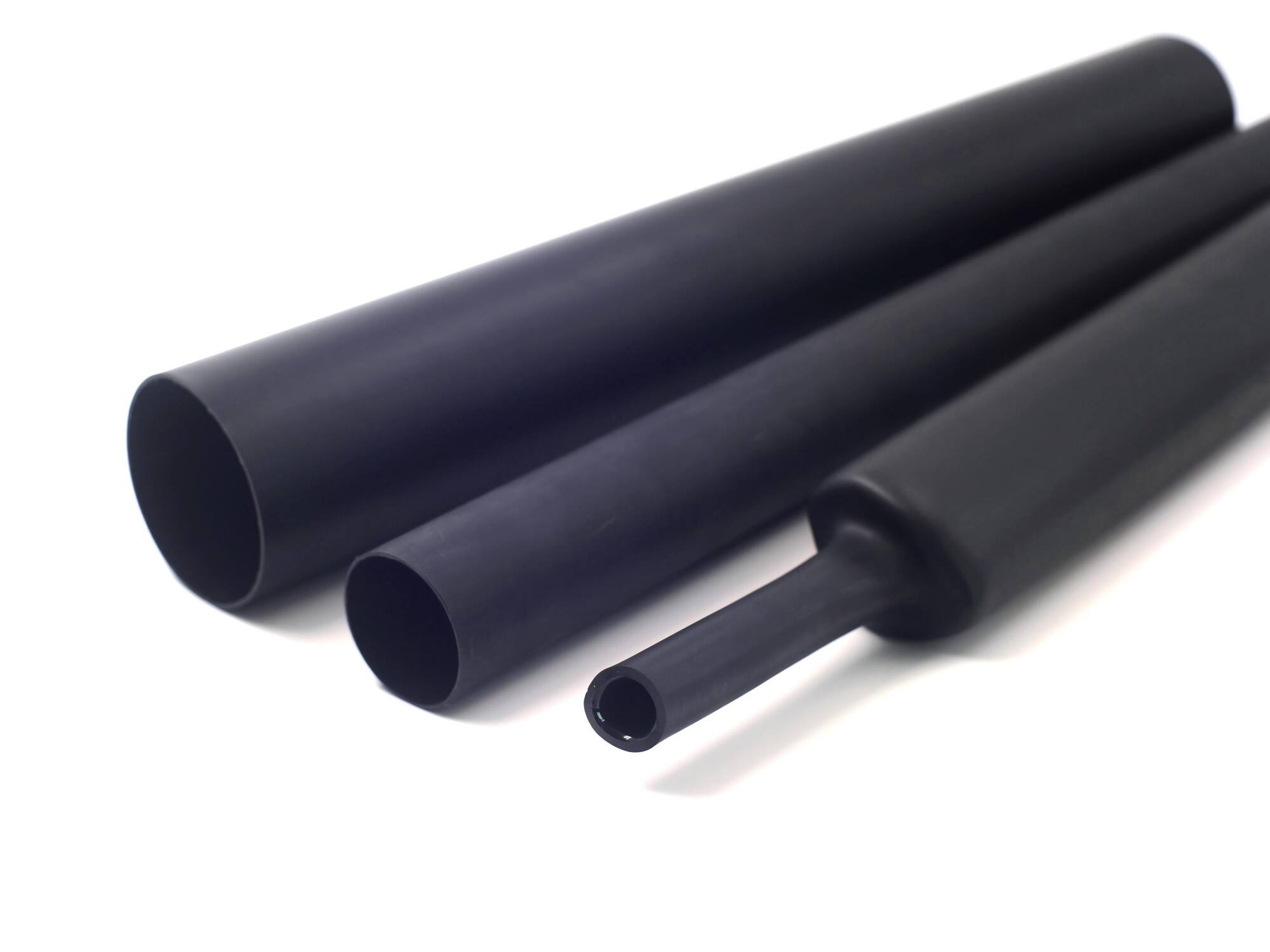
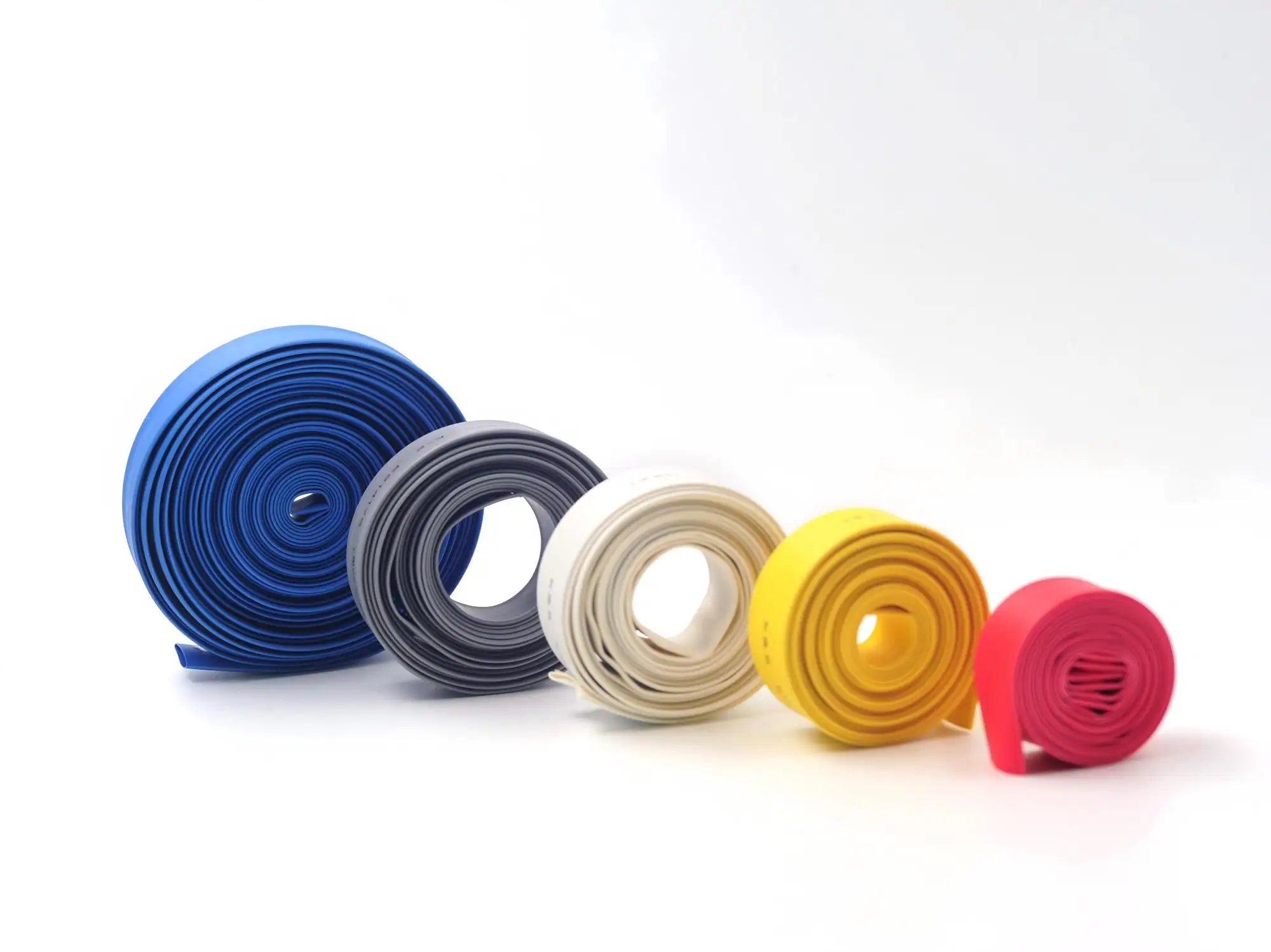
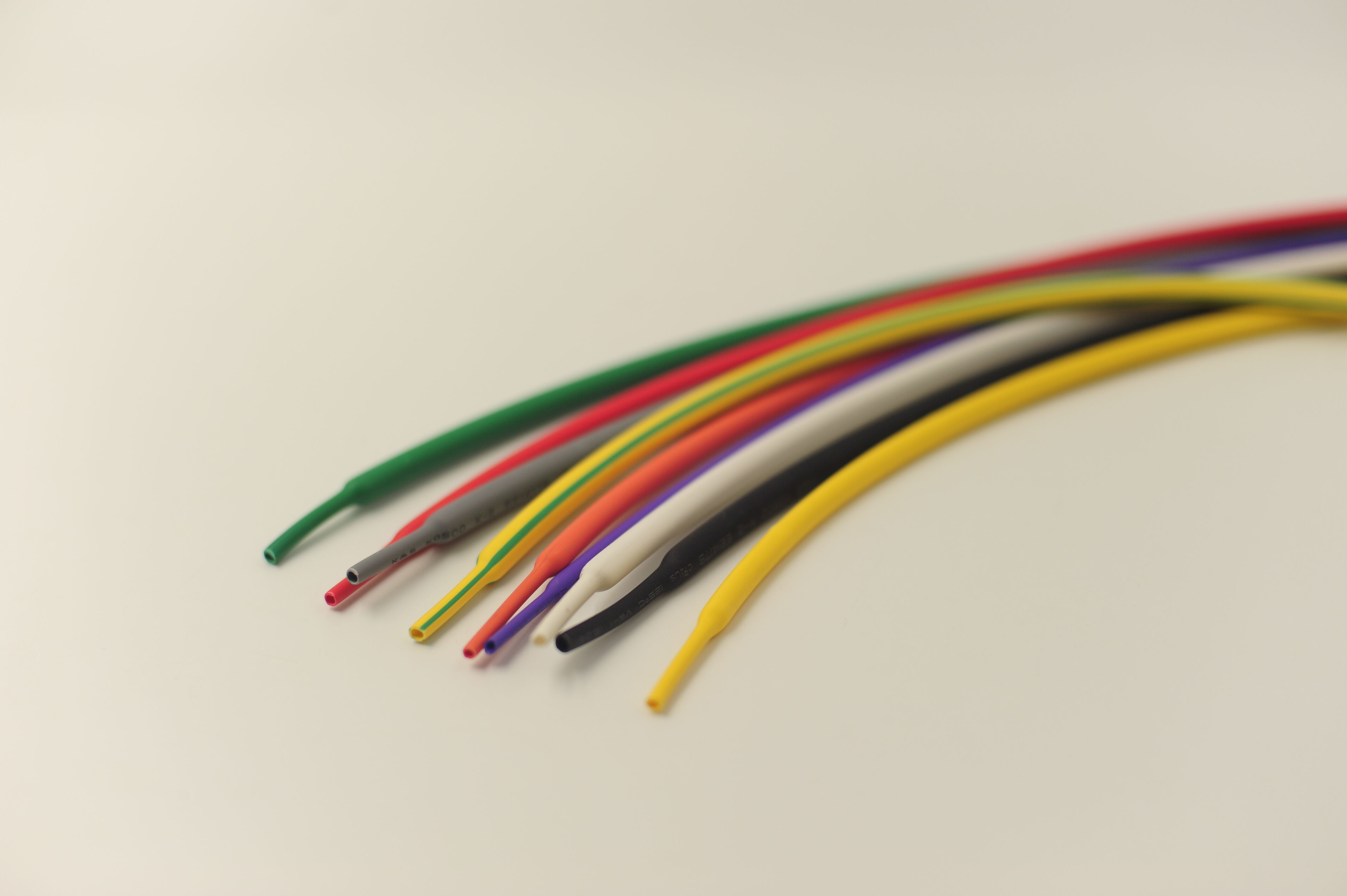
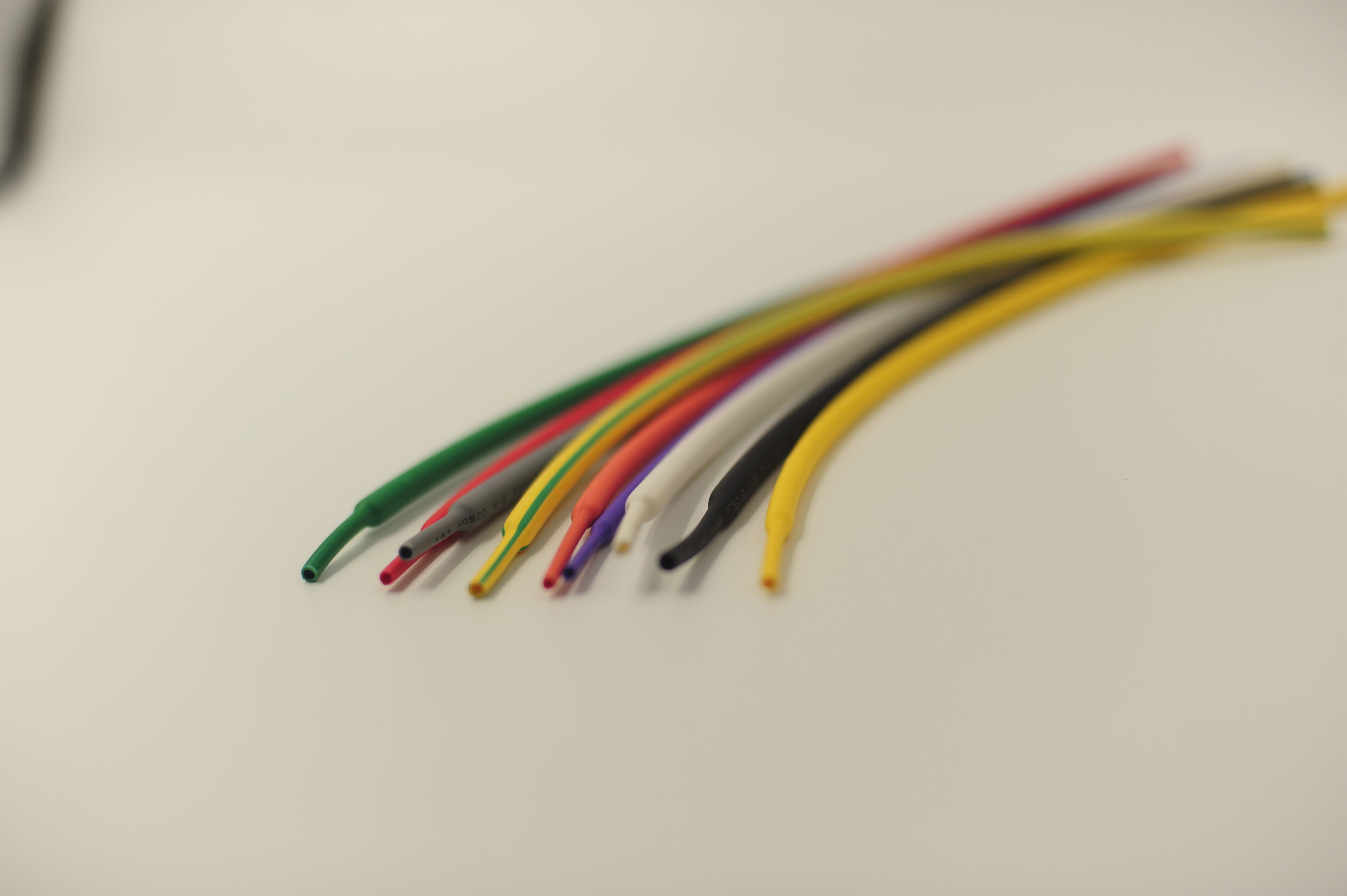
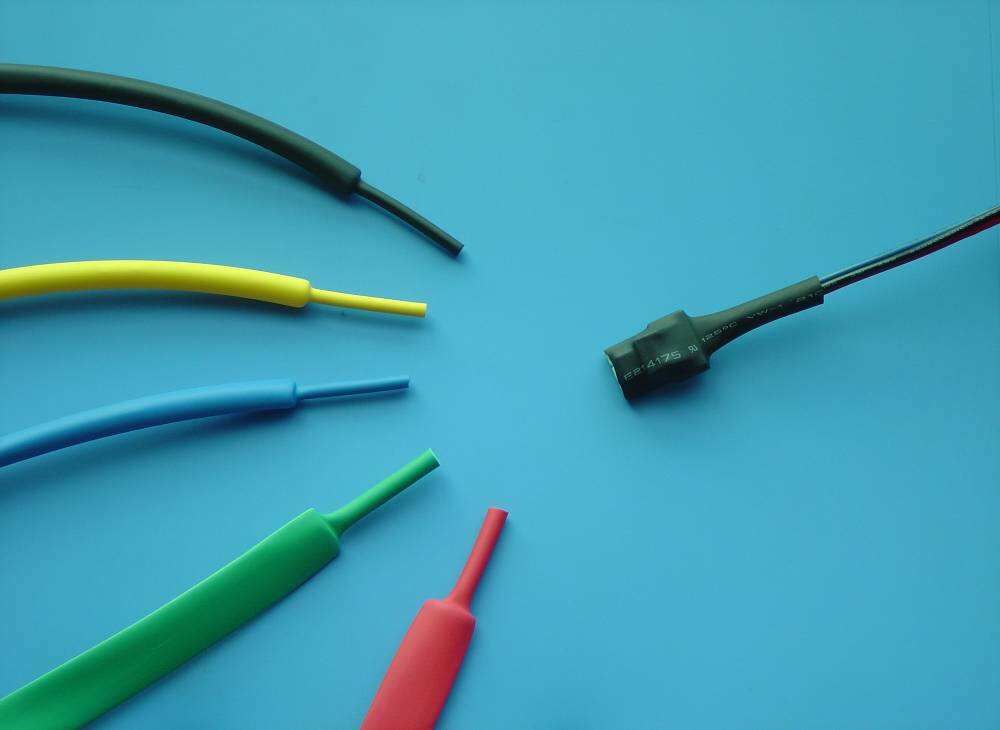
Thick wall shrink tubing represents a revolutionary advancement in protective cable management and electrical insulation technology. This specialized tubing material features enhanced wall thickness that provides superior mechanical protection, environmental resistance, and long-term durability compared to standard shrink tubing options. The thick wall shrink tubing construction typically ranges from 2:1 to 4:1 shrink ratios, allowing it to accommodate various cable diameters while maintaining consistent protective coverage. When heated, this material contracts uniformly around cables, connectors, and joints, creating a tight, waterproof seal that withstands harsh environmental conditions. The primary functions of thick wall shrink tubing include moisture barrier protection, mechanical strain relief, electrical insulation enhancement, and corrosion prevention for critical connections. Its technological features incorporate advanced polymer compositions that resist UV radiation, chemical exposure, and temperature extremes ranging from -55°C to +135°C. The material exhibits excellent flame retardant properties, meeting stringent safety standards for aerospace, automotive, and marine applications. Recovery temperature characteristics allow for precise installation control, ensuring optimal shrinkage without damaging sensitive components. Applications span across telecommunications infrastructure, where thick wall shrink tubing protects fiber optic splices and copper wire connections from environmental degradation. Military and aerospace sectors utilize this technology for critical wiring harnesses that must perform reliably under extreme conditions. Marine environments benefit from the superior moisture resistance and salt spray protection provided by thick wall shrink tubing installations. Industrial automation systems rely on this protective solution to maintain signal integrity and prevent electrical failures in manufacturing environments. The tubing's versatility extends to renewable energy systems, where solar panel connections and wind turbine wiring require long-term protection from weather exposure and mechanical stress.

 EN
EN