heat shrinkable tubing for cable protection
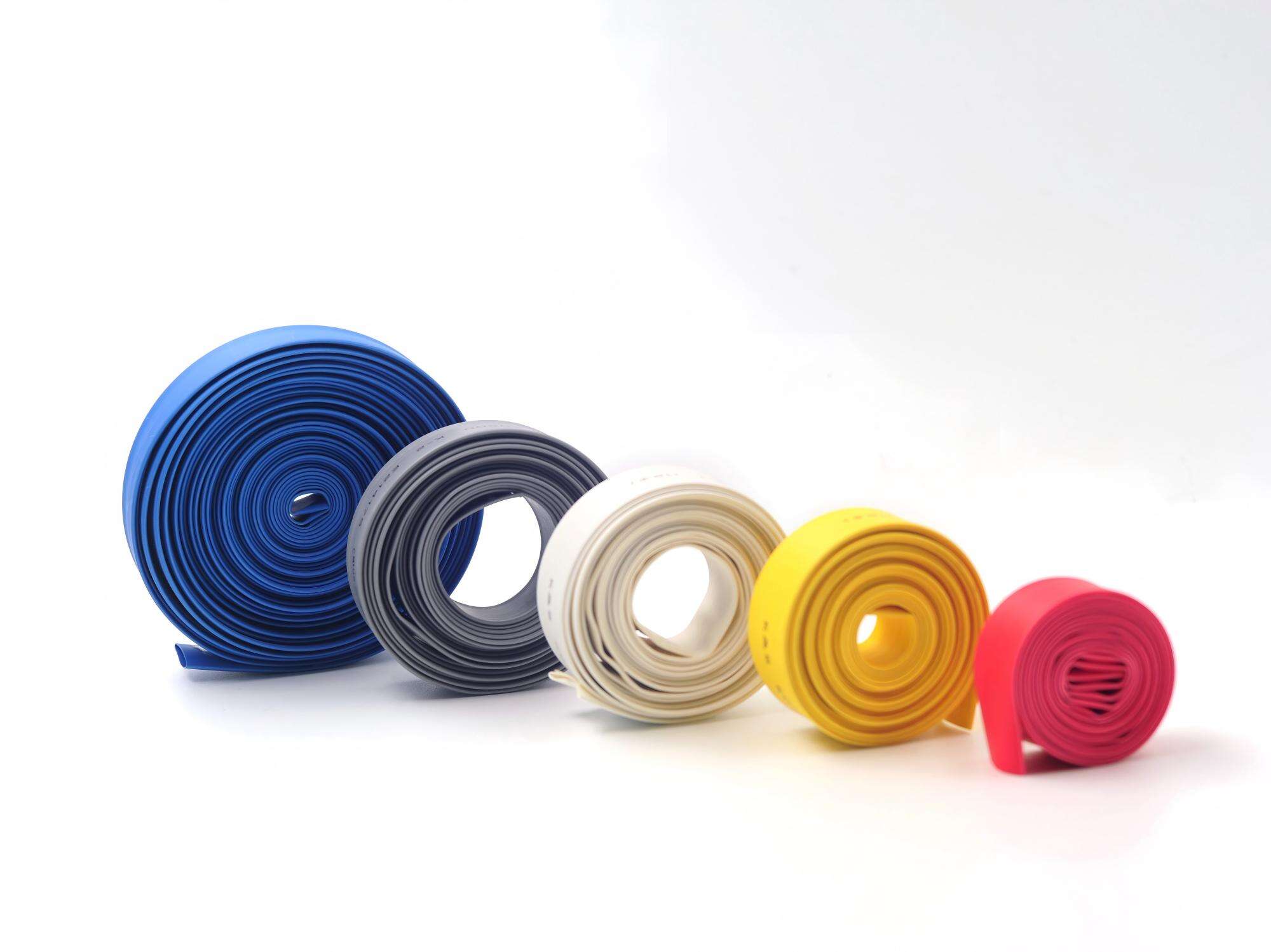
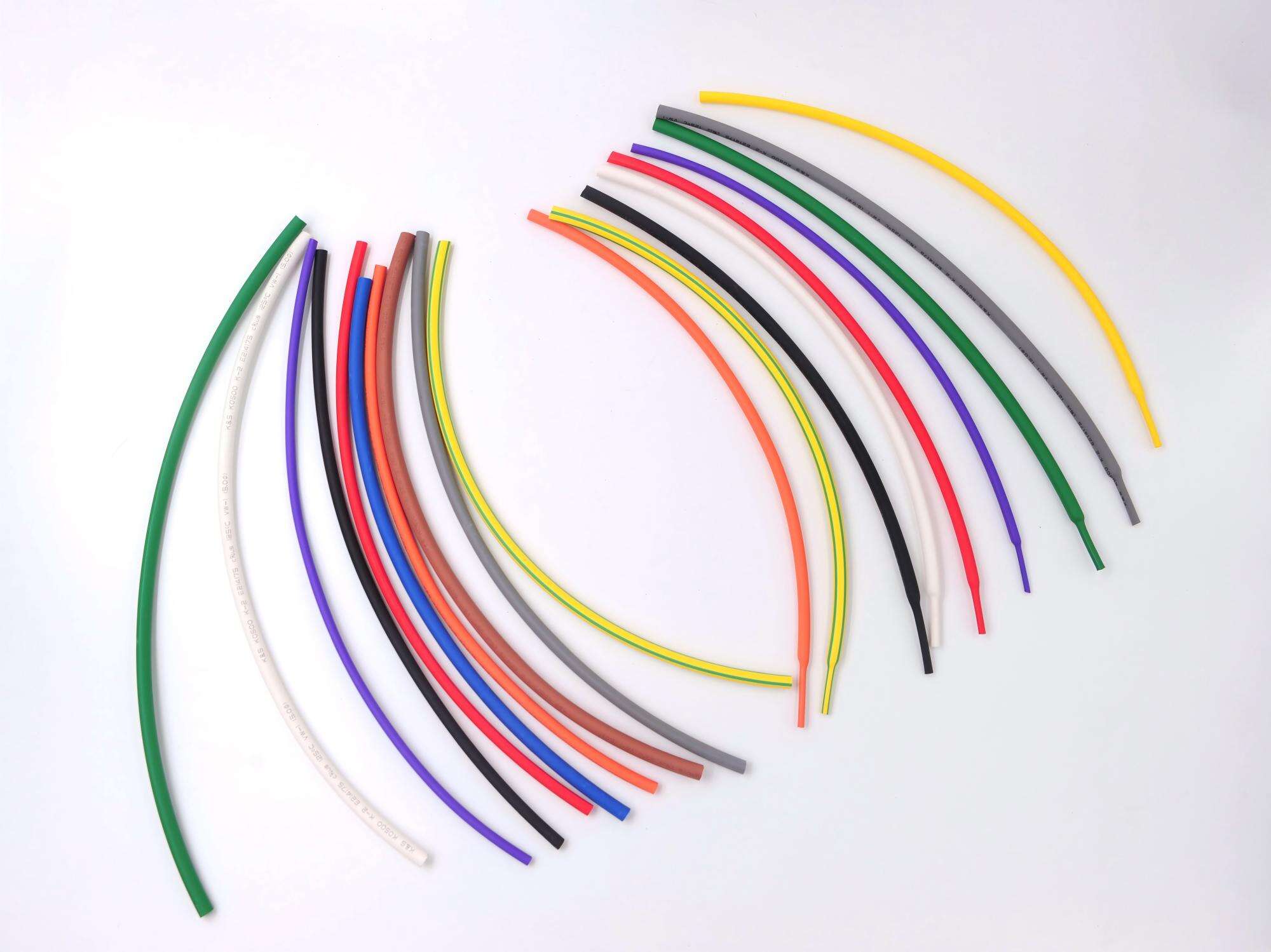
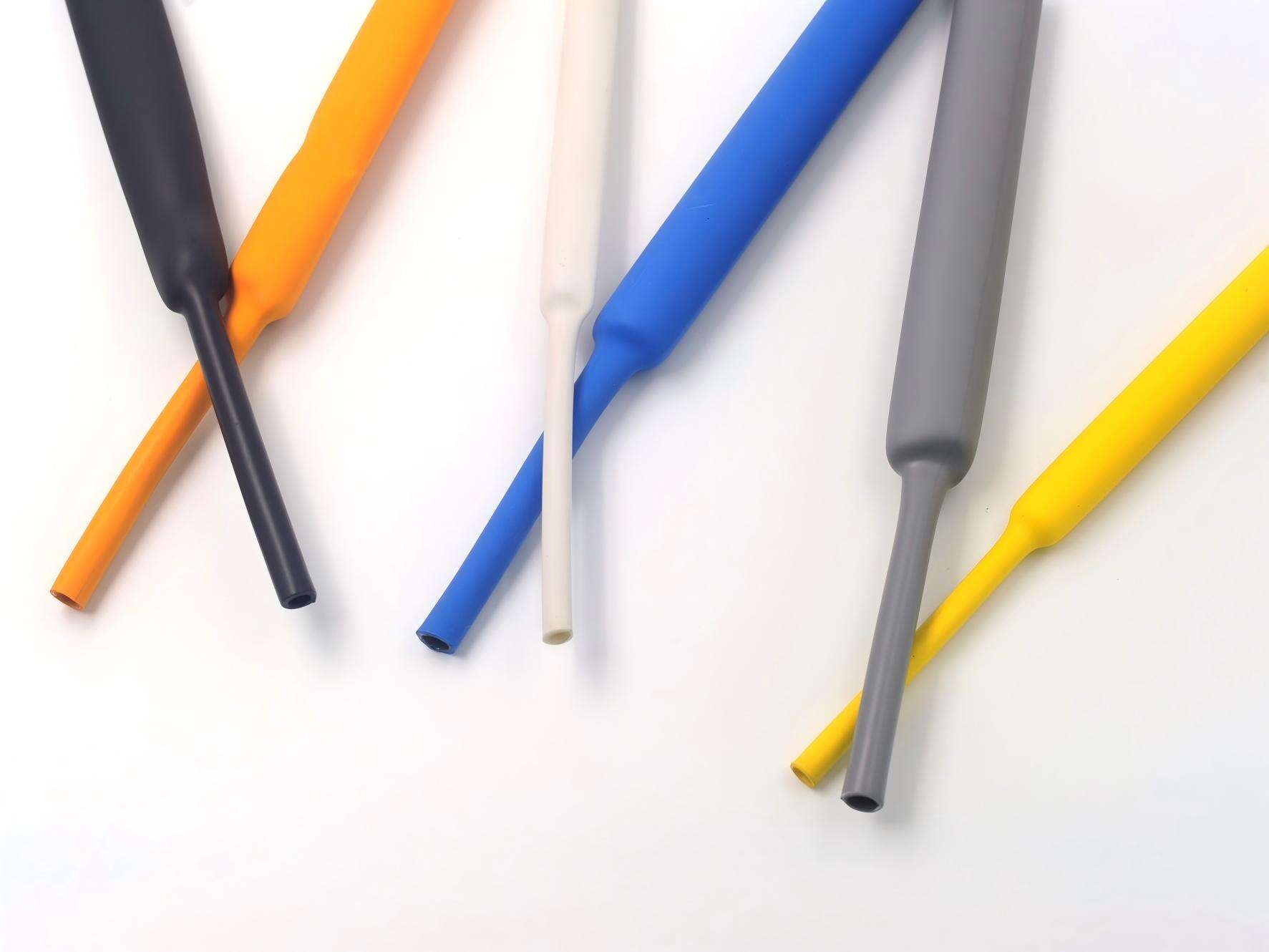
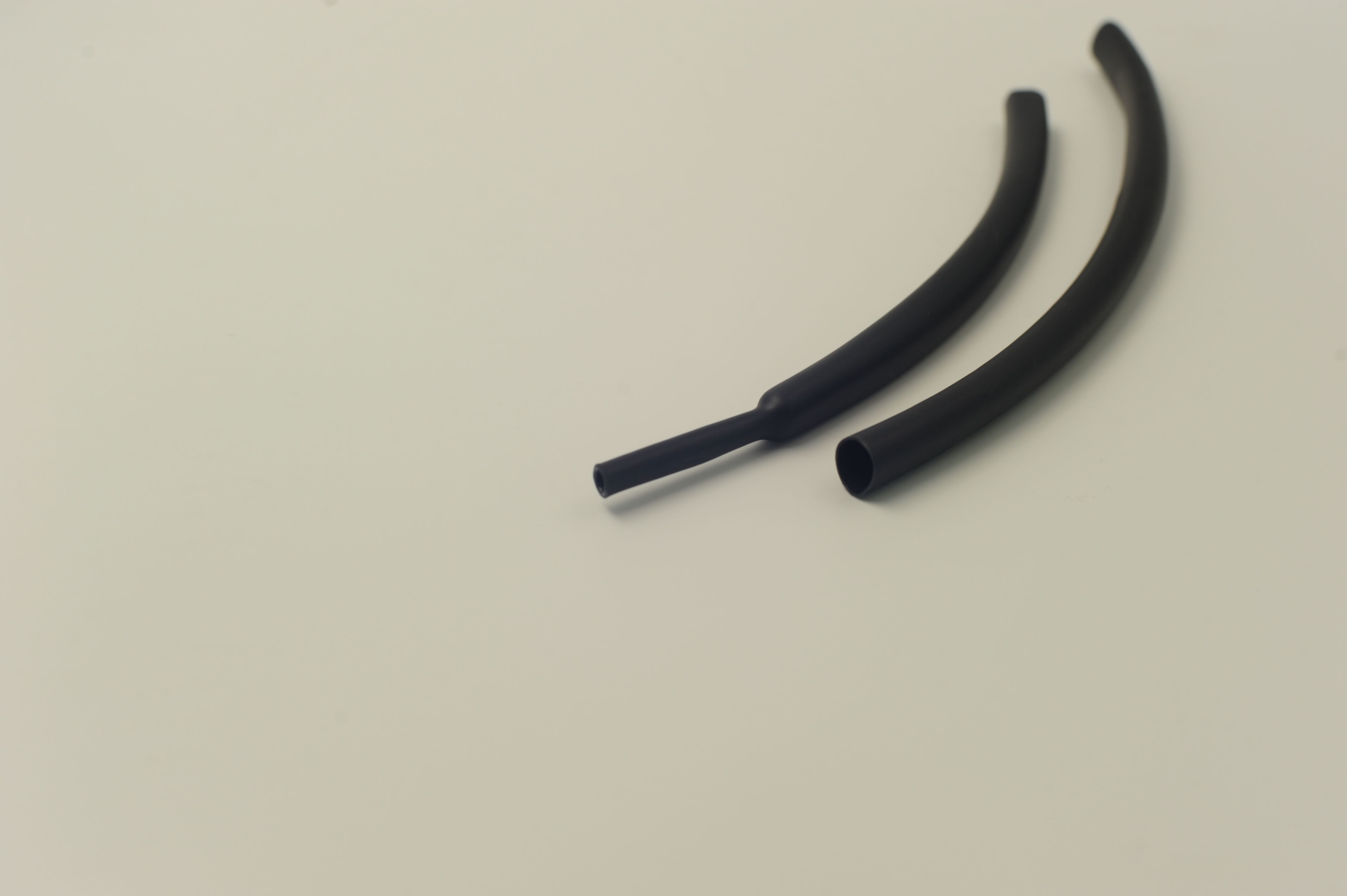
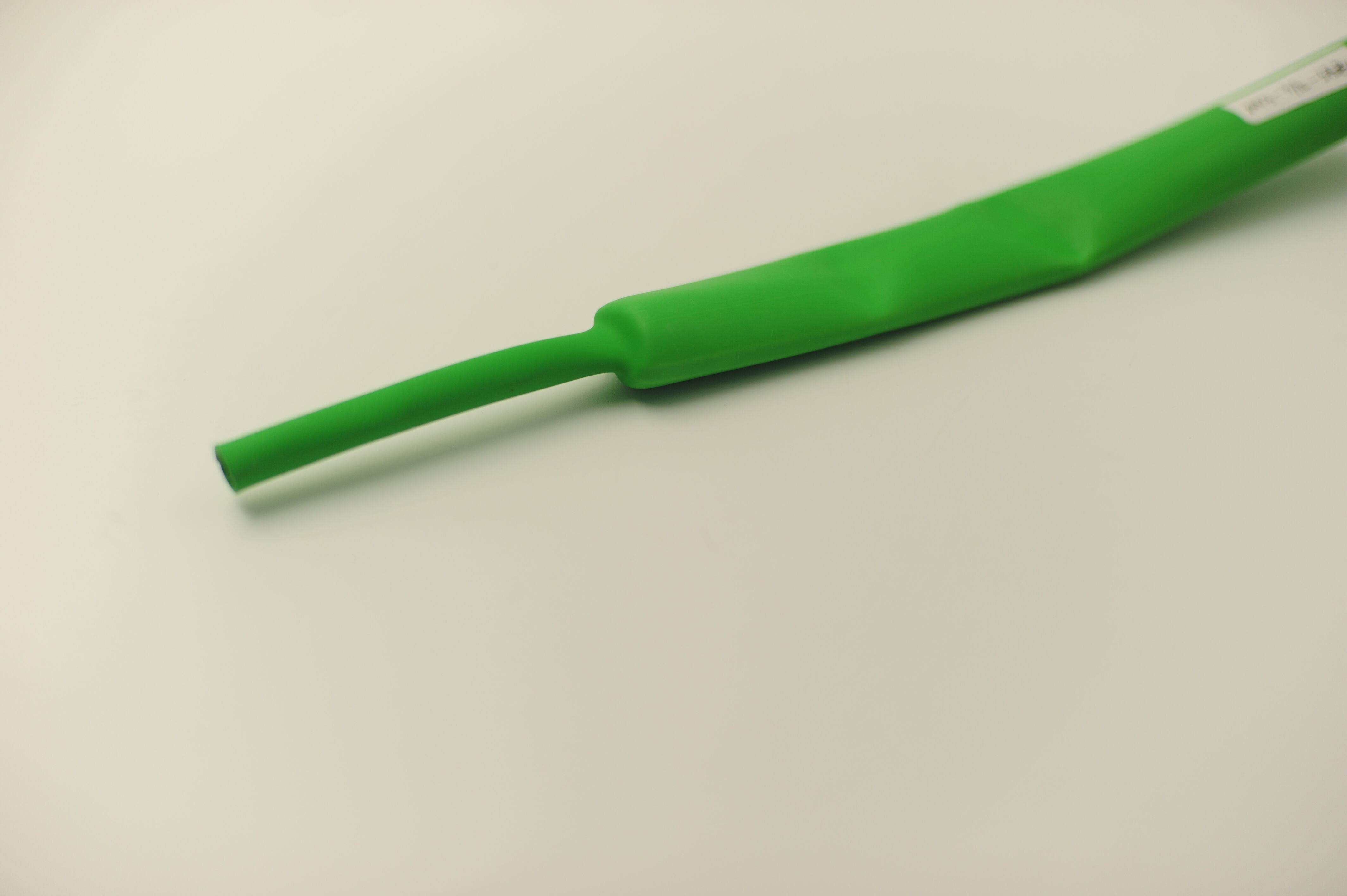
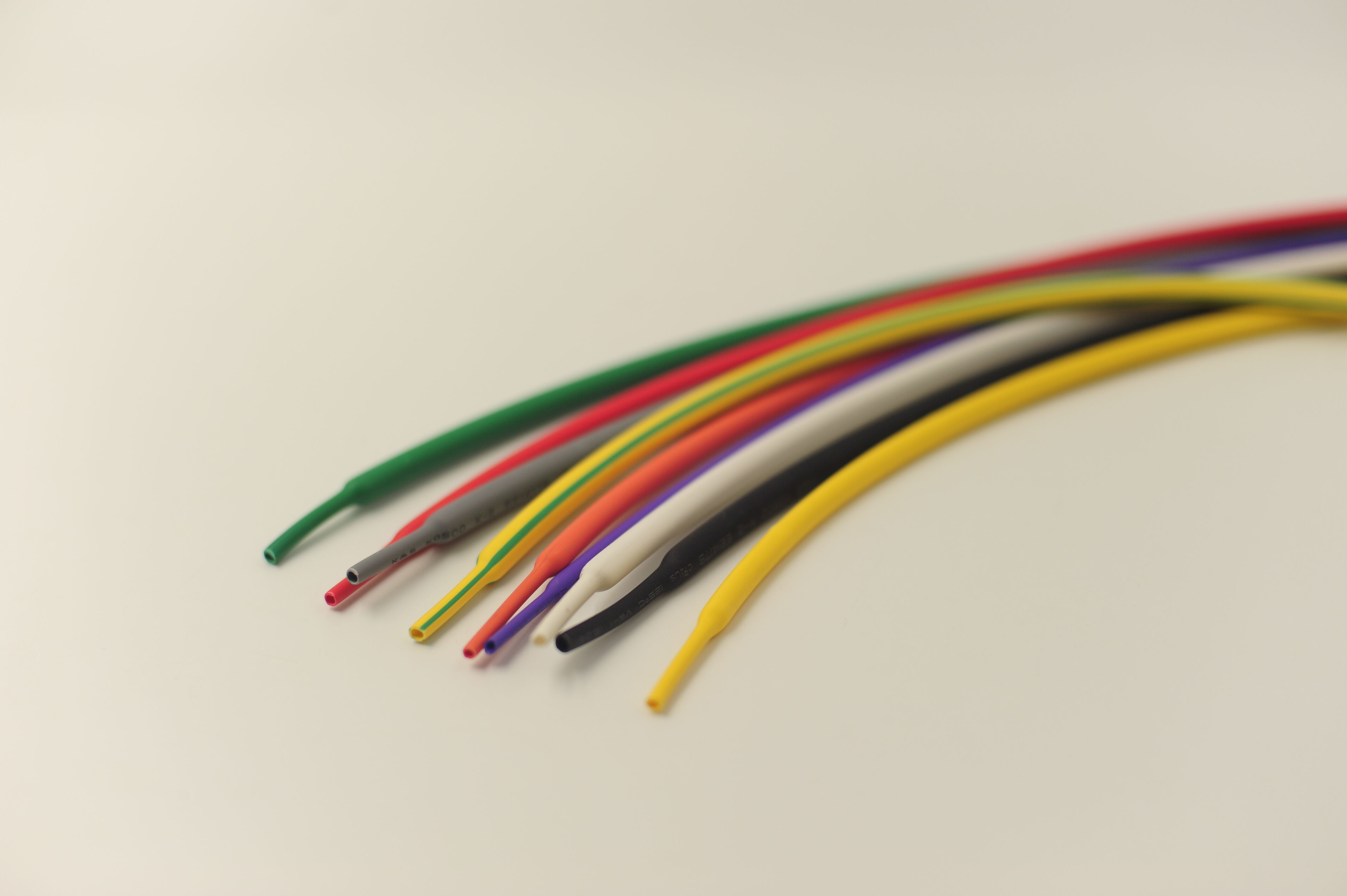
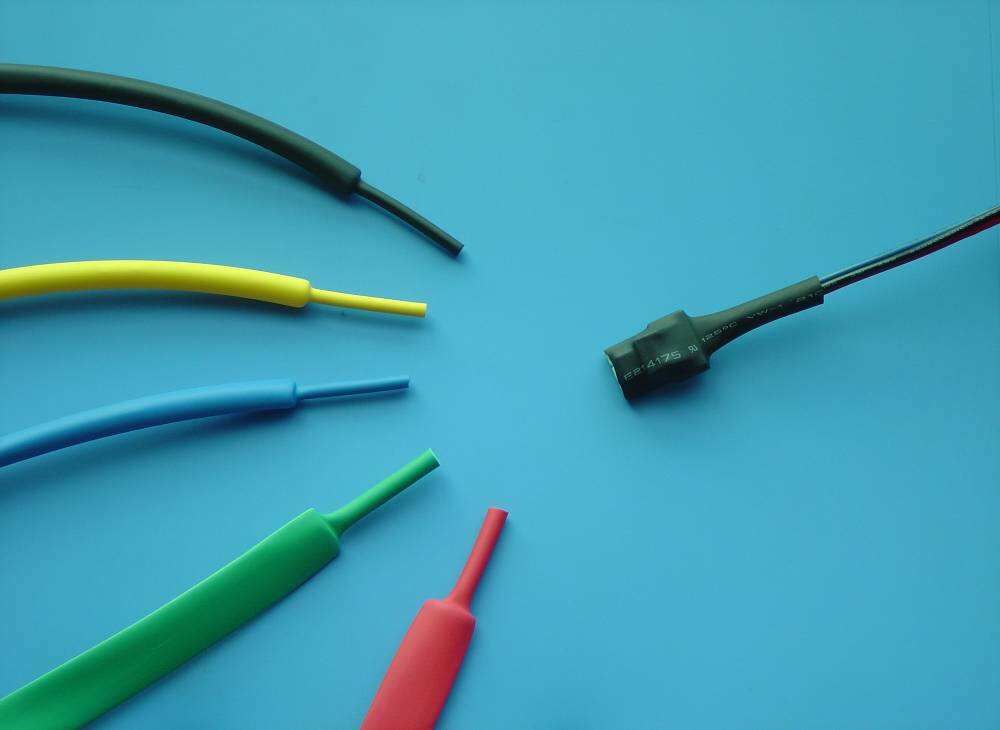
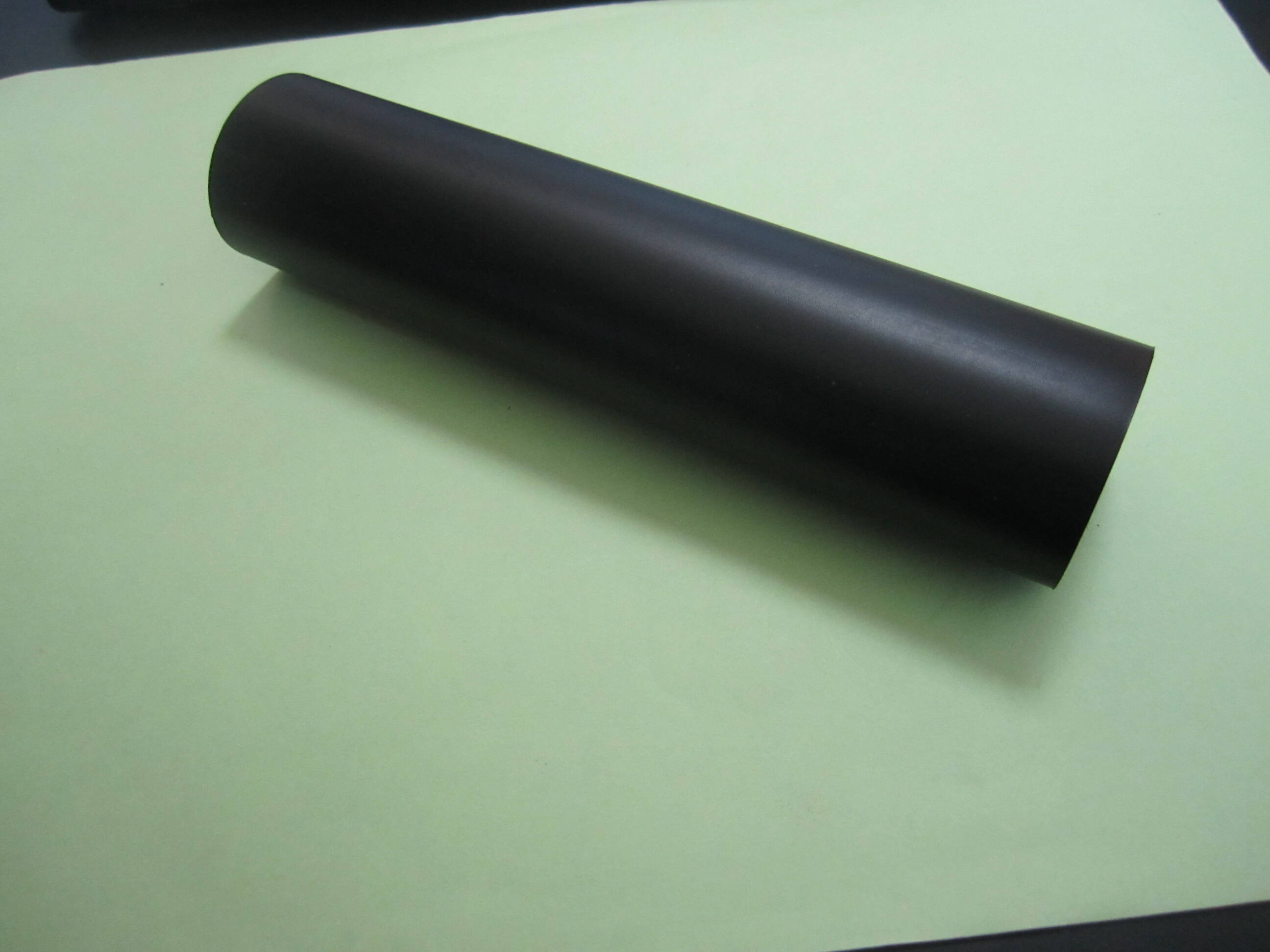
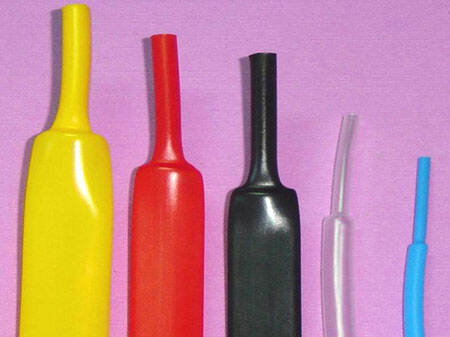
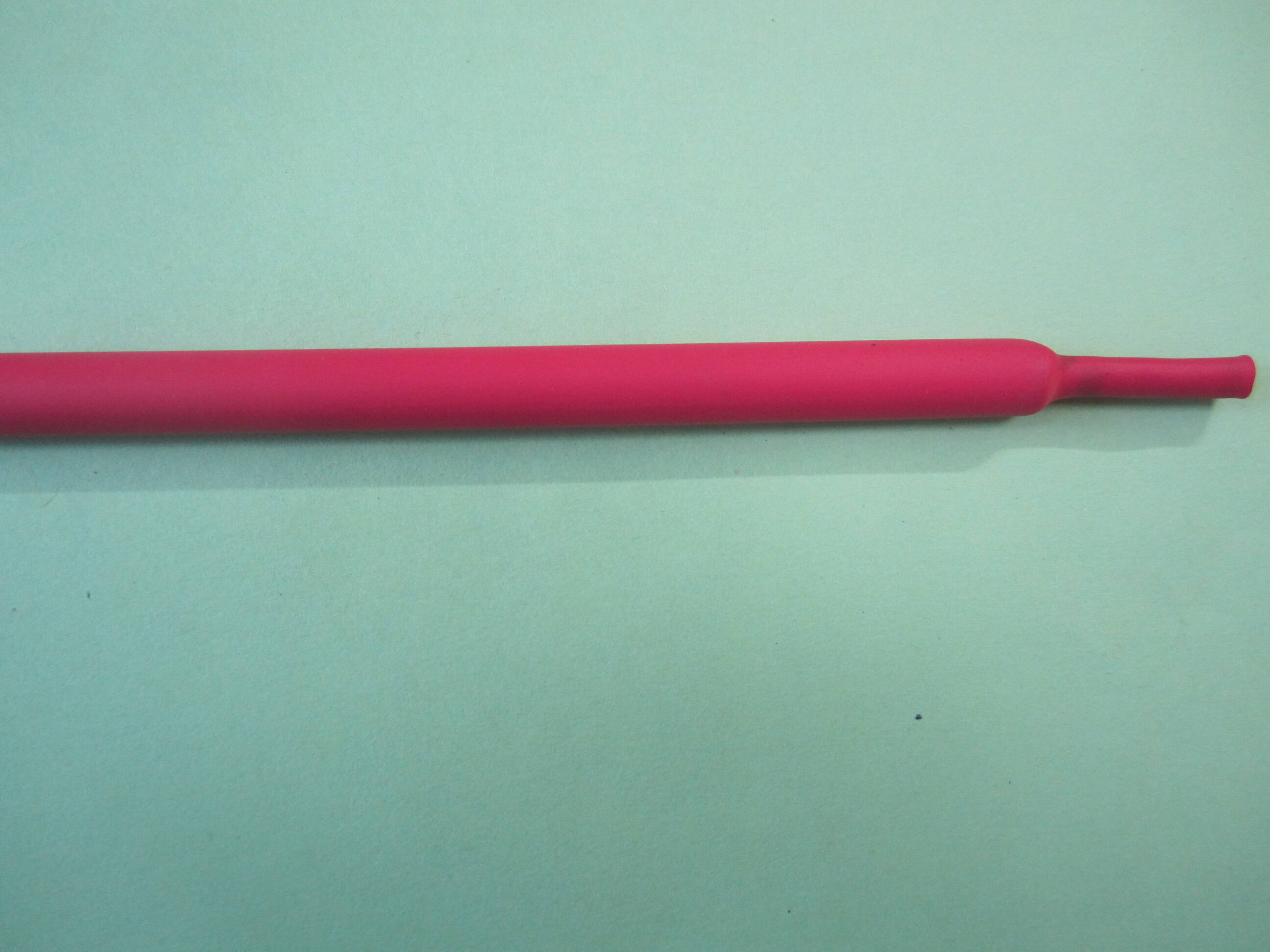
Heat shrinkable tubing for cable protection represents a revolutionary solution in electrical and telecommunications infrastructure management. This specialized polymer-based material serves as a protective barrier that contracts uniformly when exposed to controlled heat application, creating a secure, weatherproof seal around cables, connectors, and wire splices. The fundamental principle behind heat shrinkable tubing for cable protection involves memory polymer technology, where the material remembers its original smaller diameter and returns to that state when heated to activation temperature, typically between 120-200 degrees Celsius. This protective tubing comes in various materials including polyolefin, polyvinyl chloride, fluoropolymer, and elastomeric compounds, each engineered for specific environmental conditions and performance requirements. The versatility of heat shrinkable tubing for cable protection makes it indispensable across multiple industries, from aerospace and automotive to marine and residential electrical installations. Manufacturing processes involve cross-linking polymer chains through electron beam radiation or chemical methods, which creates the molecular structure necessary for the shrinking property. When properly installed, heat shrinkable tubing for cable protection provides exceptional resistance against moisture ingress, chemical exposure, abrasion damage, and temperature fluctuations. The installation process requires professional-grade heat guns or ovens to ensure uniform heating and proper activation. Quality heat shrinkable tubing for cable protection typically offers shrink ratios ranging from 2:1 to 6:1, allowing accommodation of various cable diameters and irregular shapes. Advanced formulations include adhesive-lined variants that create hermetic seals, dual-wall constructions for enhanced protection, and flame-retardant compositions meeting stringent safety standards. The longevity of heat shrinkable tubing for cable protection often exceeds 20 years under normal operating conditions, making it a cost-effective investment for long-term cable management solutions.

 EN
EN