PVC Tube vs Heat Shrink Tube: Complete Comparison Guide for Optimal Cable Protection Solutions

Get a Free Quote

Our representative will contact you soon.
Email
Name
Company Name
Message
0/1000

pvc tube vs heat shrink tube

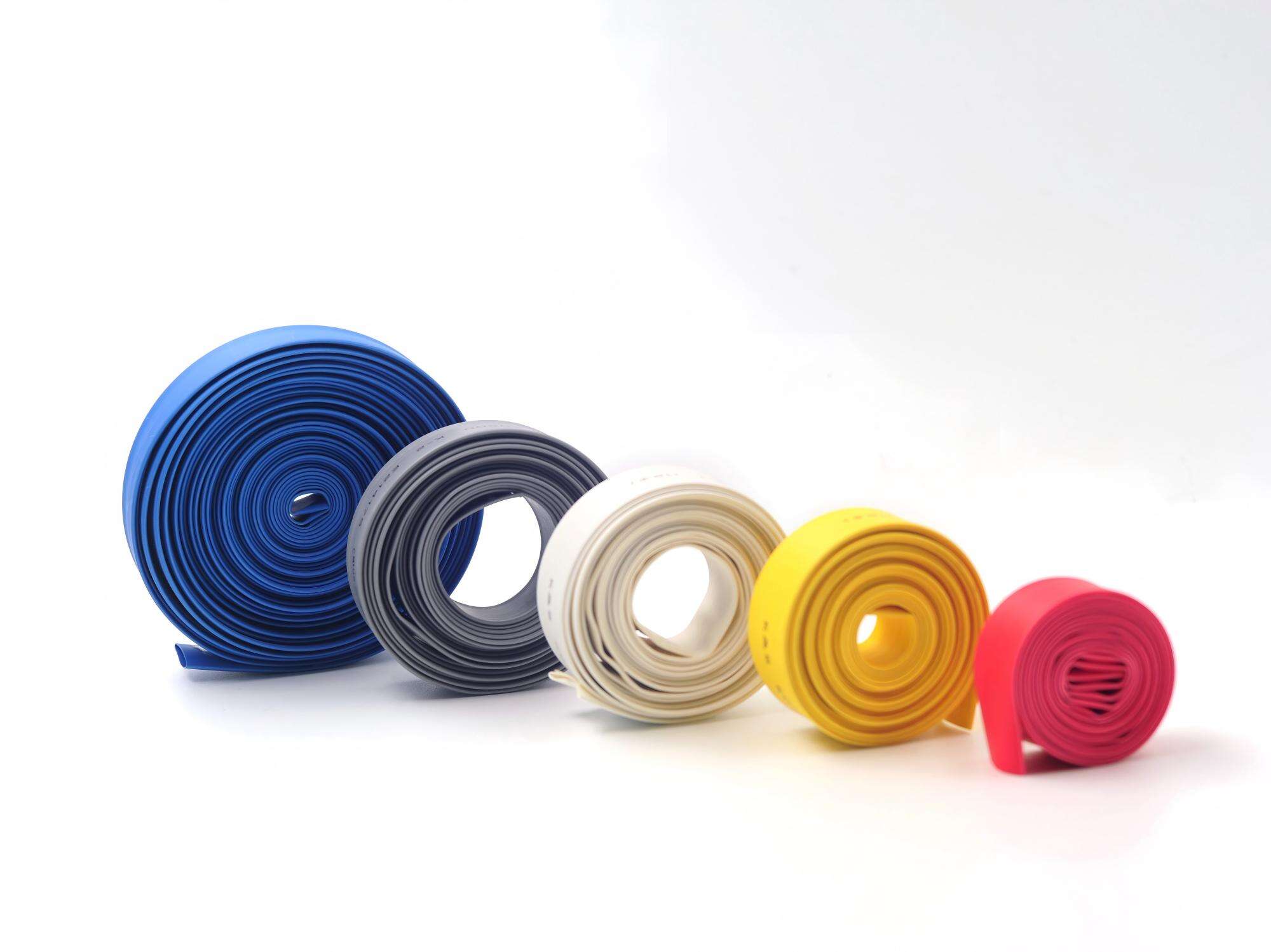
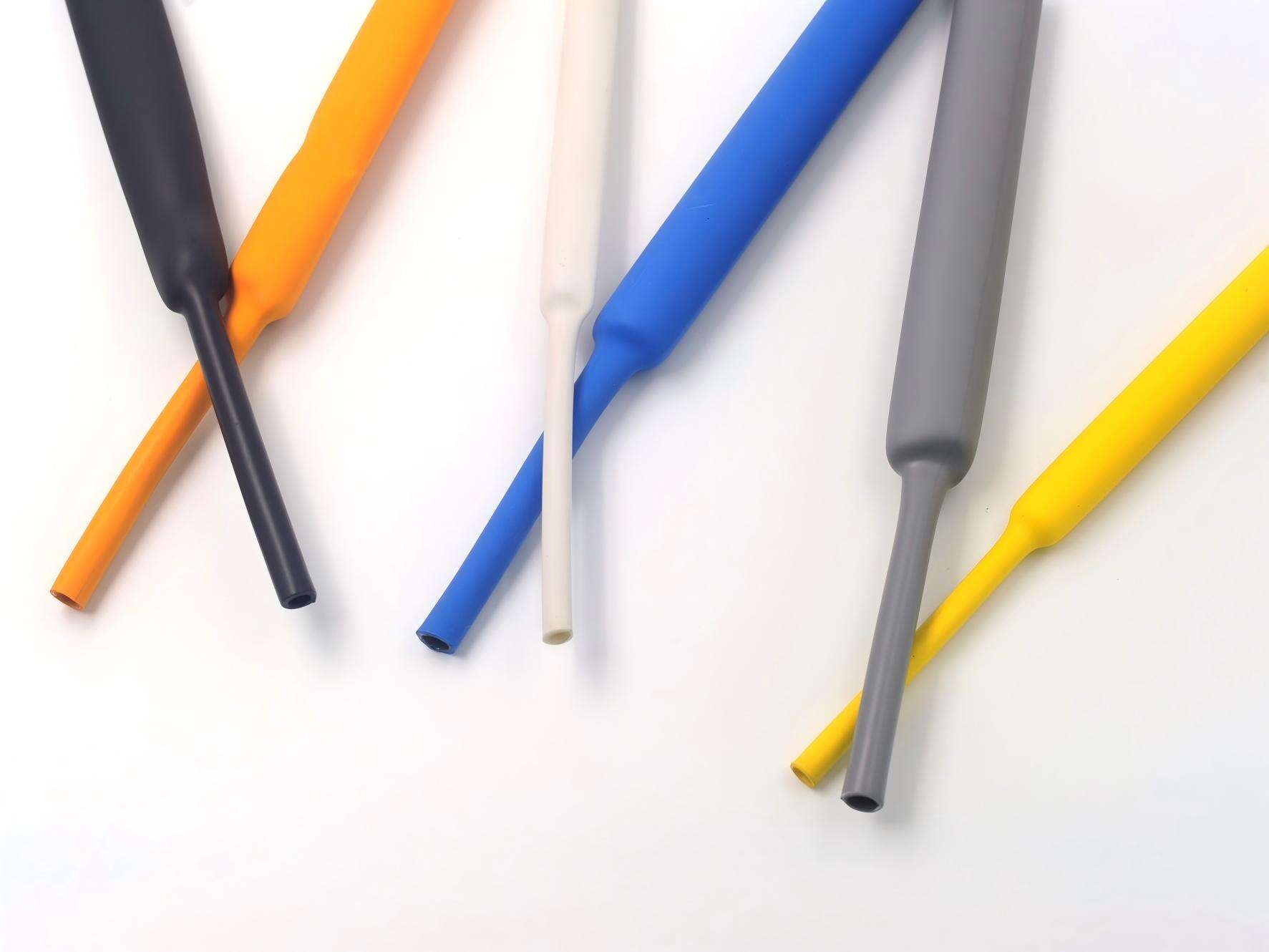
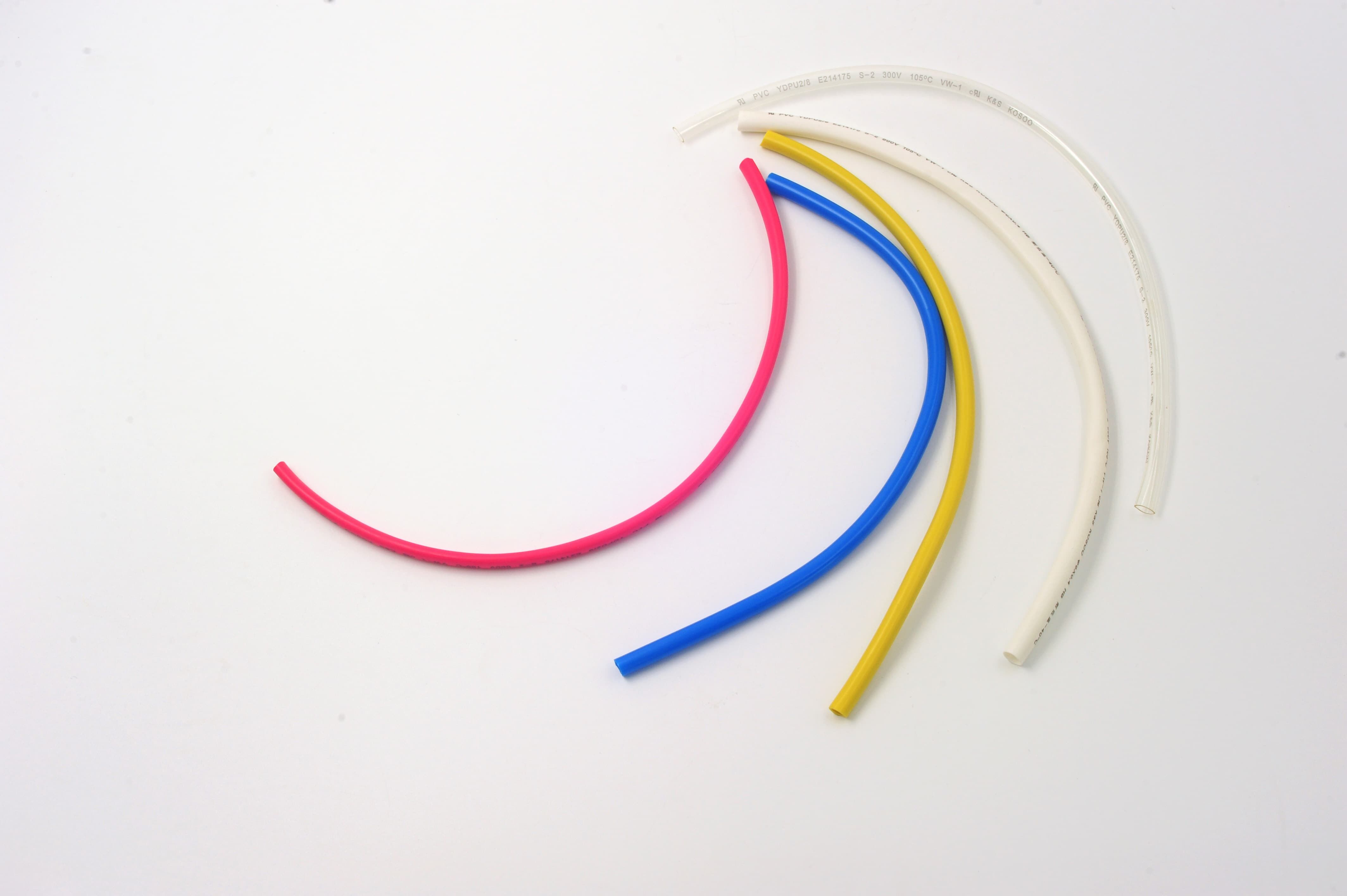
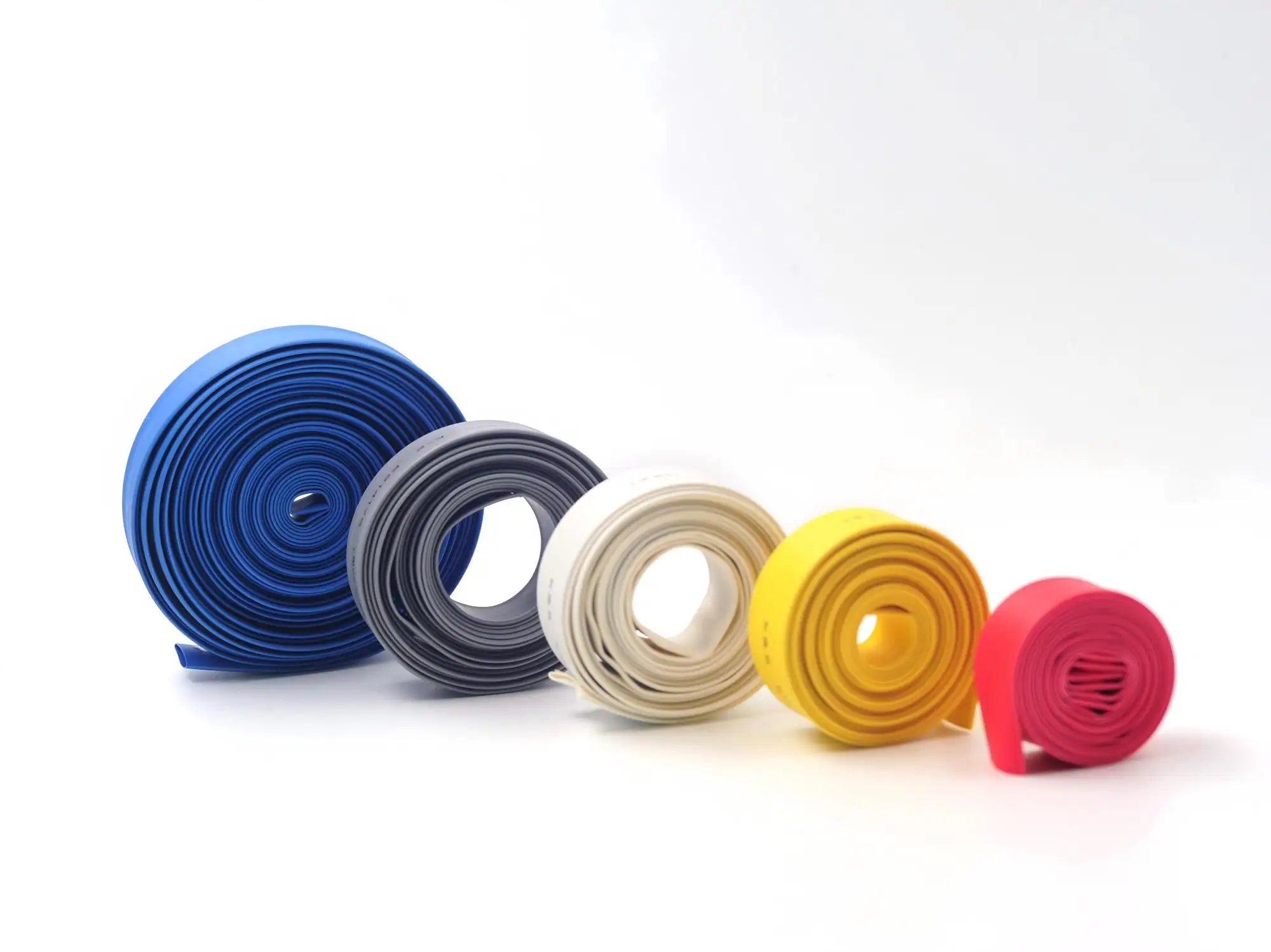
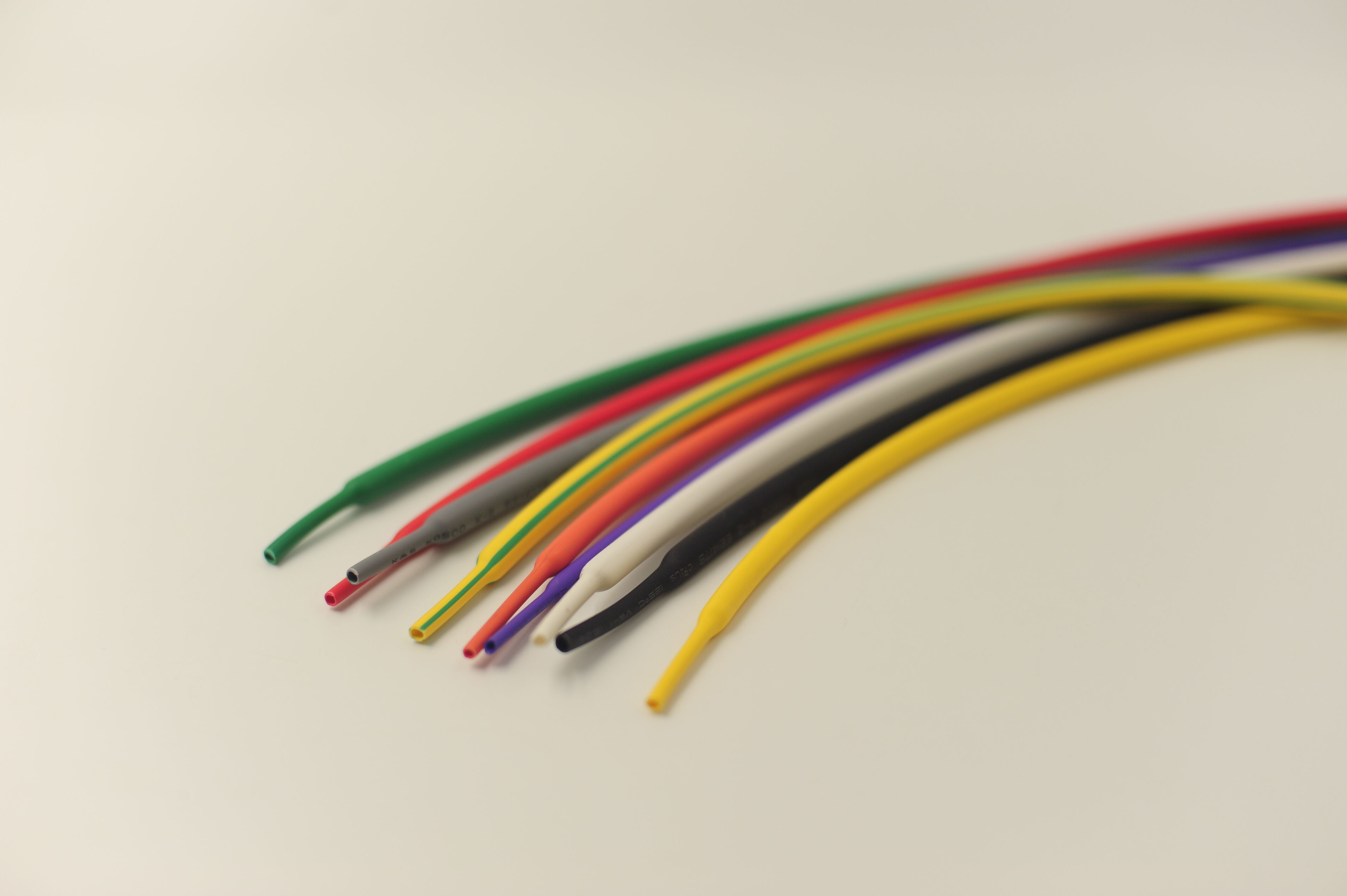
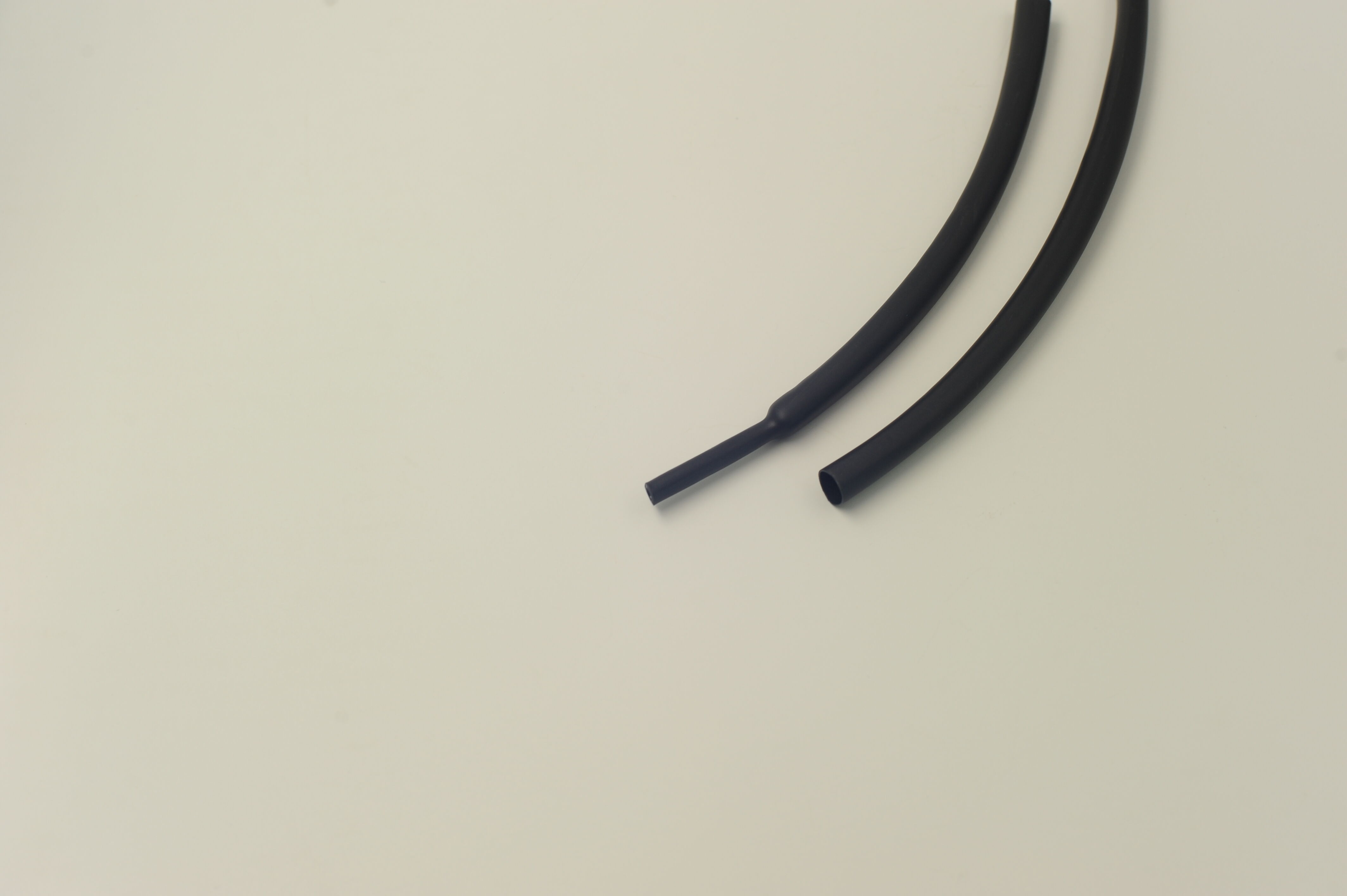
When comparing pvc tube vs heat shrink tube, understanding the fundamental differences between these two protective solutions becomes crucial for making informed decisions in electrical and industrial applications. PVC tubes represent a traditional approach to cable protection, offering rigid structure through polyvinyl chloride construction that maintains consistent dimensions regardless of temperature variations. These tubes provide excellent chemical resistance, UV stability, and long-term durability in various environmental conditions. Heat shrink tubes, conversely, utilize specialized polymer materials that contract when exposed to controlled heat application, creating a tight-fitting protective sleeve around cables, connections, and components. The technological foundation of pvc tube vs heat shrink tube reveals distinct manufacturing processes and material compositions. PVC tubes undergo extrusion processes that create uniform wall thickness and precise internal dimensions, ensuring consistent performance across different applications. Heat shrink tubes incorporate cross-linked polymers or elastomeric materials that expand during manufacturing, then shrink to predetermined sizes when heated between 70-150 degrees Celsius. Primary functions of both solutions include electrical insulation, mechanical protection, environmental sealing, and organizational benefits for cable management systems. PVC tubes excel in applications requiring permanent installation, structural support, and resistance to abrasive conditions. Heat shrink tubes provide superior conformability, strain relief, and moisture sealing capabilities through their shrinking mechanism. Applications for pvc tube vs heat shrink tube span across telecommunications, automotive, aerospace, marine, and construction industries. PVC tubes commonly protect underground cables, outdoor installations, and high-traffic areas where mechanical impact resistance proves essential. Heat shrink tubes find extensive use in electronic assemblies, wire harnesses, connector sealing, and repair applications where precise fitting and environmental protection remain paramount for operational success and longevity.


Popular Products

The advantages of pvc tube vs heat shrink tube present compelling reasons for selecting the appropriate solution based on specific project requirements and performance expectations. PVC tubes deliver exceptional cost-effectiveness for large-scale installations, offering lower material costs per linear foot compared to specialized heat shrink alternatives. Installation simplicity represents another significant advantage, as PVC tubes require no special heating equipment, making them accessible for field technicians without specialized training or tools. The rigid structure of PVC tubes provides superior crush resistance and mechanical protection, making them ideal for underground installations, concrete encasement, and high-traffic areas where physical impact poses constant threats to cable integrity. Heat shrink tubes offer unmatched versatility through their ability to conform to irregular shapes, multiple cable configurations, and complex geometries that rigid PVC cannot accommodate effectively. The shrinking process creates hermetic seals around connections, providing superior moisture protection and environmental isolation compared to traditional PVC installations. Memory retention properties of heat shrink materials ensure consistent performance over extended periods, maintaining tight fits even under thermal cycling conditions that might affect other protective solutions. Temperature performance characteristics highlight another crucial advantage in the pvc tube vs heat shrink tube comparison. PVC tubes maintain dimensional stability across wide temperature ranges, preventing expansion-related installation issues in extreme climates. Heat shrink tubes provide flexible protection that adapts to thermal expansion and contraction of underlying cables, reducing stress concentrations that could lead to premature failure. Chemical compatibility advantages vary between solutions, with PVC tubes offering broad resistance to acids, alkalis, and organic solvents, while specialized heat shrink formulations provide targeted resistance to specific chemicals, fuels, and hydraulic fluids. Installation efficiency represents a significant practical advantage, as PVC tubes allow for easy cable pulling and replacement without system disassembly, while heat shrink tubes provide permanent protection that eliminates maintenance requirements for properly installed systems. Customization options for both solutions address diverse application needs, with PVC tubes available in various colors, wall thicknesses, and internal diameters, while heat shrink tubes offer different shrink ratios, operating temperatures, and specialized properties like flame retardancy or UV resistance.

Tips And Tricks

How Does Heat Shrinkable Tube Prevent Moisture Damage in Wiring?

07

Apr

How Does Heat Shrinkable Tube Prevent Moisture Damage in Wiring?

Moisture damage in electrical wiring systems represents one of the most persistent and costly challenges faced by industrial facilities, construction projects, and infrastructure maintenance teams. When water infiltrates wire connections, junction po...
View More
How Is Heat Shrinkable Tube Applied in Power Cable Joint Protection?

10

Apr

How Is Heat Shrinkable Tube Applied in Power Cable Joint Protection?

Heat shrinkable tube application in power cable joint protection represents a critical process that ensures long-term electrical system reliability and safety. This specialized protective method involves applying thermally activated polymer sleeves o...
View More
How Is Heat Shrinkable Tube Used in Cable Insulation Applications?

17

Apr

How Is Heat Shrinkable Tube Used in Cable Insulation Applications?

Heat shrinkable tube represents a critical component in modern cable insulation applications, offering engineers and technicians a reliable method to protect electrical connections from environmental hazards and mechanical stress. When heated, these ...
View More
Why Do OEM Manufacturers Choose Heat Shrinkable Tube for Wiring Systems?

27

Apr

Why Do OEM Manufacturers Choose Heat Shrinkable Tube for Wiring Systems?

OEM manufacturers across industries consistently face the challenge of protecting wiring systems while maintaining production efficiency and cost-effectiveness. The selection of appropriate wire protection solutions directly impacts product reliabili...
View More

Get a Free Quote

Our representative will contact you soon.
Email
Name
Company Name
Message
0/1000

pvc tube vs heat shrink tube

Superior Environmental Protection and Sealing Capabilities

Superior Environmental Protection and Sealing Capabilities

The environmental protection capabilities of pvc tube vs heat shrink tube showcase fundamentally different approaches to safeguarding electrical systems against moisture, chemicals, and atmospheric contaminants. Heat shrink tubes excel in creating watertight seals through their unique shrinking mechanism, which eliminates gaps and creates continuous barriers around cable assemblies. When properly installed, heat shrink tubes form hermetic seals that prevent moisture ingress, salt spray penetration, and contamination from reaching sensitive electrical connections. This sealing capability proves particularly valuable in marine applications, outdoor installations, and industrial environments where exposure to harsh chemicals or corrosive atmospheres threatens system reliability. The cross-linked polymer construction of heat shrink tubes provides molecular-level adhesion to cable jackets, creating bonds that resist separation under thermal cycling, vibration, and mechanical stress. PVC tubes offer different environmental protection advantages through their rigid construction and chemical resistance properties. The continuous wall structure of PVC tubes provides excellent barrier protection against rodent damage, mechanical impact, and abrasive conditions that might compromise flexible alternatives. UV stabilization in PVC formulations ensures long-term performance in outdoor applications without degradation from solar radiation exposure. The smooth interior surface of PVC tubes facilitates easy cable installation and replacement while preventing damage during pulling operations. Chemical resistance characteristics make PVC tubes suitable for installations in chemical processing facilities, laboratories, and industrial plants where exposure to acids, bases, and organic solvents occurs regularly. The comparison of pvc tube vs heat shrink tube in environmental protection reveals that application-specific requirements determine optimal selection. Heat shrink tubes provide superior protection for connections, splices, and terminations where complete environmental isolation remains critical. PVC tubes offer robust protection for cable runs, conduit systems, and installations requiring long-term mechanical stability and chemical resistance.
Installation Flexibility and Operational Convenience

Installation Flexibility and Operational Convenience

Installation considerations for pvc tube vs heat shrink tube reveal significant differences in application methods, required tools, and operational convenience that impact project timelines and labor costs. PVC tubes offer unparalleled installation simplicity through their rigid construction, allowing for straightforward cutting, fitting, and connection using standard hand tools available in most electrical toolkits. The installation process requires no specialized heating equipment, temperature monitoring, or environmental controls, making PVC tubes ideal for field installations where access to power sources or controlled environments may be limited. Cable pulling through PVC tubes utilizes conventional techniques with appropriate lubricants, enabling efficient installation of multiple conductors simultaneously. The rigid structure maintains consistent internal dimensions throughout the installation process, preventing collapse or deformation that could impede cable insertion or removal. Modification and expansion capabilities allow technicians to easily cut access points, add junction boxes, or extend systems without compromising protective integrity. Heat shrink tubes provide different installation advantages through their flexibility and conformability characteristics. The installation process begins with sliding the tube over cables before making connections, then applying controlled heat to achieve proper shrinkage and sealing. Modern heat guns and shrinking ovens provide precise temperature control, ensuring consistent results without overheating or under-shrinking that could compromise performance. The flexibility of heat shrink tubes allows installation in confined spaces, around obstacles, and over irregular cable configurations that rigid PVC cannot accommodate. Memory properties ensure proper shrinkage even with minor temperature variations, reducing installation sensitivity and improving field reliability. The operational convenience comparison of pvc tube vs heat shrink tube extends beyond initial installation to include maintenance, modification, and system expansion considerations. PVC tube systems allow for easy access through removable sections, facilitating cable additions, replacements, and troubleshooting without extensive system disassembly. Heat shrink installations provide permanent protection that eliminates ongoing maintenance requirements, reducing lifecycle costs and improving system reliability through reduced access points for contamination or moisture ingress.
Cost-Effectiveness and Long-Term Value Proposition

Cost-Effectiveness and Long-Term Value Proposition

The cost-effectiveness analysis of pvc tube vs heat shrink tube encompasses initial material costs, installation expenses, maintenance requirements, and long-term performance value that significantly impact total project economics. PVC tubes provide exceptional cost advantages for large-scale installations through lower material costs per linear foot, reduced tooling requirements, and simplified installation procedures that minimize labor expenses. Bulk purchasing options for PVC tubes offer additional savings for major projects, while standardized dimensions ensure compatibility with existing fittings, connectors, and support systems. The durability characteristics of PVC construction deliver extended service life with minimal maintenance requirements, providing excellent return on investment for permanent installations. Recyclability of PVC materials supports environmental sustainability initiatives while potentially recovering material value at end-of-life. Heat shrink tubes present different cost considerations through higher initial material costs offset by superior performance characteristics and reduced system complexity. The elimination of mechanical fittings, gaskets, and sealing compounds in heat shrink installations reduces component costs and potential failure points. Labor efficiency gains from faster installation of heat shrink solutions, particularly for small-scale applications and repair work, can offset higher material costs through reduced project duration and labor expenses. The permanent nature of heat shrink installations eliminates ongoing maintenance costs associated with gasket replacement, fitting adjustments, and seal inspections required for mechanical protection systems. Long-term value propositions for pvc tube vs heat shrink tube depend heavily on application requirements and operational environments. PVC tubes provide superior value for applications requiring frequent access, system modifications, or cable replacements due to their reusable nature and easy disassembly characteristics. The standardized dimensions and widespread availability of PVC tubes ensure consistent pricing and supply chain stability for ongoing projects. Heat shrink tubes offer superior value in applications where permanent protection, environmental sealing, and maintenance-free operation justify higher initial costs through reduced lifecycle expenses. The reliability advantages of properly installed heat shrink systems reduce system downtime, repair costs, and replacement expenses that can significantly impact operational budgets. Performance consistency over extended periods ensures predictable operational costs and reduces unexpected maintenance expenses that might arise from seal failures or environmental contamination in alternative protection systems.

Get a Free Quote

Our representative will contact you soon.
Email
Name
Company Name
Message
0/1000