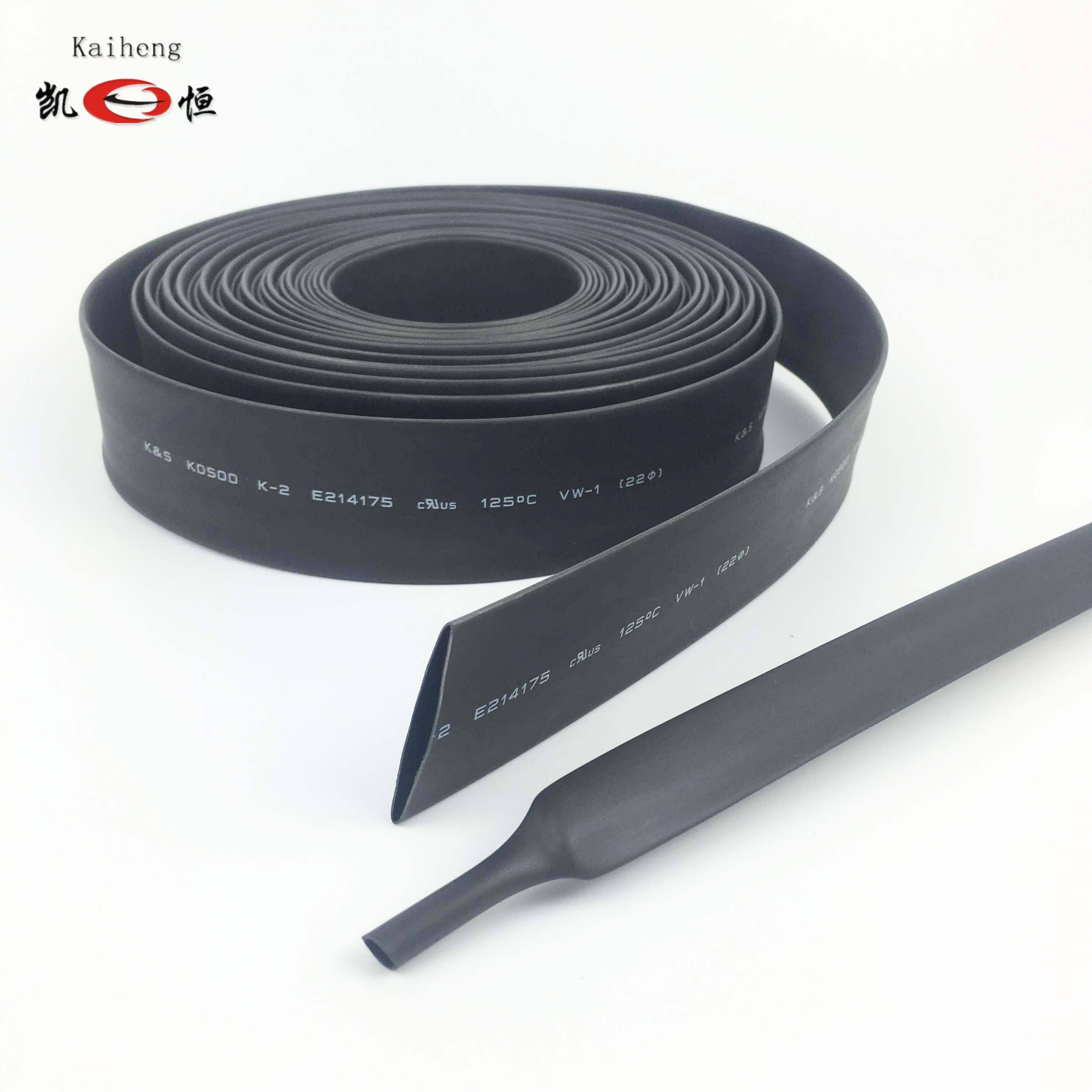
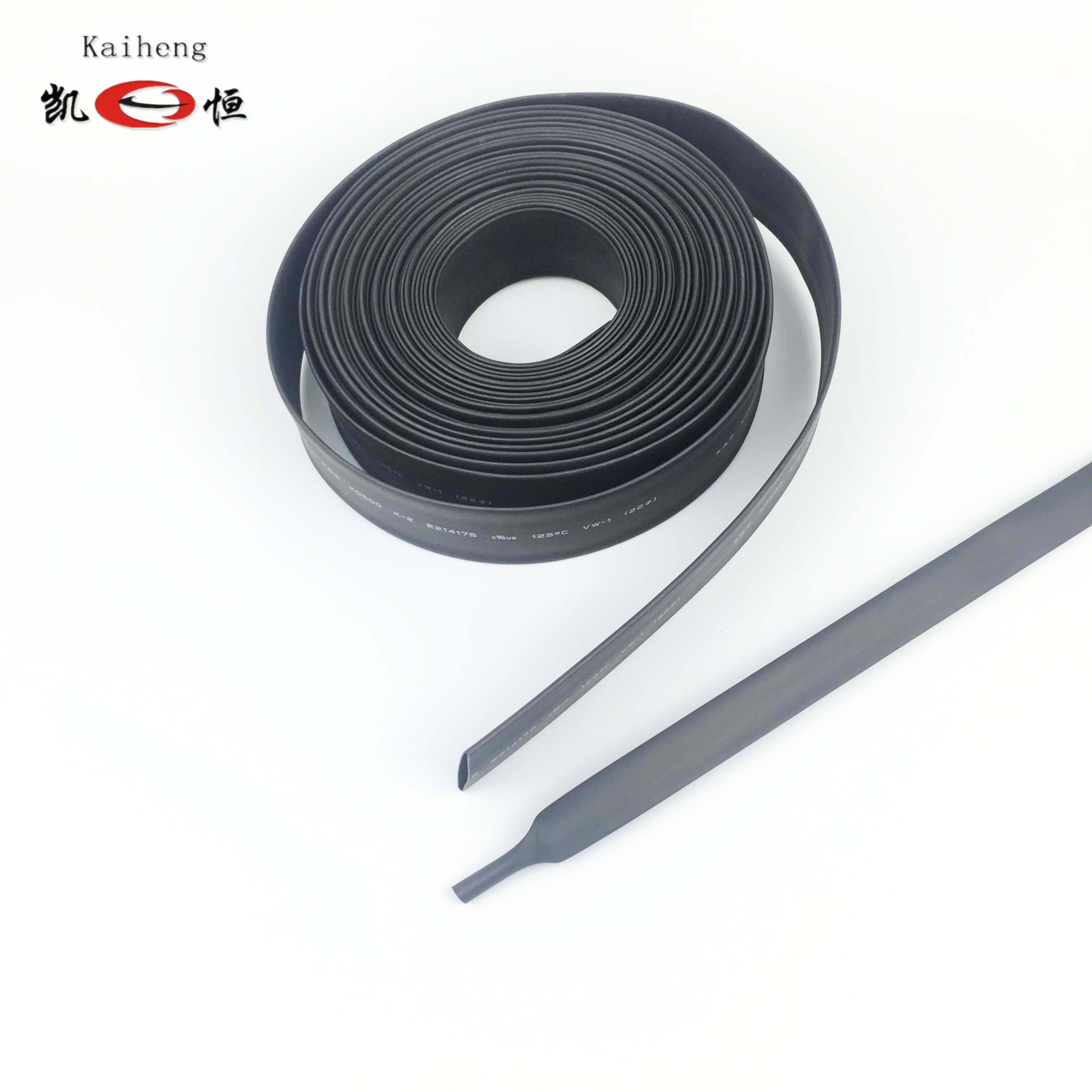
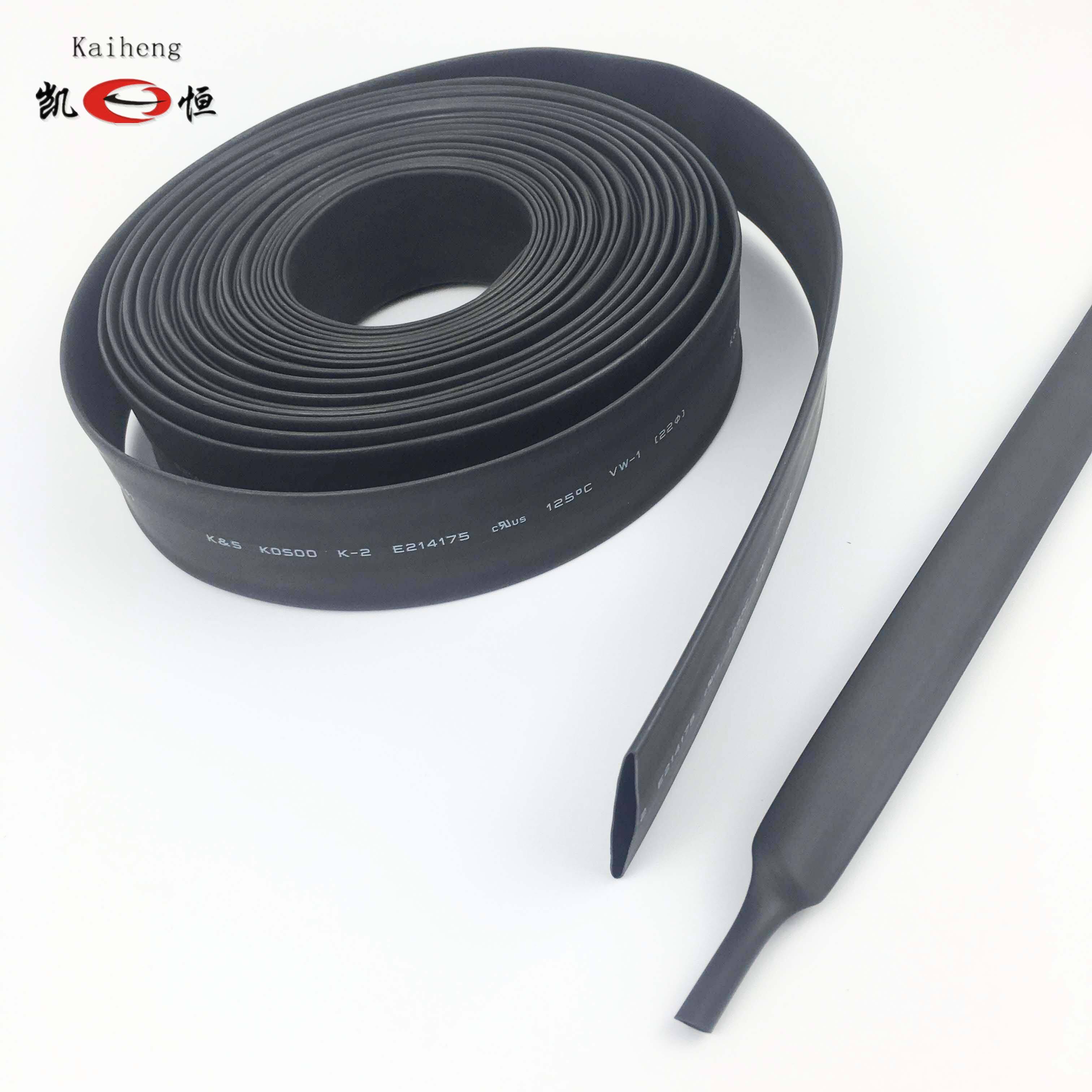
waterproof shrink wrap tubing
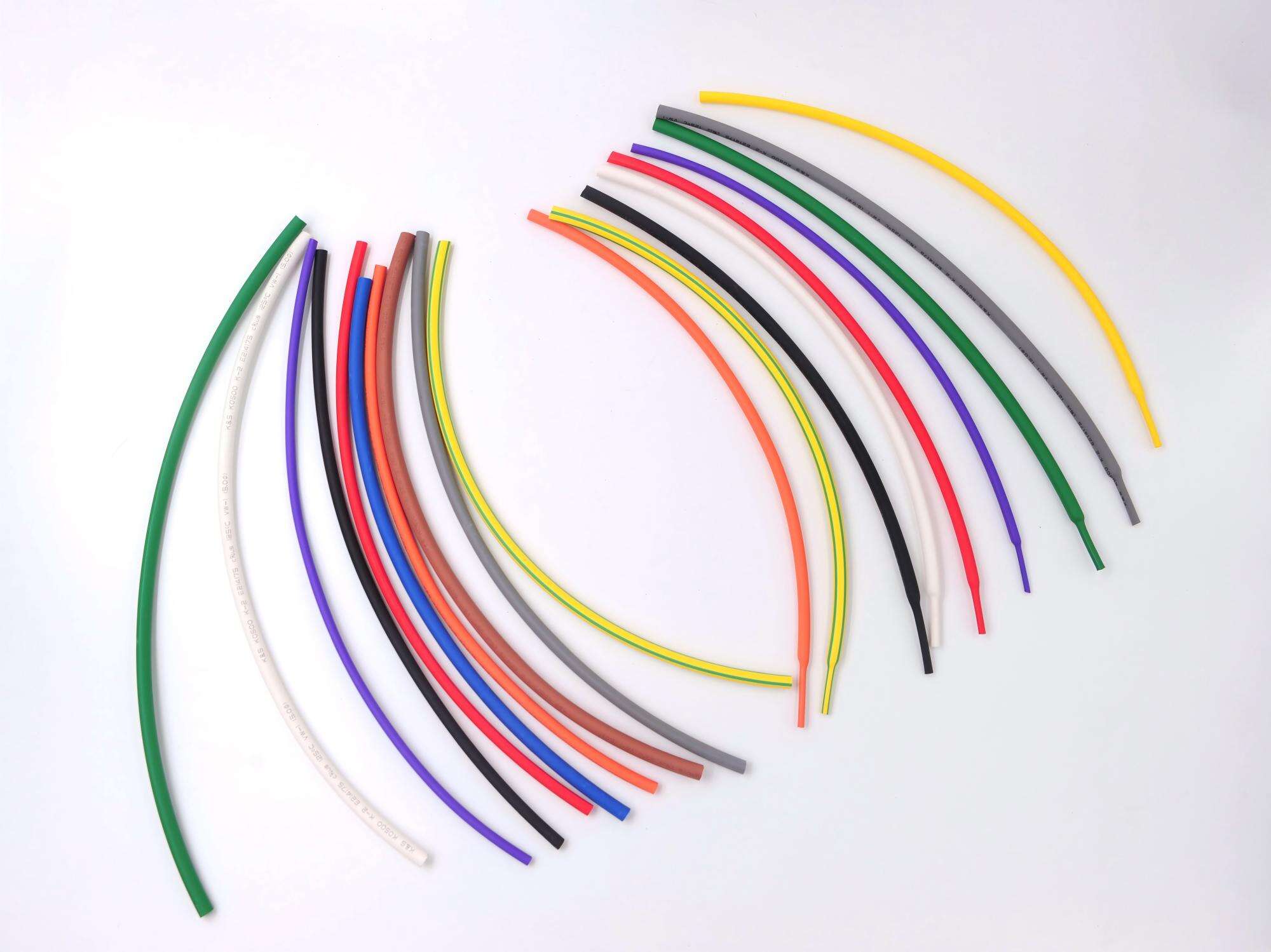
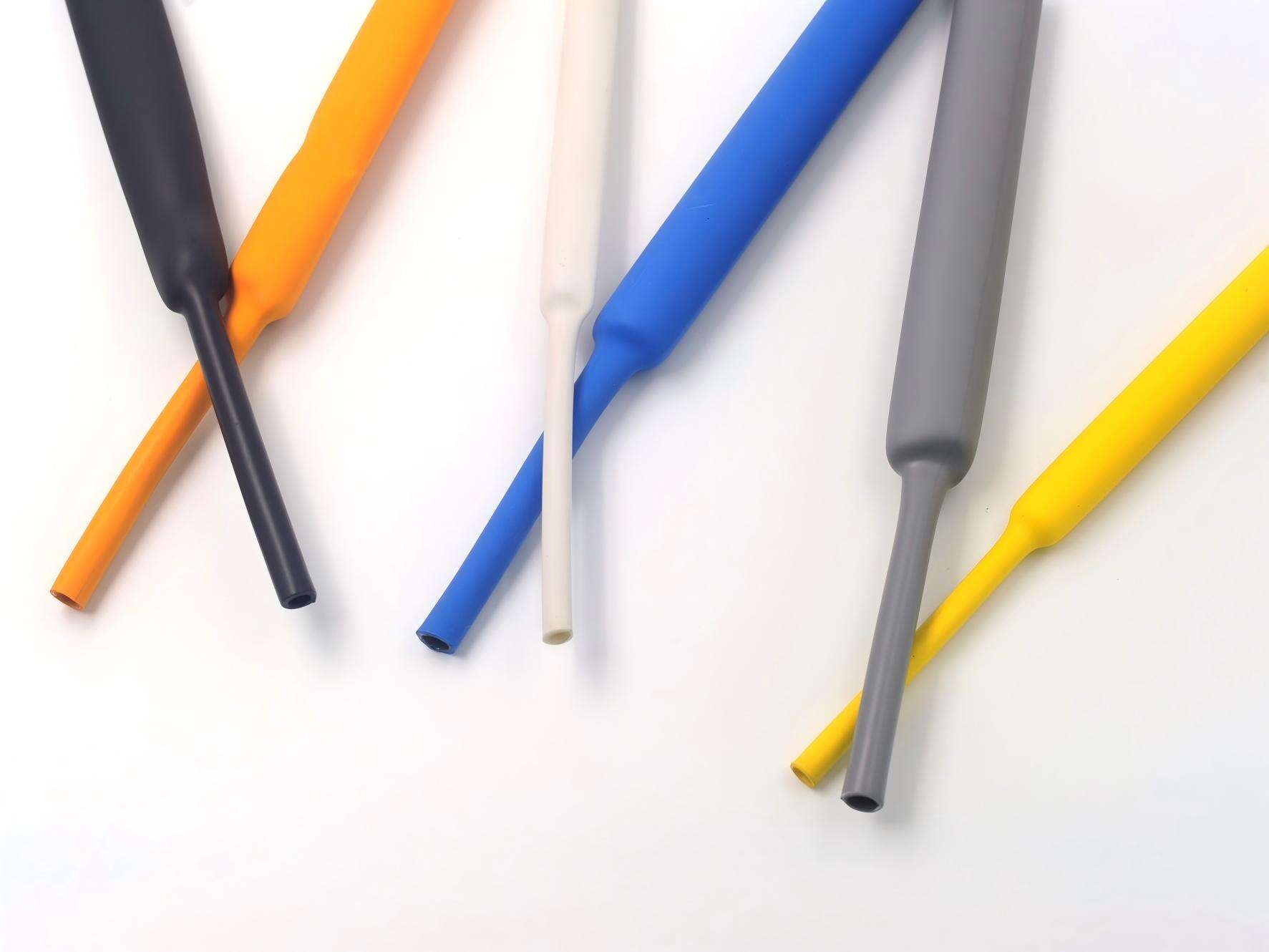
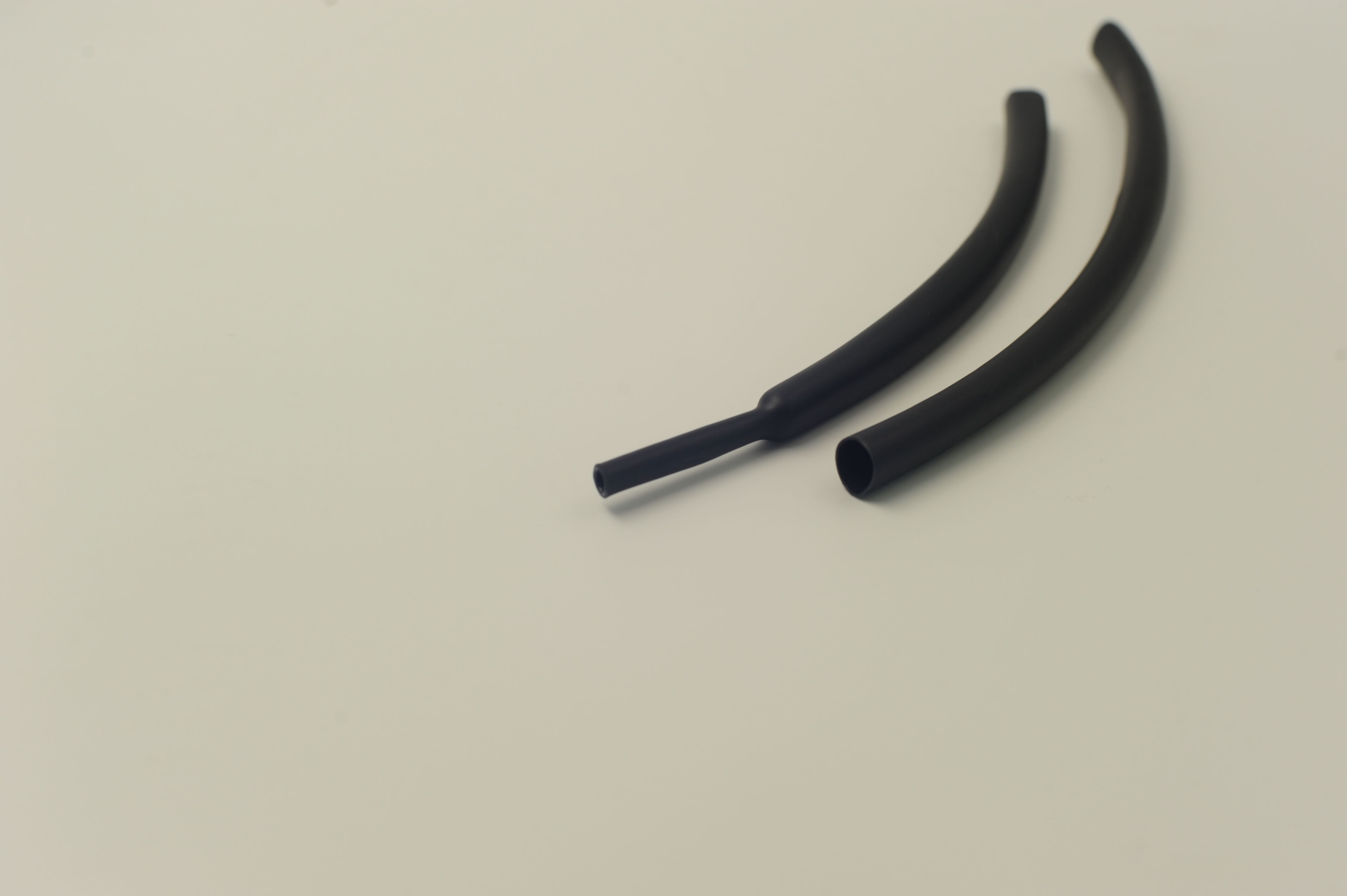
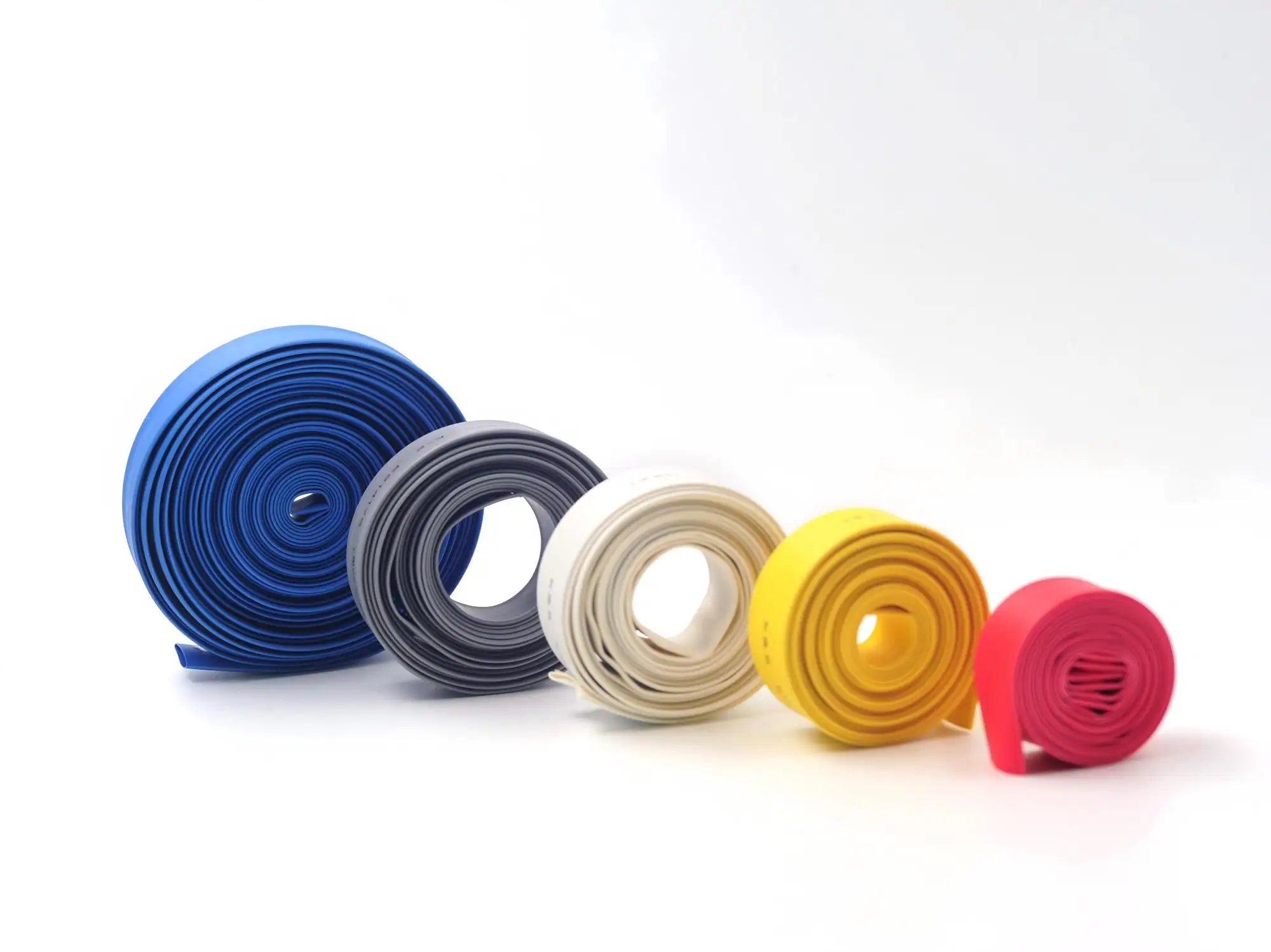
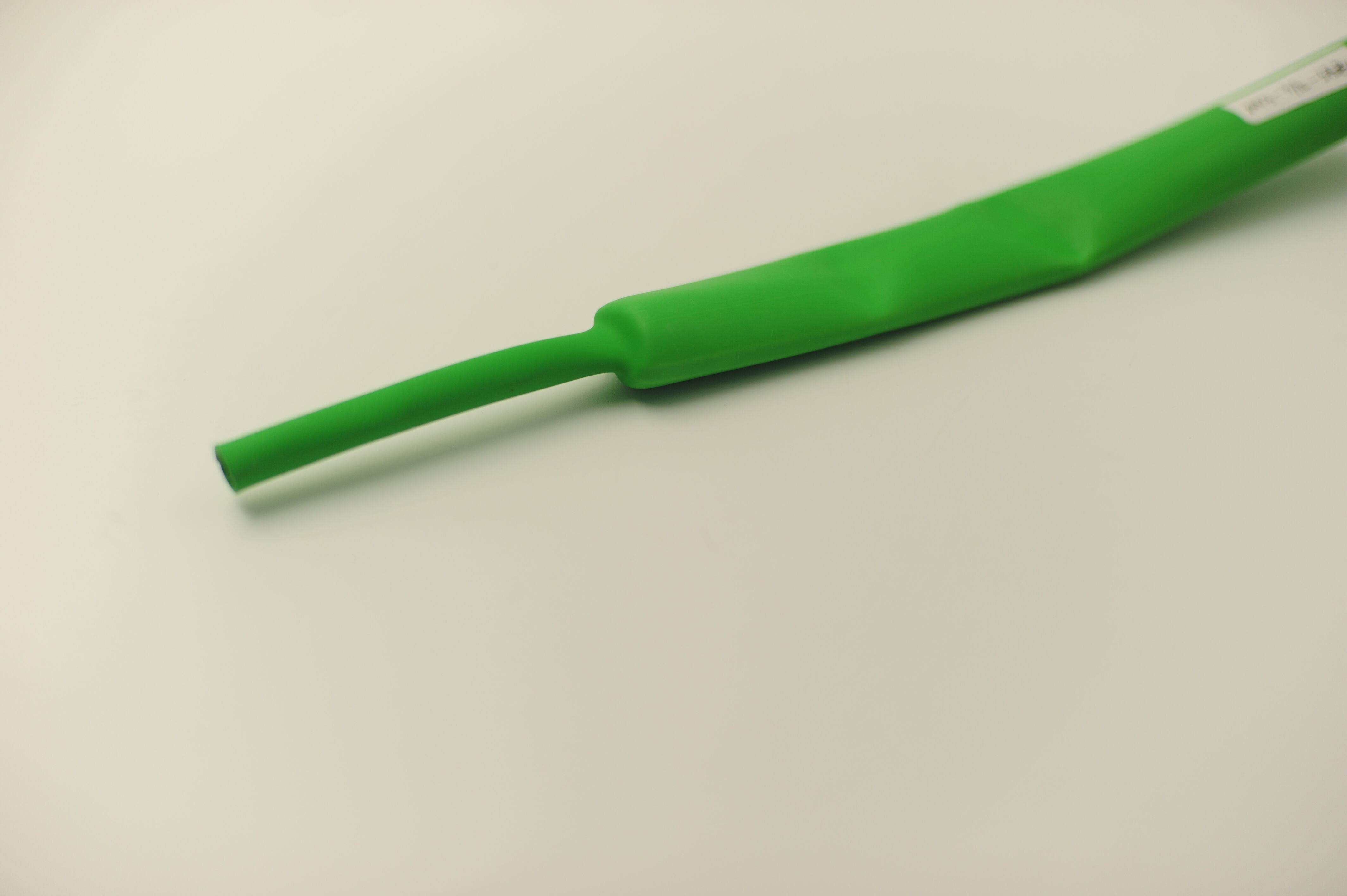
Waterproof shrink wrap tubing represents a revolutionary advancement in protective cable and wire management technology, designed to provide superior environmental protection while maintaining optimal electrical performance. This innovative tubing solution combines the benefits of traditional heat shrink tubing with advanced waterproofing capabilities, creating an impermeable barrier against moisture, dust, chemicals, and other environmental contaminants. The waterproof shrink wrap tubing utilizes specialized polymer compounds that contract uniformly when heated, forming a tight seal around cables, connections, and components. The primary function of waterproof shrink wrap tubing centers on creating reliable environmental seals for electrical connections in demanding applications. When heated to activation temperature, typically between 120-200 degrees Celsius, the tubing shrinks to approximately one-third of its original diameter, conforming precisely to the shape of underlying components. This shrinkage mechanism ensures complete coverage and eliminates gaps that could allow moisture penetration. Technologically, waterproof shrink wrap tubing incorporates multiple material layers, including an outer protective shell, adhesive lining, and specialized barrier compounds. The adhesive layer melts during heating, flowing into microscopic gaps and creating hermetic seals around irregular surfaces. Advanced formulations include cross-linked polyolefin materials that provide excellent chemical resistance, UV stability, and temperature tolerance ranging from -55 to 125 degrees Celsius. The applications for waterproof shrink wrap tubing span numerous industries, including automotive, marine, aerospace, telecommunications, and industrial automation. Marine environments particularly benefit from this technology, where constant exposure to saltwater and humidity demands superior protection. Automotive applications utilize waterproof shrink wrap tubing for protecting wire harnesses, sensor connections, and electronic control modules from road salt, moisture, and temperature fluctuations. Telecommunications infrastructure relies on this tubing for outdoor cable joints, antenna connections, and underground cable protection. Industrial settings employ waterproof shrink wrap tubing for protecting equipment in washdown environments, chemical processing facilities, and outdoor installations where environmental exposure poses significant risks to electrical systems and component longevity.

 EN
EN