Advanced Color Coding System for Enhanced Safety and Organization
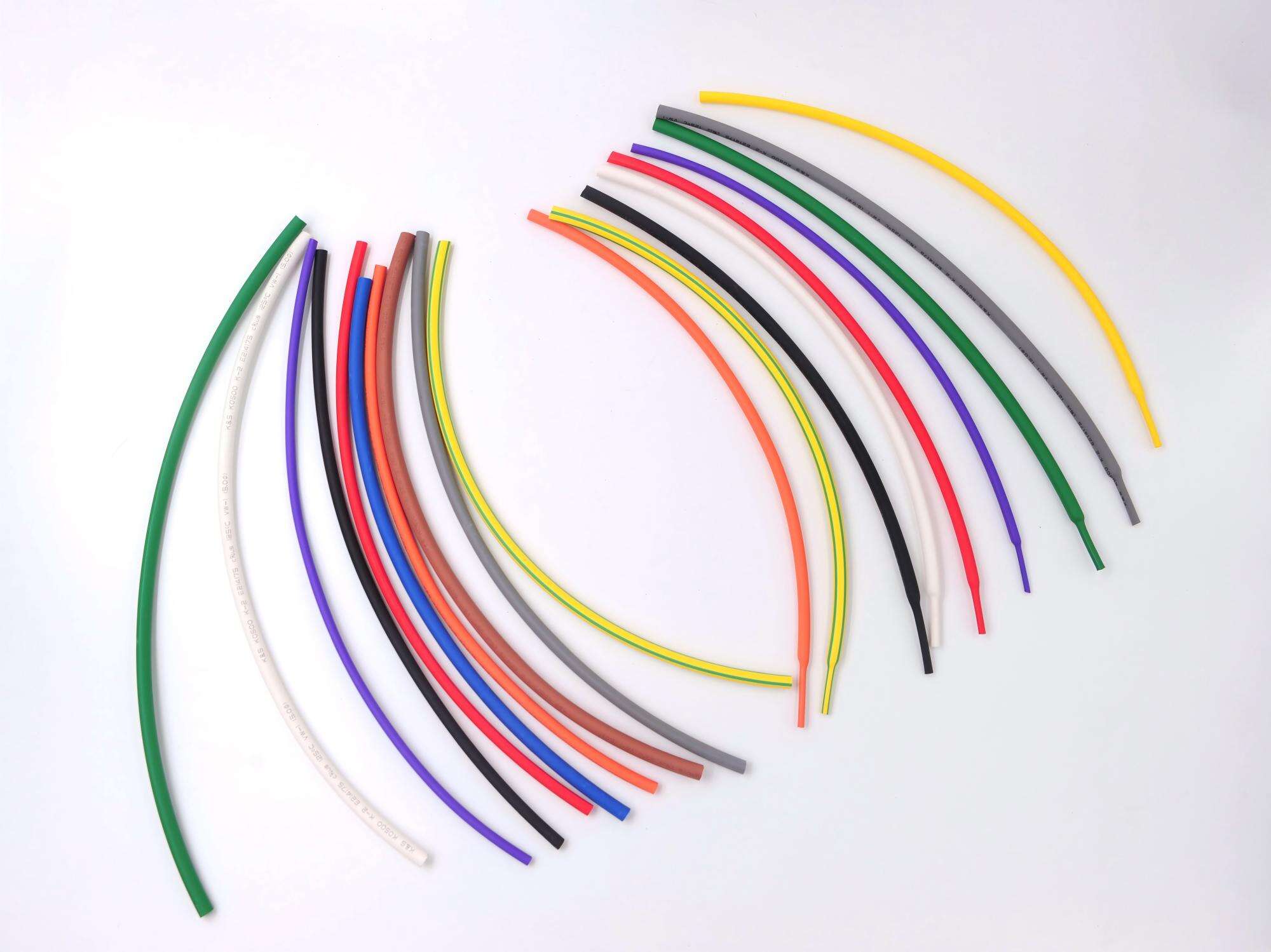
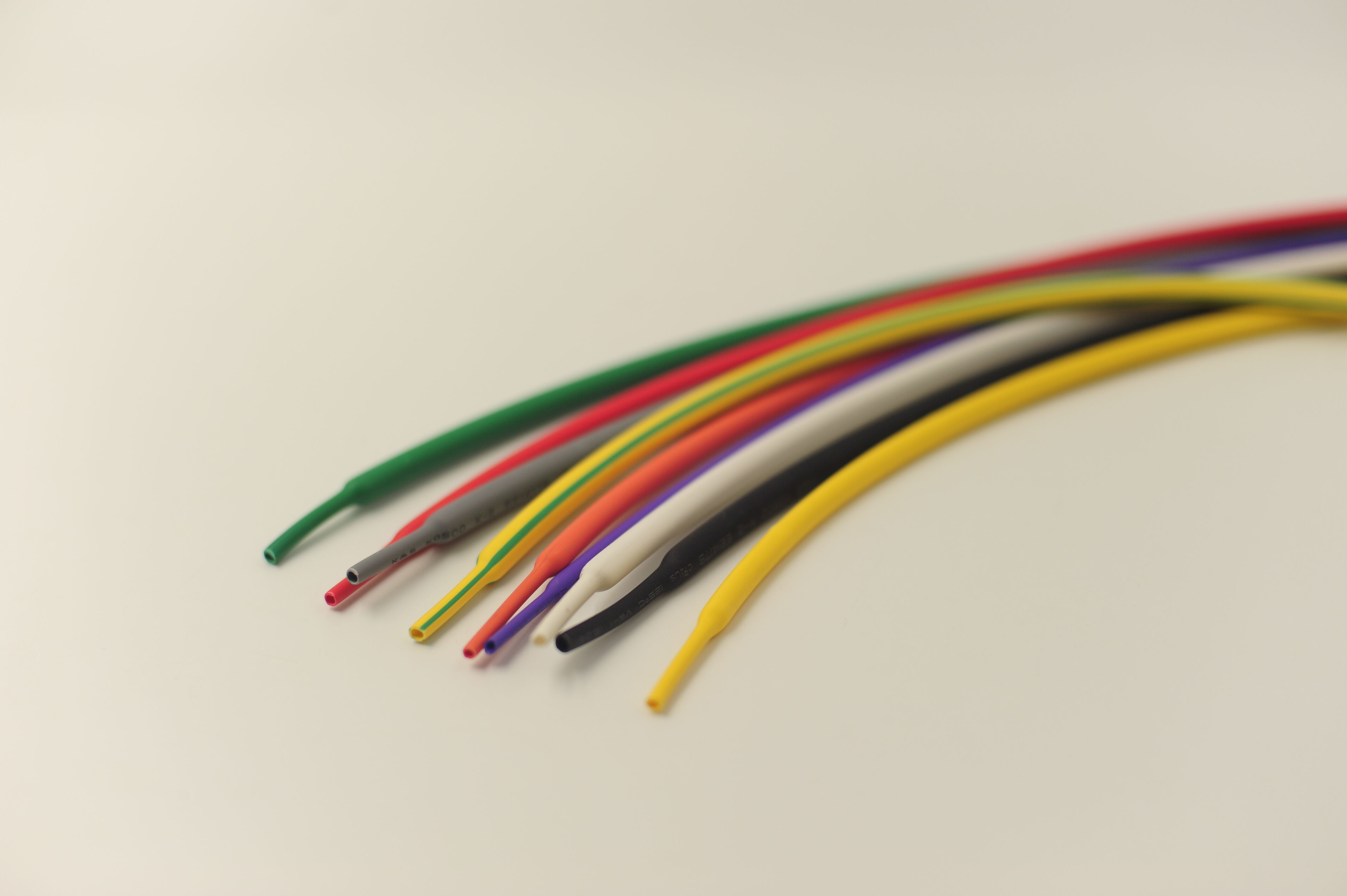
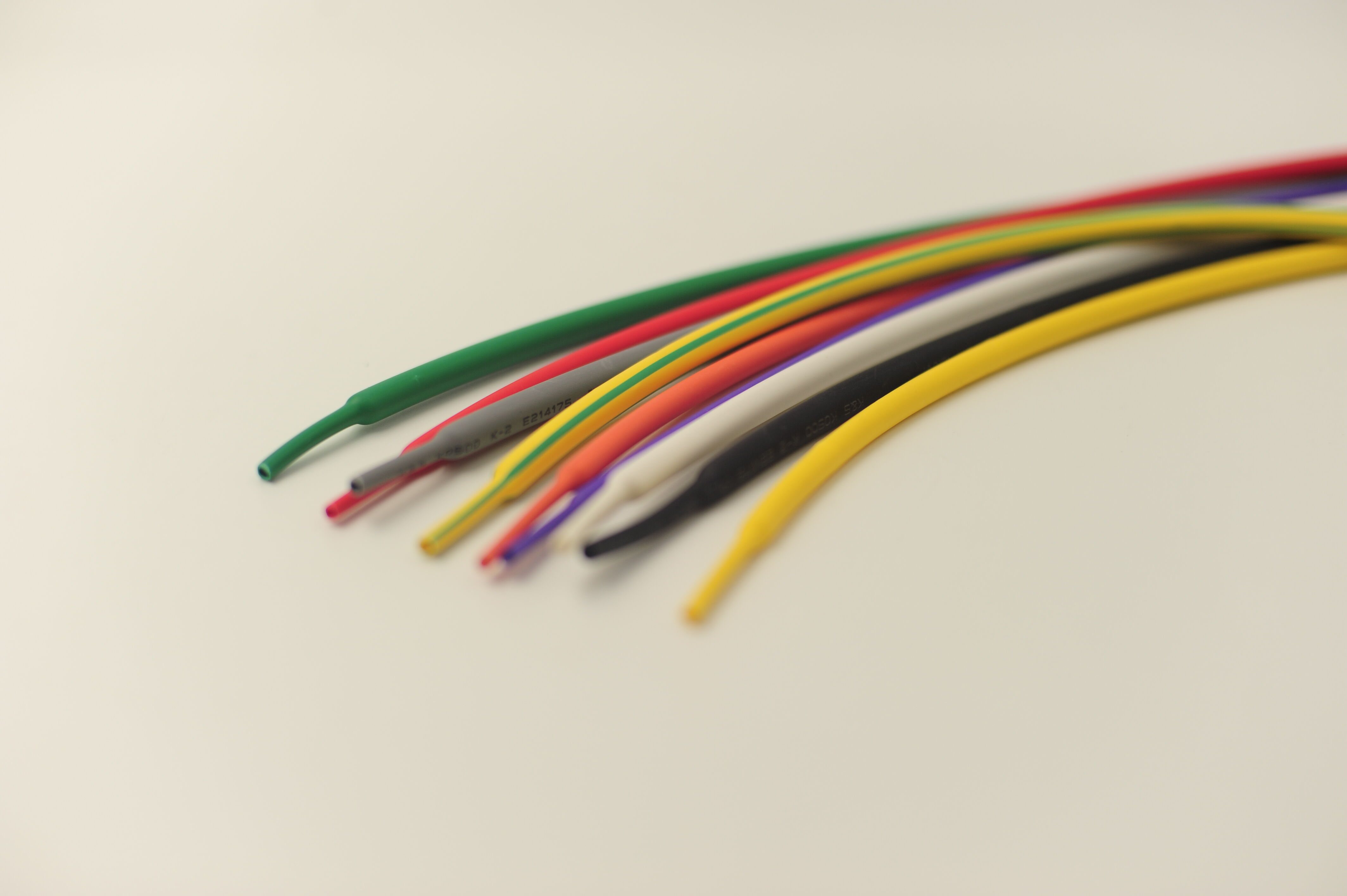
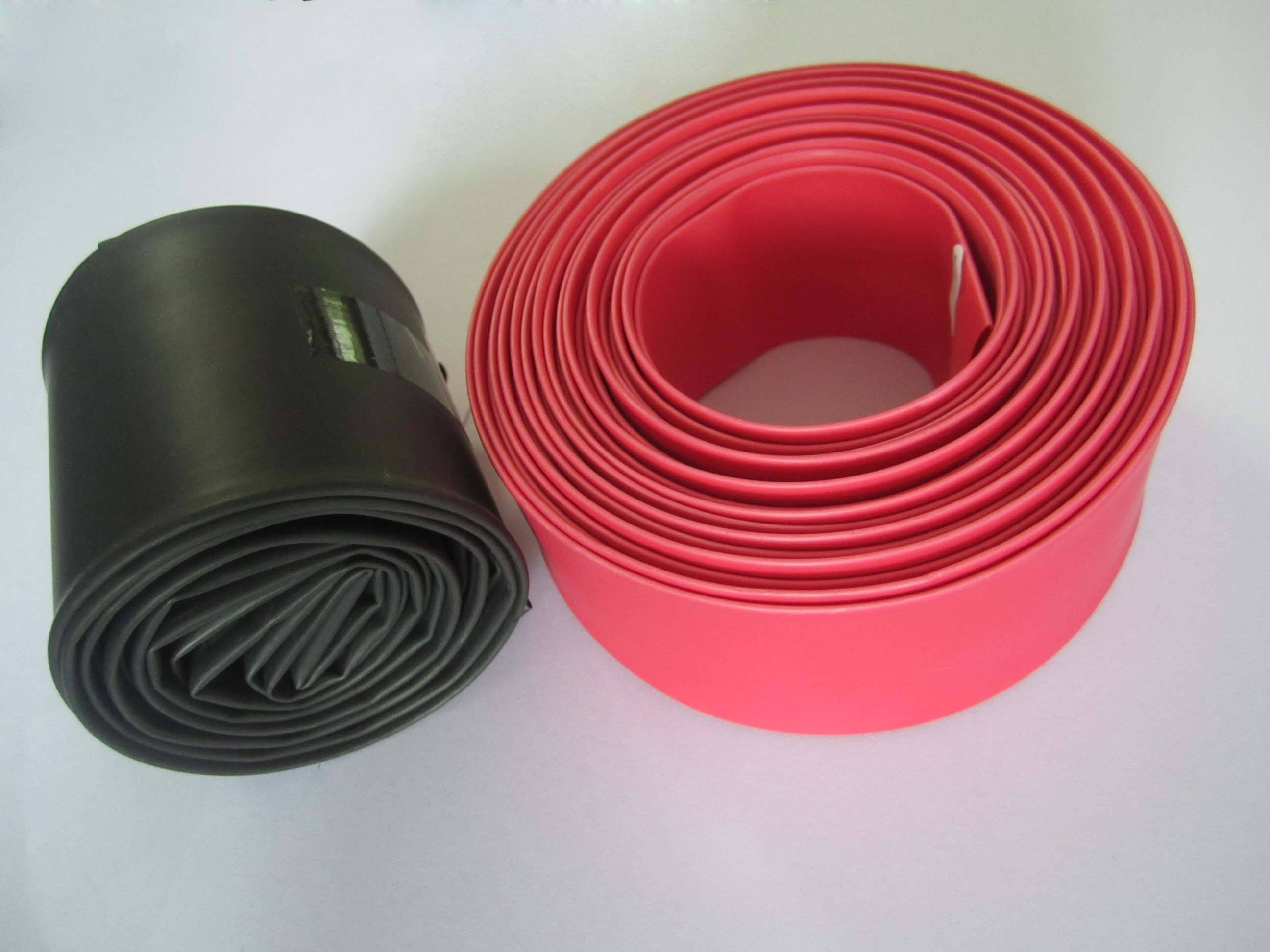
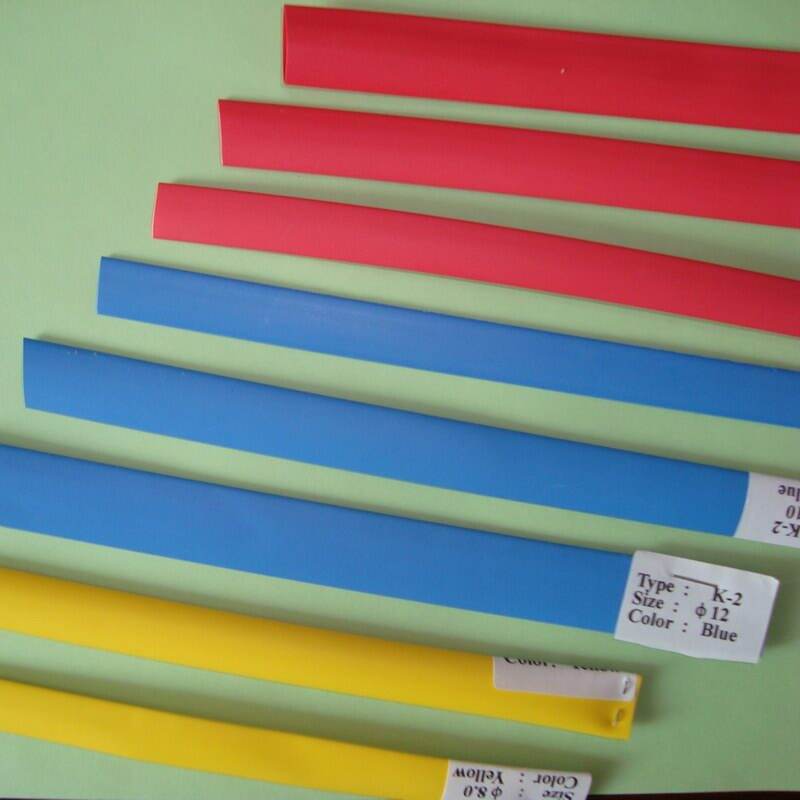
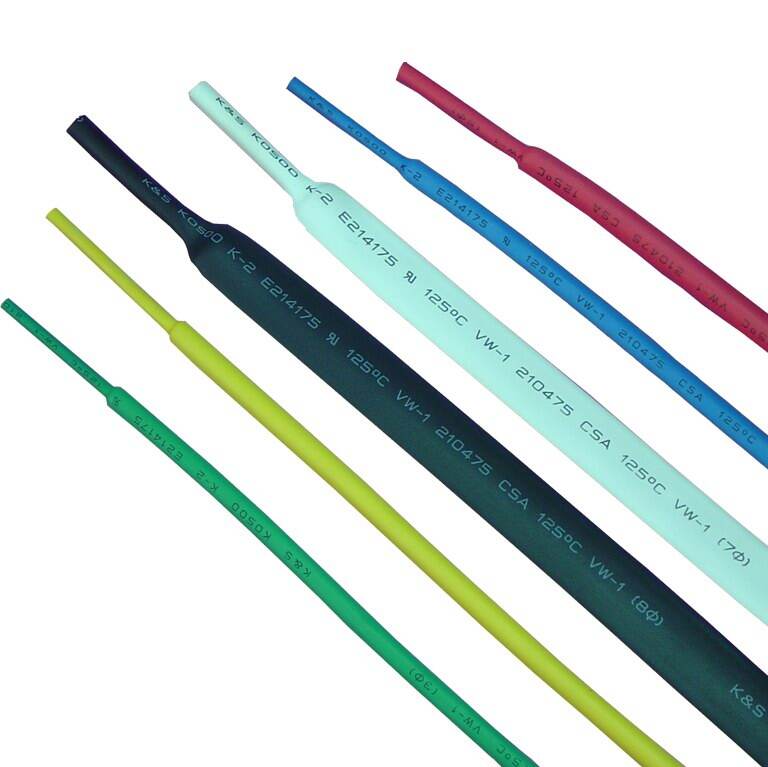
The sophisticated color coding capabilities of colored shrink tubing establish a comprehensive identification framework that revolutionizes electrical system organization and safety protocols. This feature transcends basic visual appeal, creating standardized communication systems that prevent dangerous cross-connections and streamline complex installations. Professional-grade colored shrink tubing offers extensive color palettes including standard options like red, blue, green, yellow, black, white, and clear, alongside specialized hues such as orange, purple, gray, and brown. These diverse color options enable engineers to develop intricate coding schemes that align with industry standards, corporate protocols, or custom application requirements. In critical applications such as aerospace systems, nuclear facilities, or medical equipment, color coding becomes essential for safety compliance and regulatory adherence. The ability to assign specific colors to particular functions creates intuitive identification systems that reduce human error during installation, maintenance, and emergency procedures. For instance, red tubing might designate emergency shutdown circuits, while blue indicates control signals and green represents ground connections. This systematic approach enables rapid circuit tracing, facilitates troubleshooting procedures, and ensures consistent interpretation across different teams and time periods. The color integrity of premium colored shrink tubing withstands environmental stresses including UV exposure, chemical contact, temperature cycling, and mechanical abrasion without fading or degradation. This durability ensures that identification systems remain reliable throughout extended service periods, maintaining safety standards and operational efficiency. Advanced manufacturing processes incorporate colorfast additives that prevent color migration or bleeding, ensuring sharp color boundaries and preventing confusion between adjacent coded elements. The psychological benefits of organized, color-coded systems cannot be underestimated, as they reduce technician stress, improve work accuracy, and create professional installations that inspire confidence among clients and regulatory inspectors. Furthermore, standardized color coding facilitates knowledge transfer between personnel, enabling seamless project handoffs and reducing training requirements for new team members working with established systems.

 EN
EN