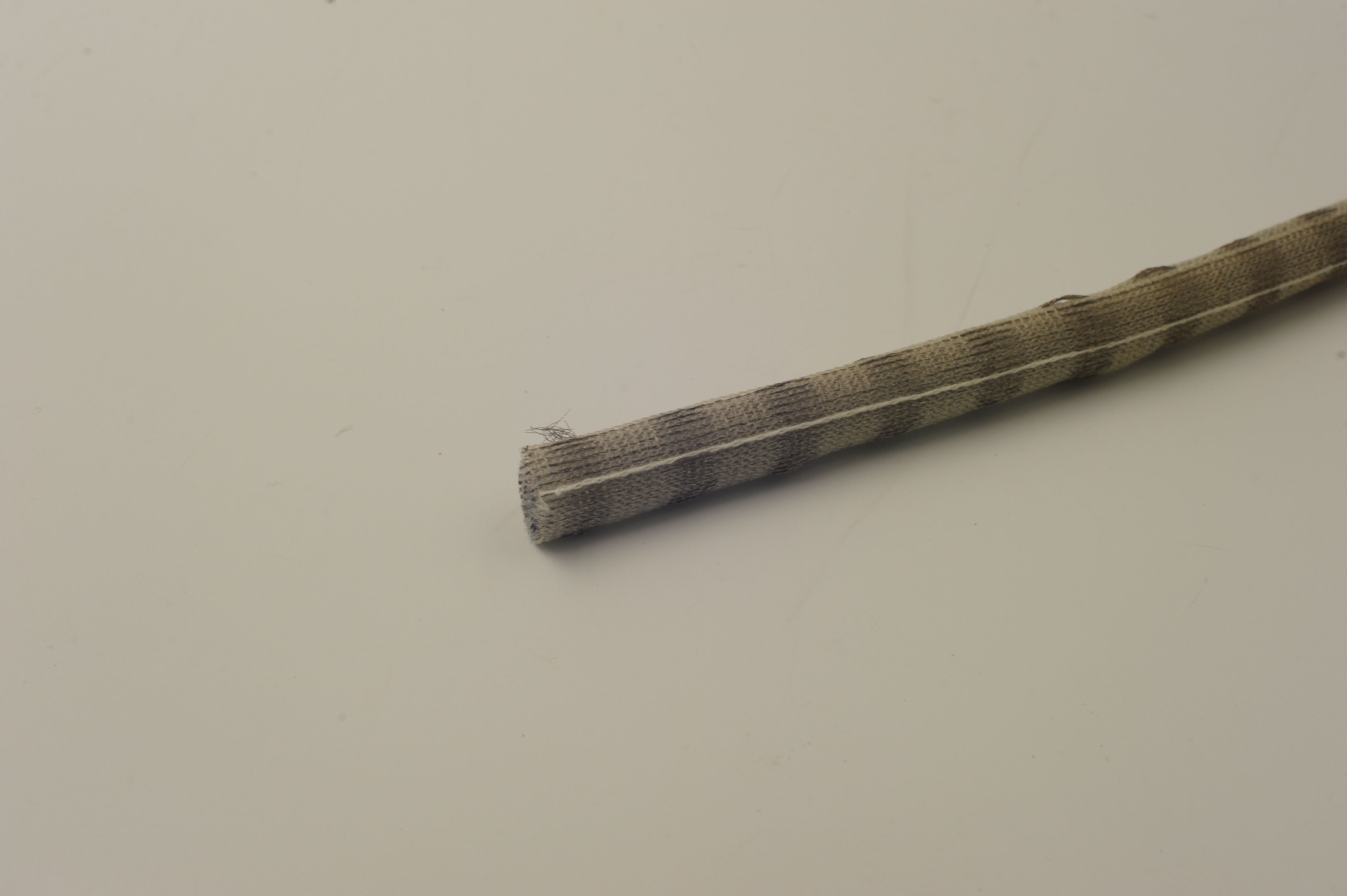
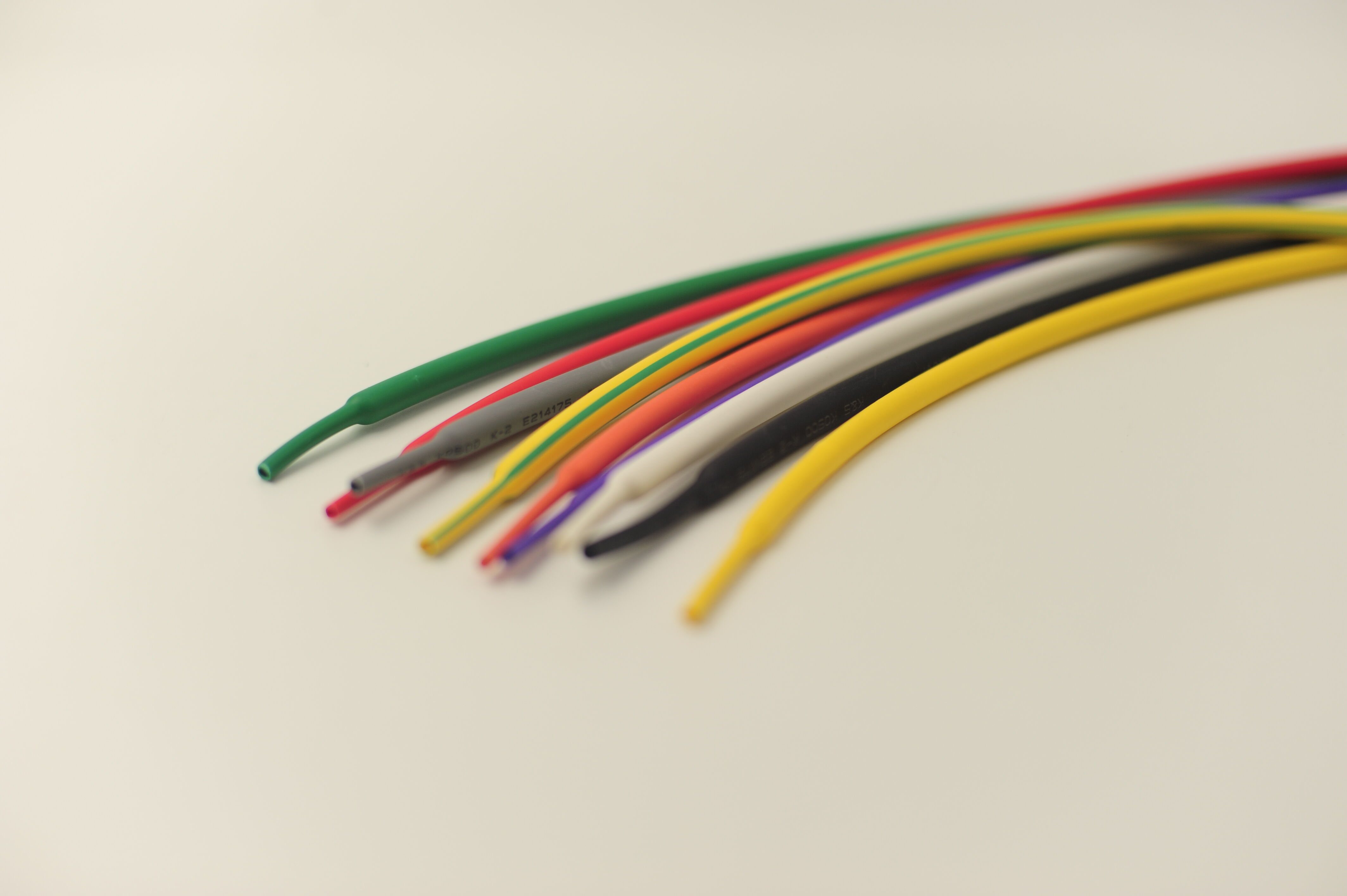
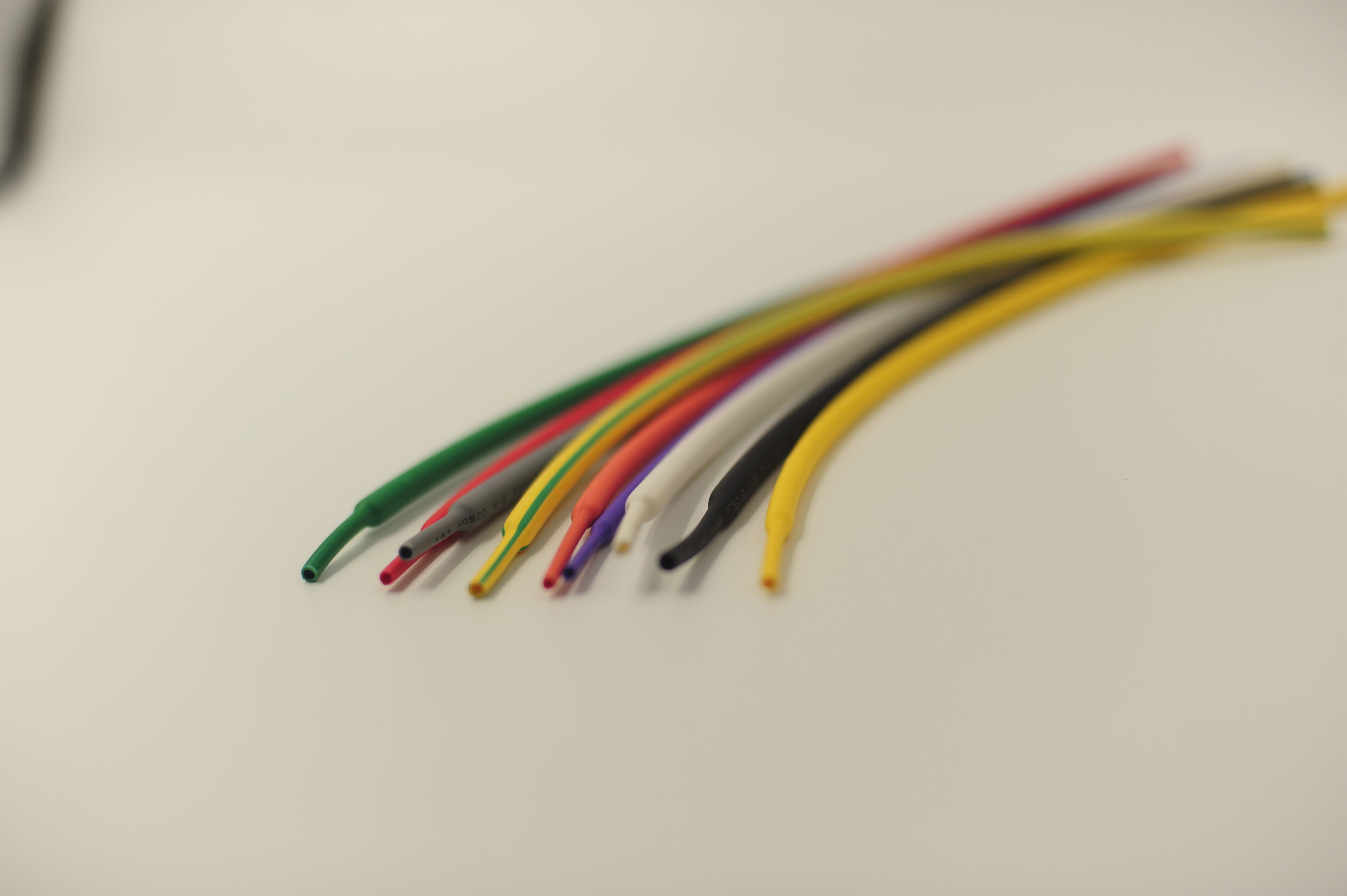
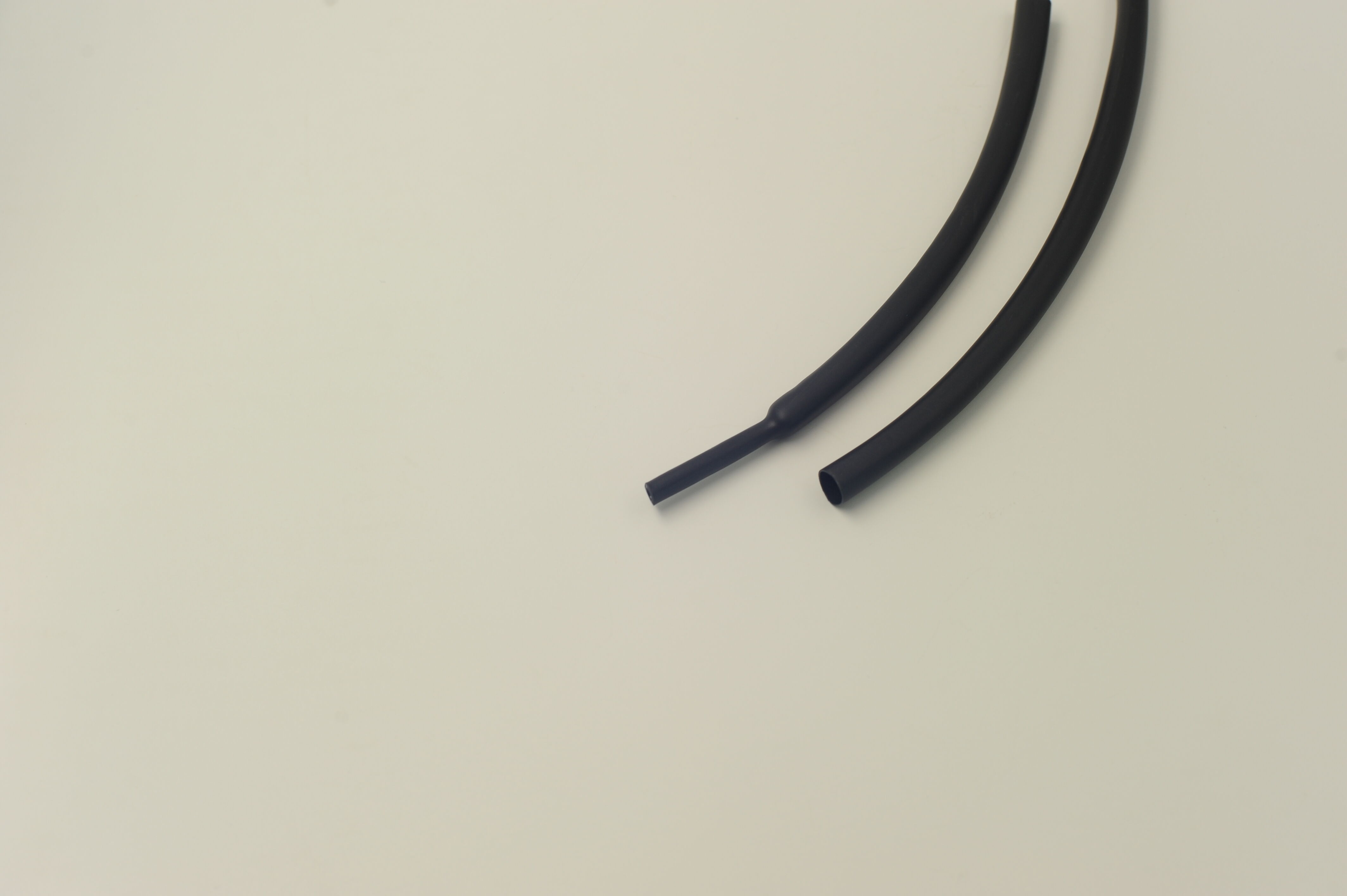
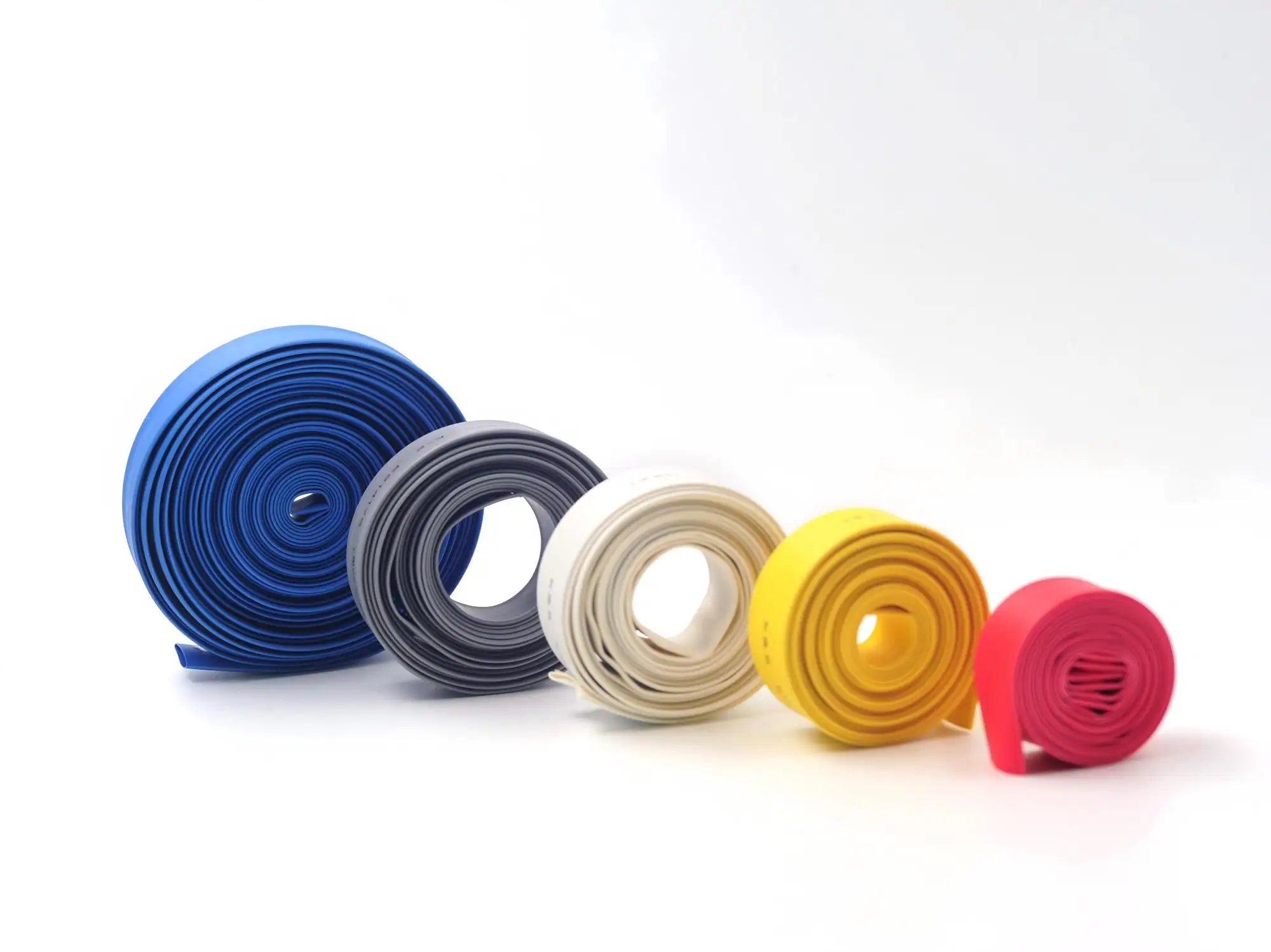
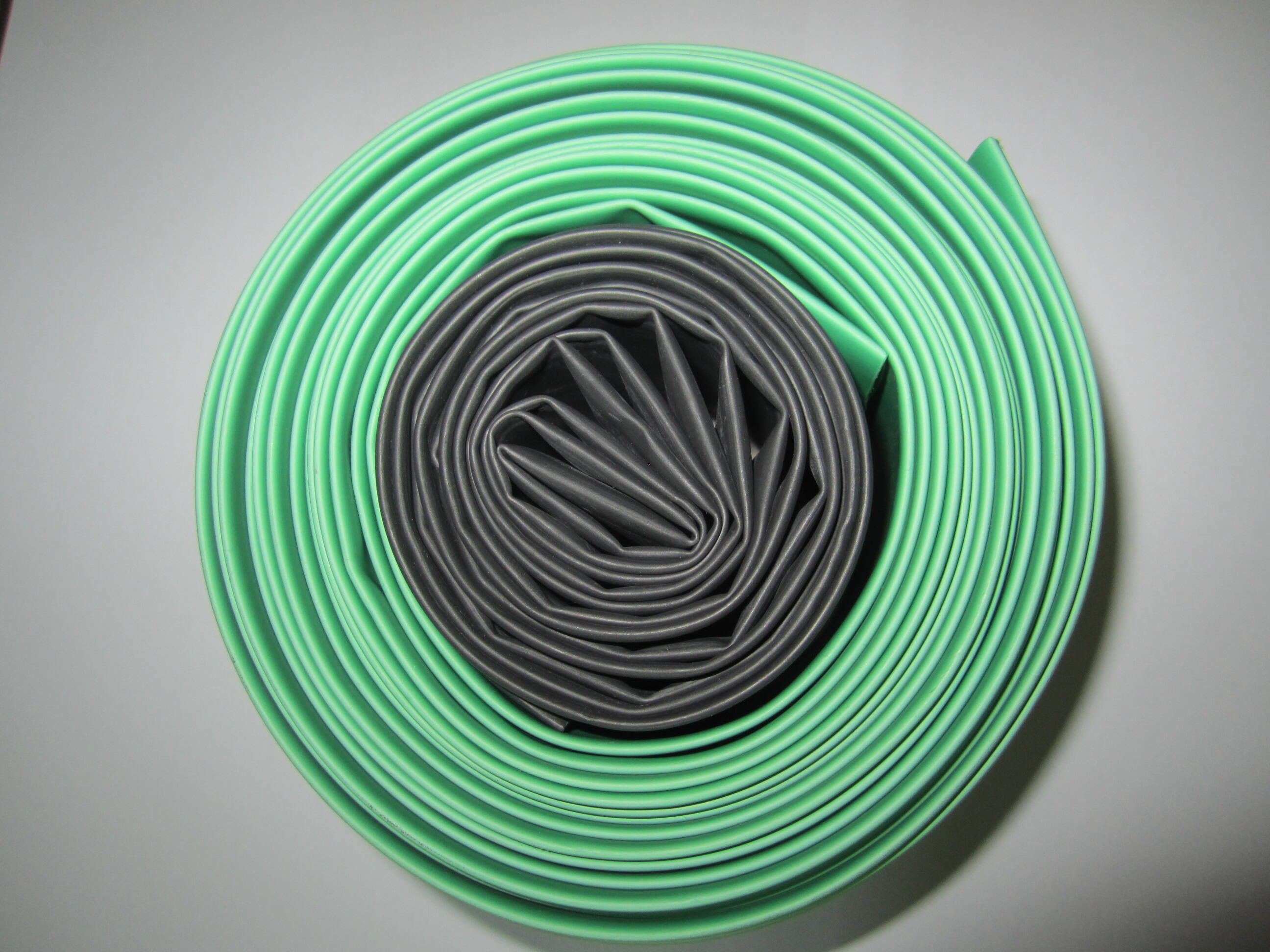
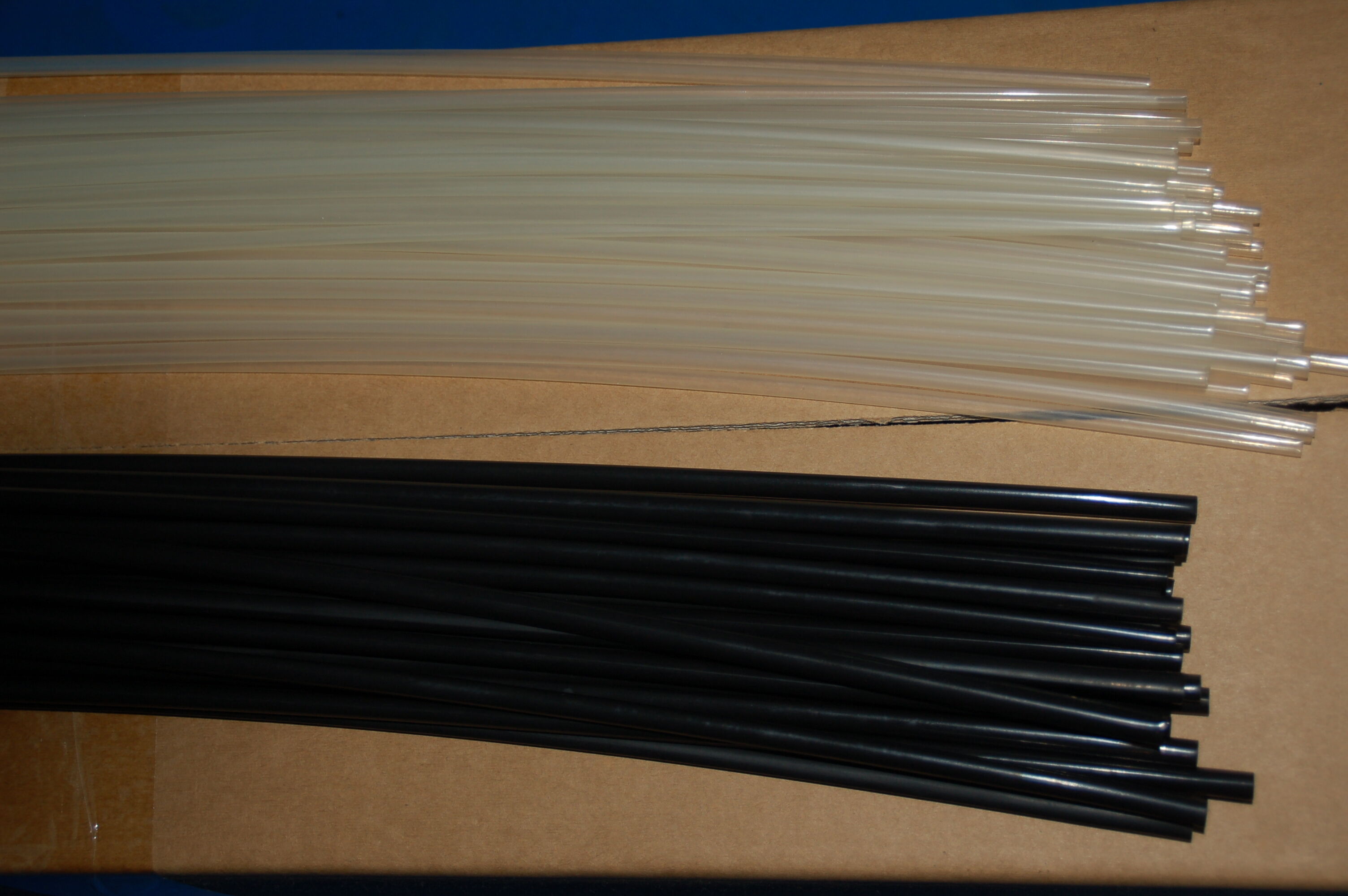
yellow heat shrink tubing
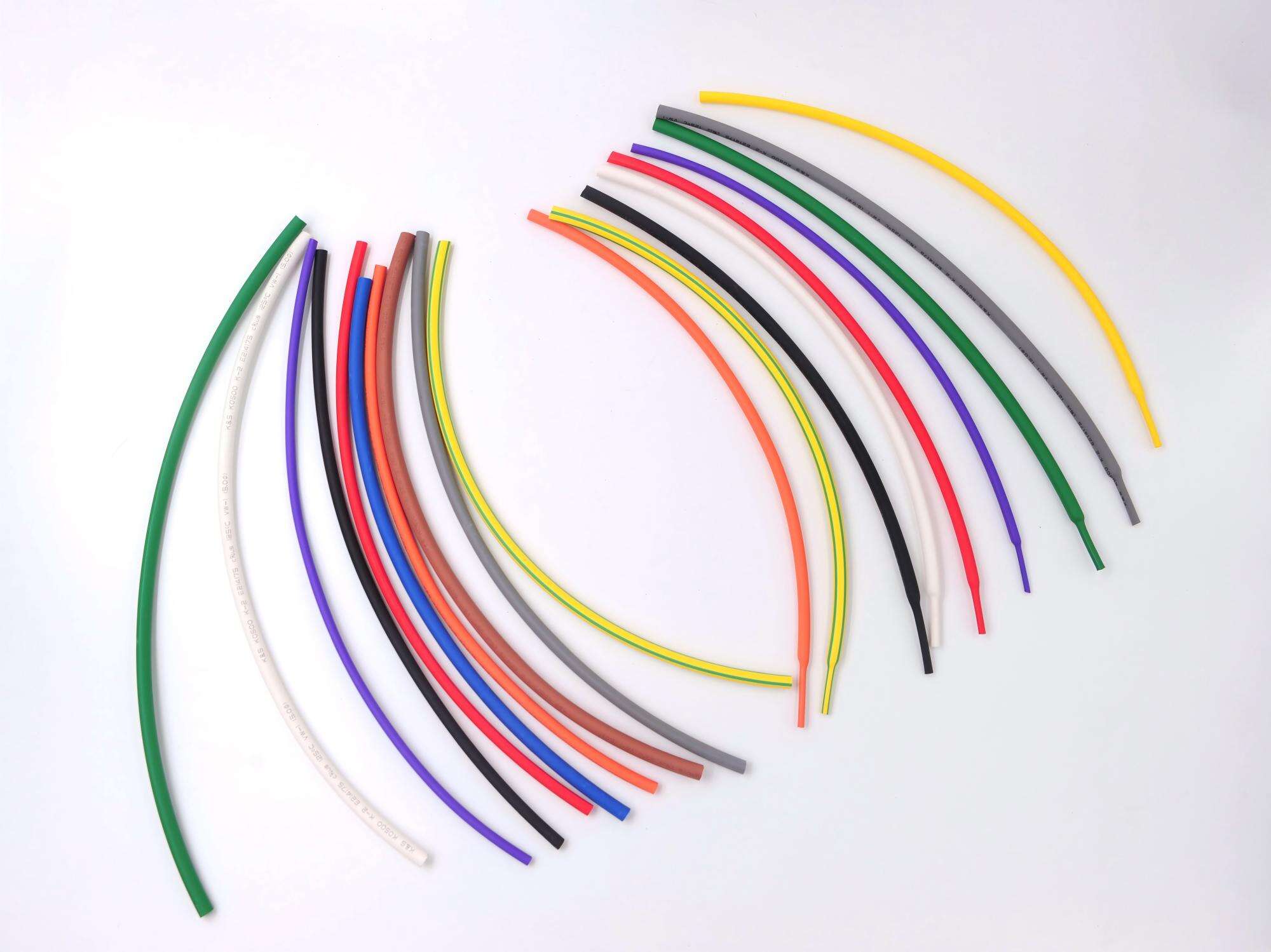
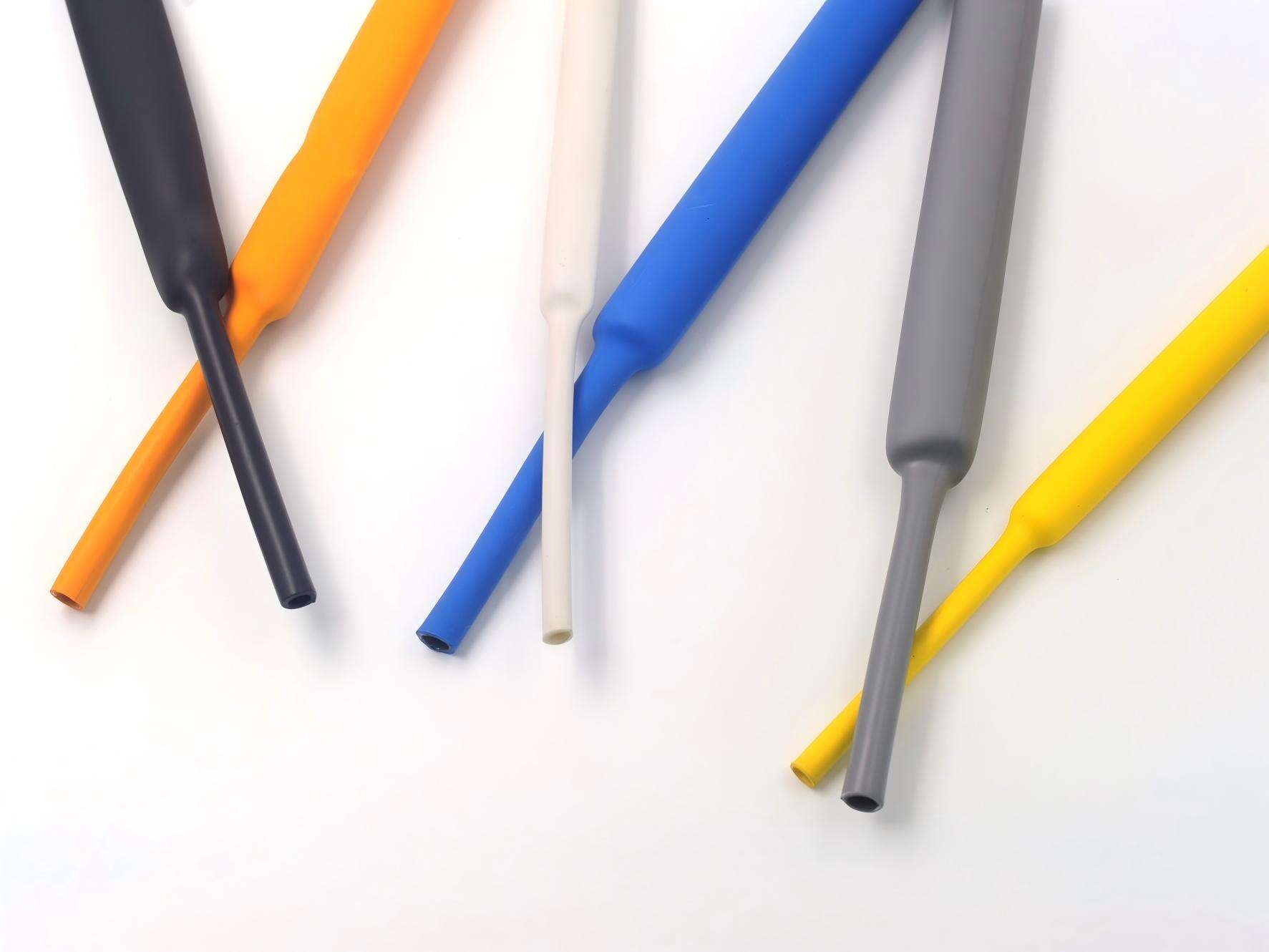
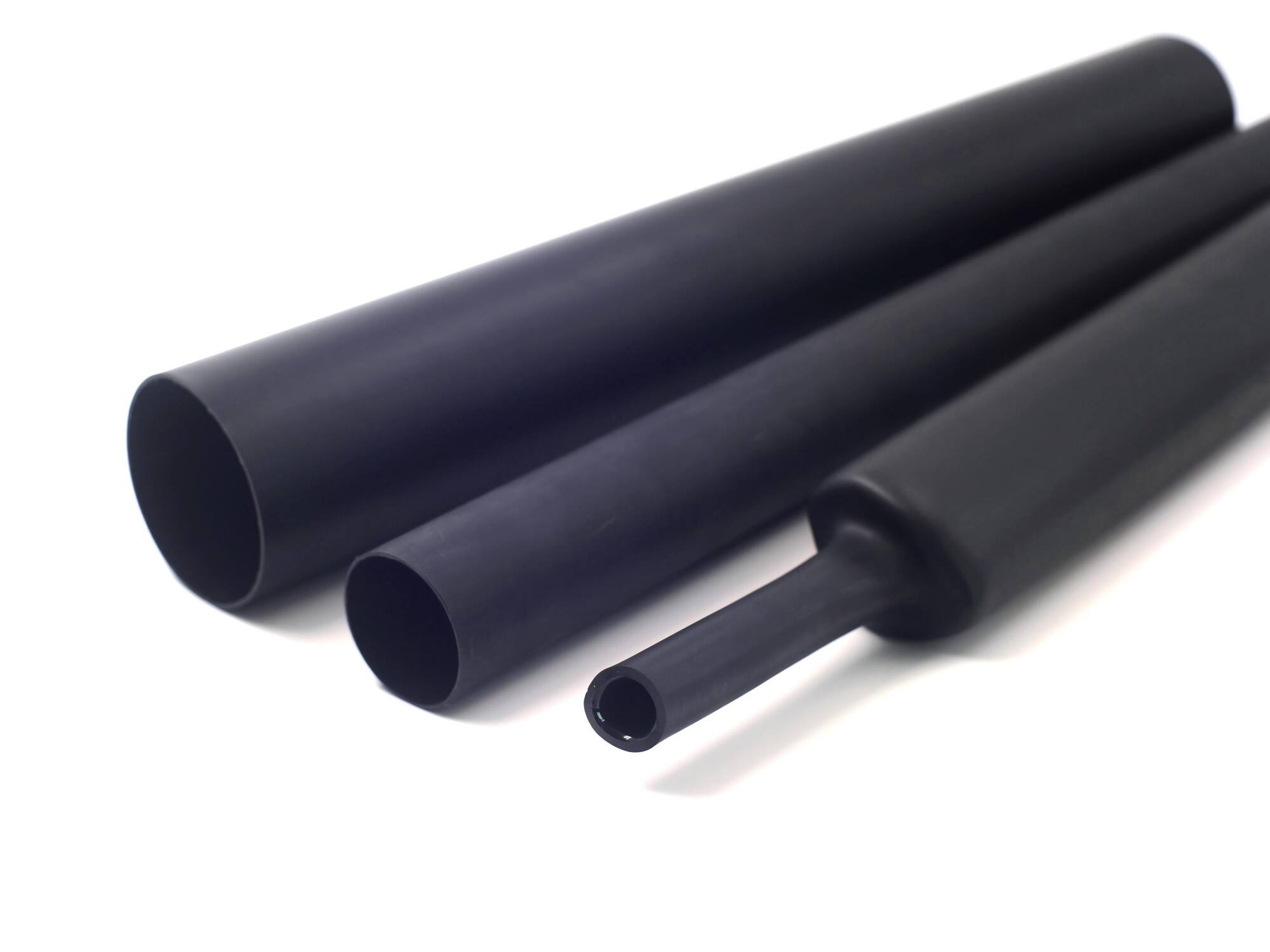
Yellow heat shrink tubing represents a revolutionary solution in electrical insulation and protection, offering exceptional performance characteristics that make it an indispensable component in modern electrical applications. This specialized polymeric material undergoes a controlled shrinking process when exposed to heat, creating a tight, protective sleeve around wires, cables, and electronic components. The distinctive yellow coloration serves both functional and identification purposes, making it particularly valuable in applications where visual distinction and safety requirements are paramount. The tubing is manufactured using advanced polyolefin compounds that exhibit superior mechanical properties, chemical resistance, and thermal stability. When heated to approximately 120-140 degrees Celsius, the yellow heat shrink tubing contracts to approximately half its original diameter, forming a secure, weatherproof seal that protects against moisture, dust, chemicals, and mechanical abrasion. The material maintains its integrity across a broad temperature range, typically from -55 to 125 degrees Celsius, ensuring reliable performance in diverse environmental conditions. Key technological features include excellent dielectric strength, low flame spread characteristics, and resistance to UV radiation, making yellow heat shrink tubing suitable for both indoor and outdoor applications. The tubing demonstrates remarkable flexibility and conformability, allowing it to accommodate irregular shapes and multiple conductor configurations without compromising its protective properties. Manufacturing processes incorporate stringent quality control measures to ensure consistent wall thickness, shrinkage ratios, and mechanical properties. The yellow pigmentation is integrated during the extrusion process, ensuring color stability and preventing degradation under prolonged UV exposure. Applications span across automotive, aerospace, telecommunications, marine, and industrial sectors, where reliable electrical connections and component protection are critical. The material's excellent adhesion properties when combined with adhesive-lined variants create permanent, moisture-resistant seals that exceed industry standards for environmental protection.

 EN
EN