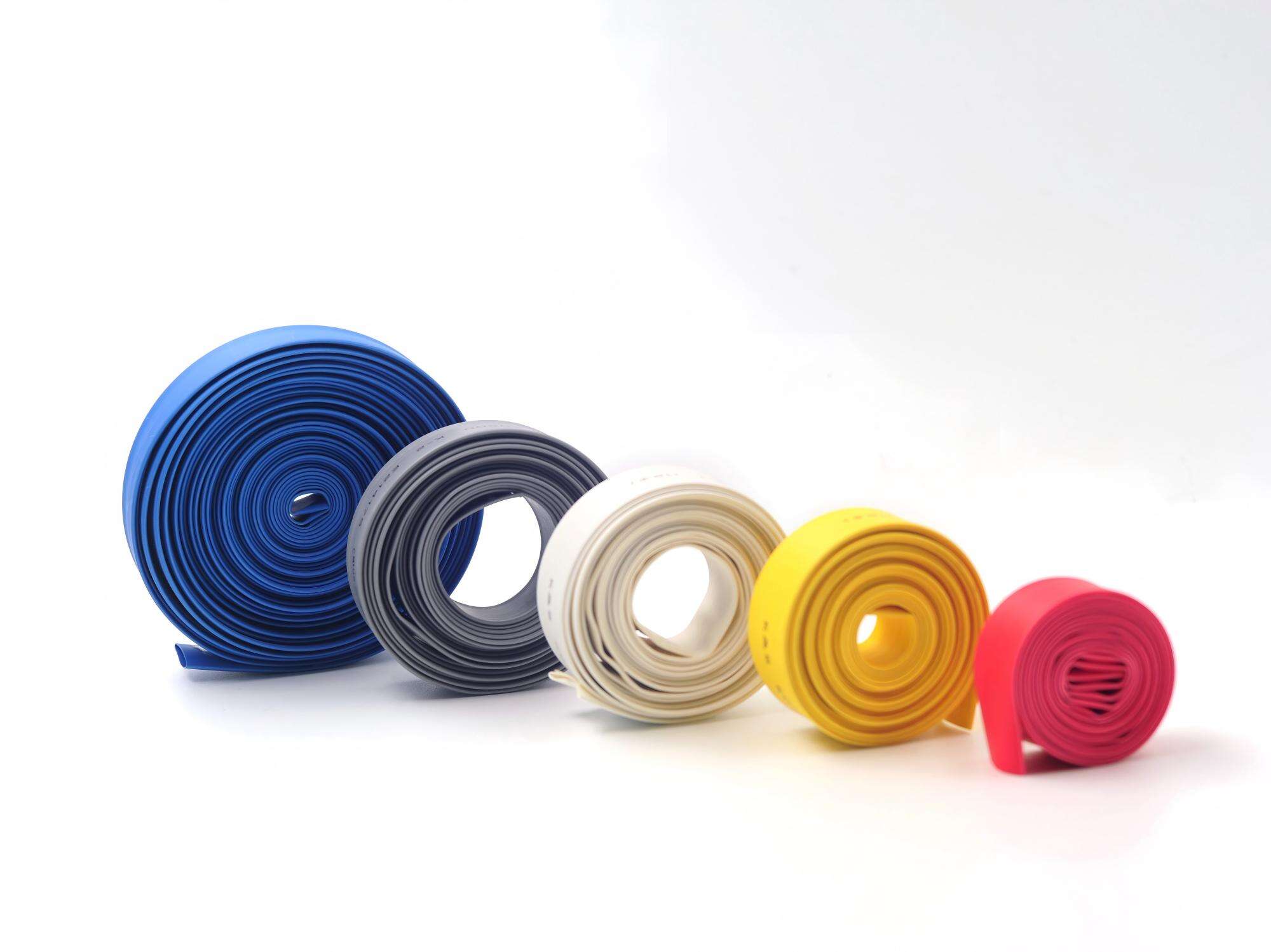
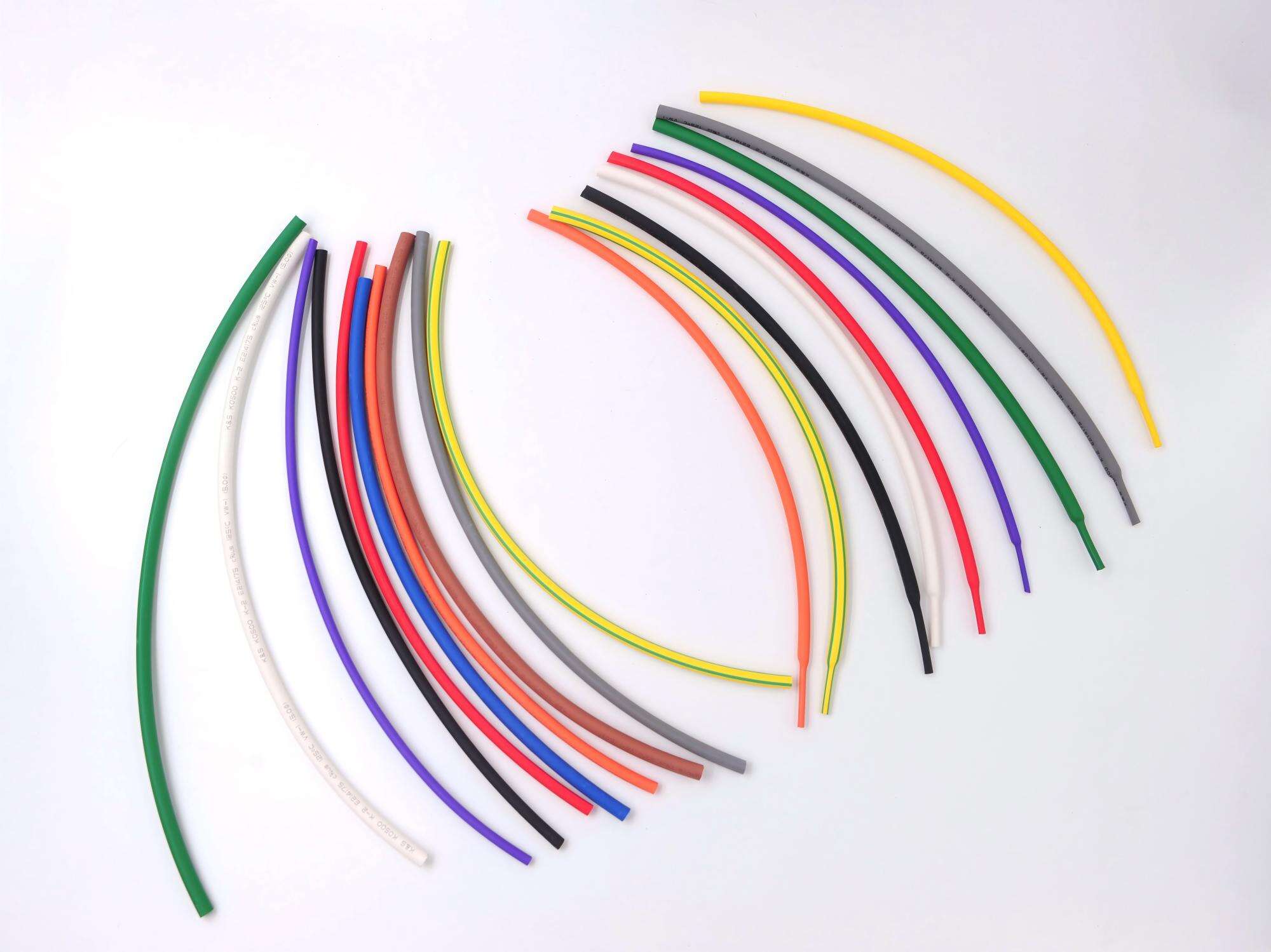
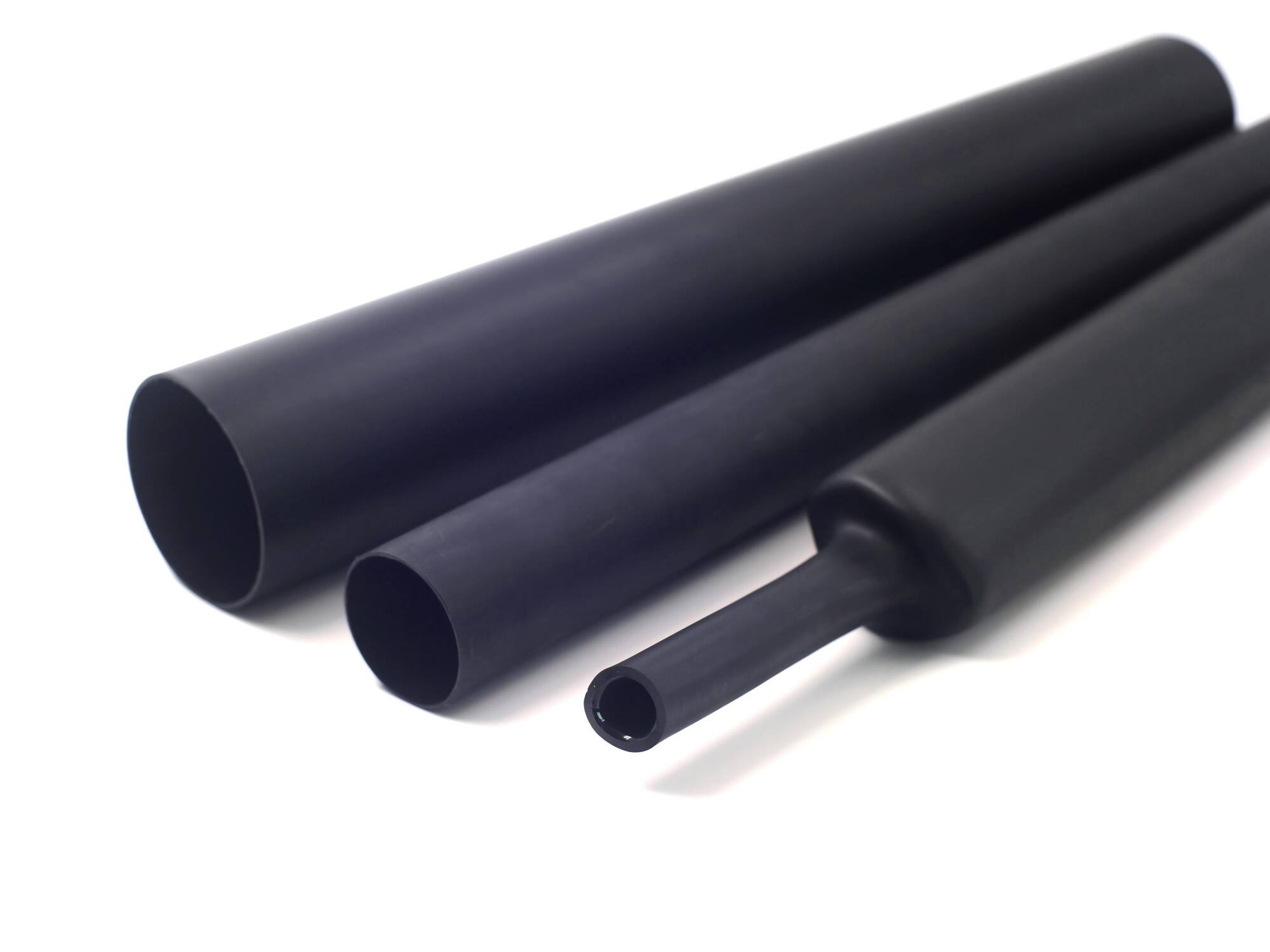
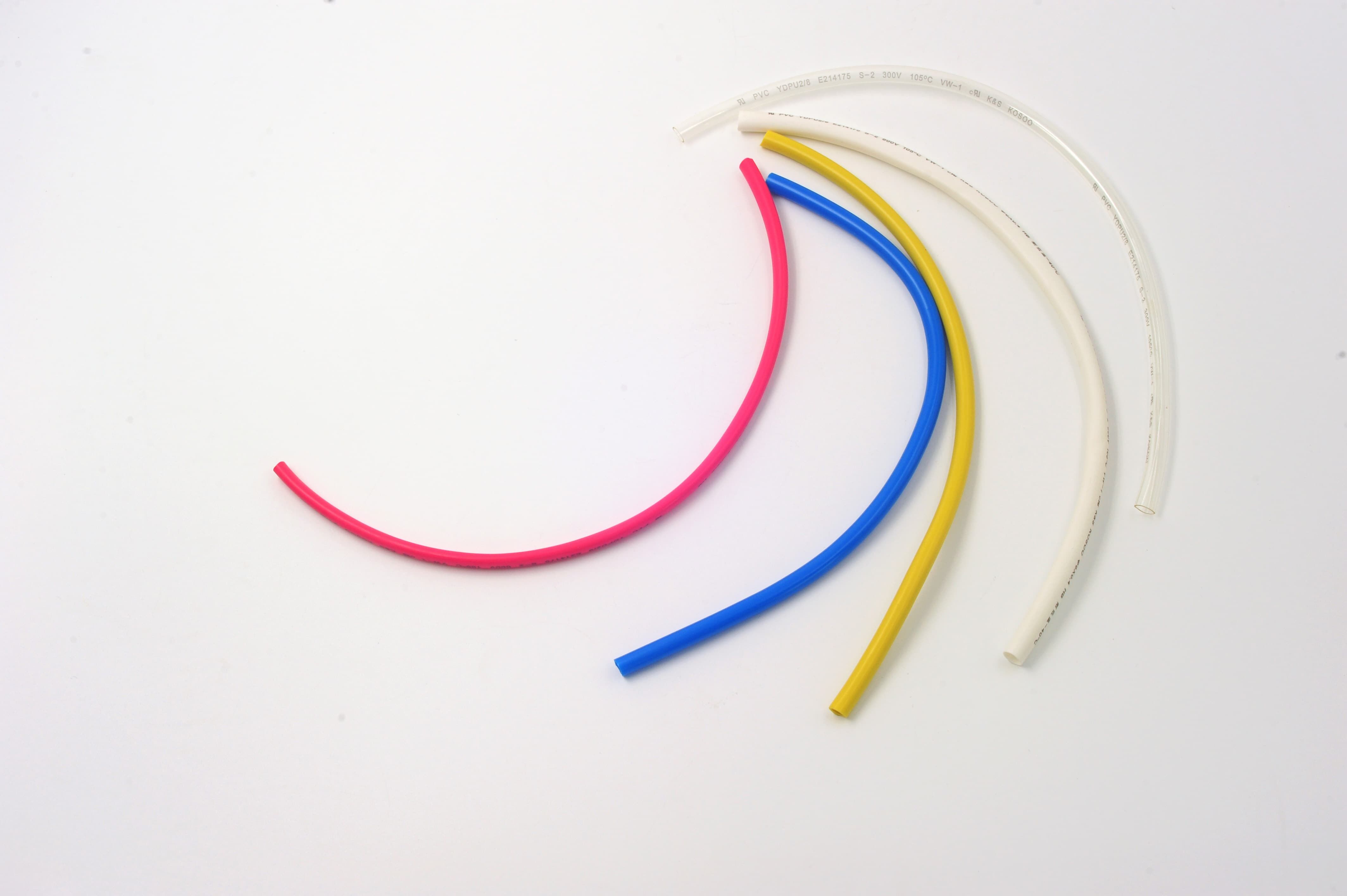
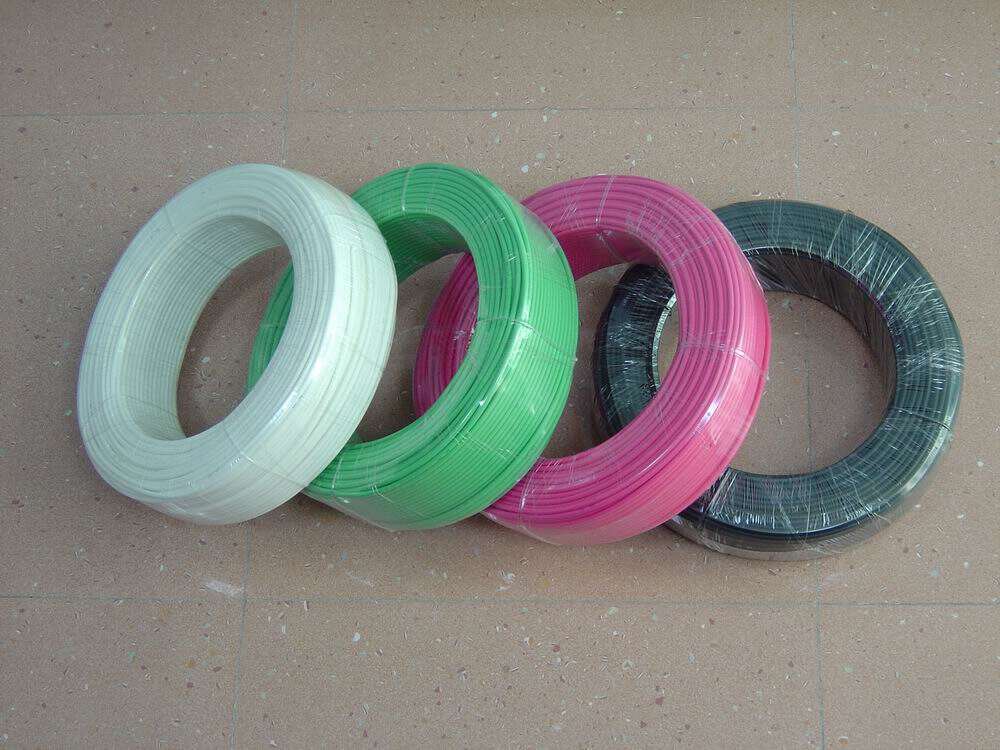
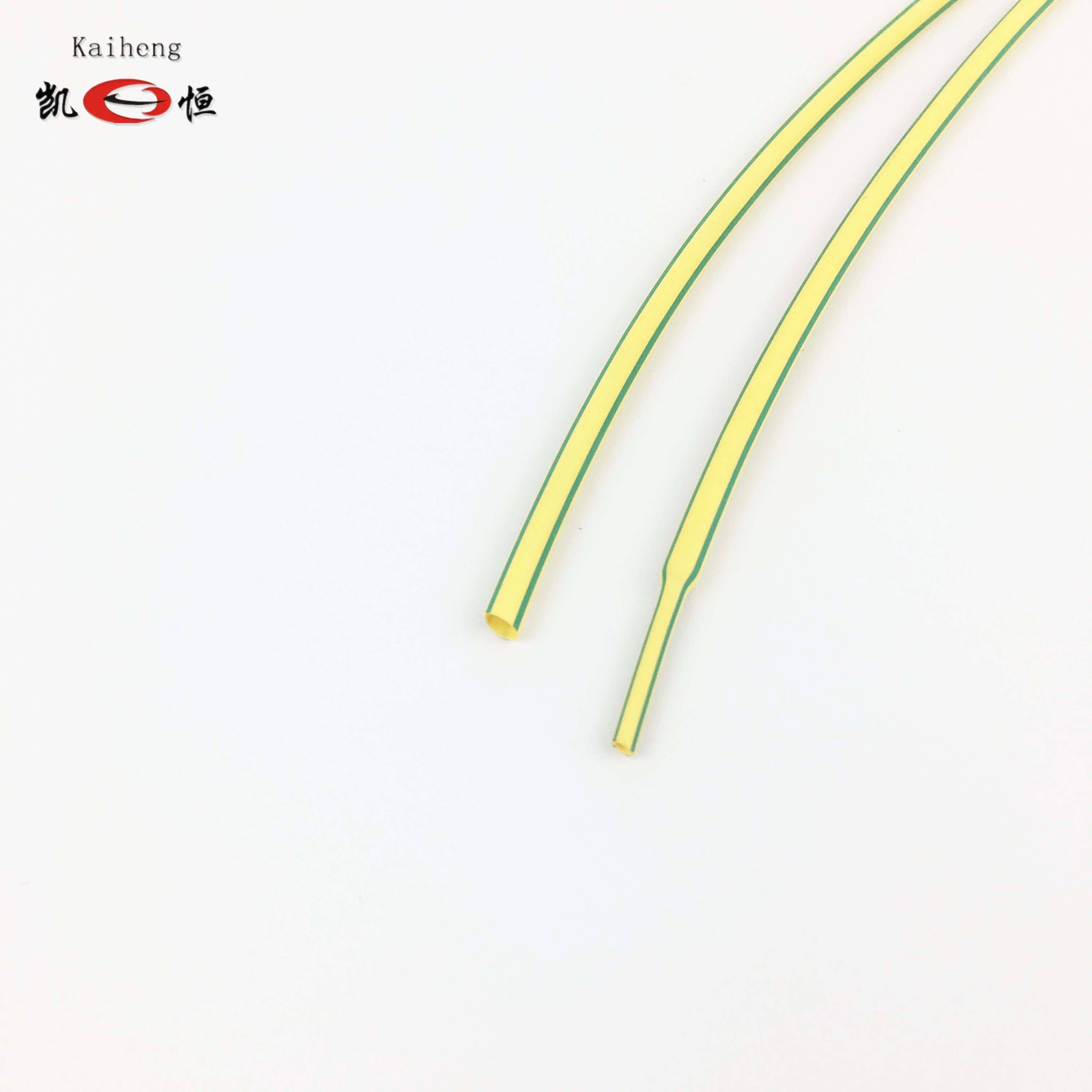
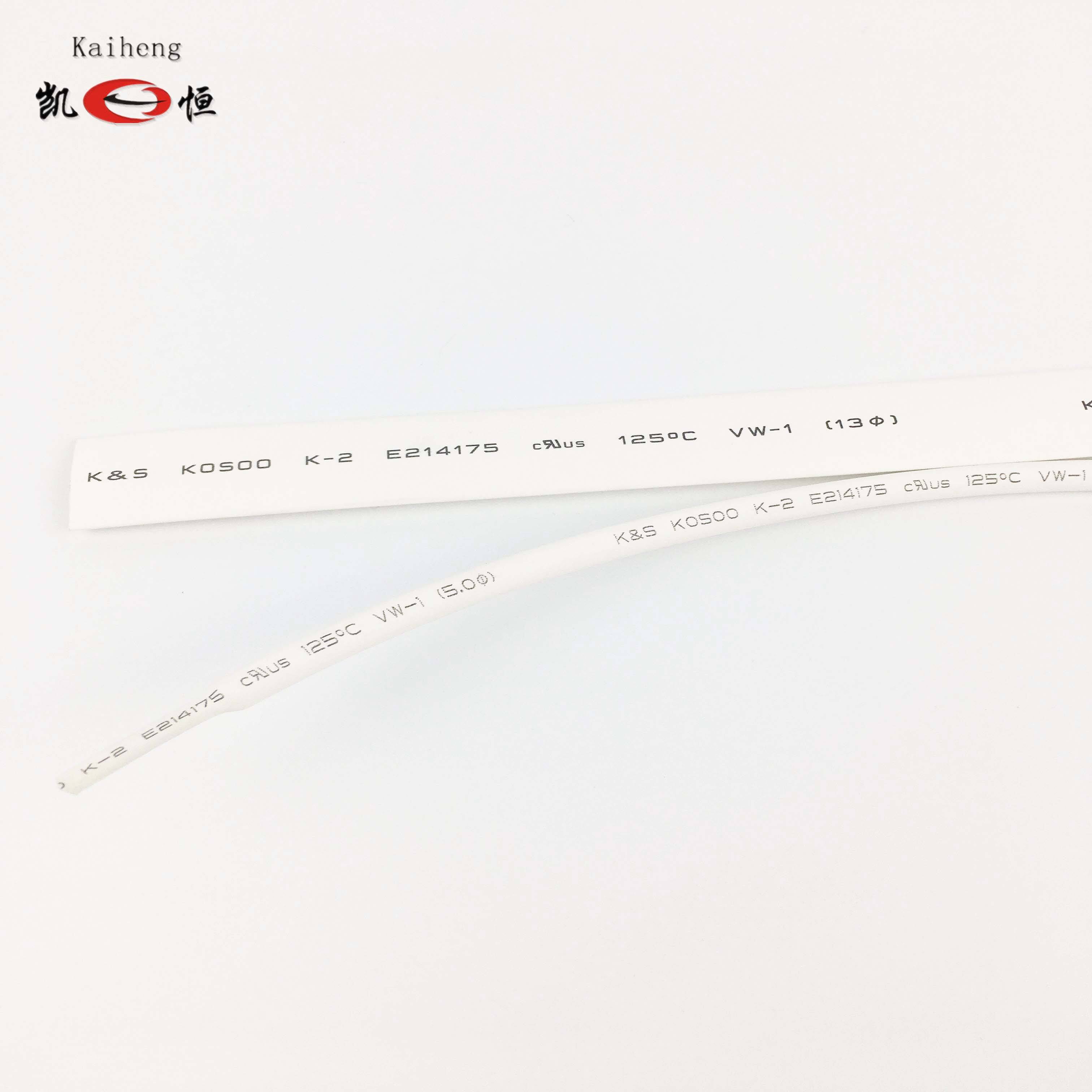
white heat shrink tubing
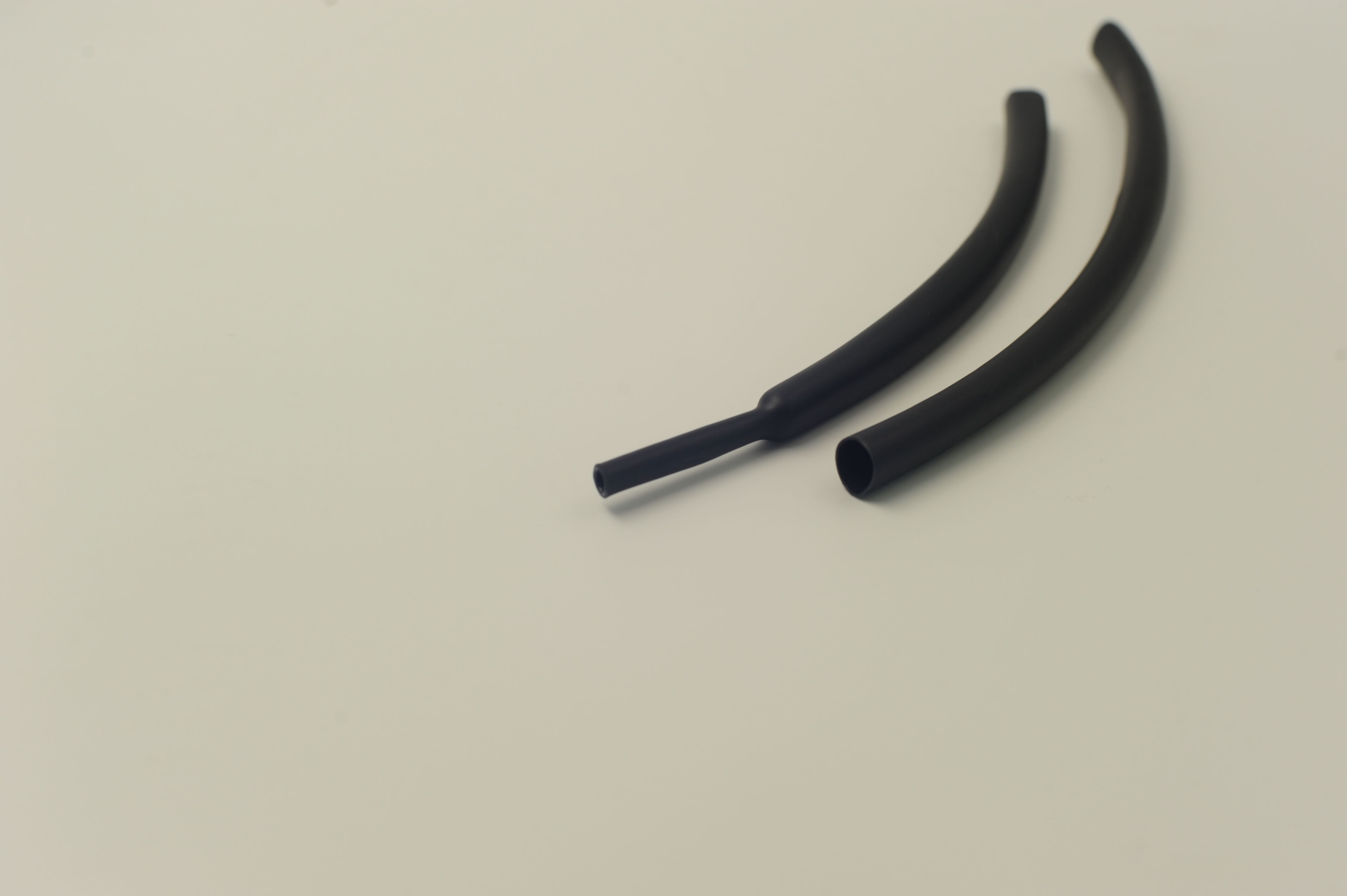
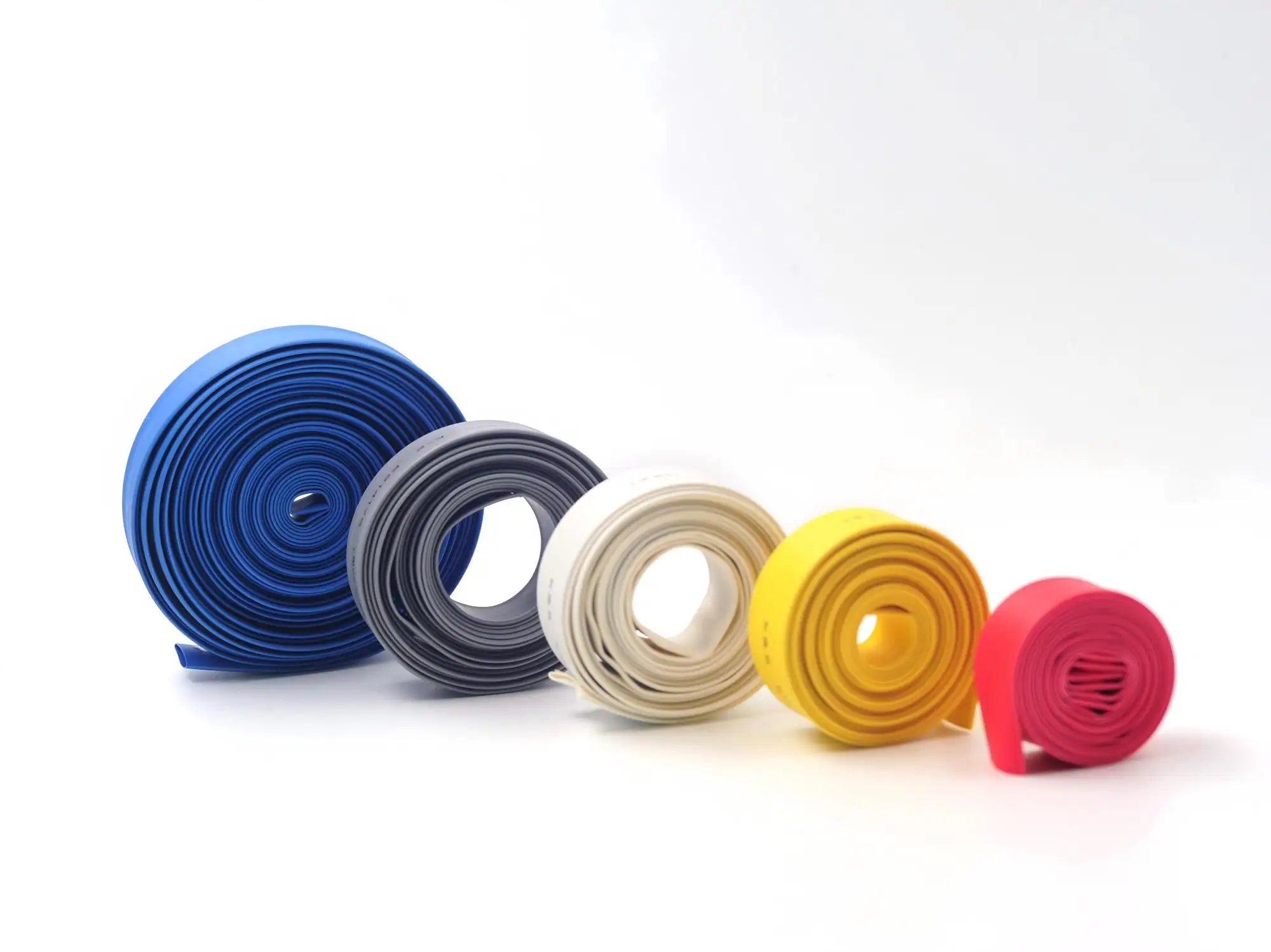
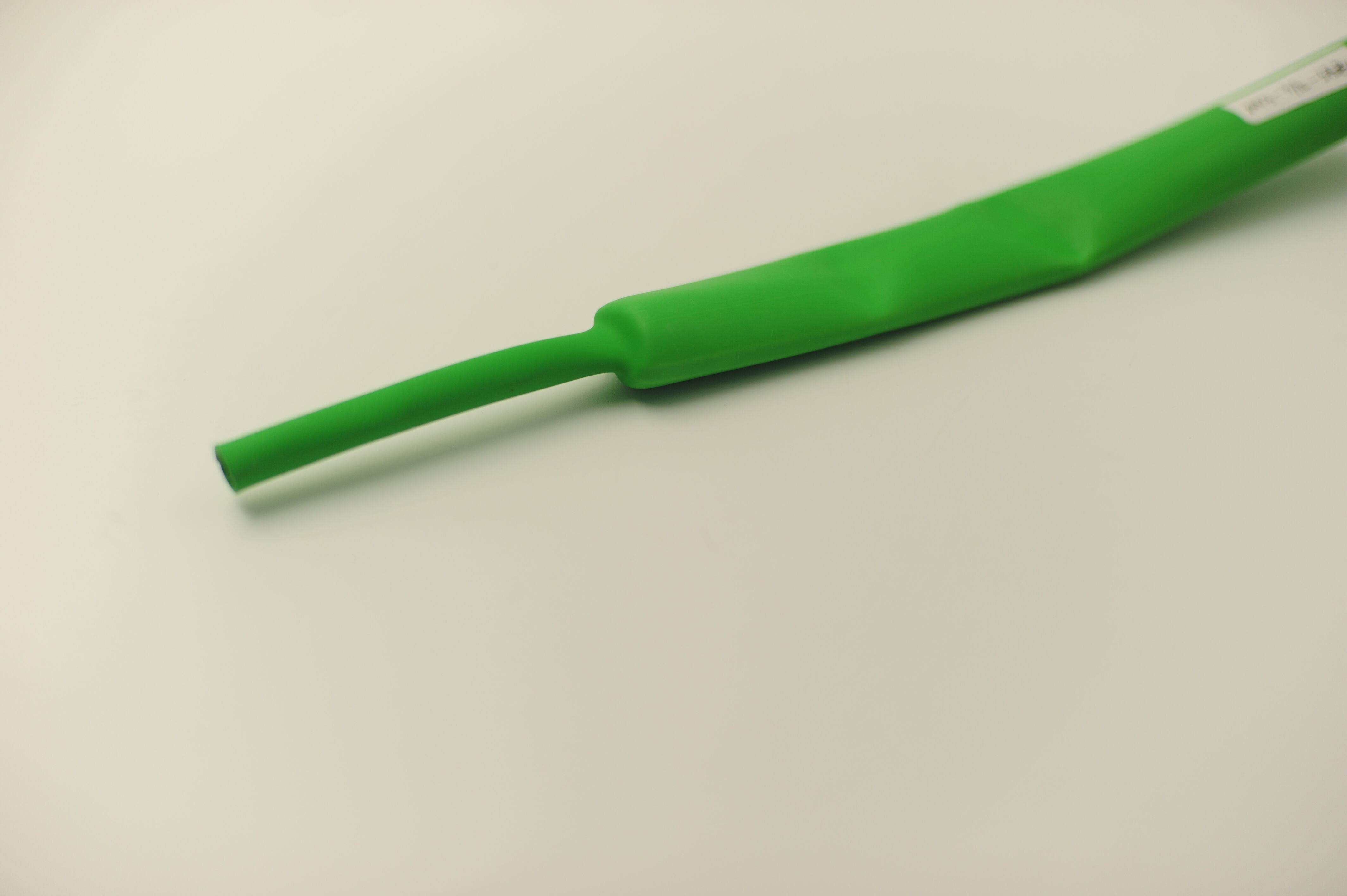
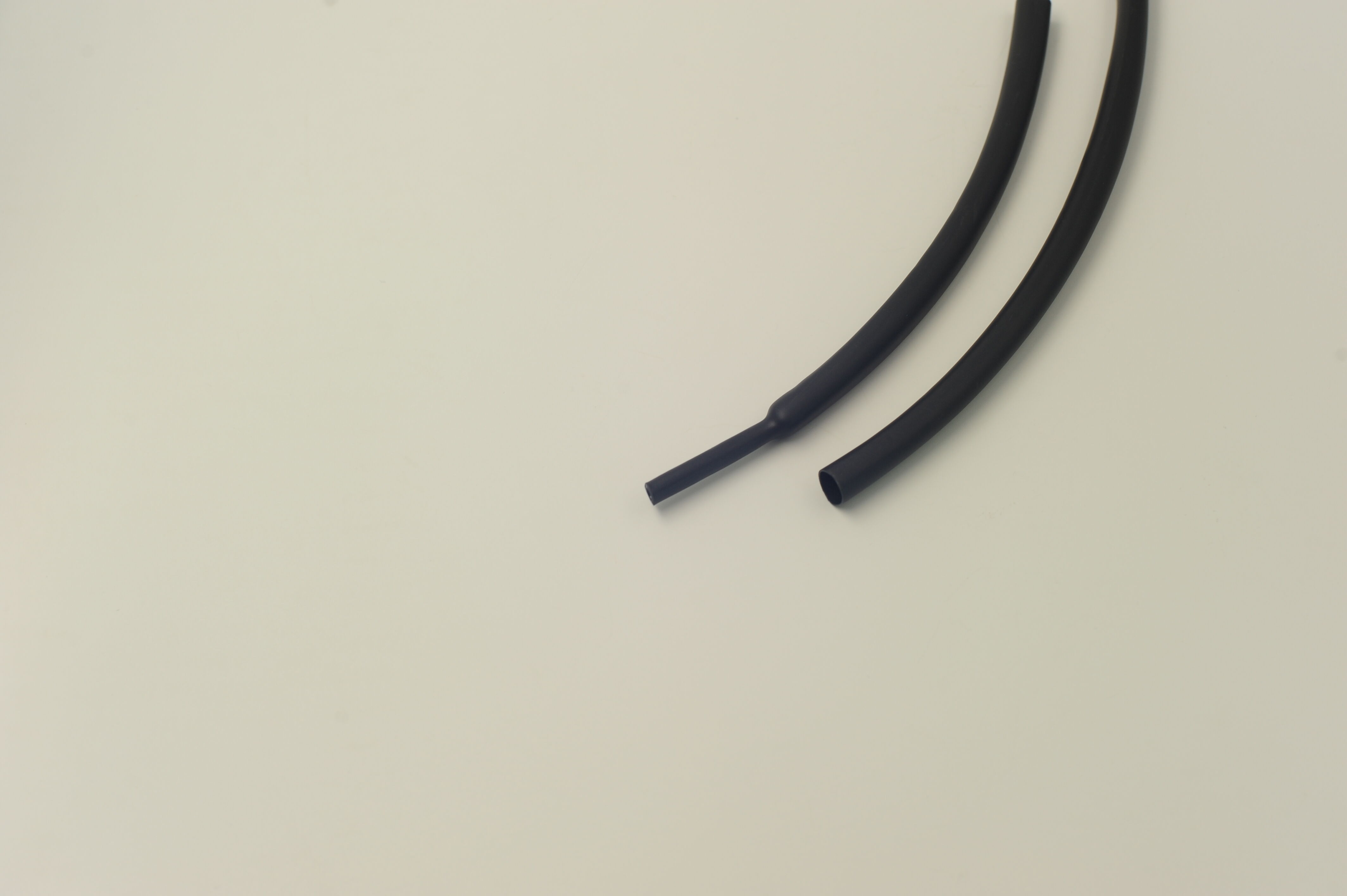
White heat shrink tubing represents a versatile and essential component in electrical and mechanical applications, offering superior protection and organization for wires, cables, and connections. This specialized tubing material contracts uniformly when heated, creating a tight, secure fit around various objects while maintaining its structural integrity and protective properties. The white coloration provides excellent visibility for identification purposes and creates a clean, professional appearance in installations where aesthetics matter. White heat shrink tubing functions primarily as an insulation barrier, protecting electrical connections from moisture, dust, chemicals, and mechanical damage while ensuring safe operation in diverse environments. The technology behind this product involves advanced polymer materials that undergo controlled shrinkage when exposed to heat sources such as heat guns, ovens, or other heating devices. The shrinkage ratio typically ranges from 2:1 to 4:1, meaning the tubing can accommodate various cable diameters while providing optimal coverage. Key technological features include excellent dielectric strength, temperature resistance ranging from -55°C to 125°C, and exceptional flexibility that prevents cracking or splitting during installation. The material demonstrates outstanding chemical resistance against oils, acids, and solvents commonly encountered in industrial settings. Applications for white heat shrink tubing span across multiple industries including automotive, aerospace, telecommunications, electronics manufacturing, and marine environments. Common uses include cable bundling, wire identification, strain relief, environmental sealing, and component protection. In automotive applications, it protects wiring harnesses from heat, vibration, and corrosive substances. Telecommunications companies utilize white heat shrink tubing for fiber optic protection and cable management systems. Electronics manufacturers employ it for component insulation and circuit board protection. The marine industry benefits from its waterproof characteristics when properly installed with adhesive-lined variants. Installation requires simple tools and techniques, making it accessible for both professional technicians and DIY enthusiasts seeking reliable protection solutions.

 EN
EN