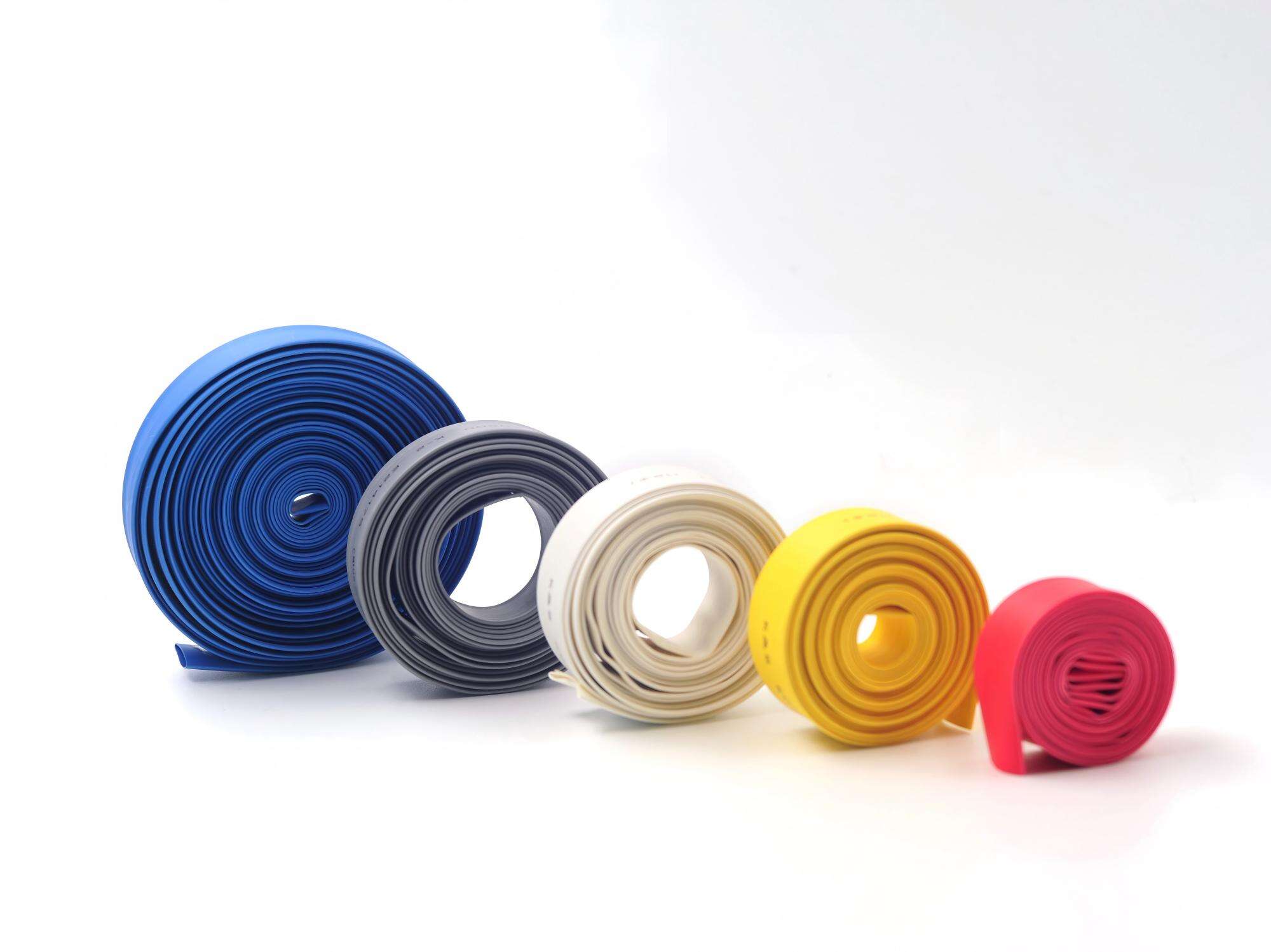
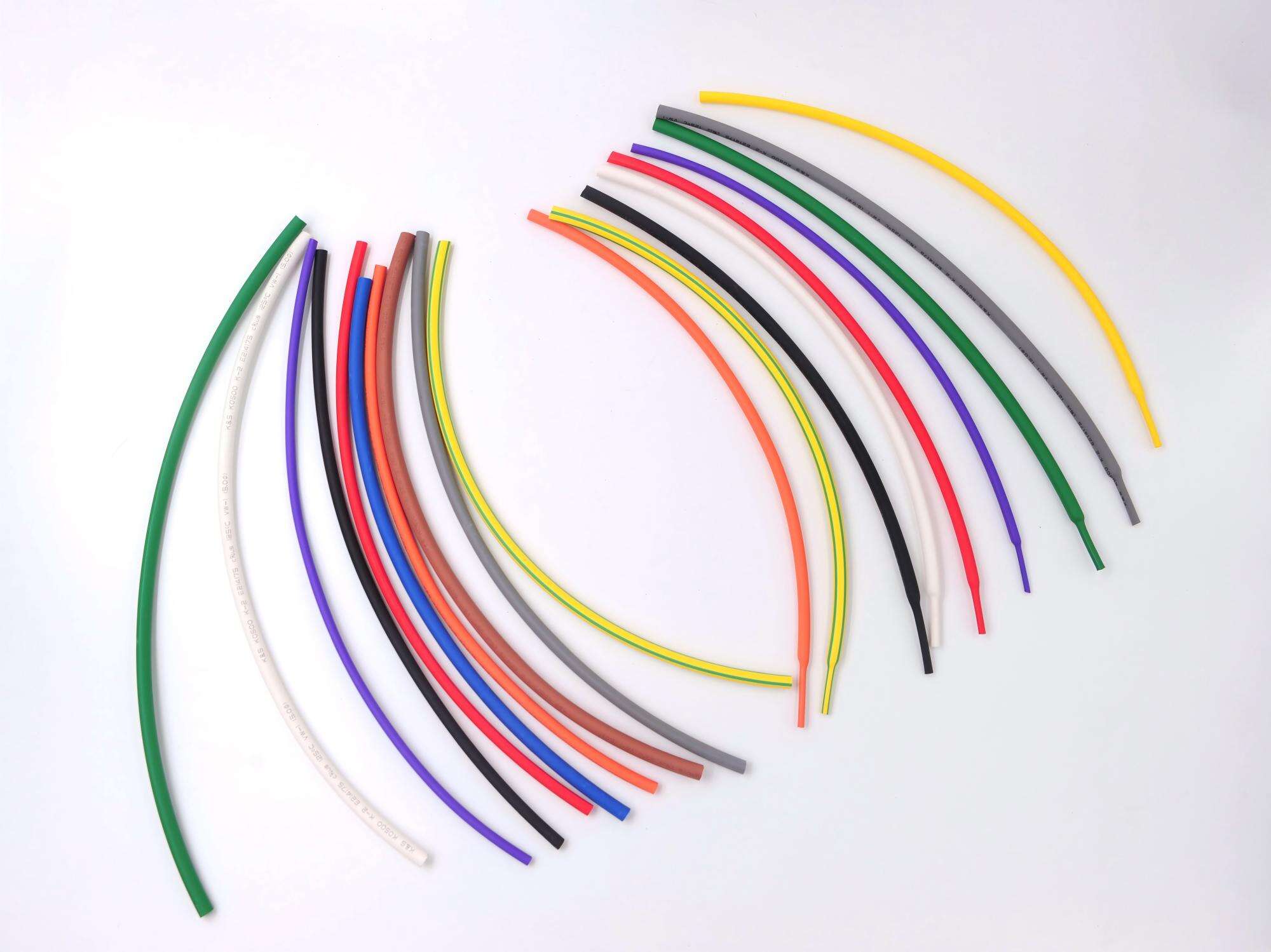
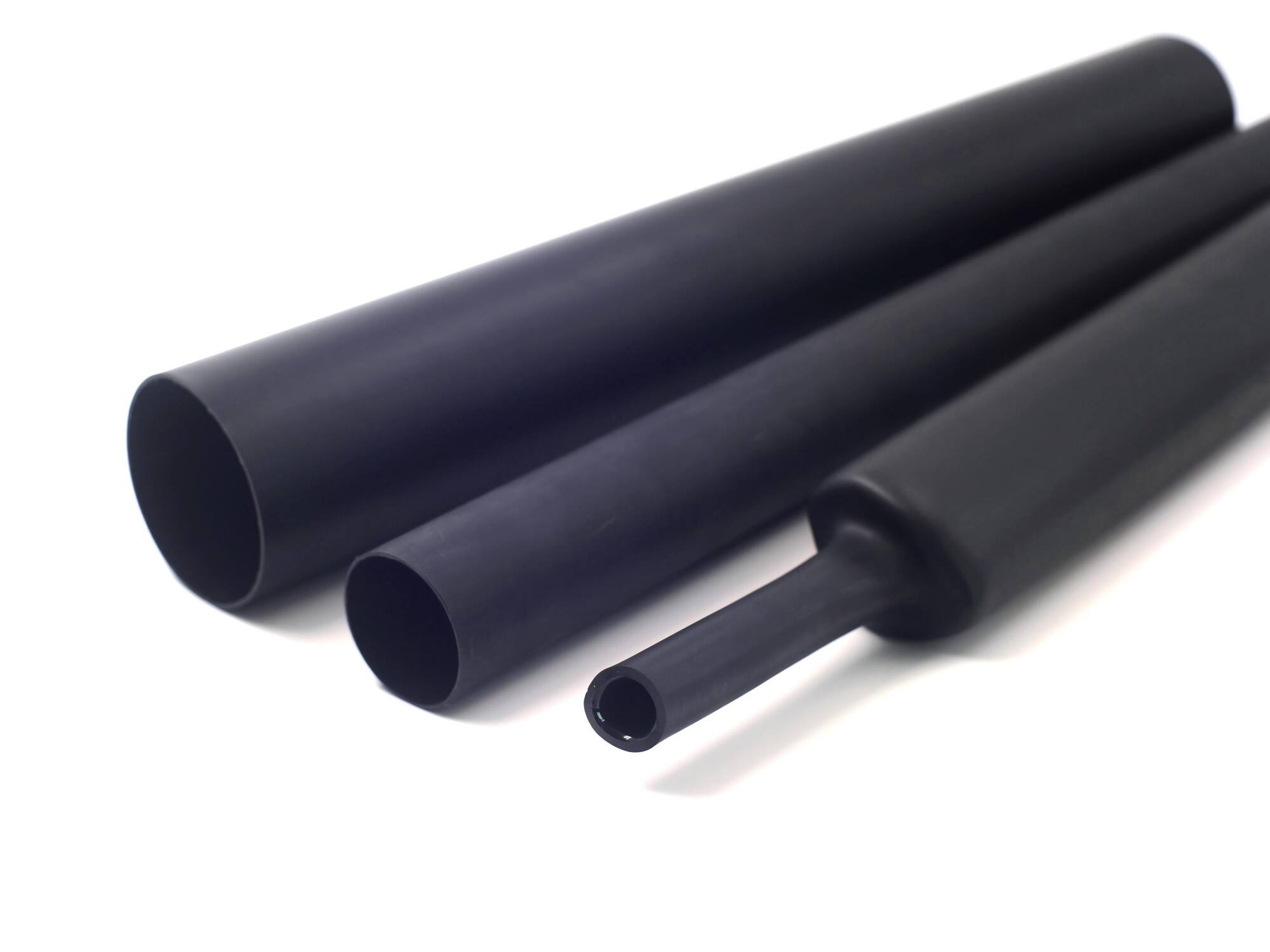
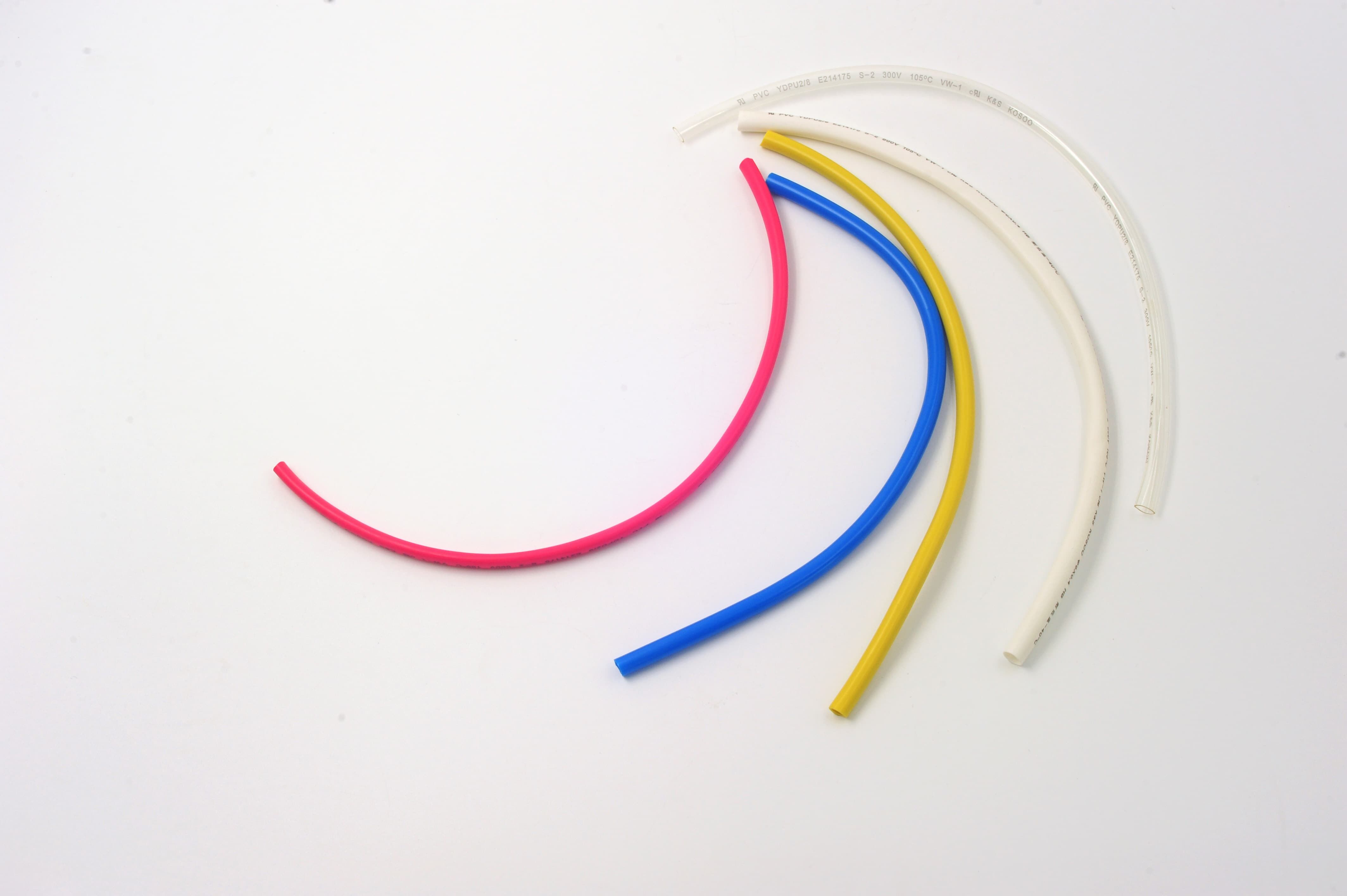
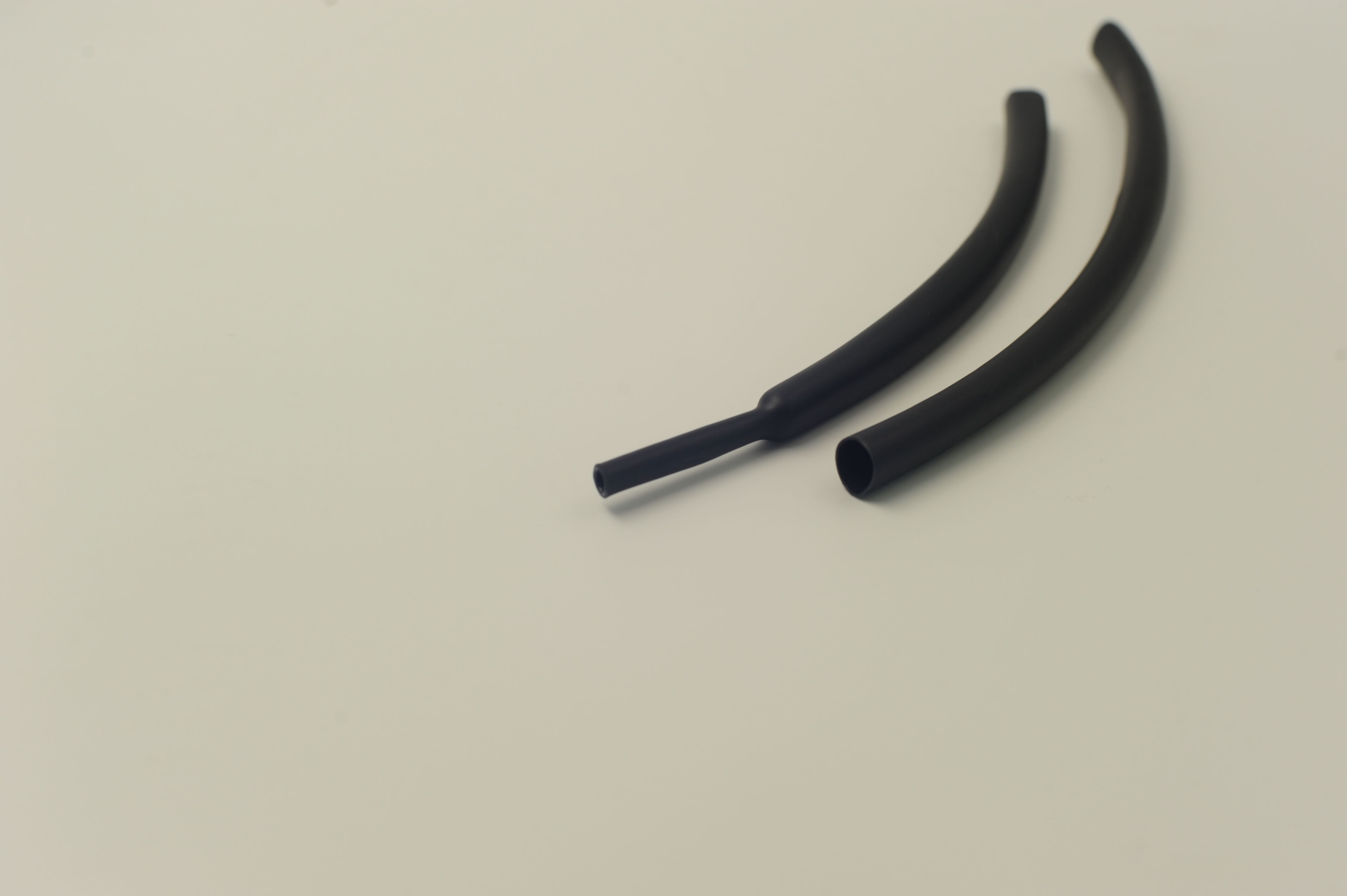
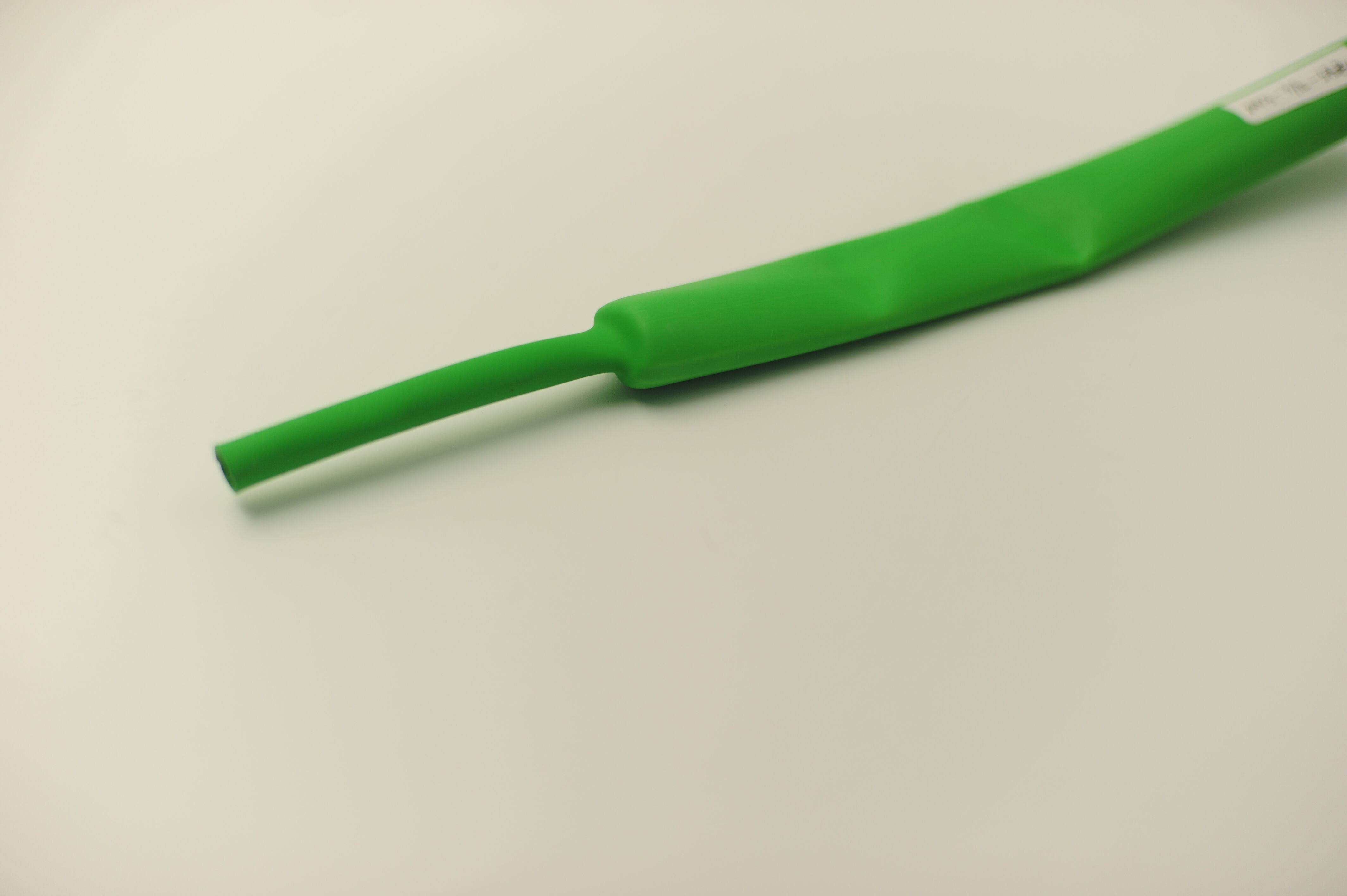
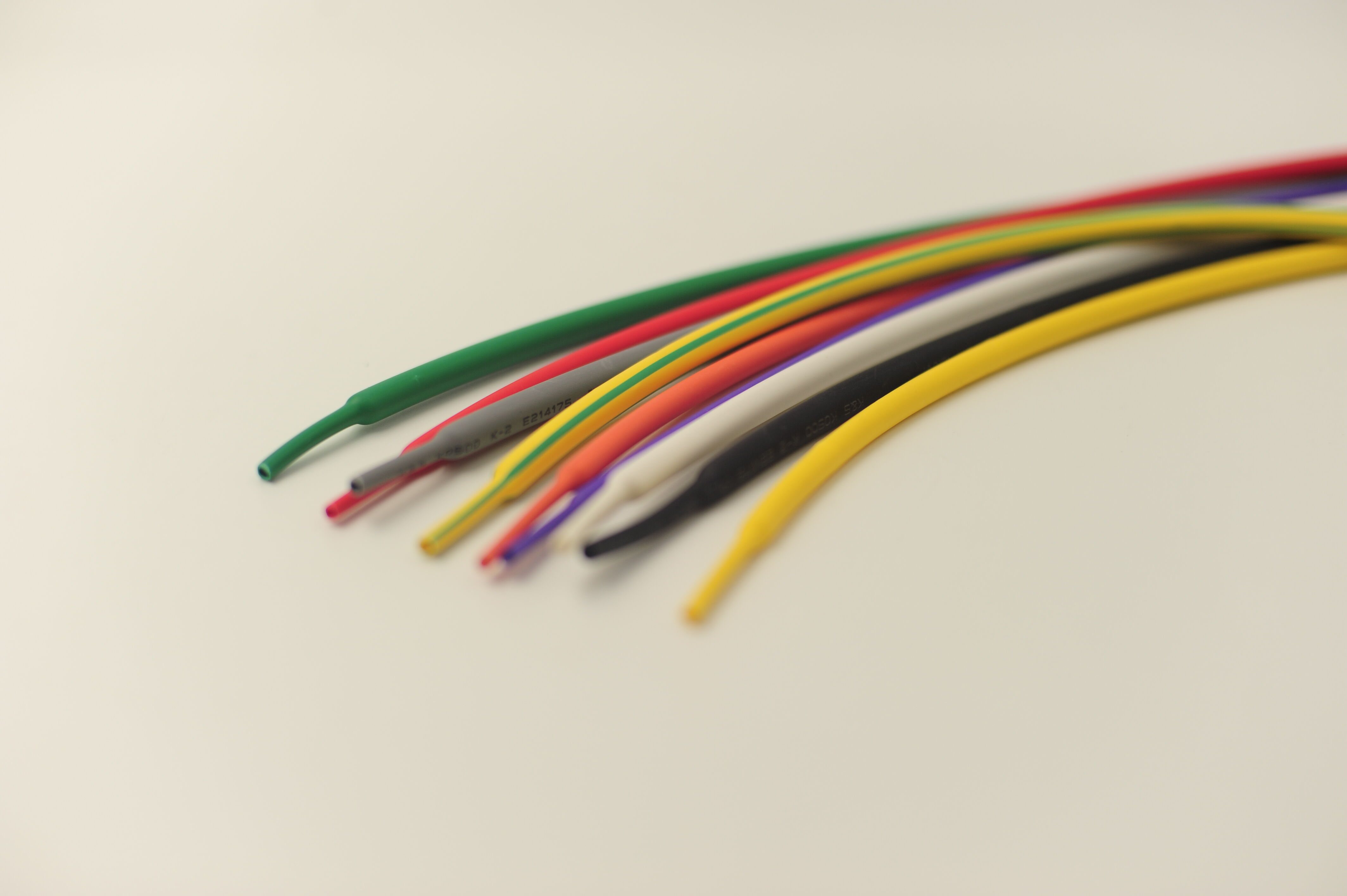
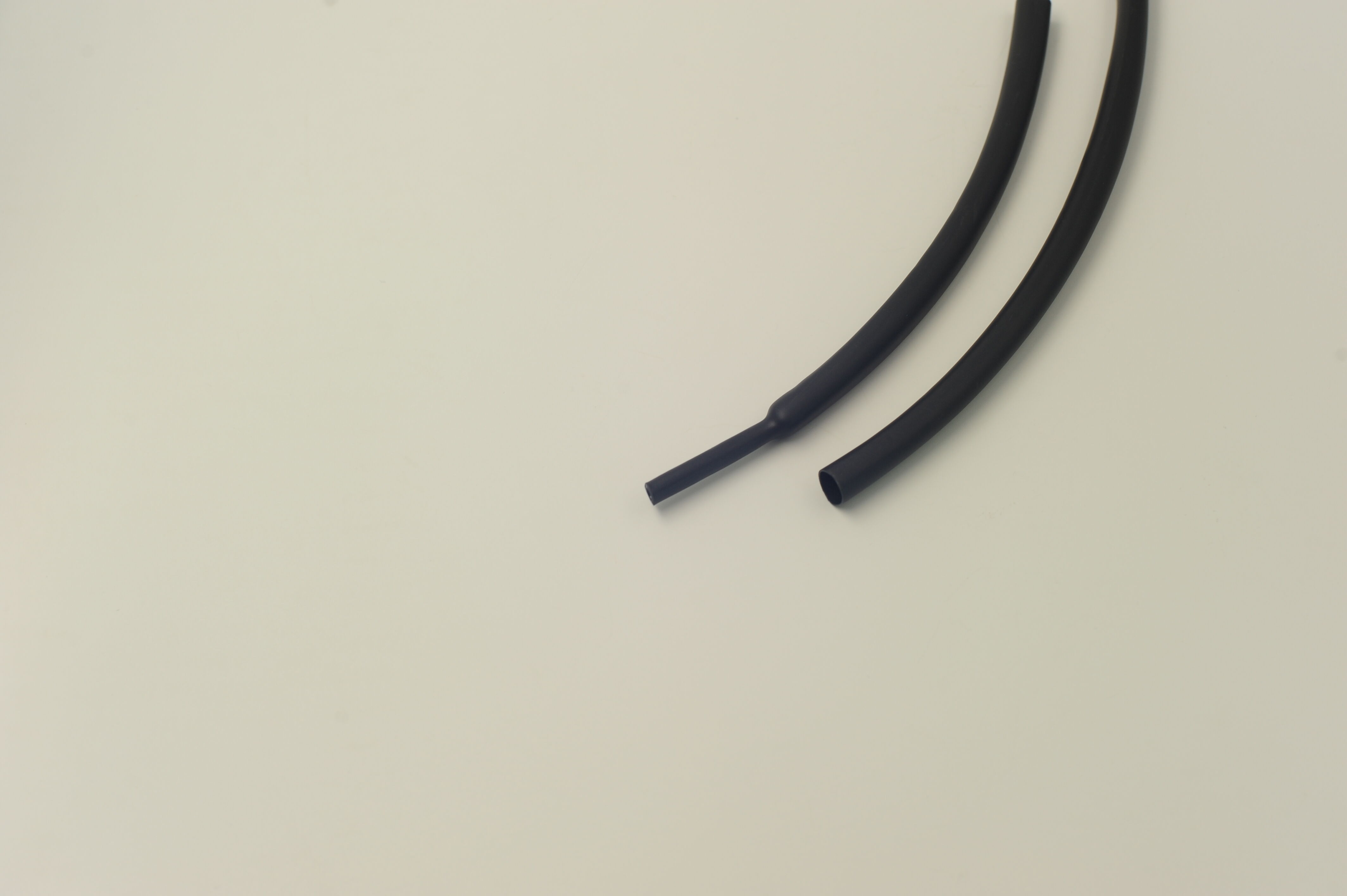
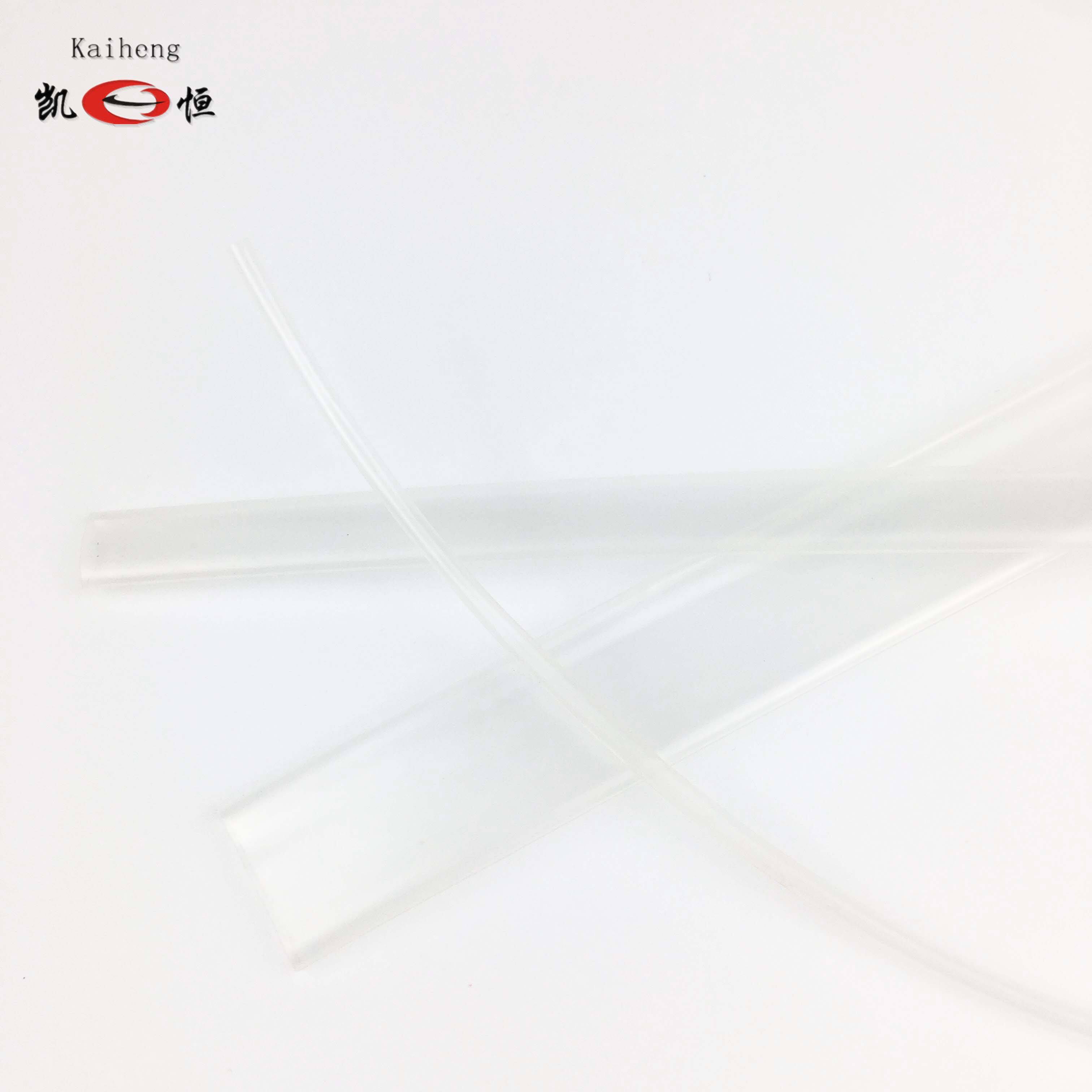
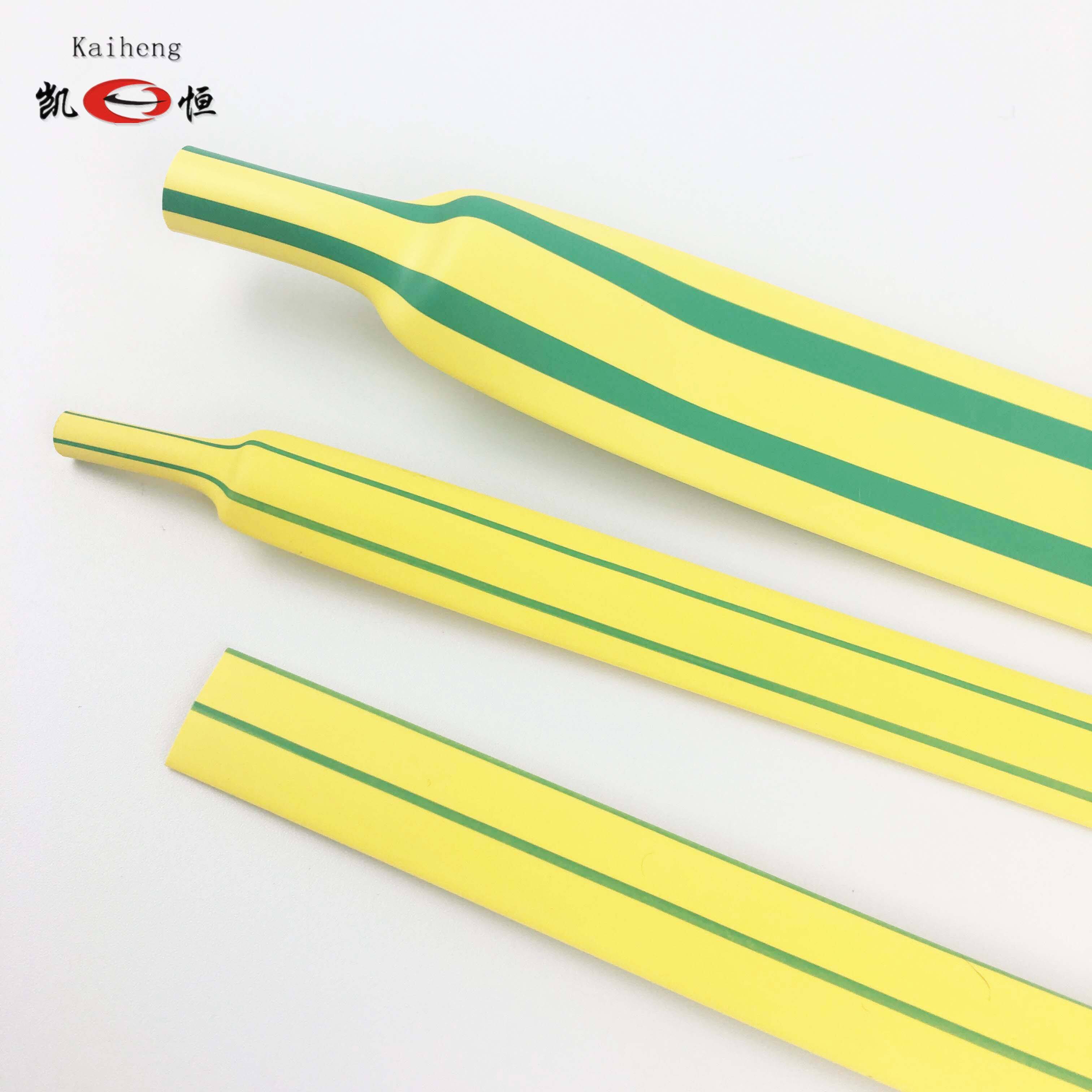
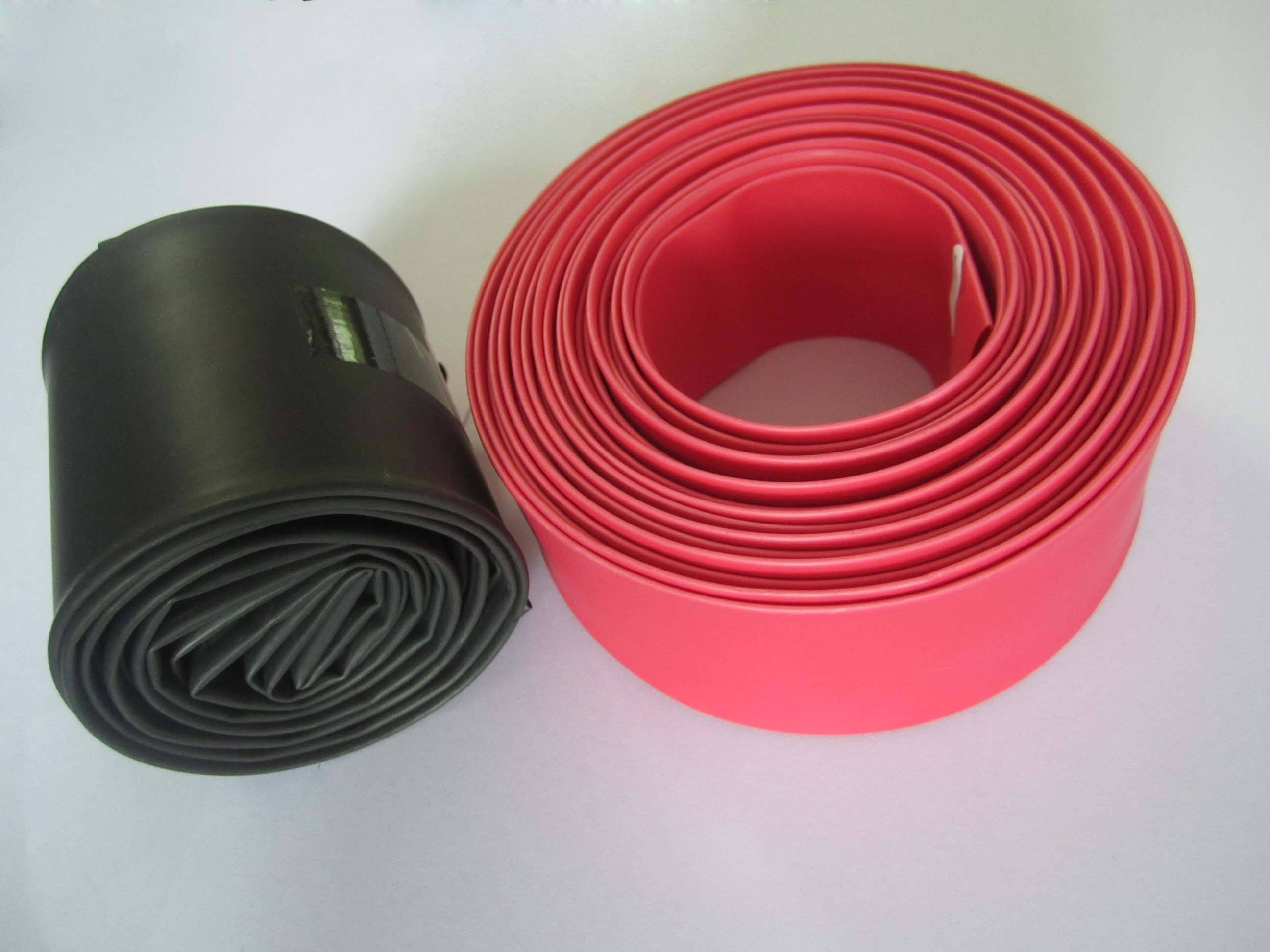
colored heat shrink tubing
Colored heat shrink tubing represents an essential solution for electrical protection and identification across numerous industries. This specialized tubing material contracts when exposed to heat, creating a tight protective barrier around cables, wires, and connections. The colored variations provide visual coding capabilities that enhance organization and safety in complex electrical systems. Heat shrink tubing utilizes advanced polymer technology that responds to controlled heating, typically achieved through heat guns or ovens. When heated to activation temperatures, usually between 125°C to 150°C, the tubing shrinks uniformly to form a secure seal around the enclosed component. The colored heat shrink tubing maintains its protective properties while offering distinct visual identification through various color options including red, blue, green, yellow, black, white, and custom colors. Modern colored heat shrink tubing incorporates cross-linked polyolefin materials that deliver exceptional durability and resistance to environmental factors. These materials provide excellent insulation properties, moisture protection, and chemical resistance while maintaining flexibility across wide temperature ranges. The manufacturing process ensures consistent wall thickness and reliable shrinkage ratios, typically offering 2:1 or 3:1 reduction ratios for optimal fit around different cable sizes. Applications for colored heat shrink tubing span automotive wiring harnesses, aerospace systems, telecommunications infrastructure, marine electronics, and industrial control panels. The tubing serves multiple functions including electrical insulation, mechanical protection, strain relief, and environmental sealing. Color coding capabilities enable technicians to quickly identify circuit functions, voltage levels, or system components without referencing complex diagrams. Quality colored heat shrink tubing meets international standards for electrical safety and environmental performance, ensuring reliable operation in demanding conditions. The material resists UV radiation, chemicals, oils, and extreme temperatures while maintaining its protective seal over extended periods.

 EN
EN