Hindi karaniwang Pang-mekanikal na Tinitis
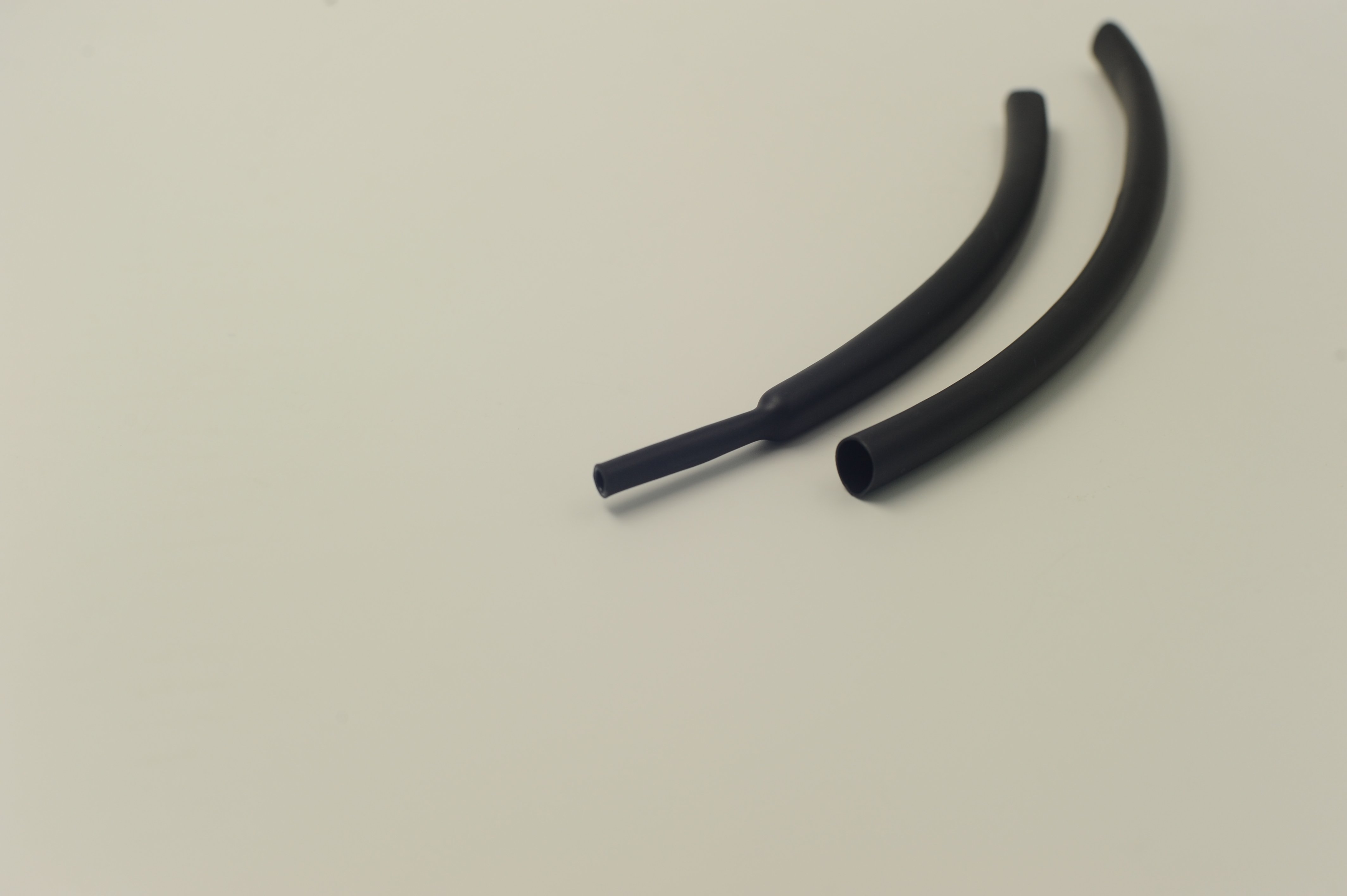
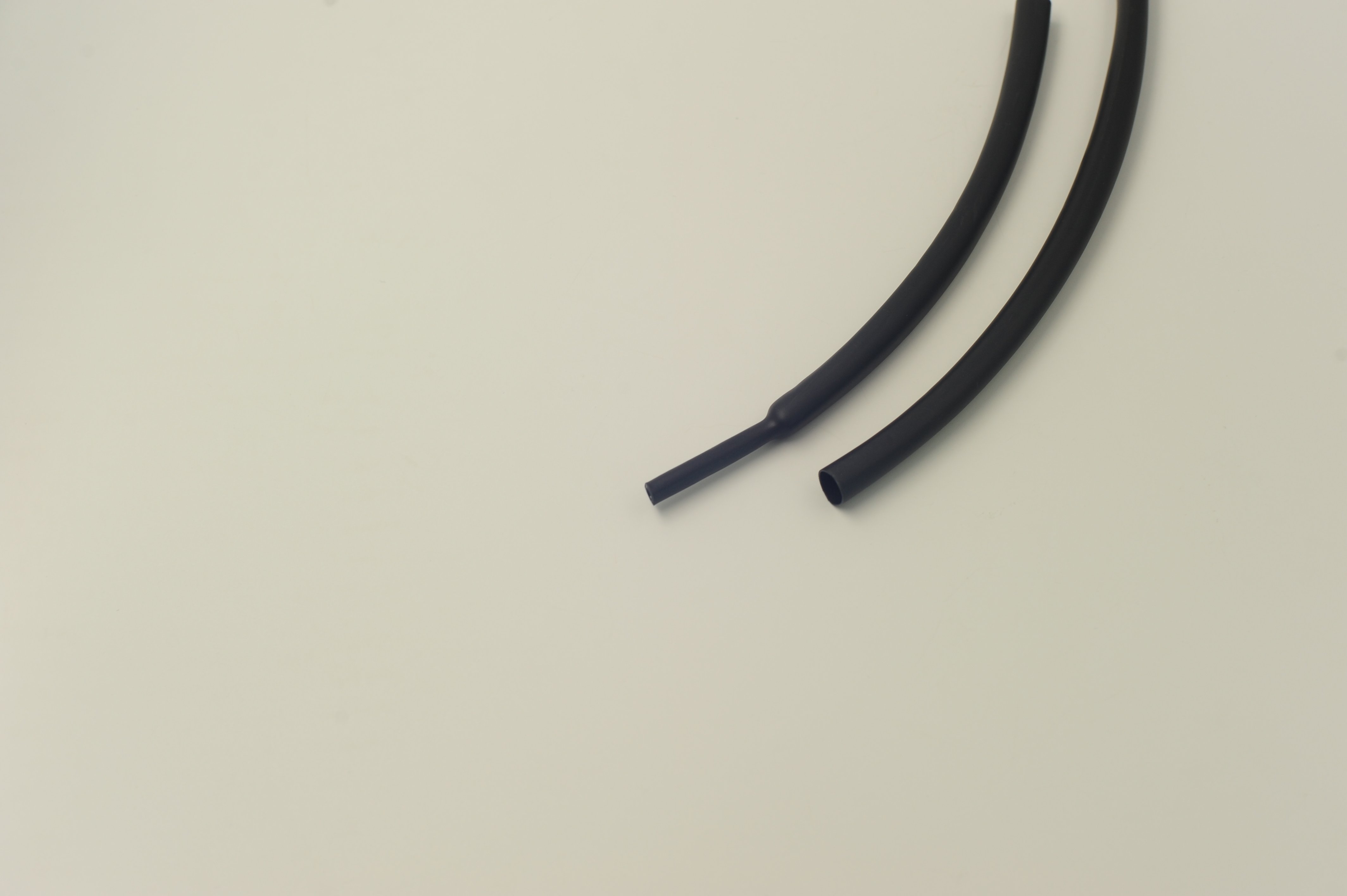
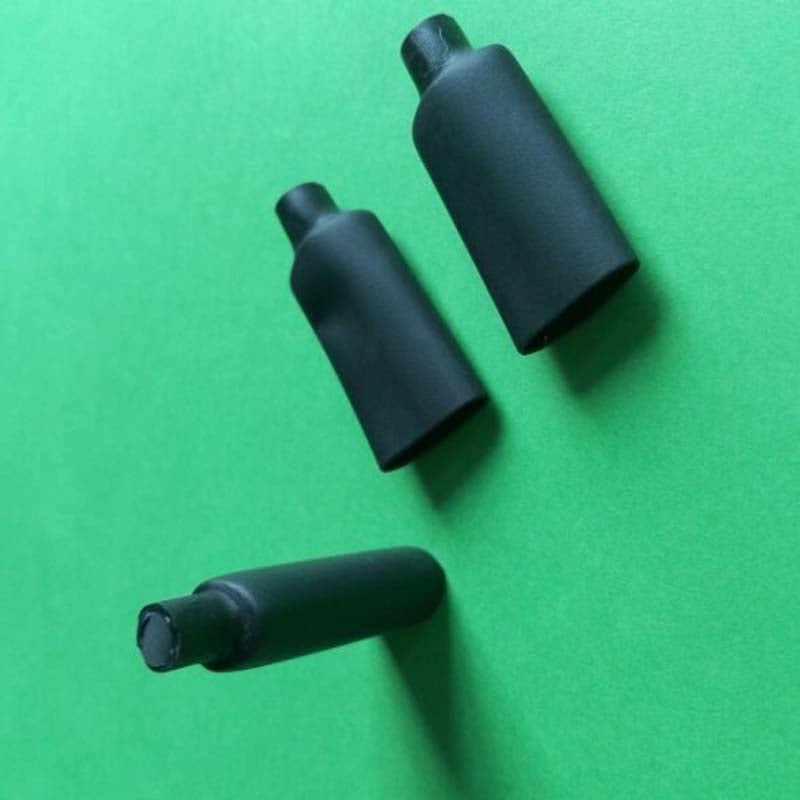
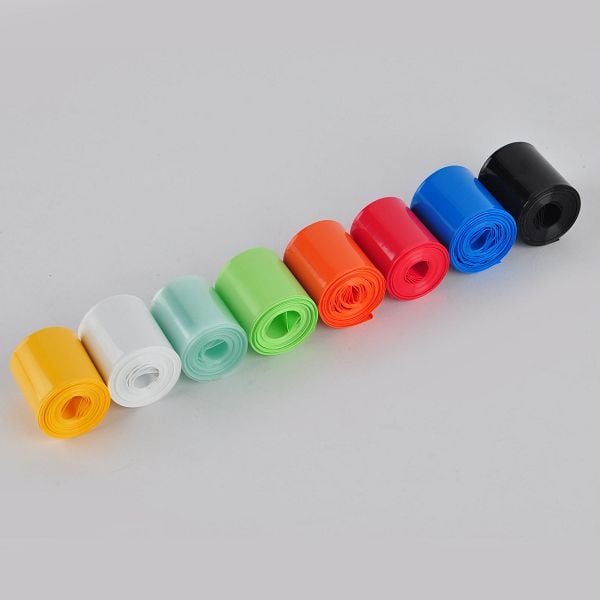
Ang makapal na shrink tubing ay nagbibigay ng kahanga-hangang tibay sa mekanikal na nagpapagarantiya ng pangmatagalang katiyakan sa mga mahihirap na aplikasyon kung saan ang karaniwang paraan ng proteksyon ay hindi sapat. Ang pinatataas na kapal ng pader ay lumilikha ng matibay na barrier na proteksyon na tumutugon sa stress na mekanikal, pinsala dulot ng impact, at mga kondisyon ng pagkasira na maaaring sirain ang karaniwang shrink tubing. Ang kahanga-hangang kahusayan nito sa larangan ng mekanikal ay nagmumula sa mataas na tensile strength, resistance sa pagputok (tear resistance), at kakayahang absorbohin ang impact ng materyal—na lahat ay nagsisilbing protektahan ang mahahalagang bahagi laban sa pisikal na pinsala. Ang makapal na shrink tubing ay nagpapakita ng napakahusay na resistance sa mga puwersang compression, na panatilihin ang kanyang protektibong envelope kahit sa ilalim ng matinding crushing loads na karaniwan sa mga instalasyon ng kable at industriyal na kagamitan. Ang flexibility ng materyal ay nananatiling pare-pareho sa malawak na saklaw ng temperatura, na nagpipigil sa cracking at splitting na maaaring mangyari sa mga rigid na paraan ng proteksyon habang nagpapalit ng temperatura. Ang resistance sa vibration ay nagpapagarantiya na panatilihin ng makapal na shrink tubing ang integridad ng kanyang seal sa mga aplikasyon na nakakaranas ng patuloy na mekanikal na oscillation, tulad ng mga instalasyon sa automotive at aerospace. Ang pinatataas na kapal ng pader ay nagbibigay ng superior na puncture resistance, na protektado laban sa mga sharp objects at debris na maaaring sirain ang mas manipis na materyales. Ang abrasion resistance ay nagpapahaba ng service life sa mga aplikasyon kung saan may galaw o kontak, na panatilihin ang mga protektibong katangian kahit sa harap ng surface wear. Ang konstruksyon ng makapal na shrink tubing ay nagdidistribuye ng mga puwersang stress sa mas malaking cross-sectional area, na binabawasan ang stress concentrations na maaaring magsimula ng kabiguan sa mas manipis na materyales. Ang fatigue resistance ay nagpapagarantiya ng maaasahang performance sa mga aplikasyon na nakakaranas ng paulit-ulit na flexing o bending, tulad ng mga robotic system at mga instalasyon ng gumagalaw na makina. Ang impact resistance ng materyal ay protektado laban sa aksidental na pinsala habang nasa proseso ng instalasyon at pagpapanatili, na nagpipigil sa mga katas-taas na kabiguan na maaaring mangyari dahil sa mekanikal na pinsala sa mga sistema ng proteksyon. Ang flexibility sa malamig na temperatura ay nagpipigil sa brittleness na nakakaapekto sa maraming materyales ng proteksyon sa mga arctic na kondisyon, na nagpapagarantiya ng maaasahang performance sa buong mundo. Ang makapal na shrink tubing ay panatilihin ang kanyang mga mekanikal na katangian sa buong extended service life, na tumututol sa degradasyon na nakakaapekto sa iba pang paraan ng proteksyon sa paglipas ng panahon. Ang crush recovery properties ay nagpapahintulot sa materyal na bumalik sa orihinal nitong hugis matapos ang pansamantalang deformation, na panatilihin ang optimal na proteksyon kahit matapos ang pansamantalang exposure sa overload conditions. Ang mga mekanikal na katangiang ito ang gumagawa ng makapal na shrink tubing bilang pinakamainam na pagpipilian para sa mga heavy industrial application, mga sistema ng transportasyon, at anumang instalasyon kung saan ang mekanikal na katiyakan ay napakahalaga para sa tagumpay ng sistema.

 EN
EN