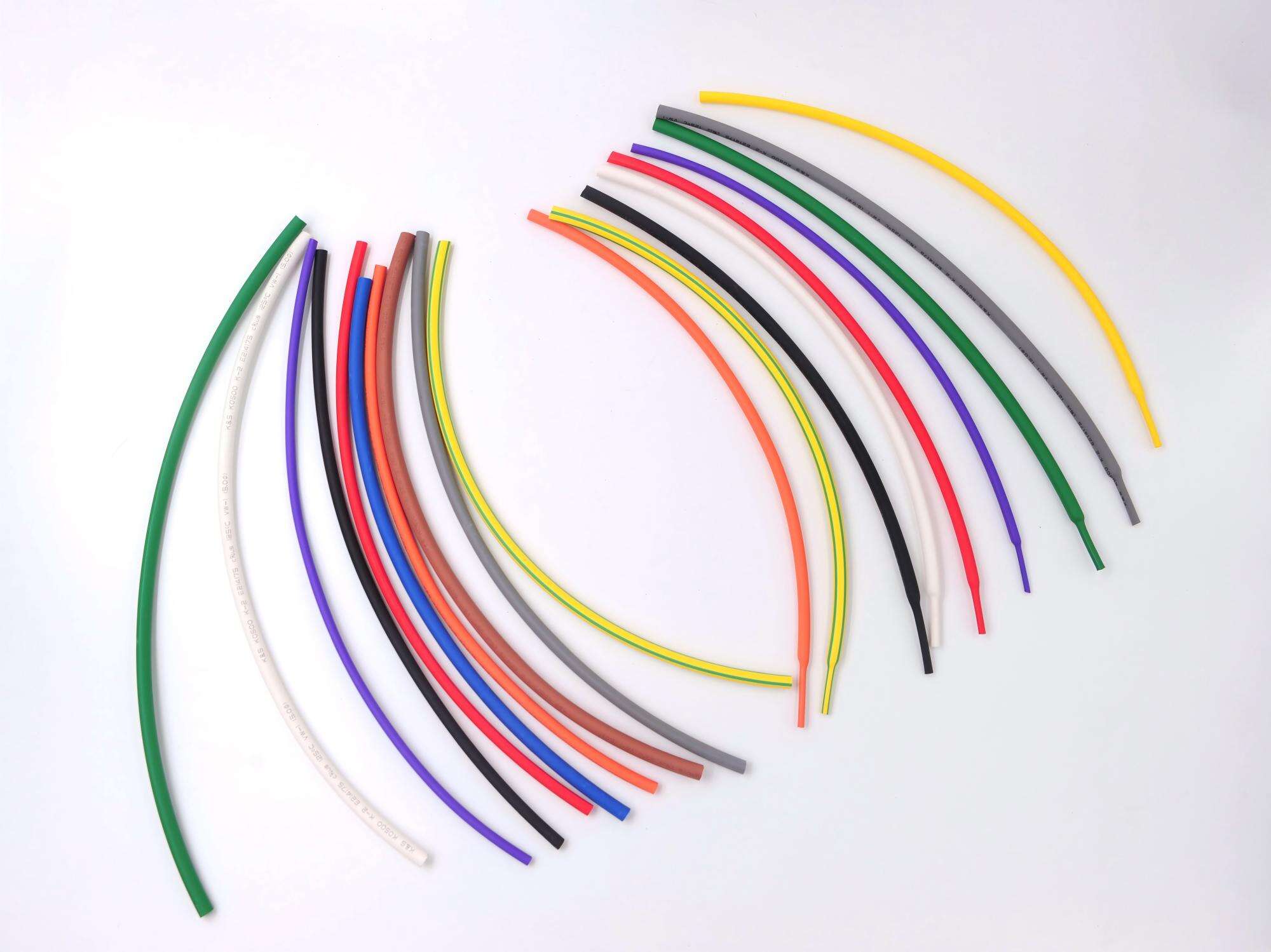
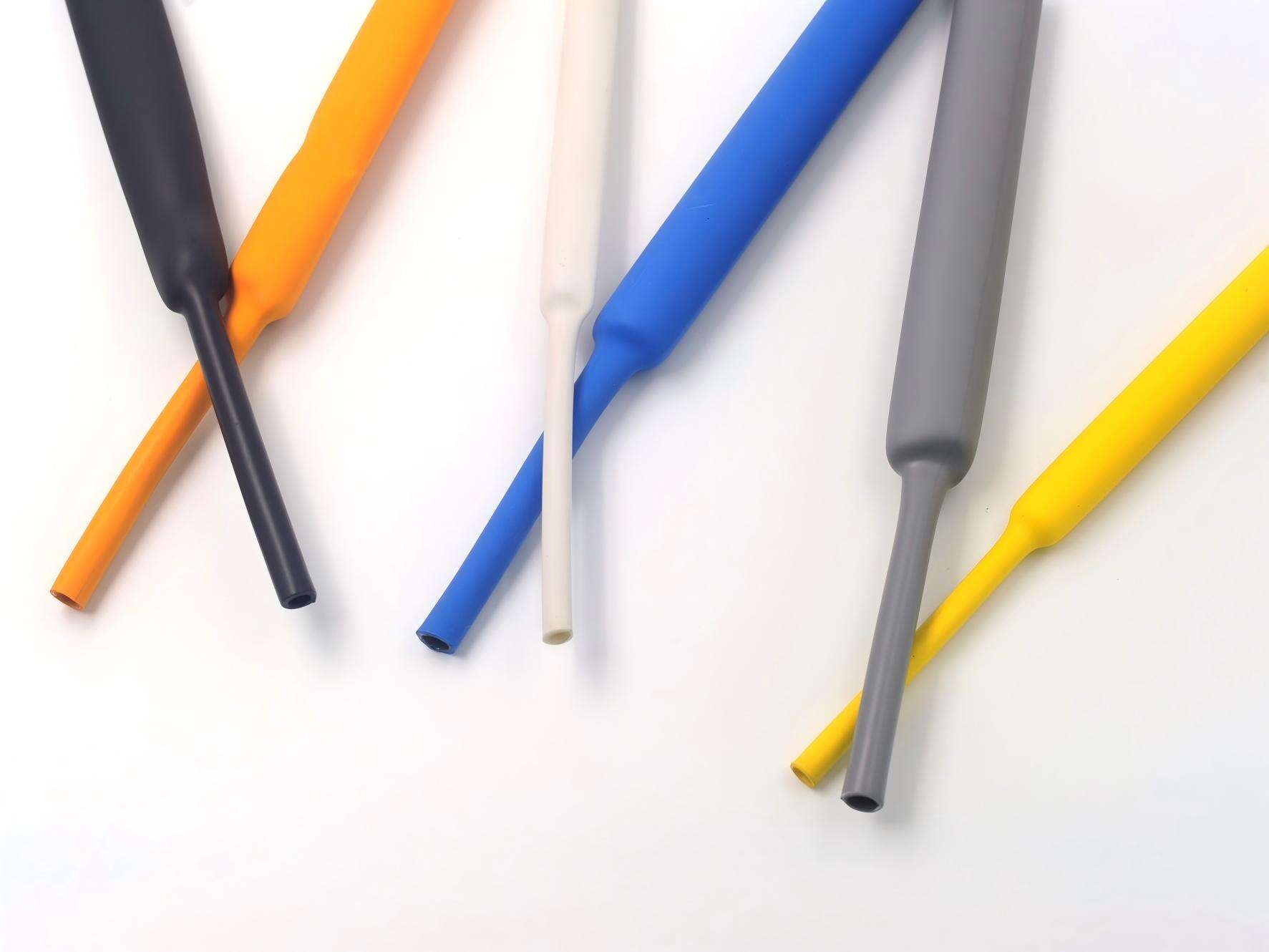
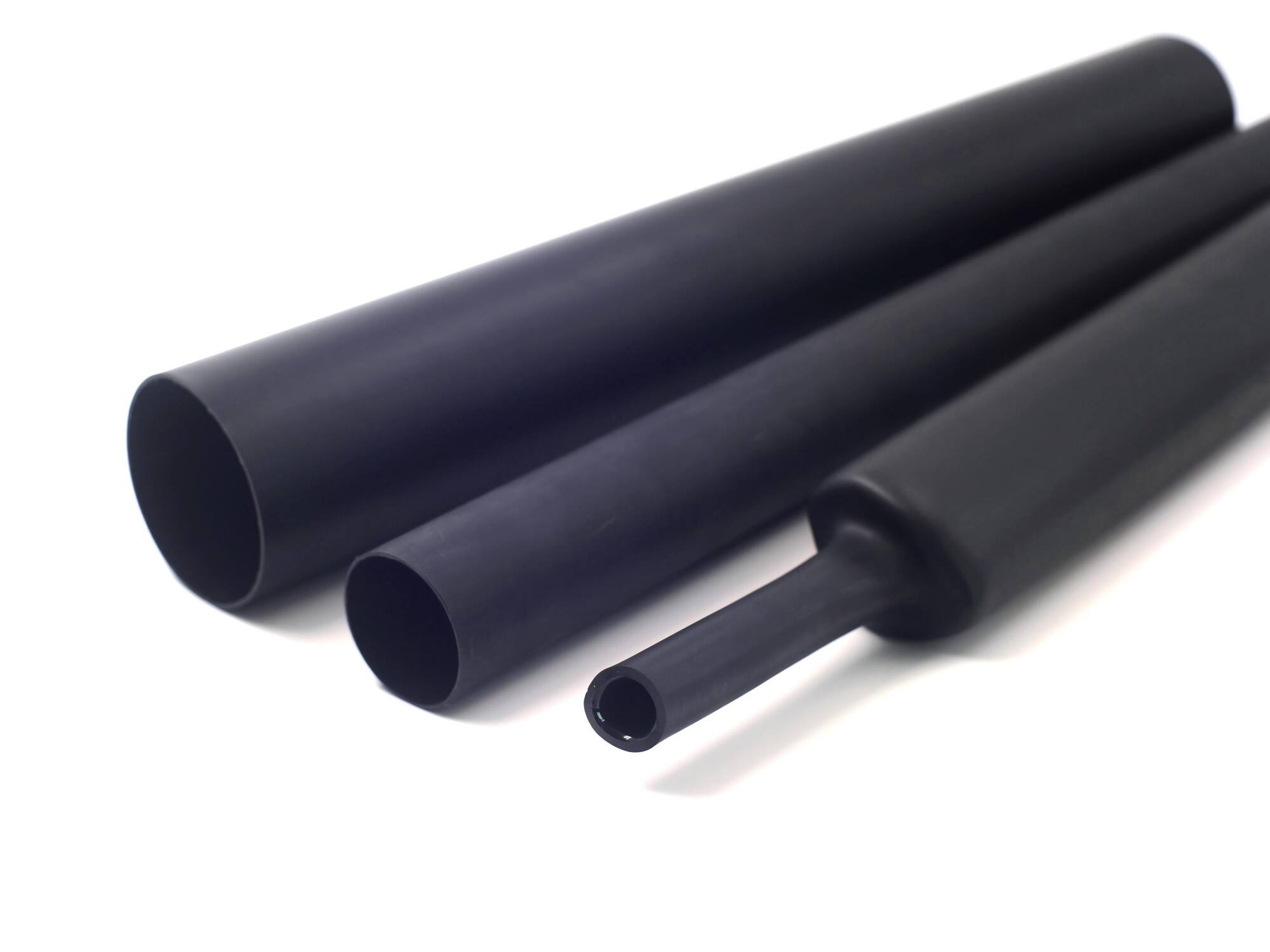
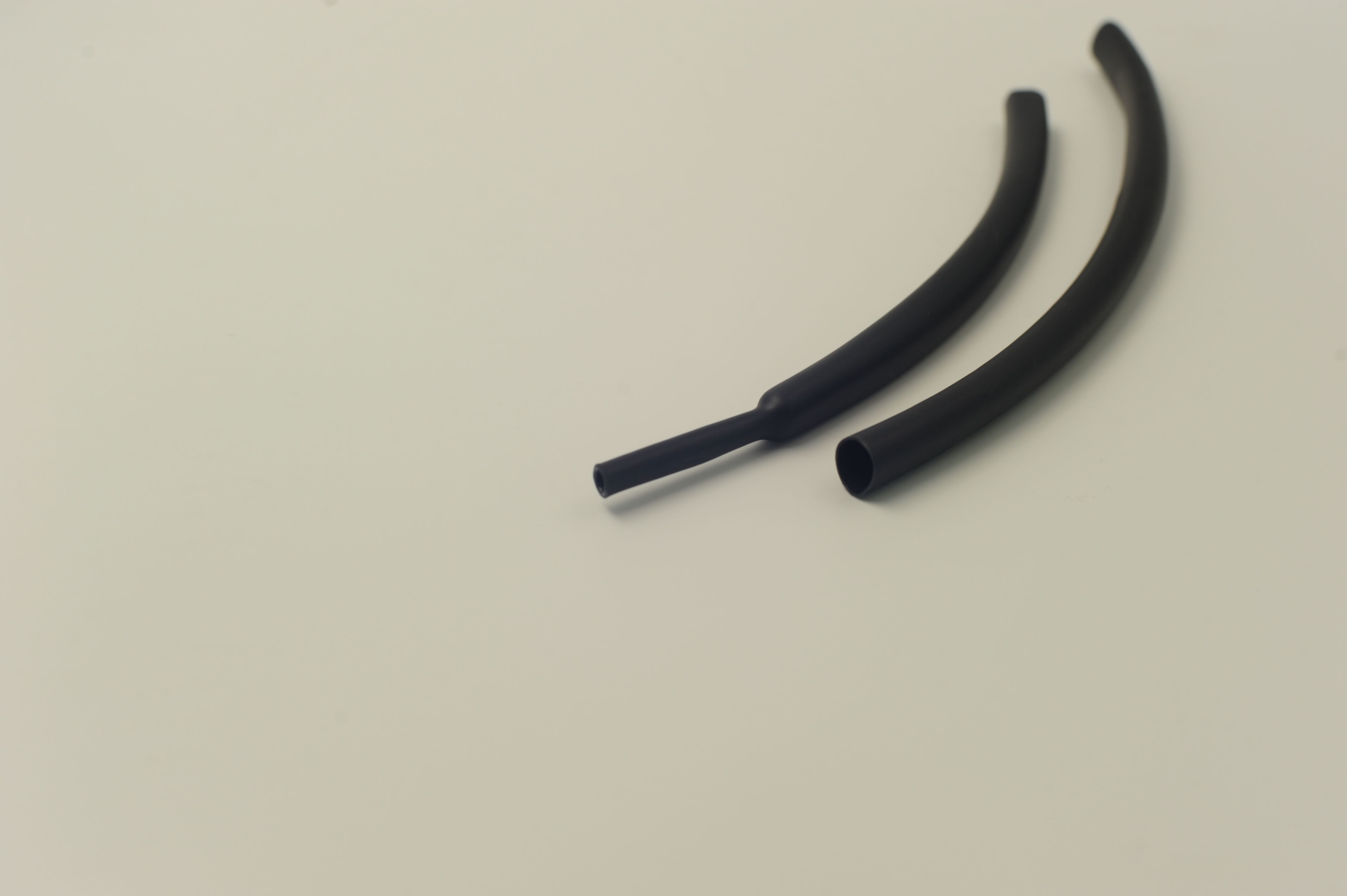
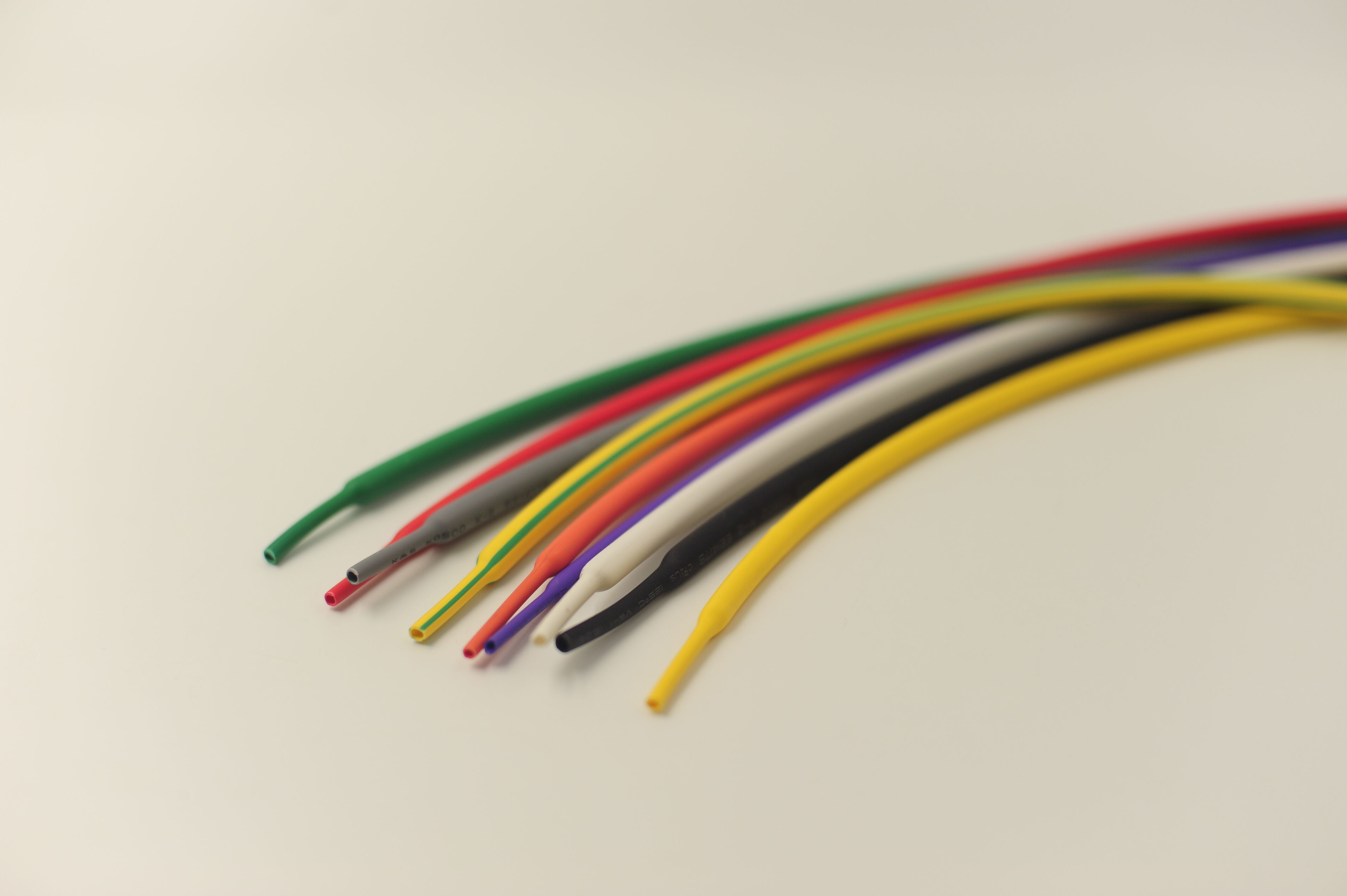
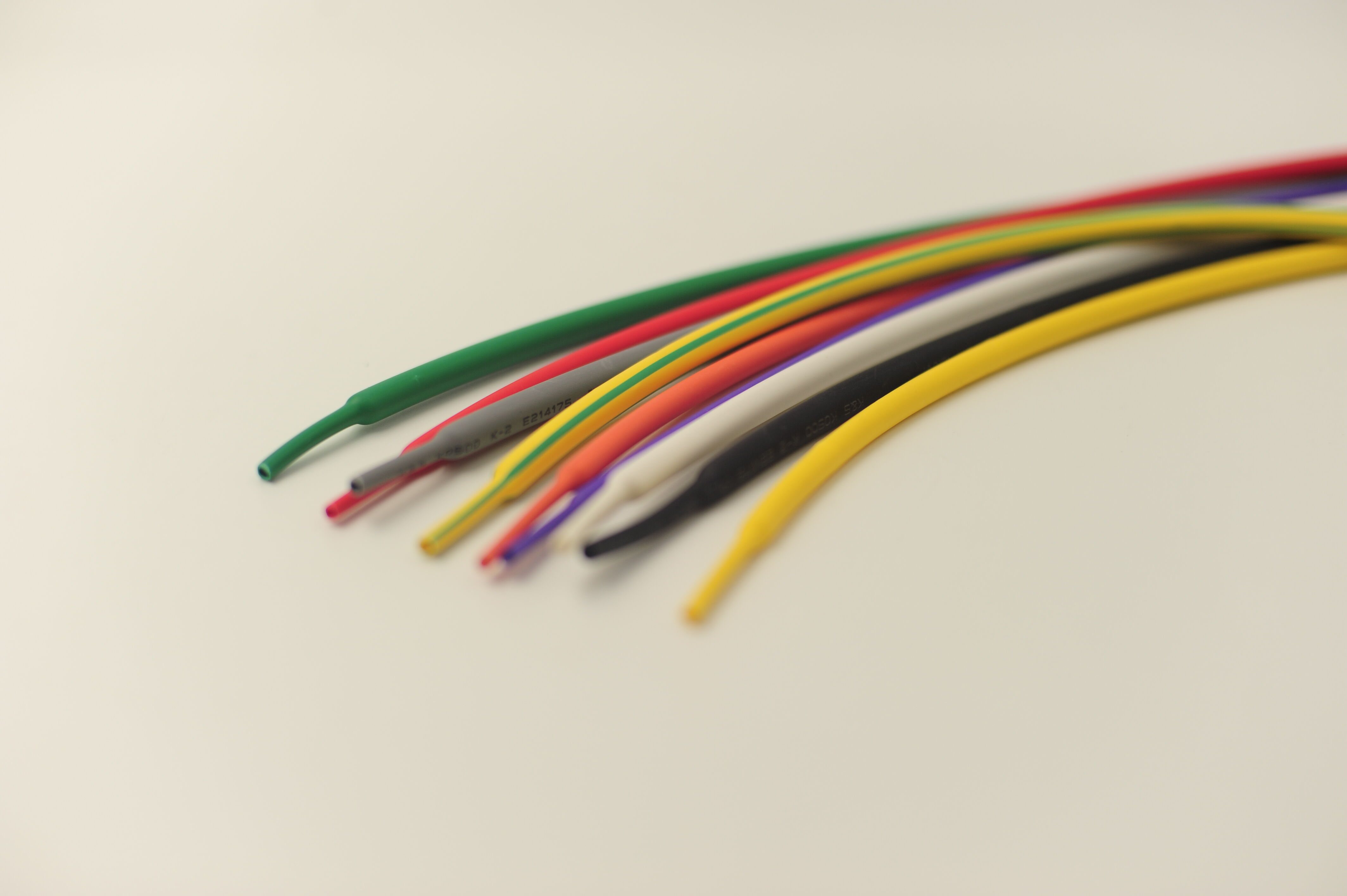
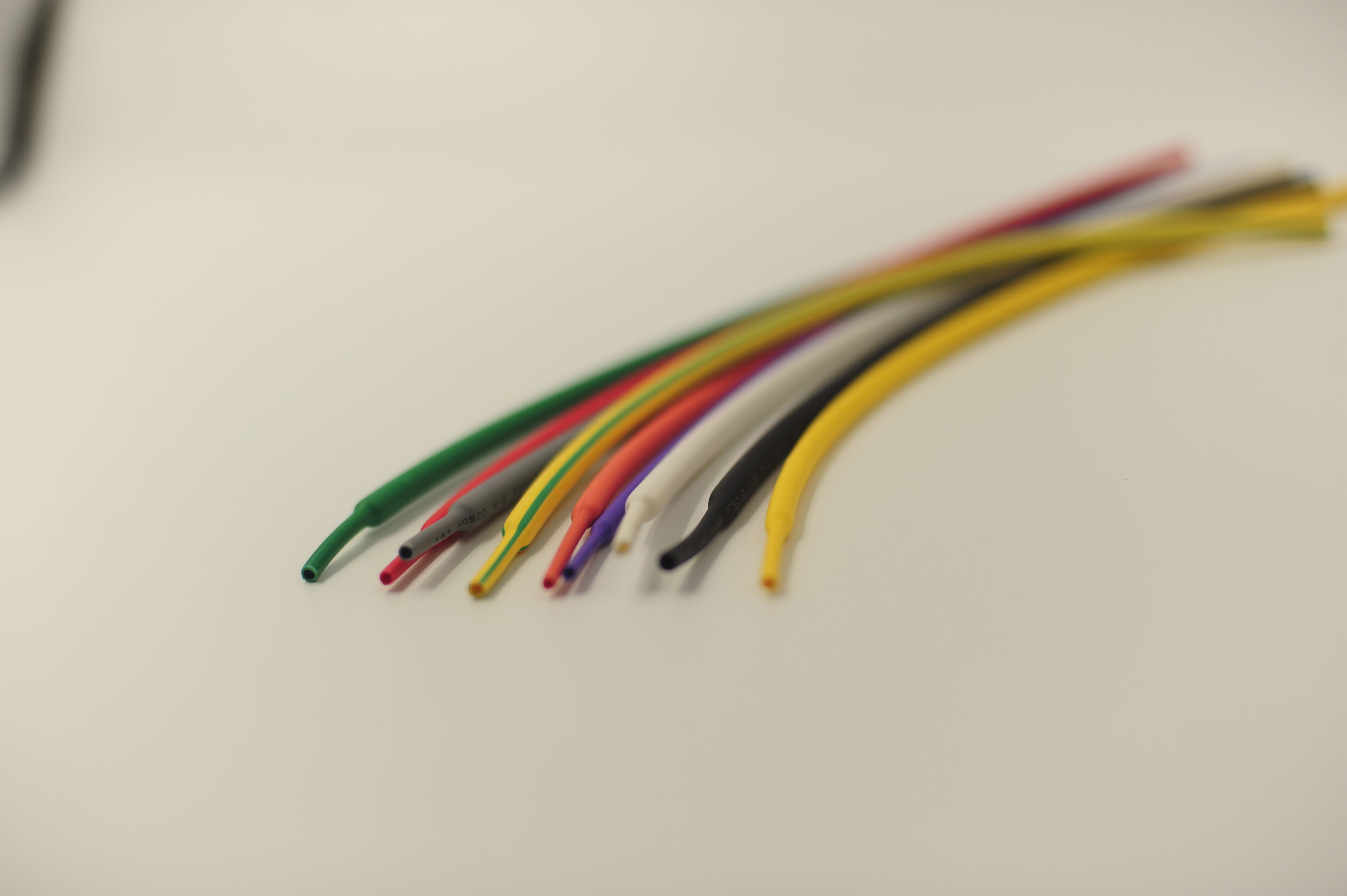
fluoropolymer heat shrink tubing
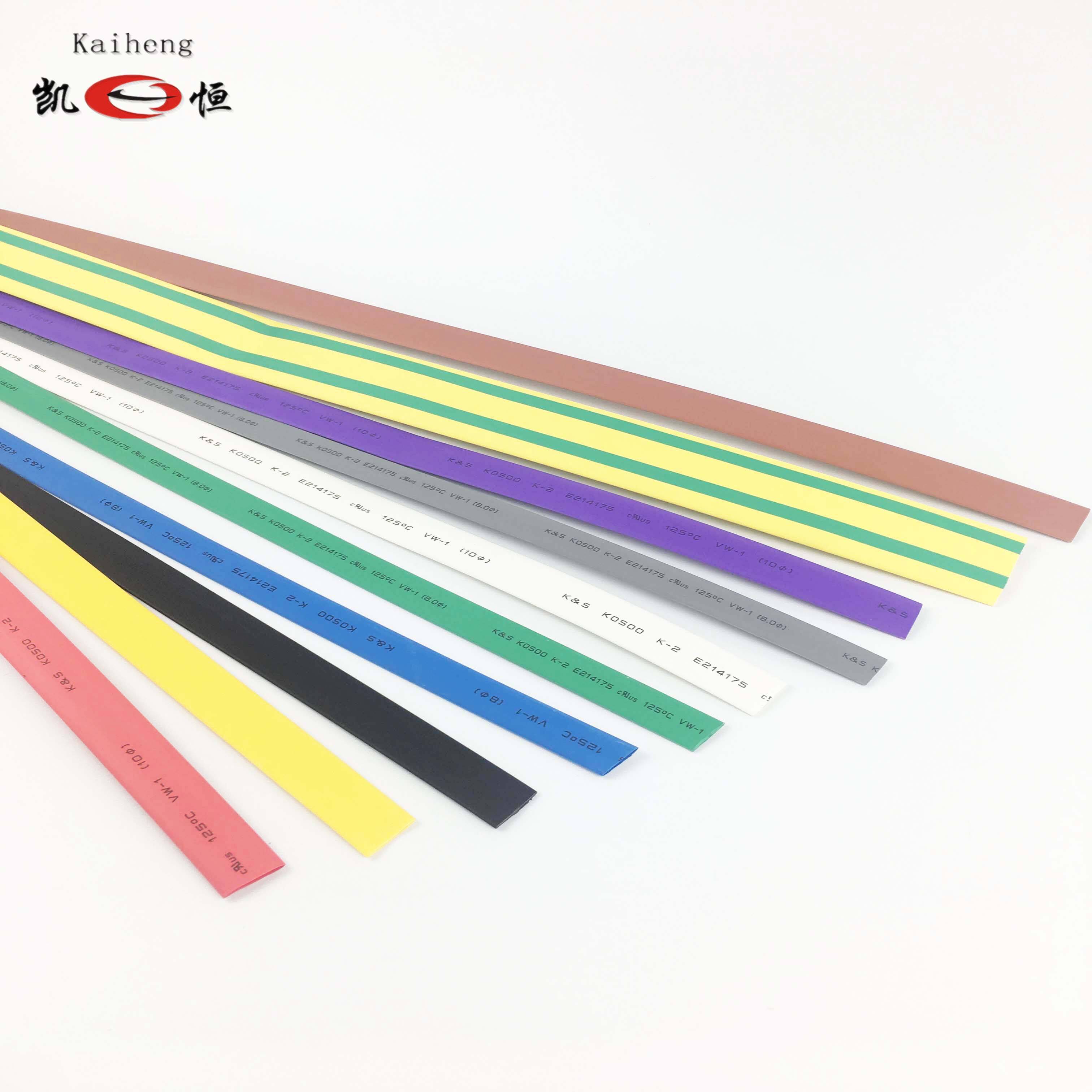
Fluoropolymer heat shrink tubing represents an advanced solution in protective covering technology, engineered specifically for demanding industrial applications where standard materials fail to deliver adequate performance. This specialized tubing utilizes fluoropolymer compounds that exhibit exceptional chemical resistance, temperature stability, and electrical insulation properties. The primary function of fluoropolymer heat shrink tubing centers on providing reliable protection for wires, cables, and components in harsh operating environments. When heated, this tubing shrinks uniformly around the object it covers, creating a tight, protective seal that maintains its integrity under extreme conditions. The technological features of fluoropolymer heat shrink tubing include superior thermal stability that allows operation in temperature ranges from -65°C to 200°C, making it suitable for both cryogenic and high-temperature applications. Its low dielectric constant and dissipation factor ensure excellent electrical insulation performance, while the smooth surface finish reduces friction and prevents contamination buildup. The material demonstrates outstanding resistance to chemicals including acids, bases, solvents, and fuels, maintaining its protective properties even when exposed to aggressive substances. Applications for fluoropolymer heat shrink tubing span across aerospace, automotive, telecommunications, medical devices, and industrial manufacturing sectors. In aerospace applications, it protects critical wiring harnesses in aircraft and spacecraft where reliability is paramount. The automotive industry utilizes this tubing for engine bay applications where exposure to oil, fuel, and high temperatures is common. Telecommunications equipment benefits from its excellent signal transmission properties and environmental protection. Medical device manufacturers rely on its biocompatibility and sterilization resistance for implantable and external medical equipment. The manufacturing process involves precise control of polymer chemistry and cross-linking to achieve optimal shrink ratios and mechanical properties, resulting in a product that consistently meets stringent industry standards and regulatory requirements across multiple sectors.

 EN
EN