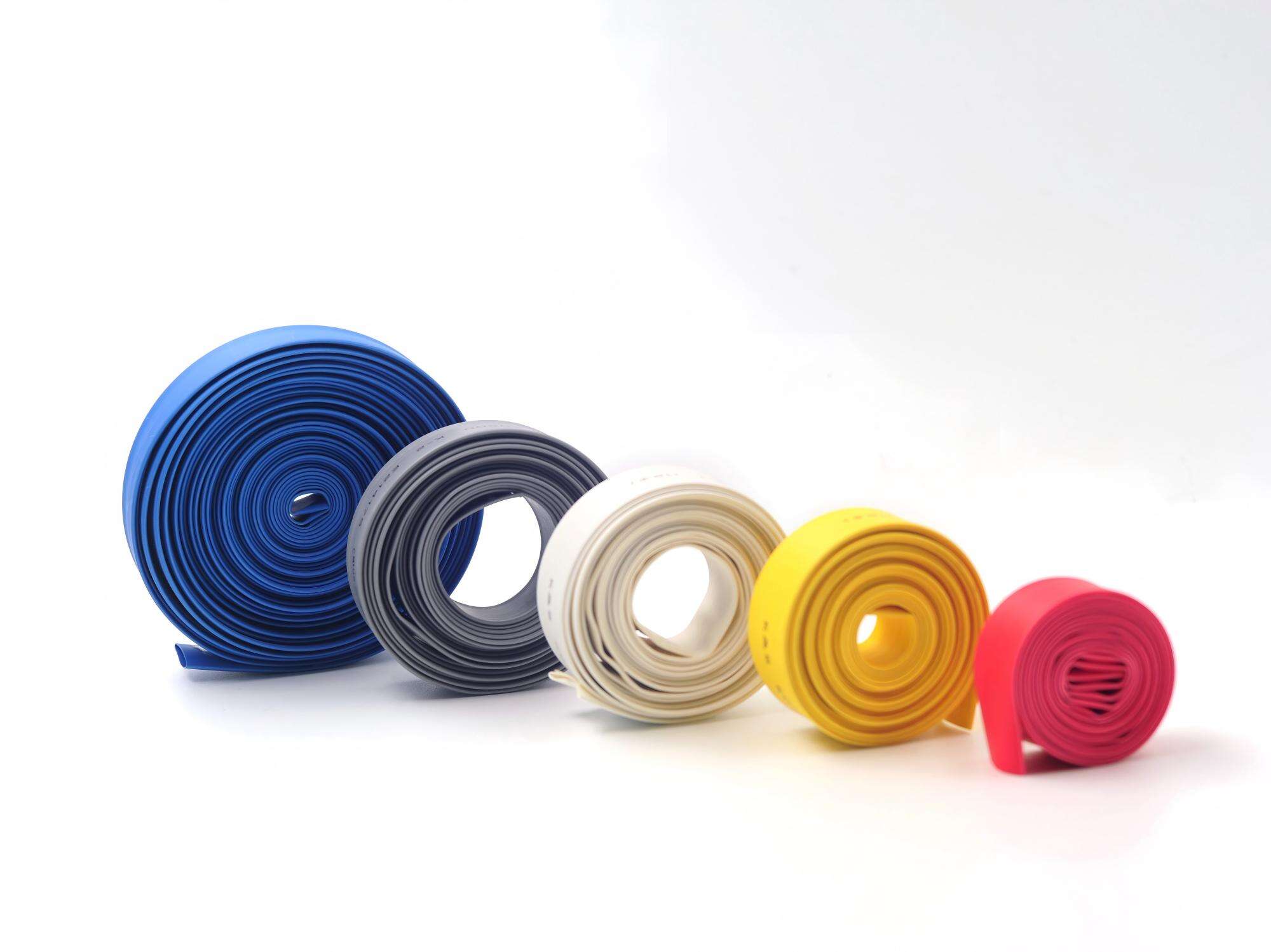
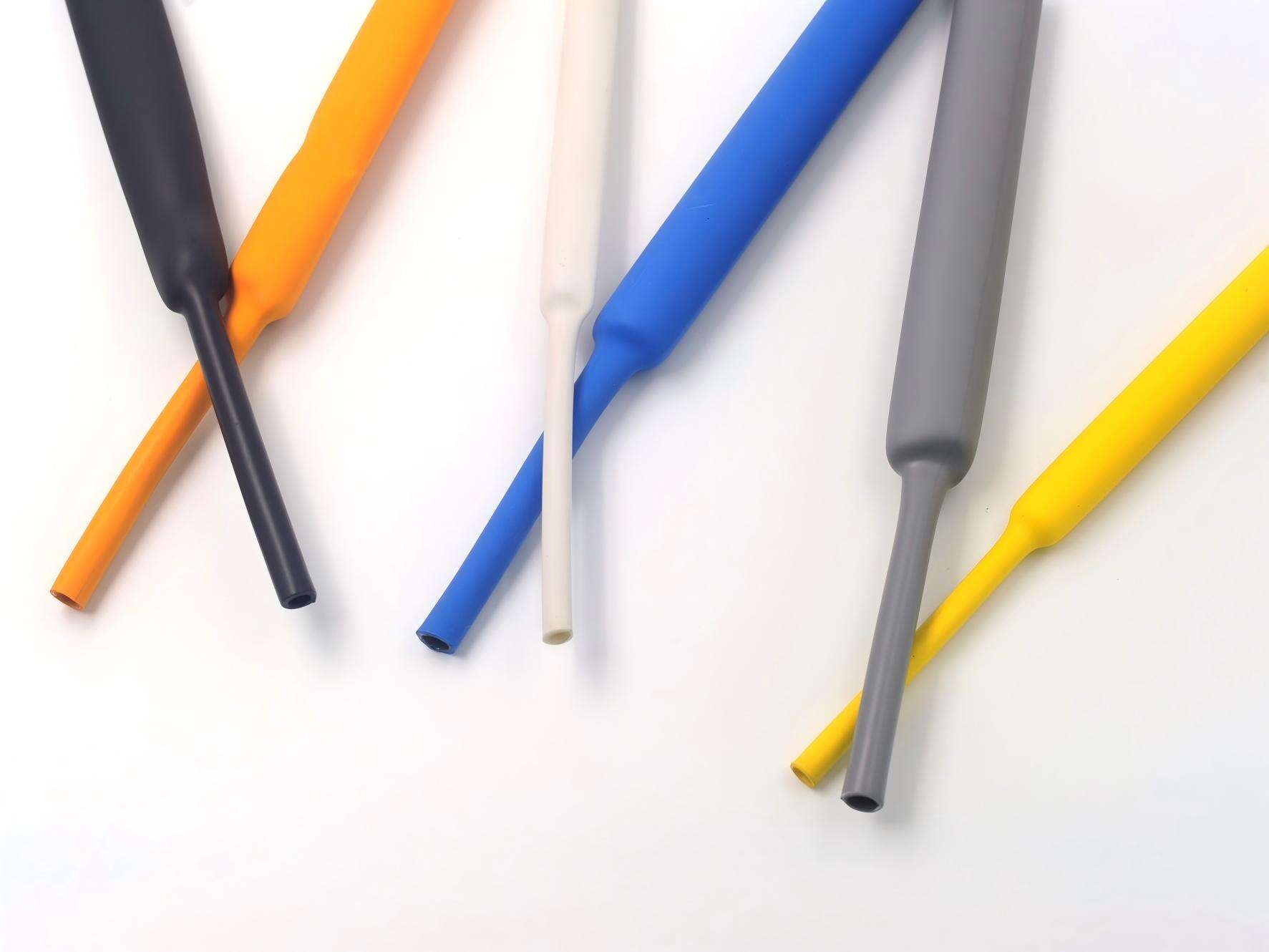
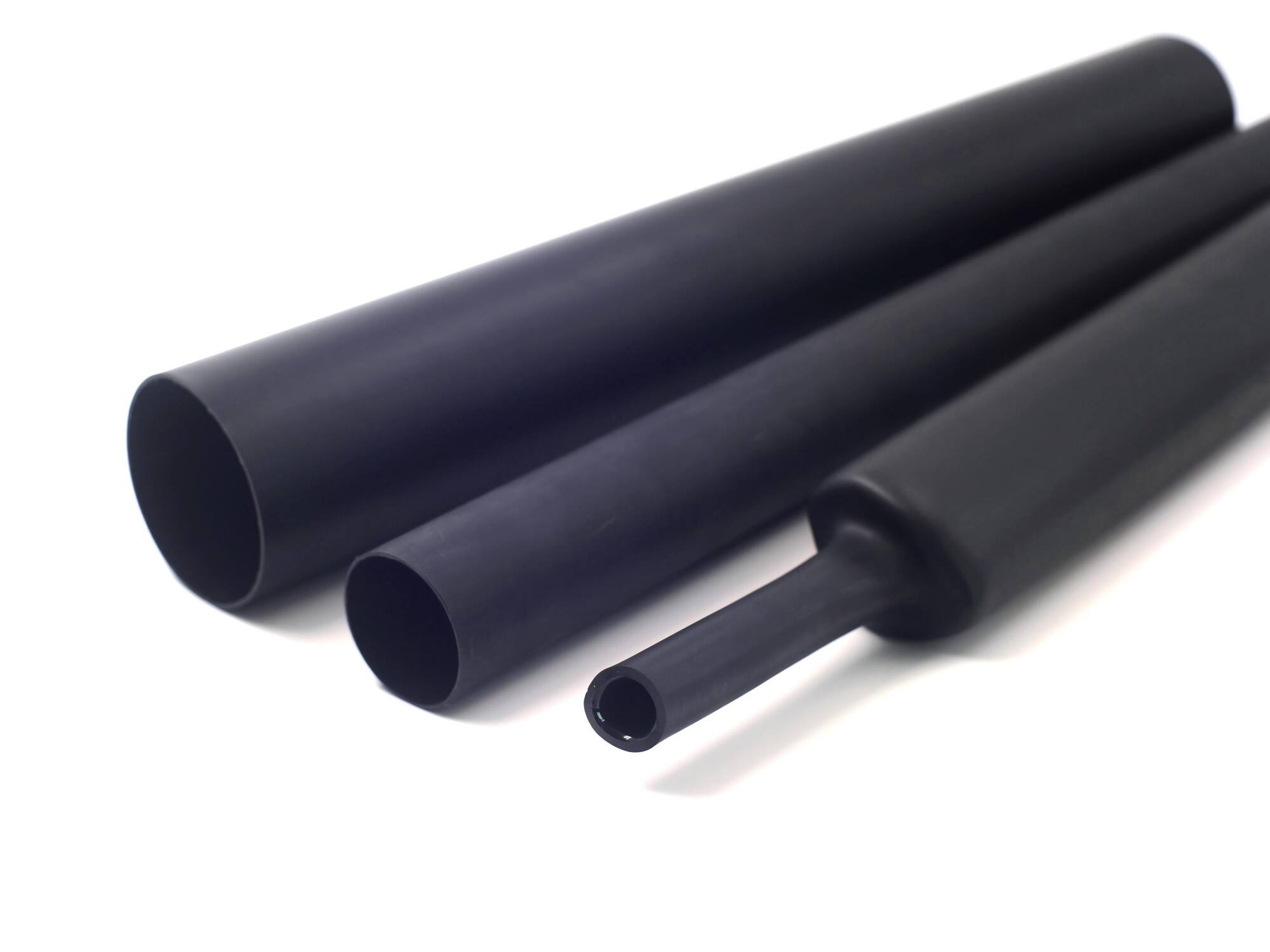
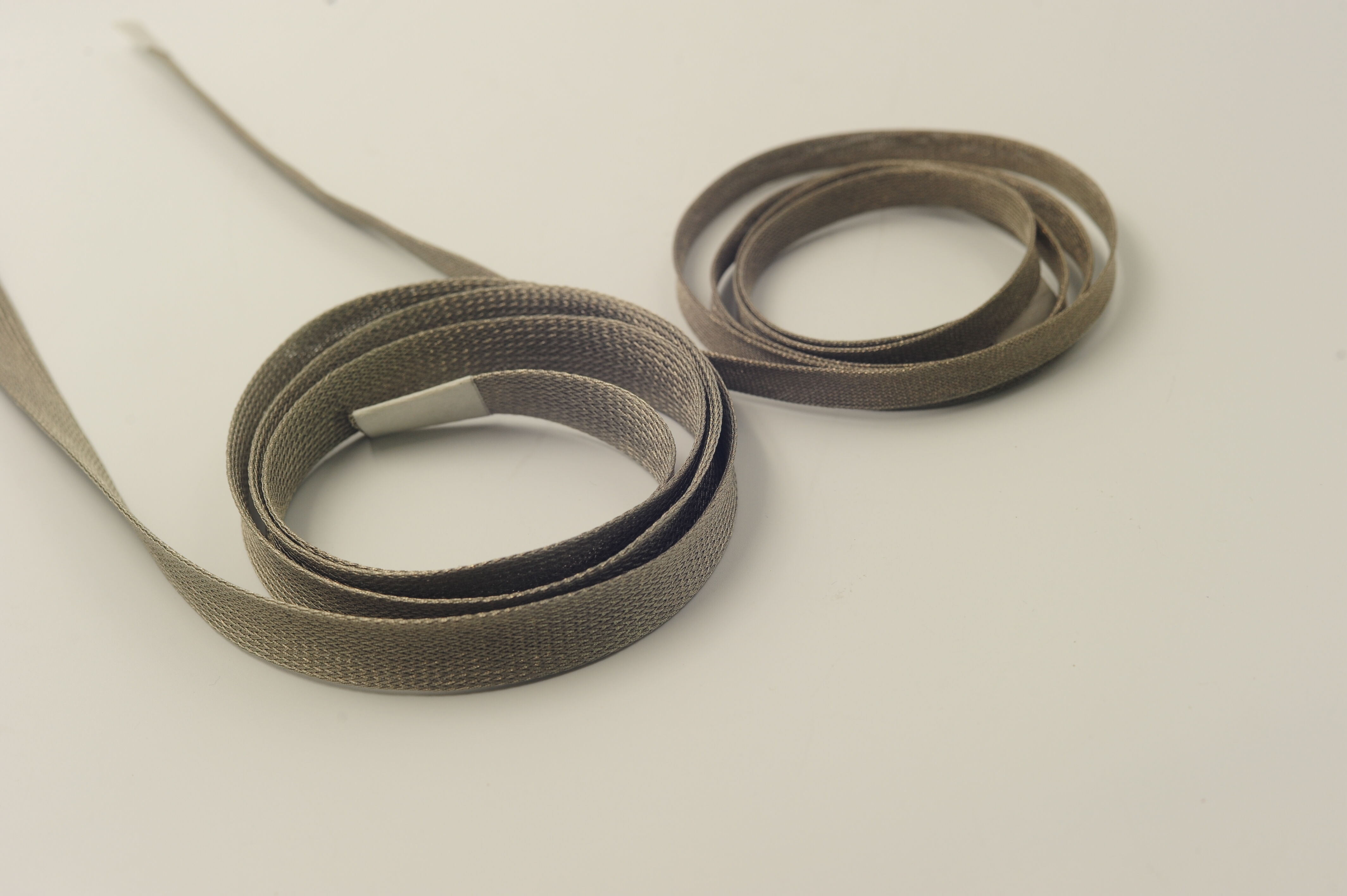
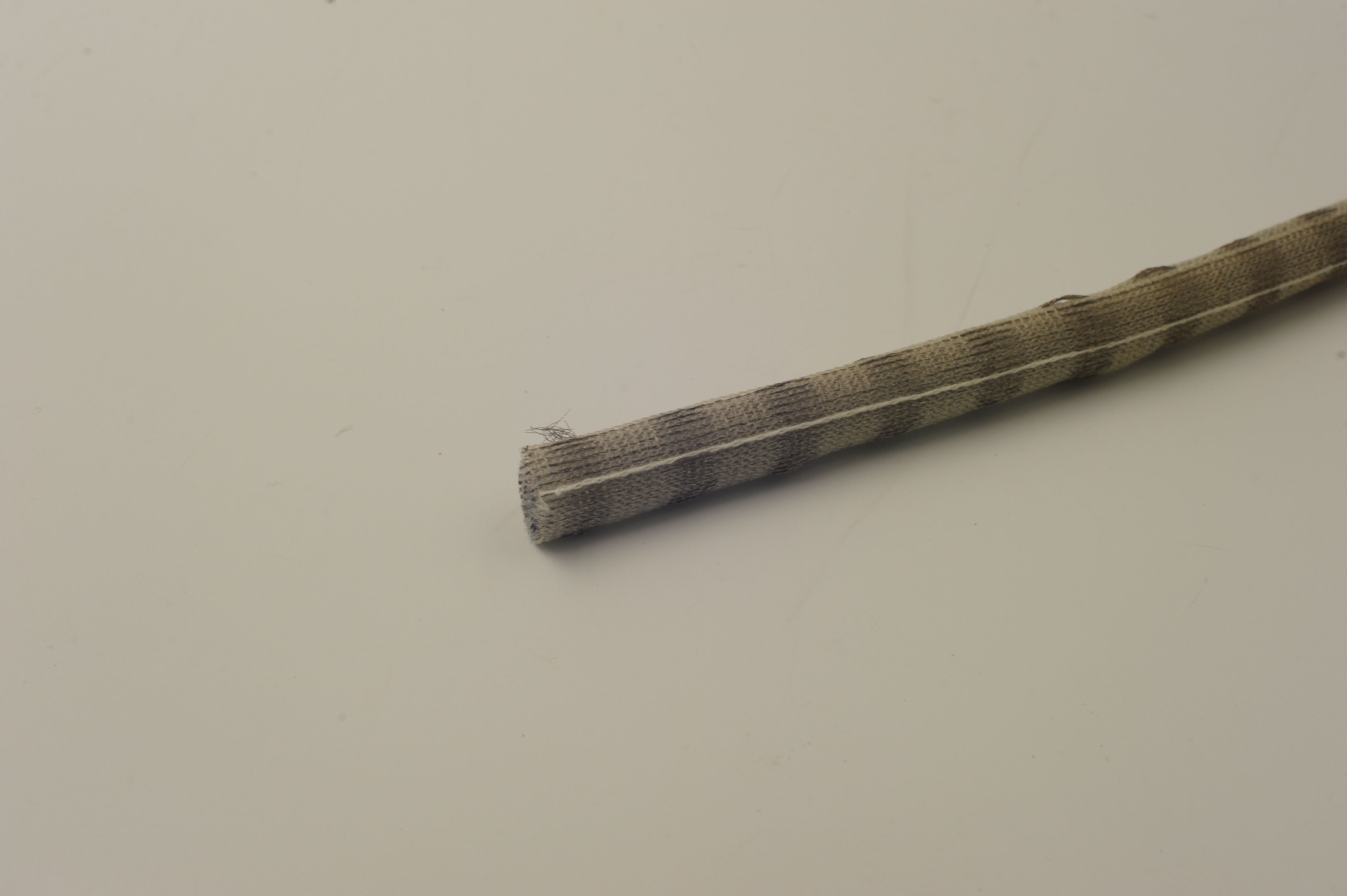
braided cable sleeve
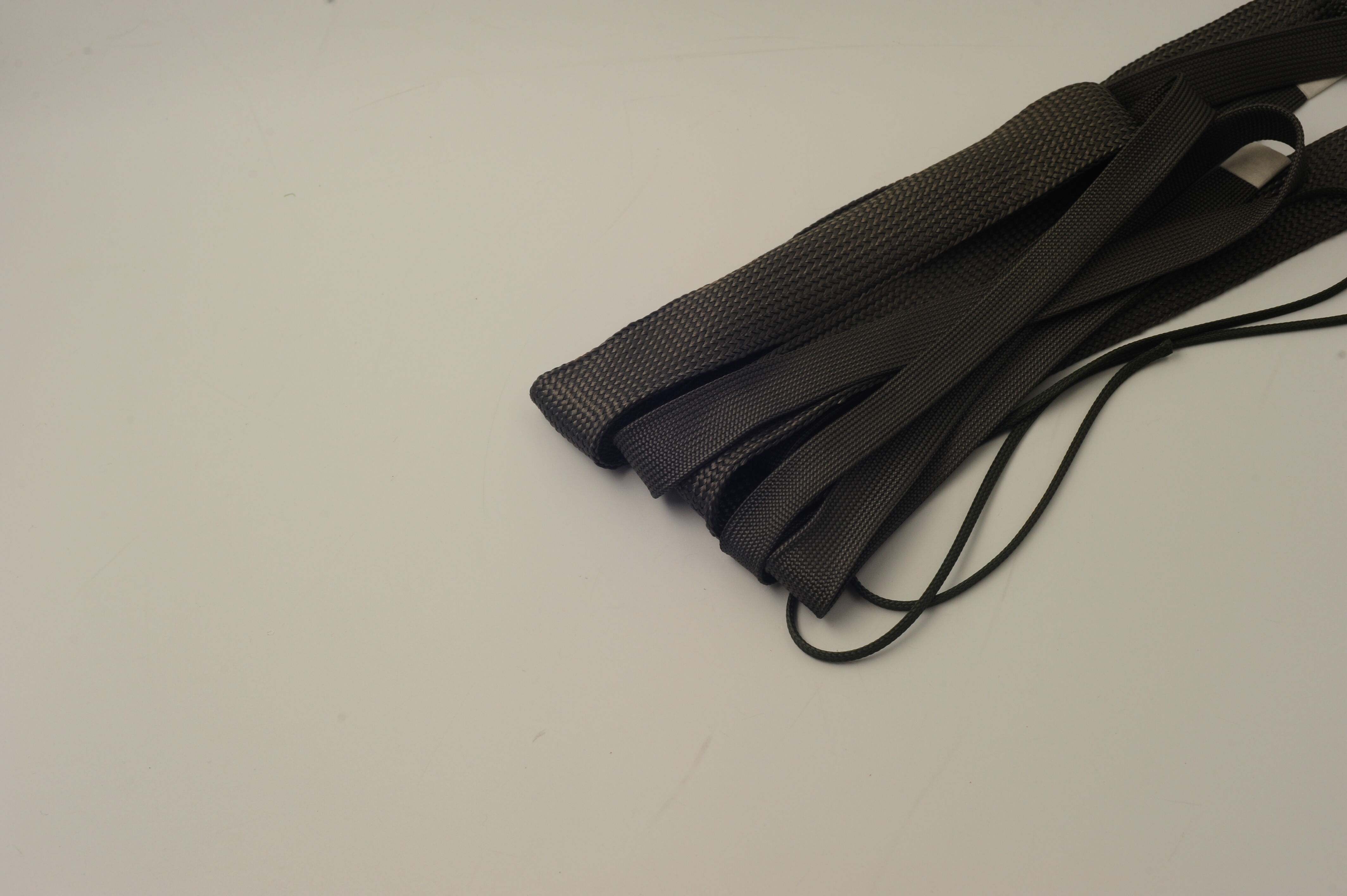
A braided cable sleeve represents an essential protective solution designed to safeguard electrical cables and wire bundles from environmental hazards while maintaining optimal organization and performance. This innovative protective covering consists of interwoven synthetic fibers that create a flexible, durable barrier around cables, providing comprehensive protection against abrasion, chemicals, heat, and electromagnetic interference. The braided cable sleeve construction utilizes advanced materials such as polyethylene terephthalate, nylon, or specialized polymer blends that offer exceptional strength-to-weight ratios and long-lasting durability. The unique weaving pattern allows for easy installation while accommodating various cable diameters through its expandable design. Modern braided cable sleeve technology incorporates flame-retardant properties, ensuring compliance with stringent safety standards across multiple industries. The sleeve's breathable structure promotes air circulation, preventing moisture buildup that could compromise cable integrity over time. Installation requires no special tools, as the braided cable sleeve can be simply slipped over cable bundles and secured at termination points. The expandable nature of the braided cable sleeve enables it to accommodate cable diameter variations ranging from 50% to 200% of its nominal size, making it versatile for diverse applications. Temperature resistance capabilities typically range from -70°C to 125°C, ensuring reliable performance in extreme conditions. The braided cable sleeve also provides excellent UV resistance when used in outdoor applications, preventing degradation from prolonged sun exposure. Manufacturing processes ensure consistent quality through automated weaving techniques that create uniform density and structural integrity throughout the sleeve length. The braided cable sleeve serves critical functions in aerospace, automotive, marine, telecommunications, and industrial automation sectors where cable protection remains paramount for operational reliability and safety compliance.

 EN
EN