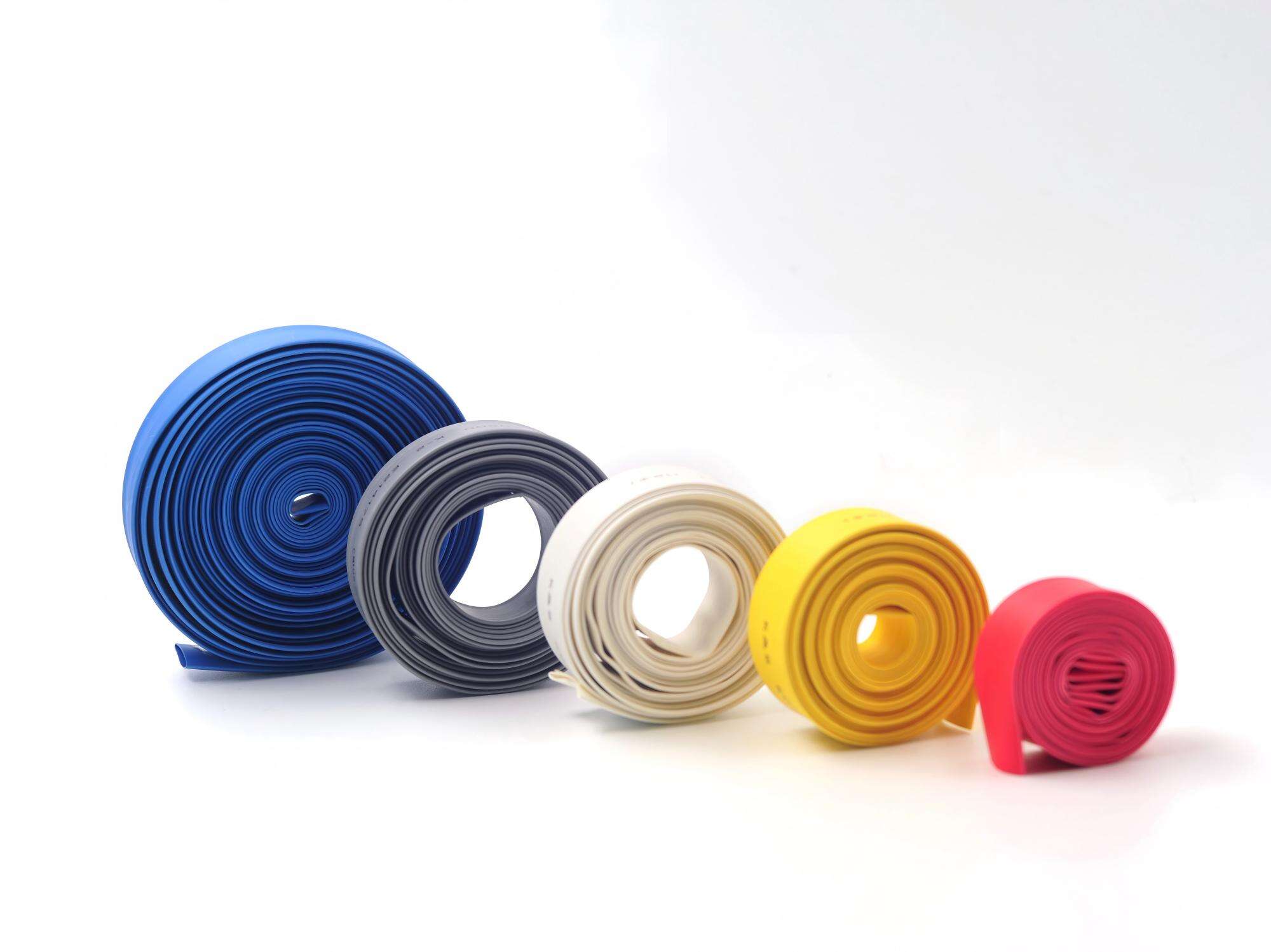
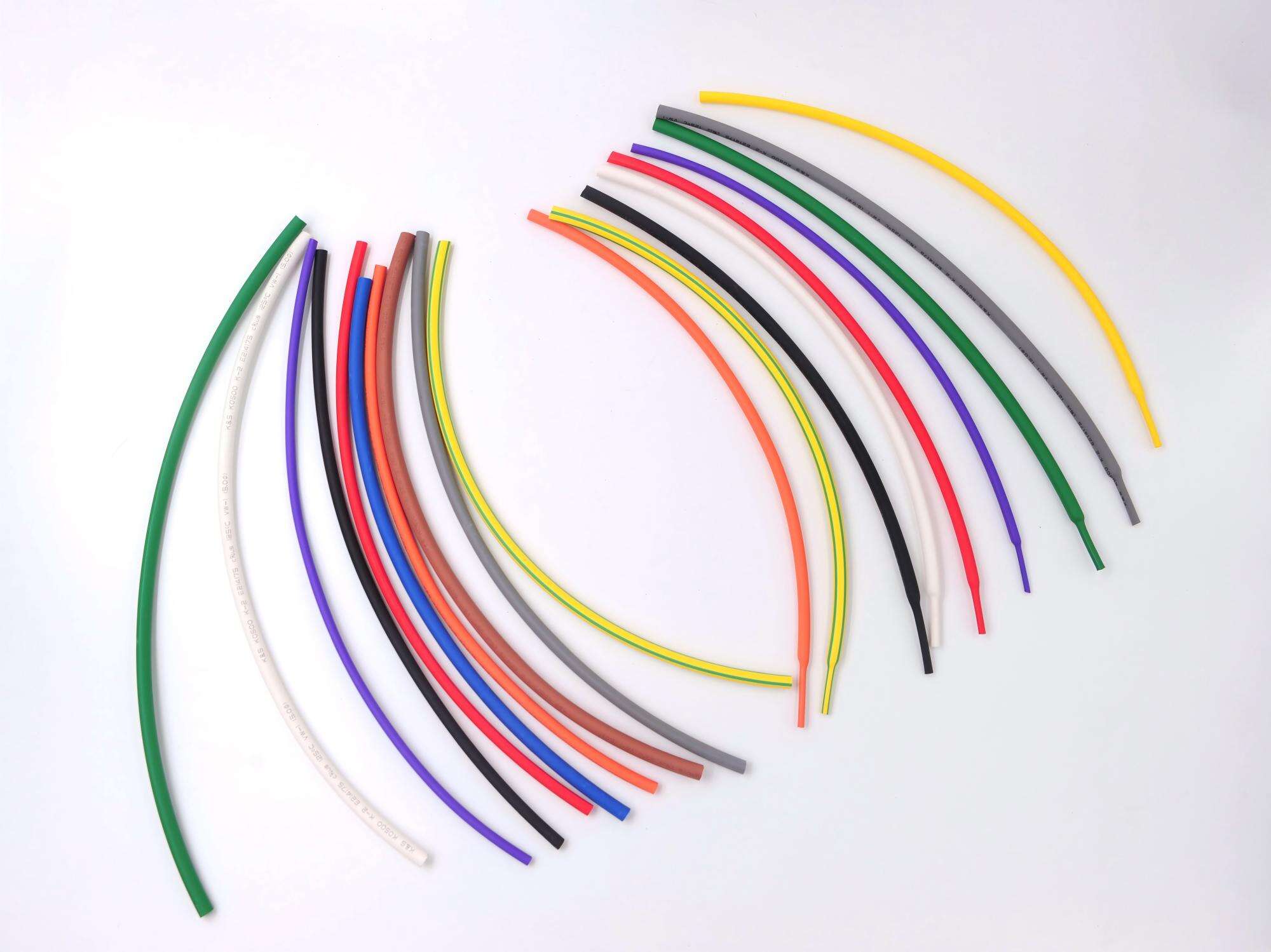
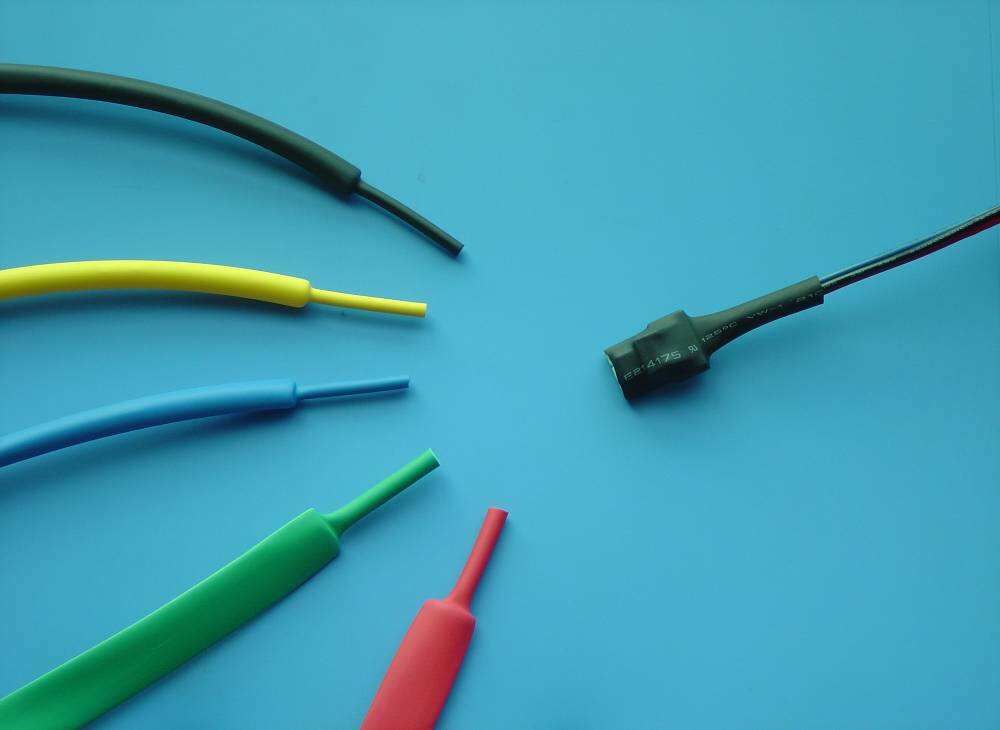
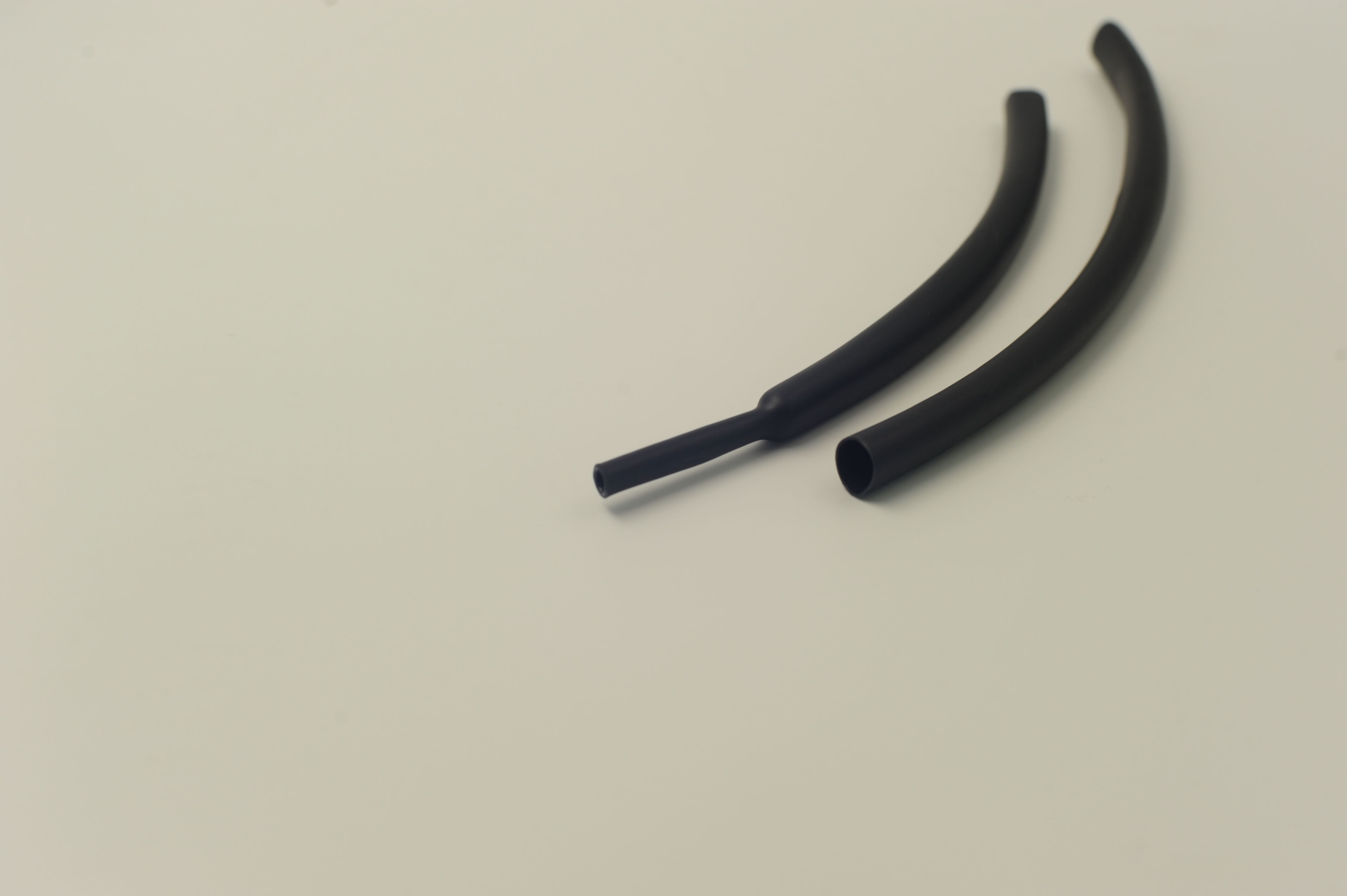
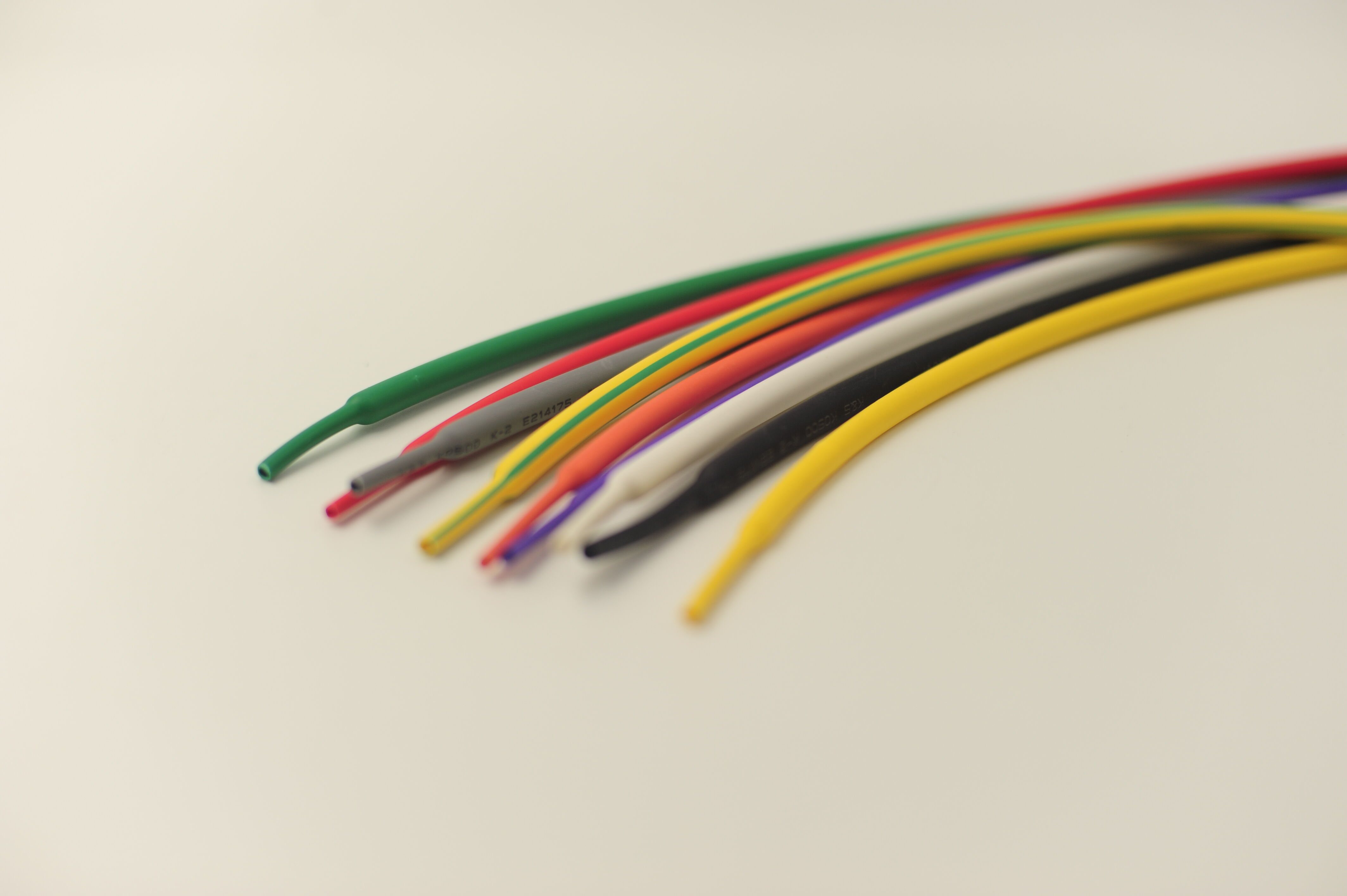
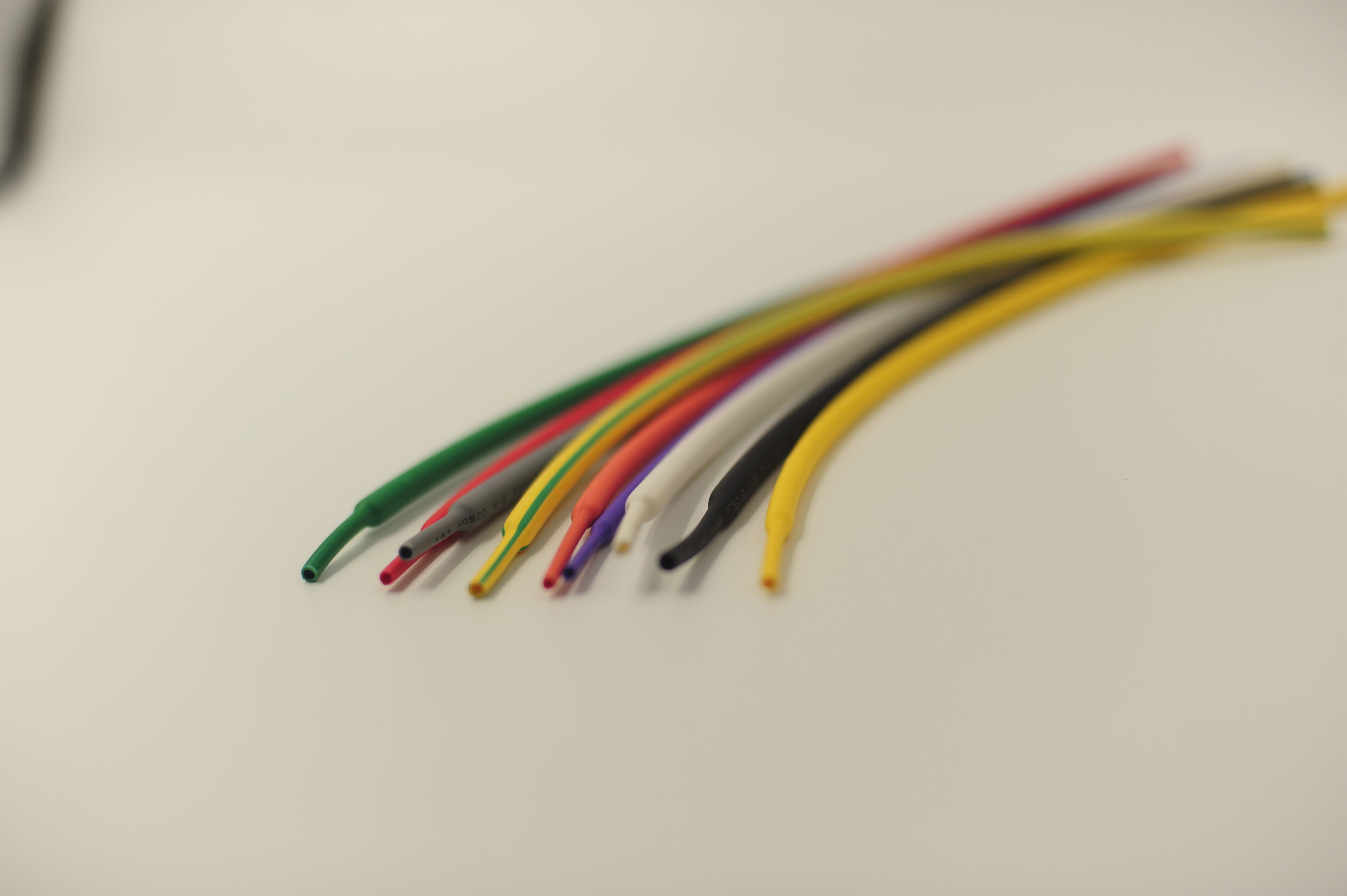
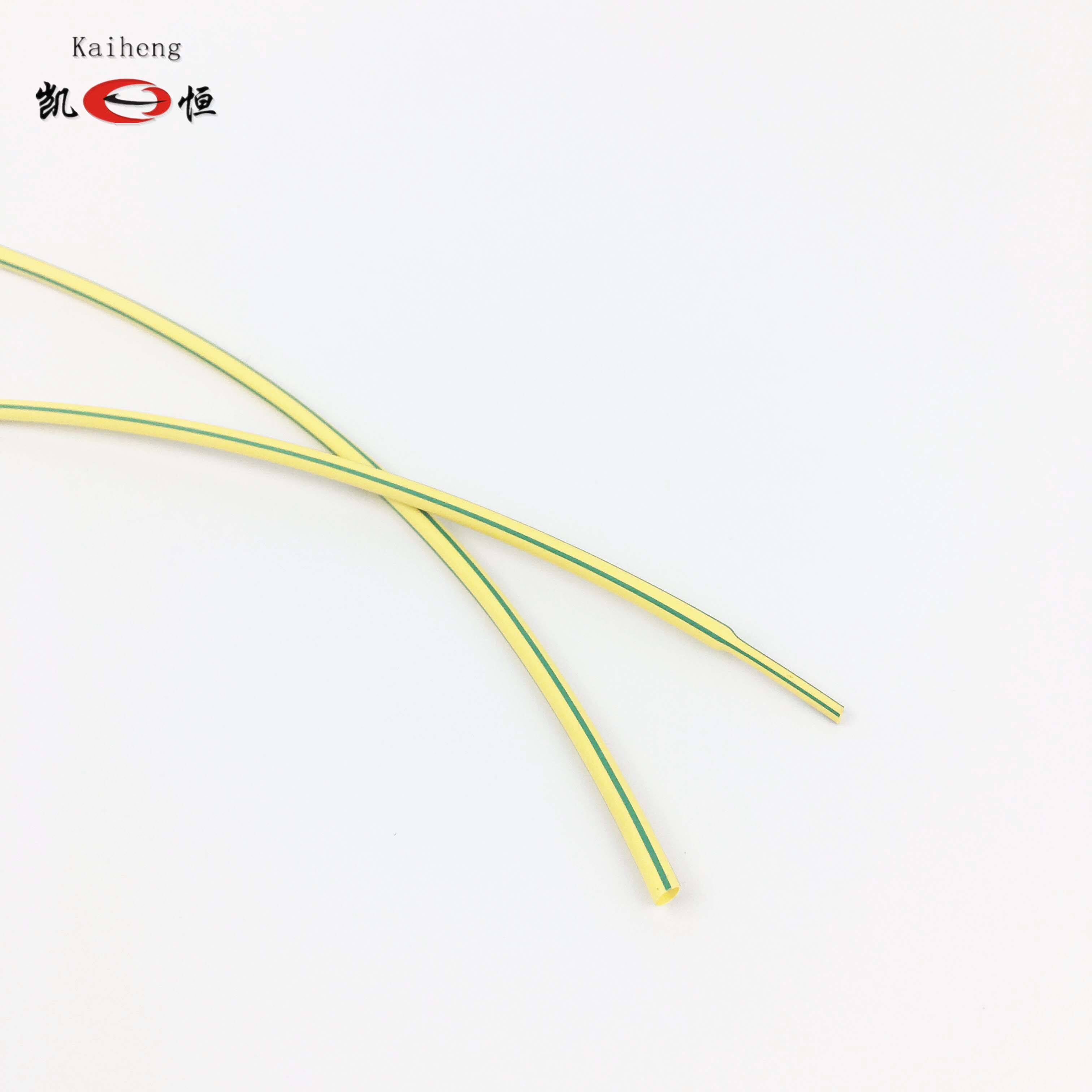
green heat shrink tubing
Green heat shrink tubing represents a specialized polymer-based solution designed for electrical insulation, mechanical protection, and environmental sealing applications. This distinctive protective covering transforms from its expanded state to a tightly fitted sleeve when exposed to controlled heat, creating a secure barrier around wires, cables, and electronic components. The green coloration serves multiple purposes beyond aesthetics, providing instant visual identification for specific circuits, grounding applications, or safety protocols within complex electrical systems. The tubing consists of cross-linked polyolefin materials that undergo a controlled shrinkage process when heated to approximately 125°C, reducing to roughly half its original diameter while maintaining consistent wall thickness. This shrinkage mechanism creates an intimate bond with the underlying substrate, forming a weatherproof seal that protects against moisture infiltration, chemical exposure, and mechanical damage. Green heat shrink tubing offers excellent dielectric properties, withstanding voltage requirements up to 600V in standard applications, making it suitable for both low-voltage electronics and medium-voltage installations. The material exhibits remarkable flexibility across wide temperature ranges, typically from -55°C to +125°C, ensuring reliable performance in harsh environmental conditions. Manufacturing processes incorporate flame-retardant additives, meeting UL224 and CSA standards for electrical safety applications. The tubing's smooth inner surface facilitates easy installation over connectors and irregular shapes, while the textured outer surface provides enhanced grip and professional appearance. Advanced formulations resist UV degradation, ensuring long-term color stability and mechanical properties when exposed to direct sunlight. Green heat shrink tubing finds extensive use in automotive wiring harnesses, telecommunications infrastructure, military electronics, aerospace applications, and marine installations where color coding plays a critical role in system identification and maintenance procedures.

 EN
EN