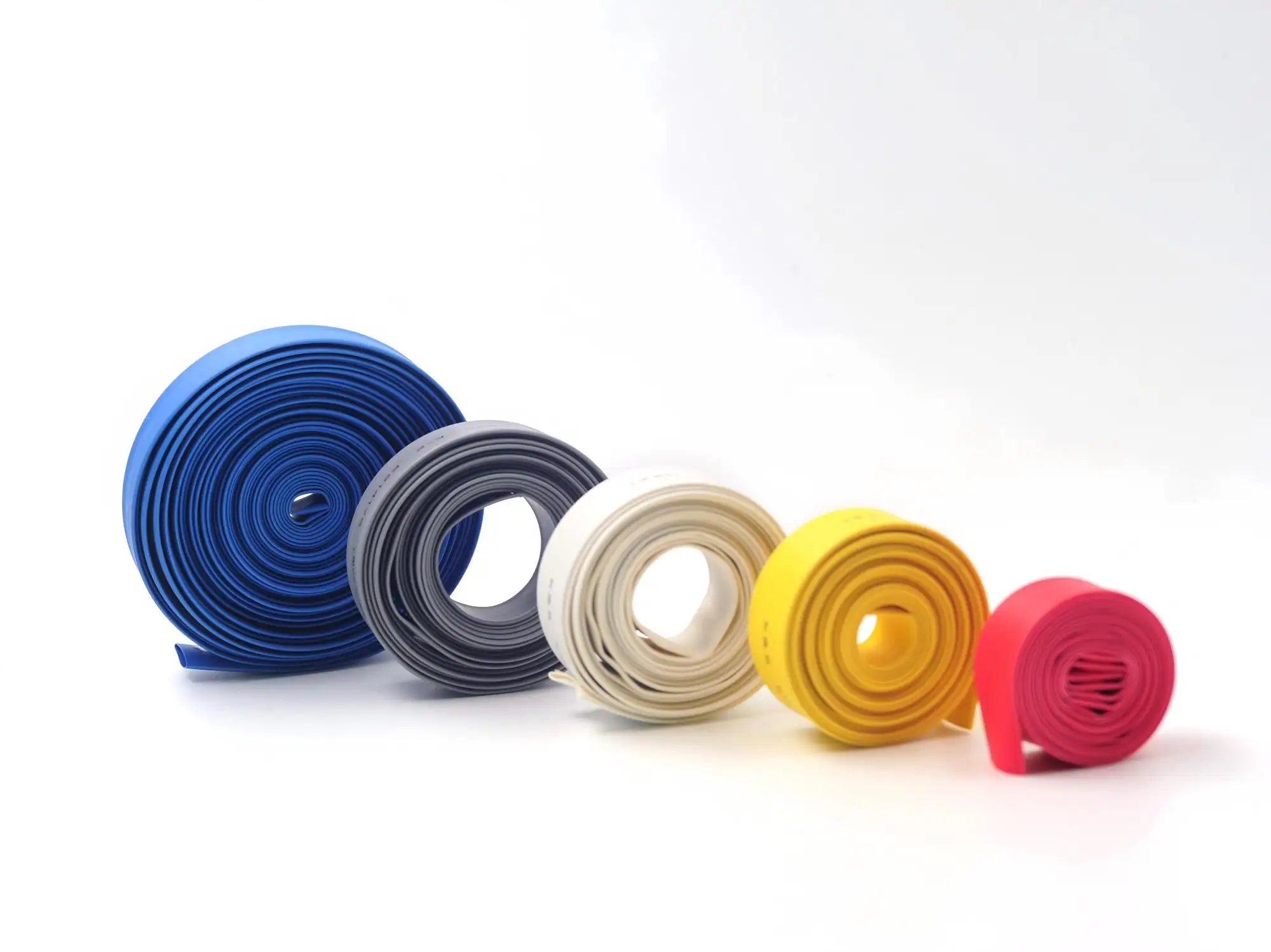
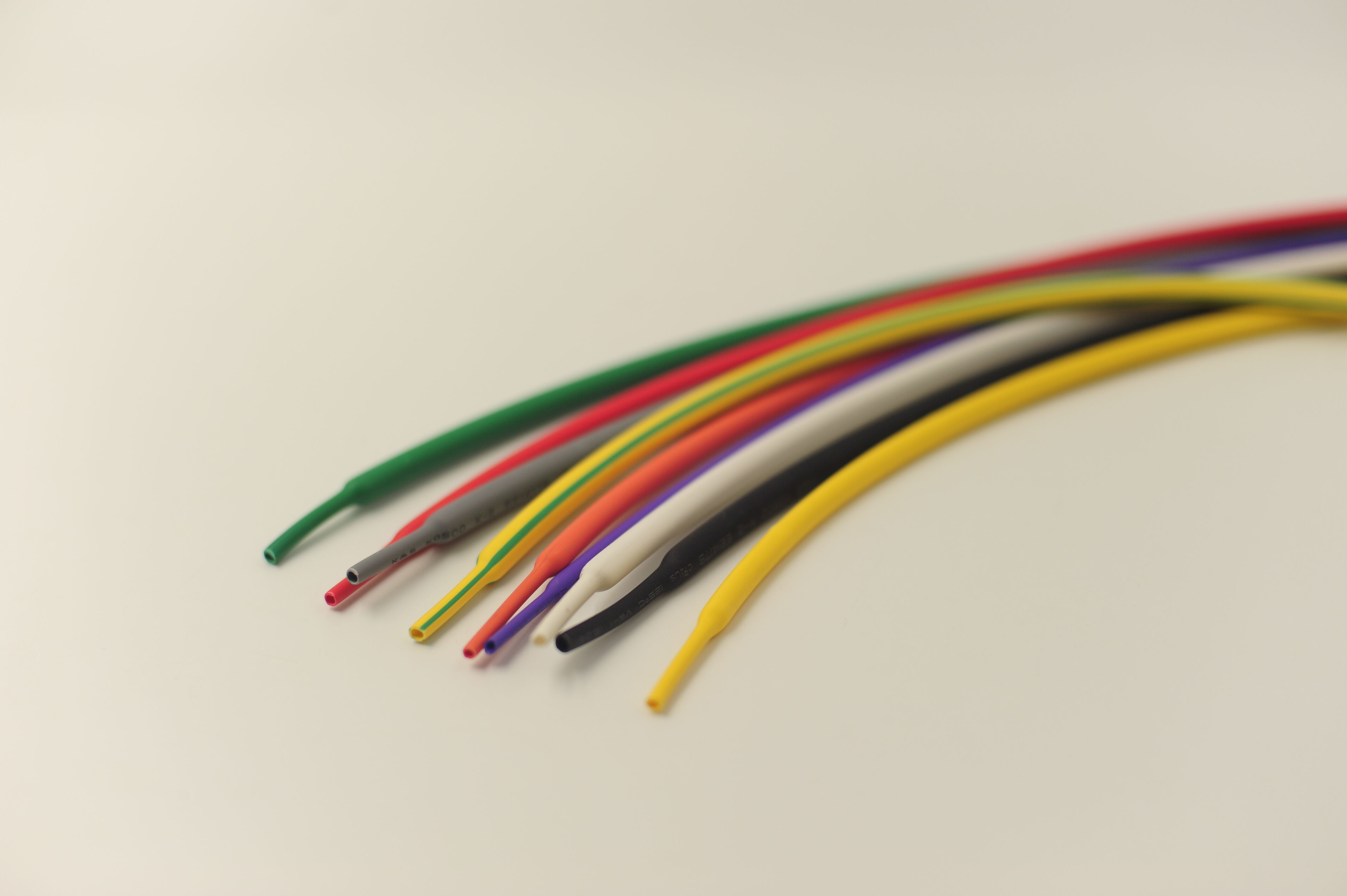
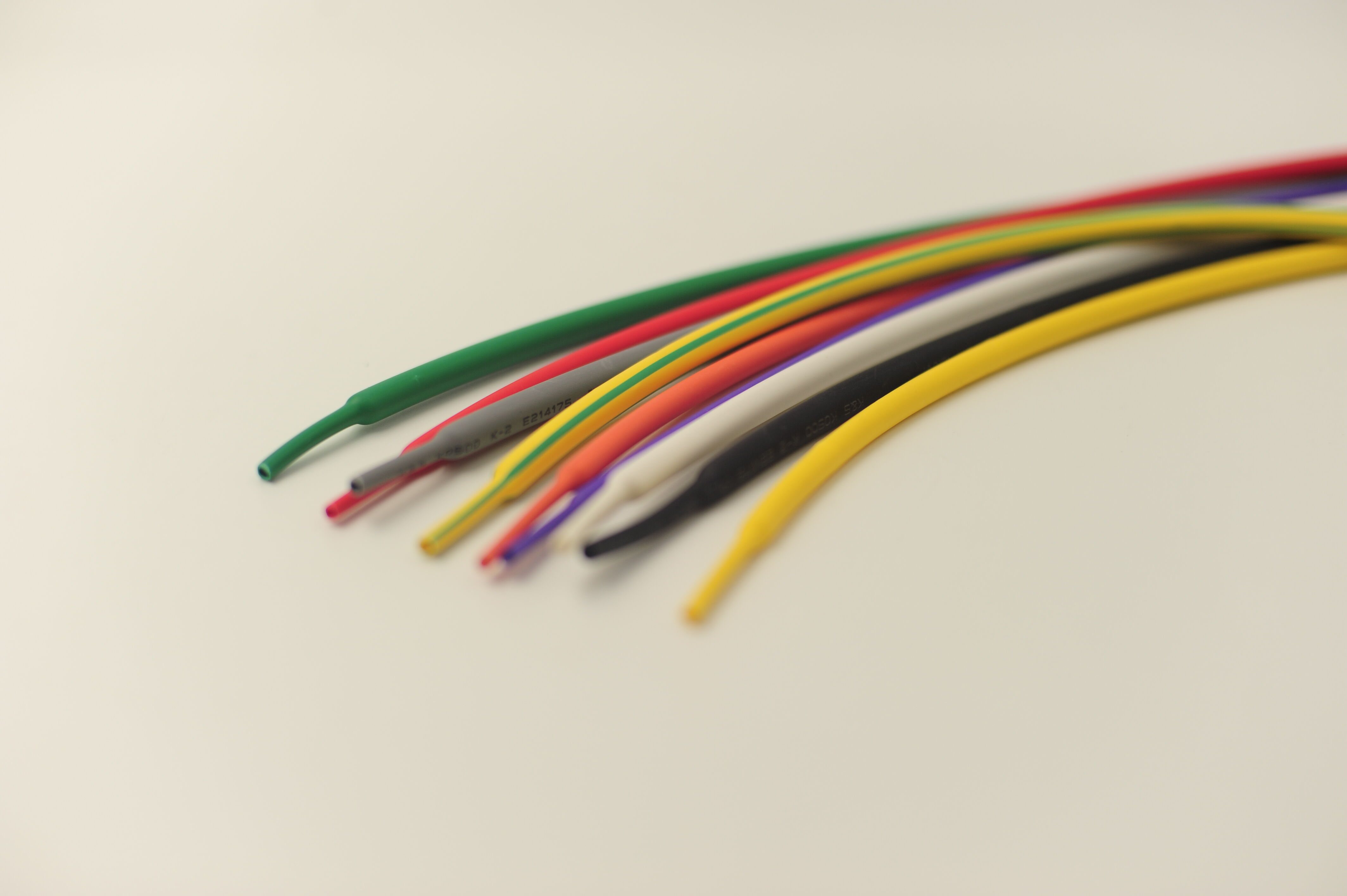
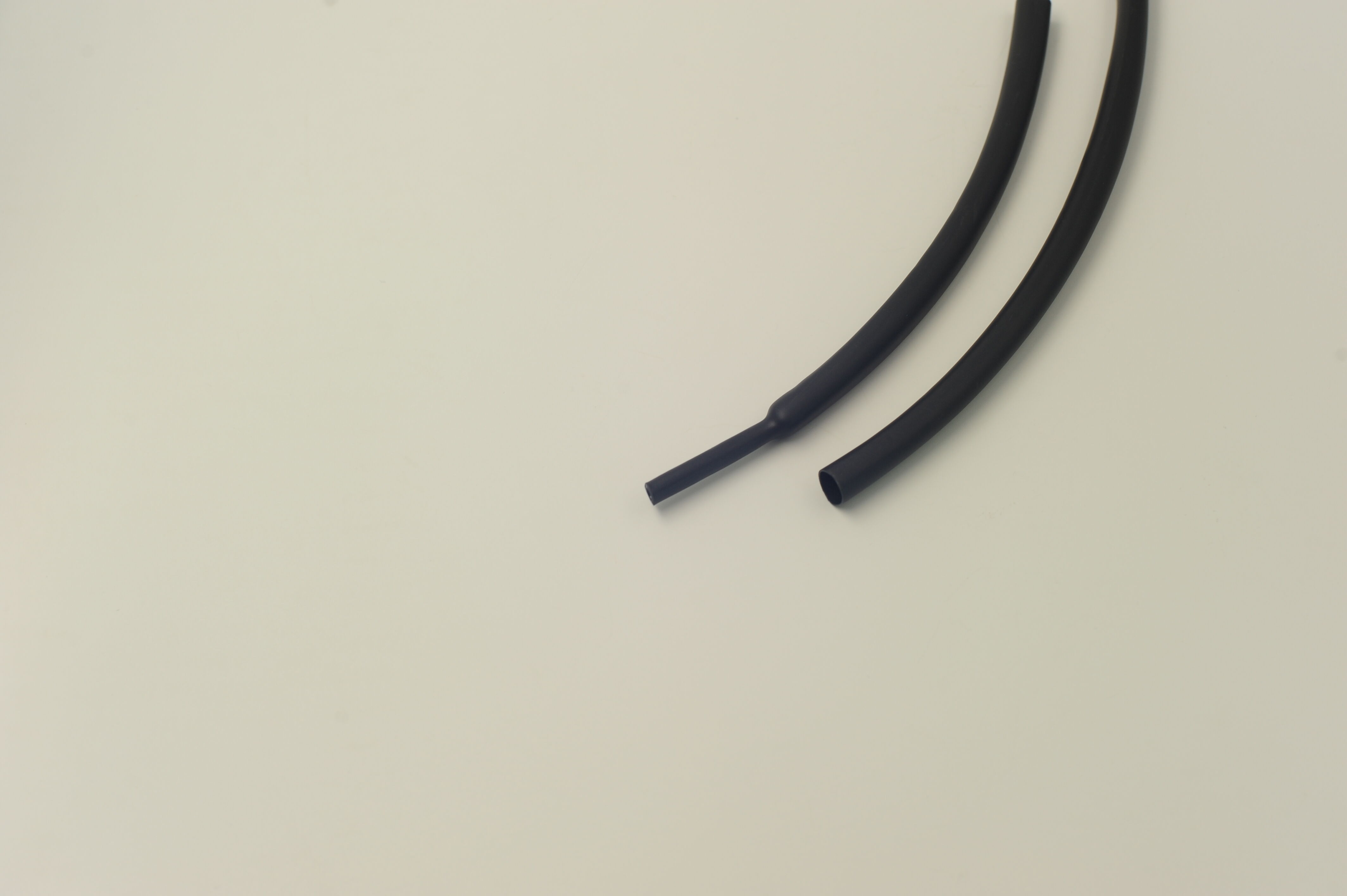
heat shrink sleeve transparent
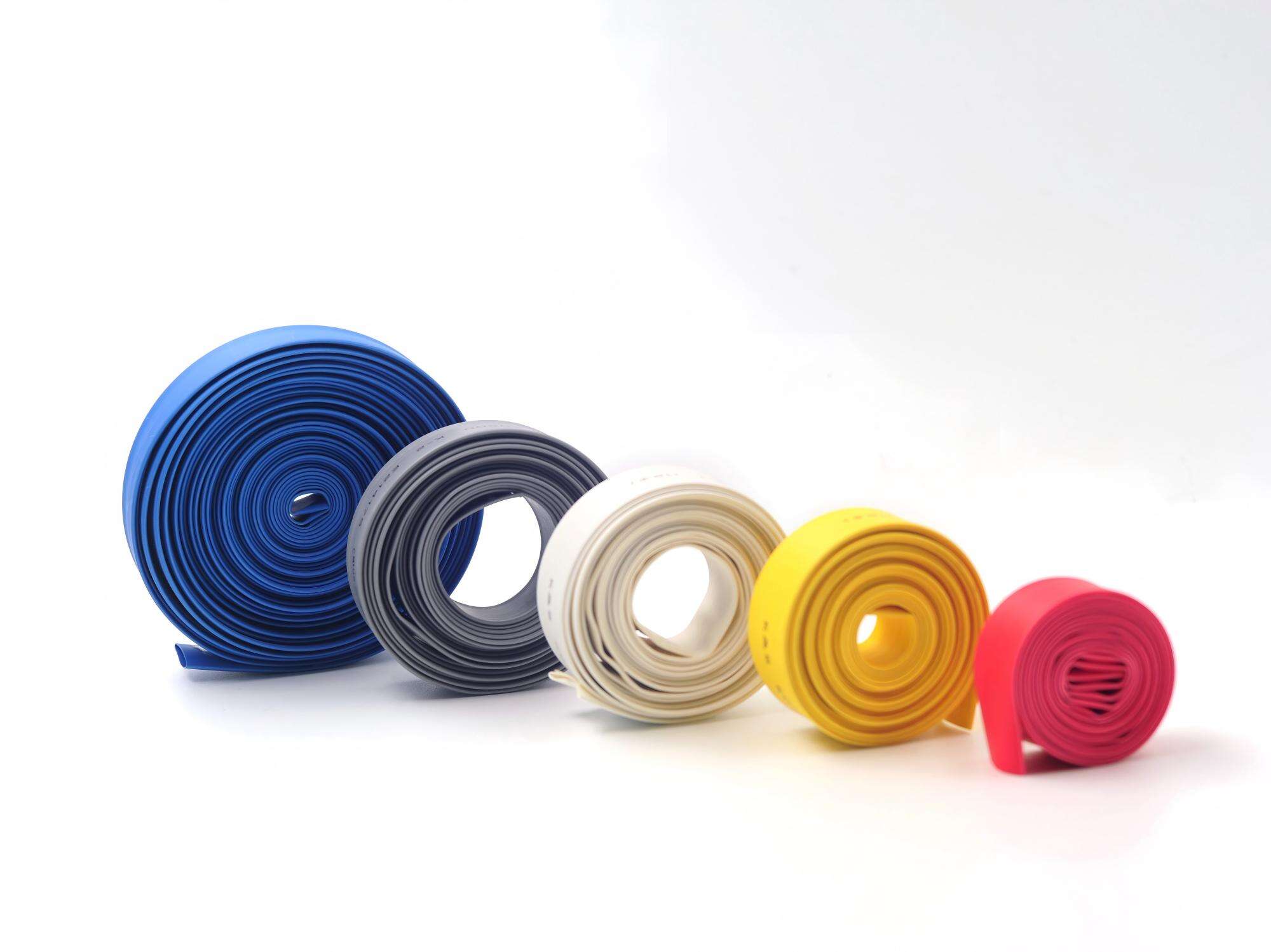
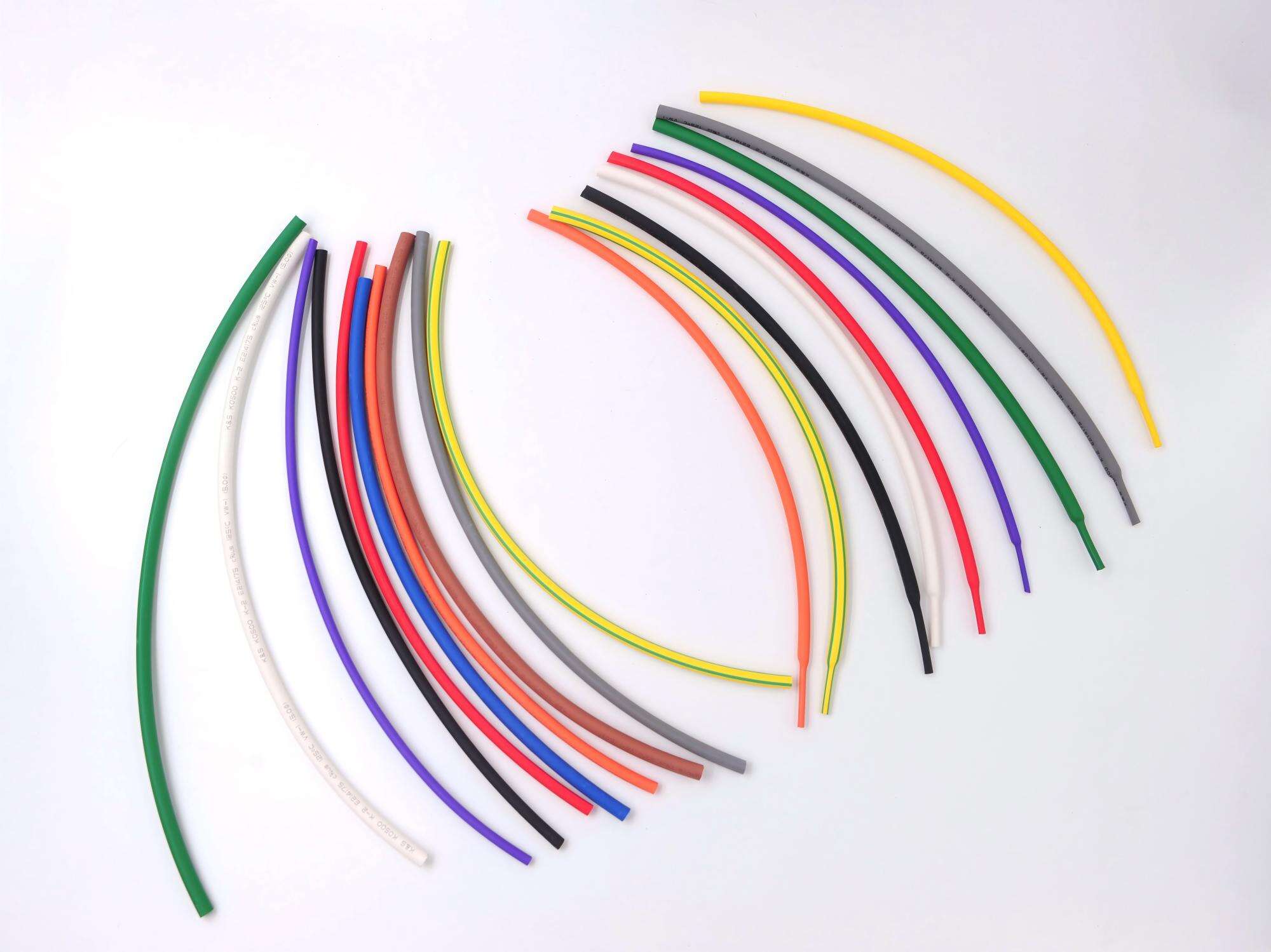
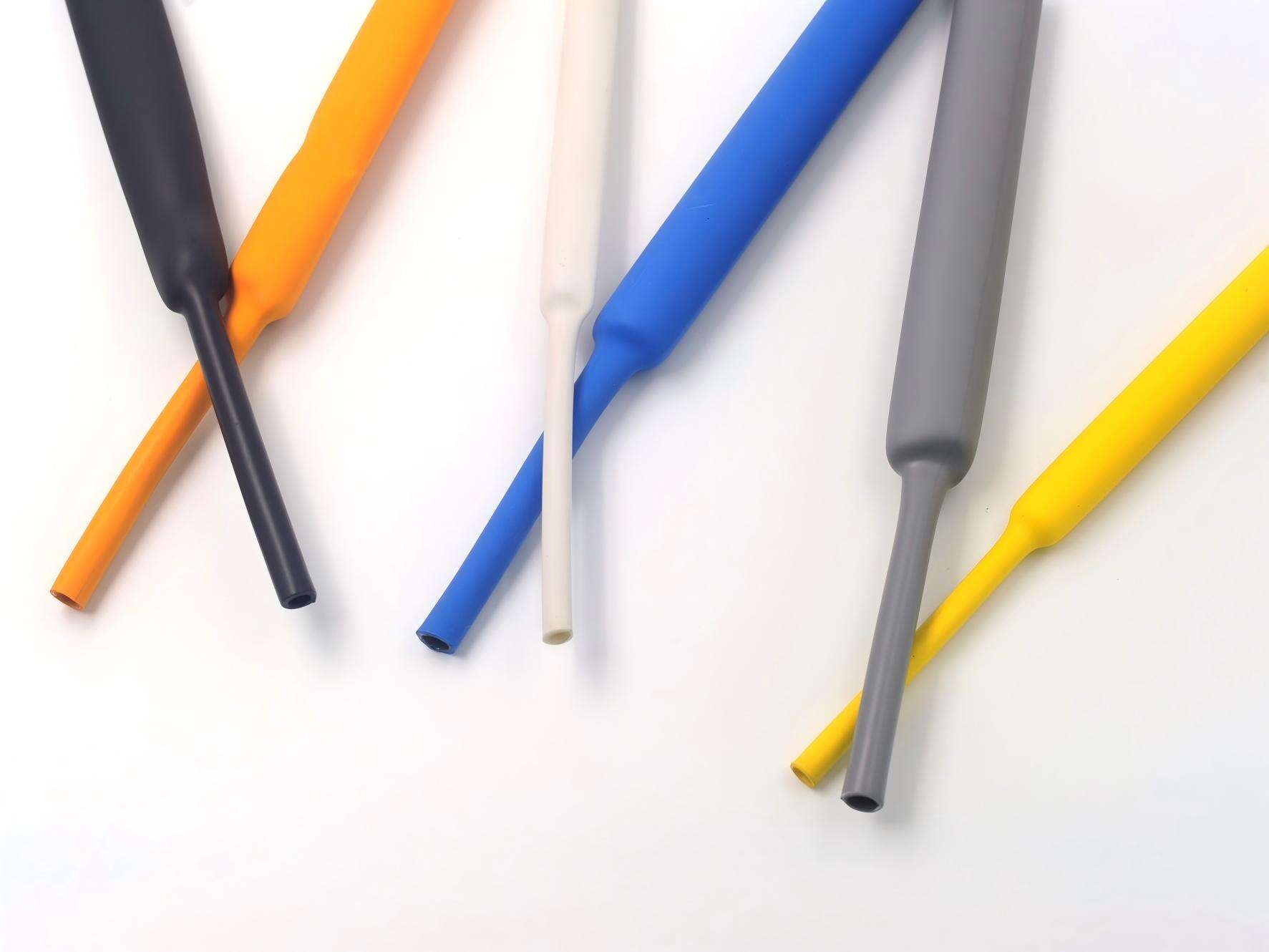
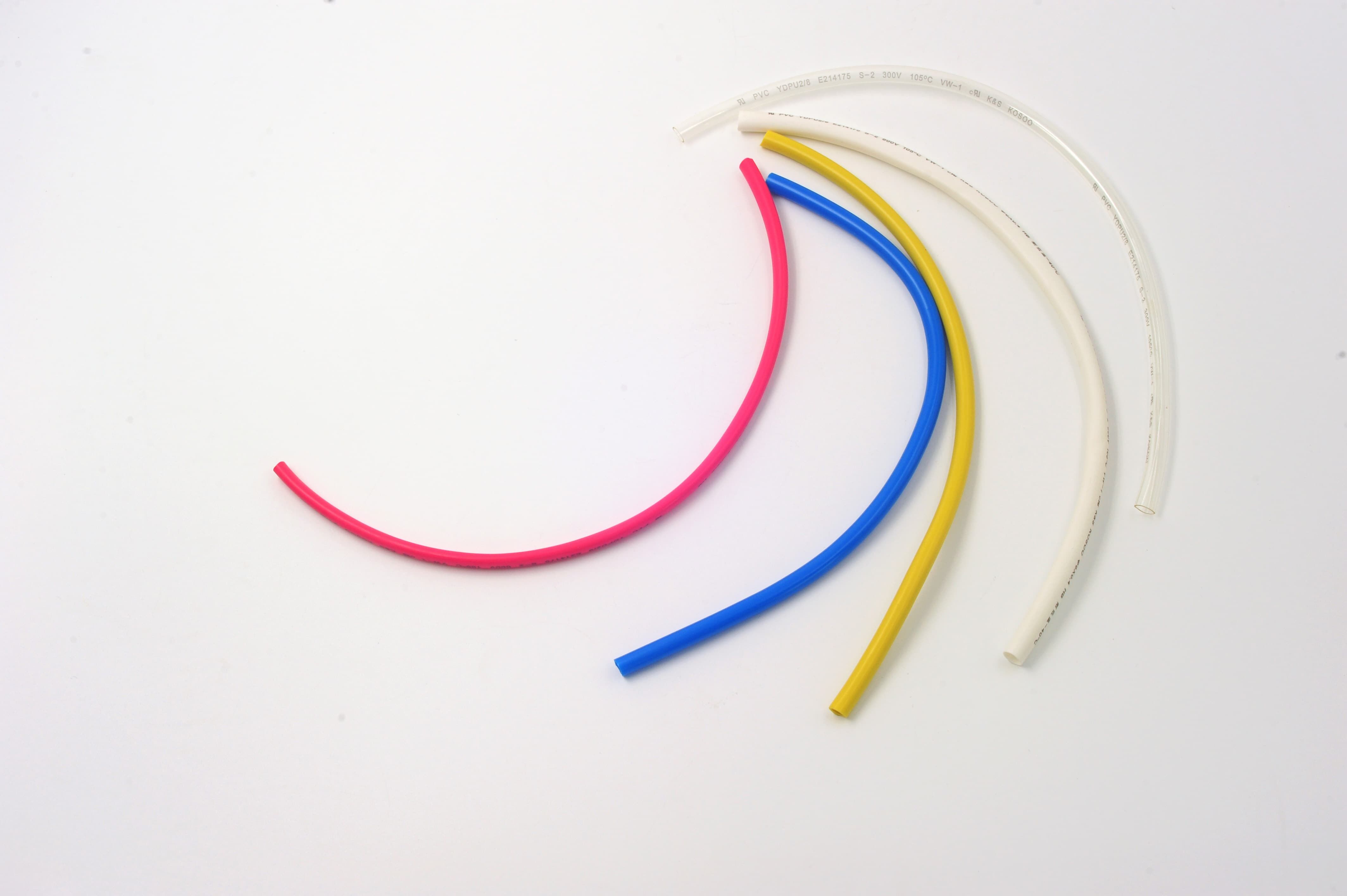
Heat shrink sleeve transparent represents a cutting-edge solution in cable management and component protection, offering superior visibility while maintaining exceptional protective qualities. This innovative product combines the reliable shrinking properties of traditional heat shrink materials with crystal-clear transparency, allowing users to inspect enclosed components without removing the protective covering. The heat shrink sleeve transparent utilizes advanced polymer technology that responds to controlled heat application, contracting uniformly around objects to create a tight, secure seal. When heated to specific temperatures, typically between 80-125 degrees Celsius, the transparent sleeve reduces to approximately one-third of its original diameter, conforming precisely to the shape of cables, connectors, or components it encases. The manufacturing process involves specialized extrusion techniques that maintain optical clarity while ensuring consistent wall thickness and reliable shrinkage ratios. These sleeves demonstrate remarkable durability, resisting environmental factors such as moisture, chemicals, and ultraviolet radiation that commonly degrade standard protective materials. The transparent nature proves invaluable for applications requiring visual inspection of internal components, quality control processes, or troubleshooting scenarios. Engineers and technicians can easily identify wire colors, component markings, or connection points without disassembling protective coverings. The heat shrink sleeve transparent maintains excellent electrical insulation properties, preventing short circuits and electrical failures in sensitive electronic applications. Its flexibility allows installation in confined spaces while accommodating slight movement or vibration without cracking or splitting. The material exhibits superior adhesion characteristics, creating watertight seals that protect against moisture ingress and contamination. Temperature resistance ranges vary depending on specific formulations, with many variants withstanding continuous operation from negative forty to positive one hundred twenty-five degrees Celsius, making them suitable for diverse environmental conditions and industrial applications.

 EN
EN