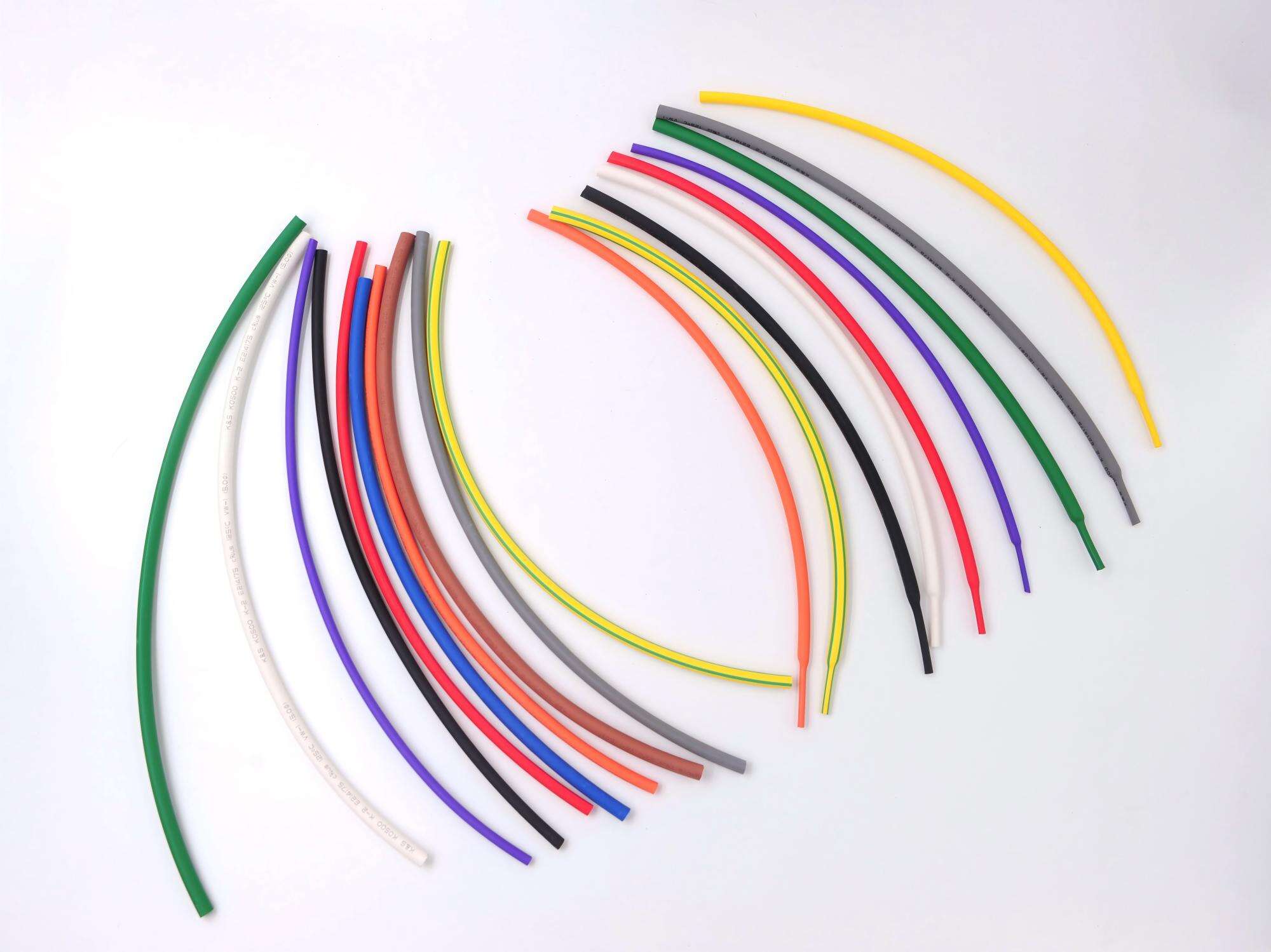
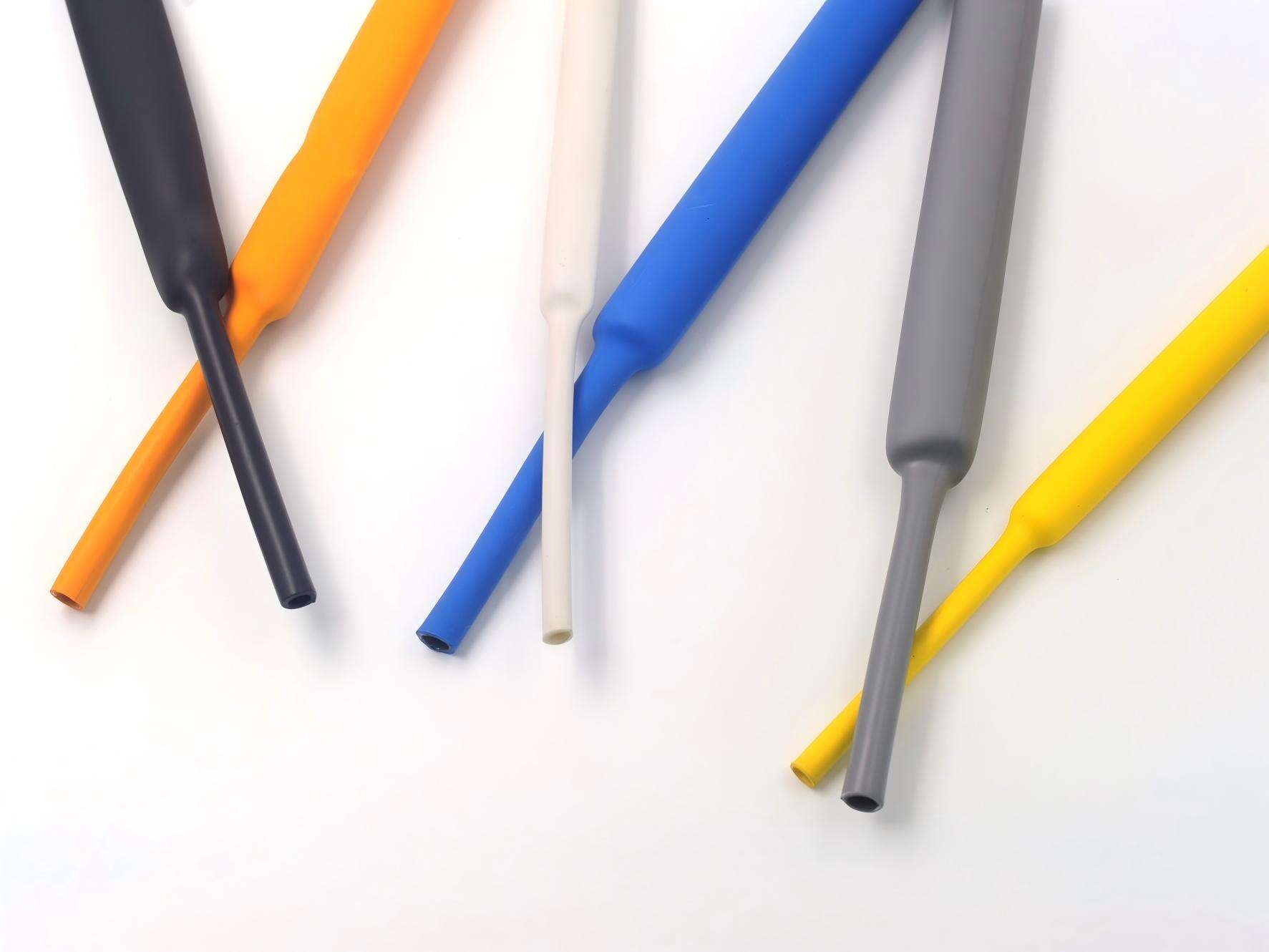
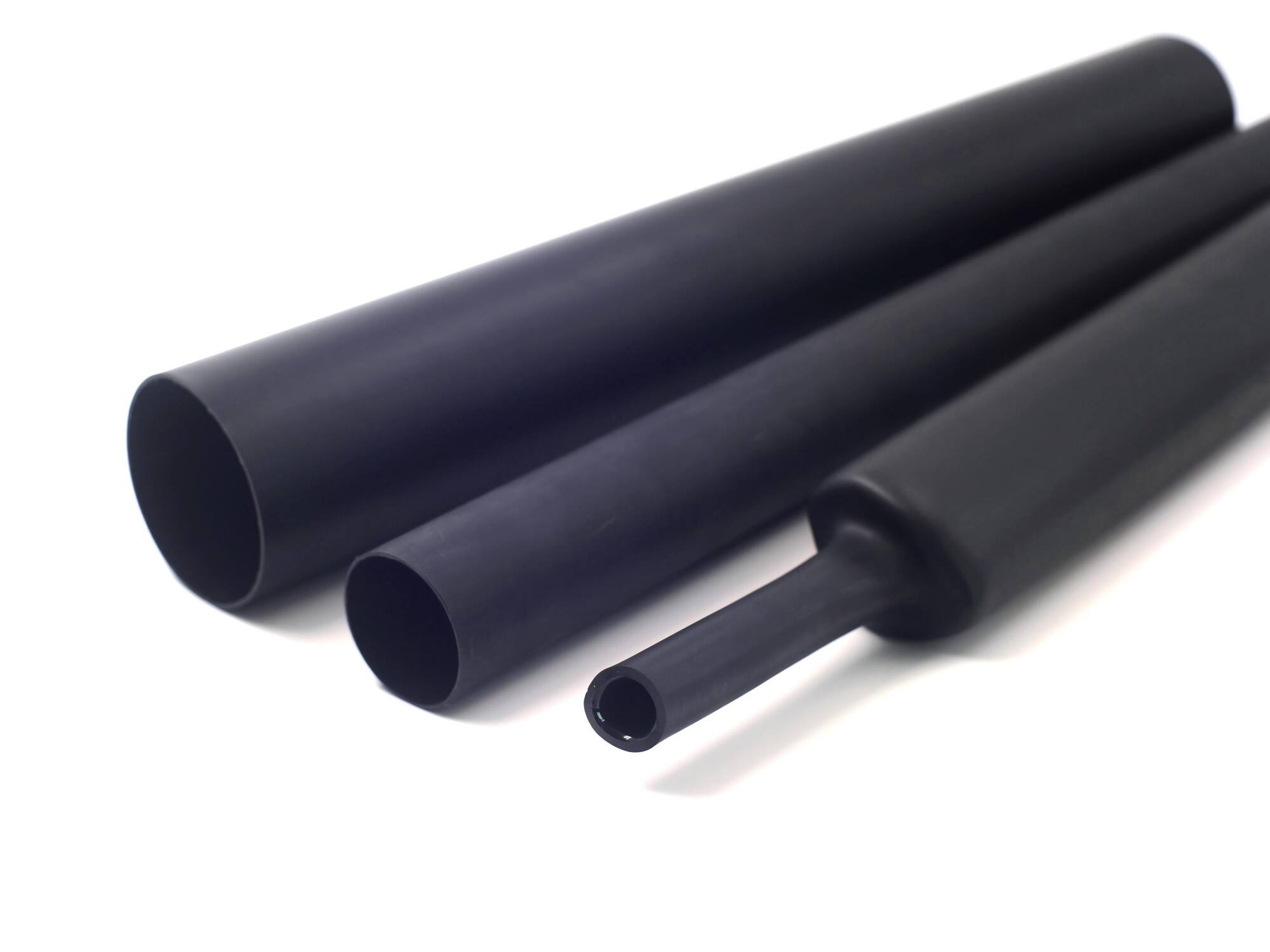
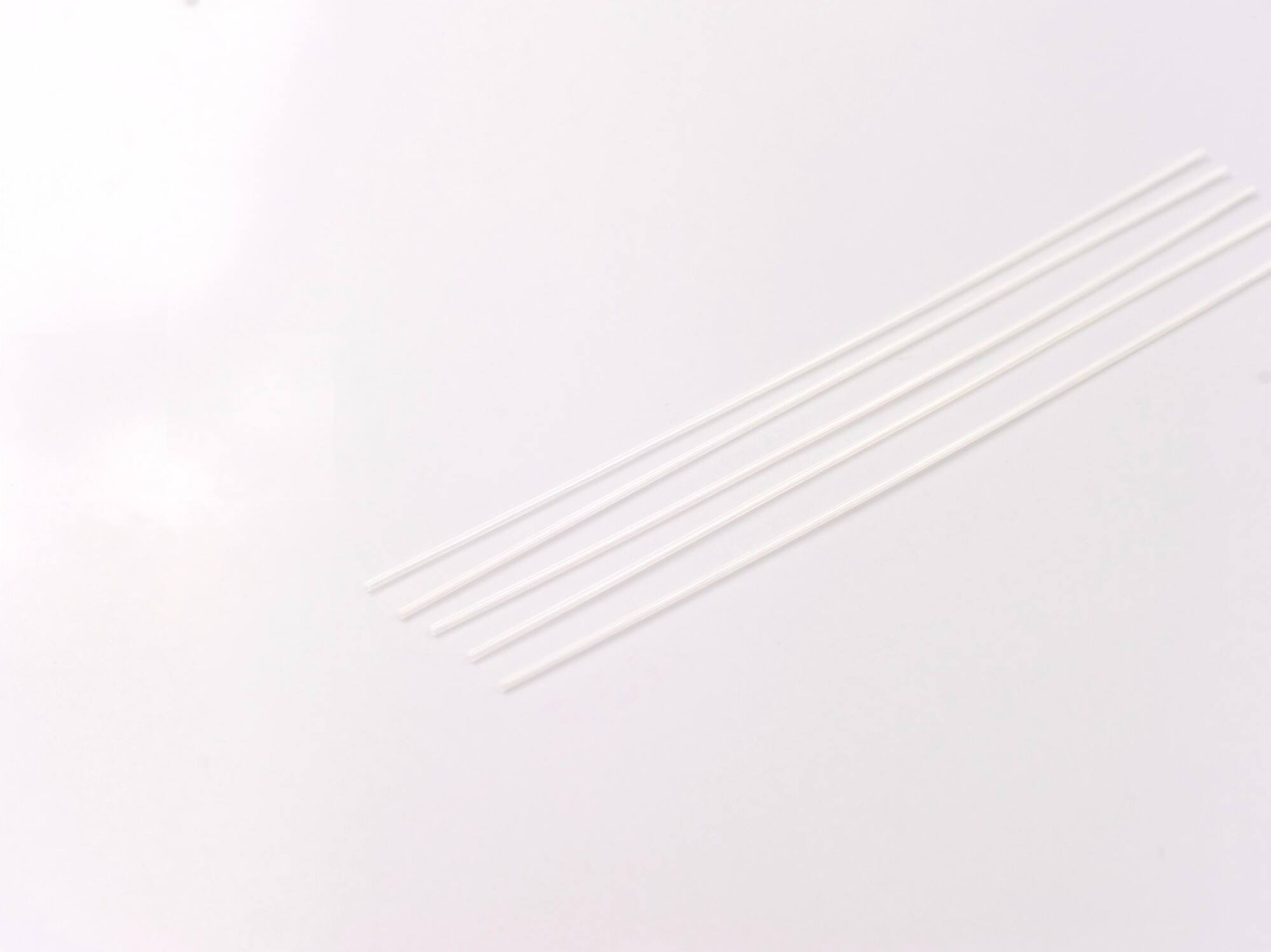
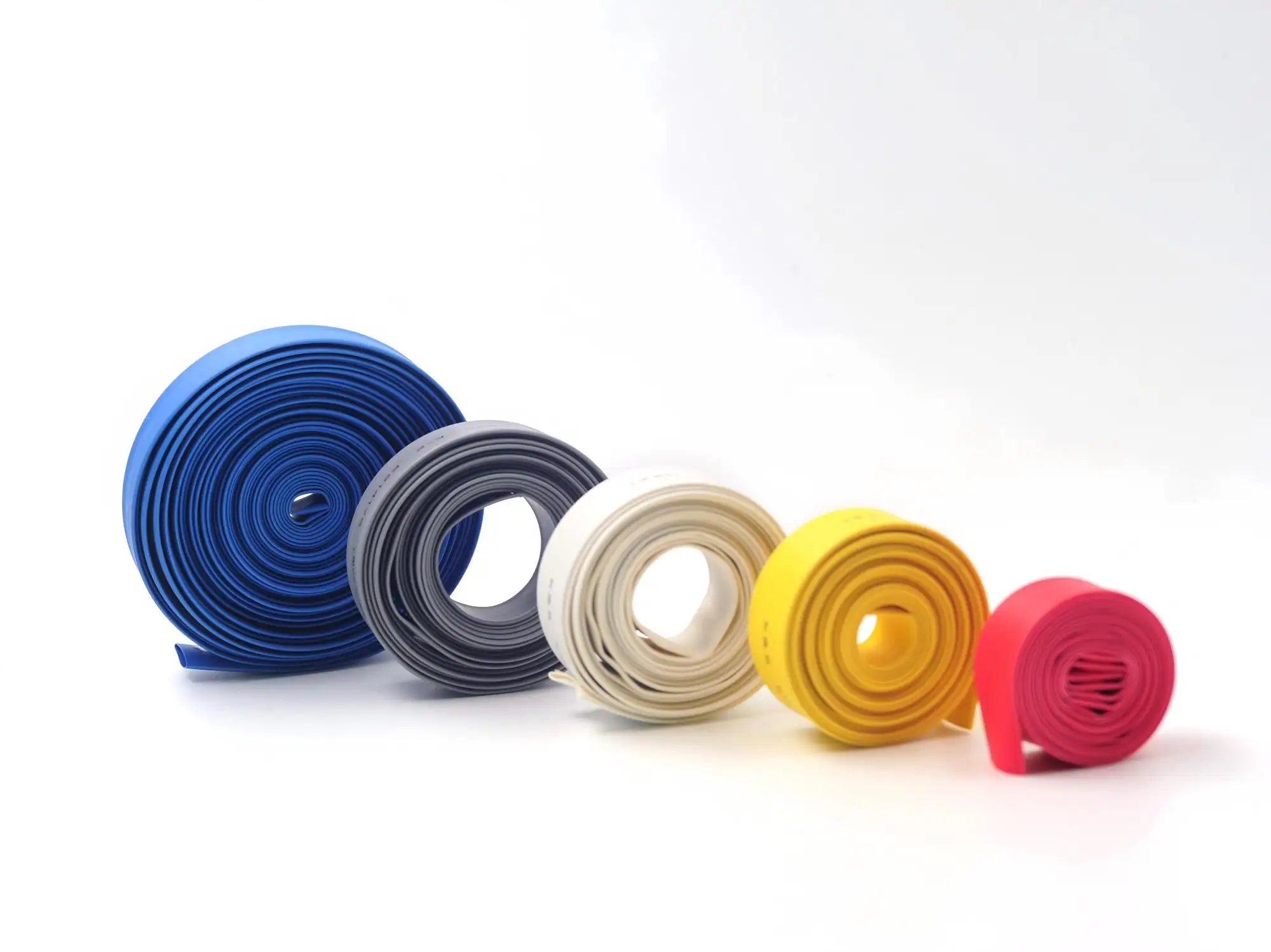
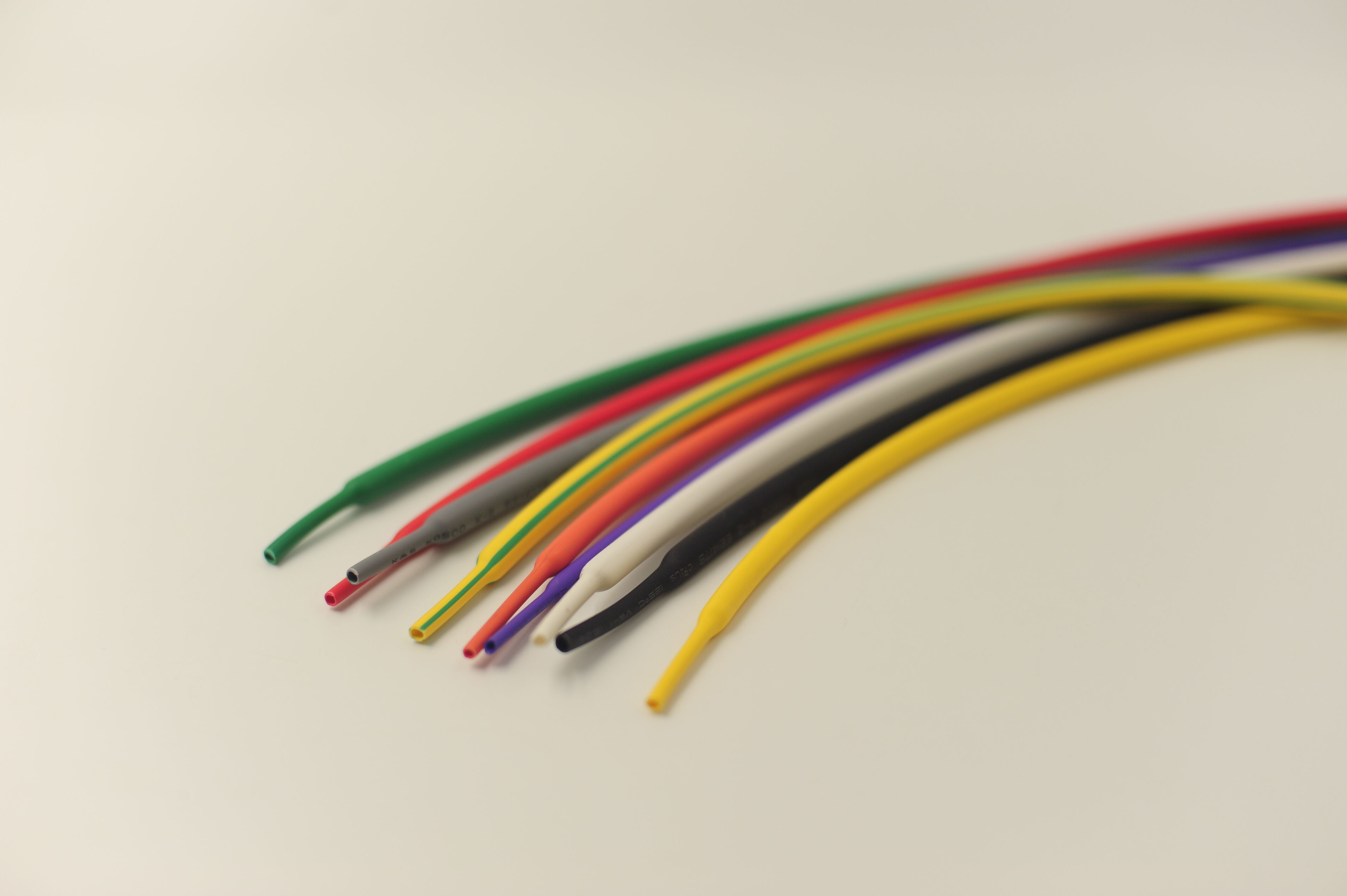
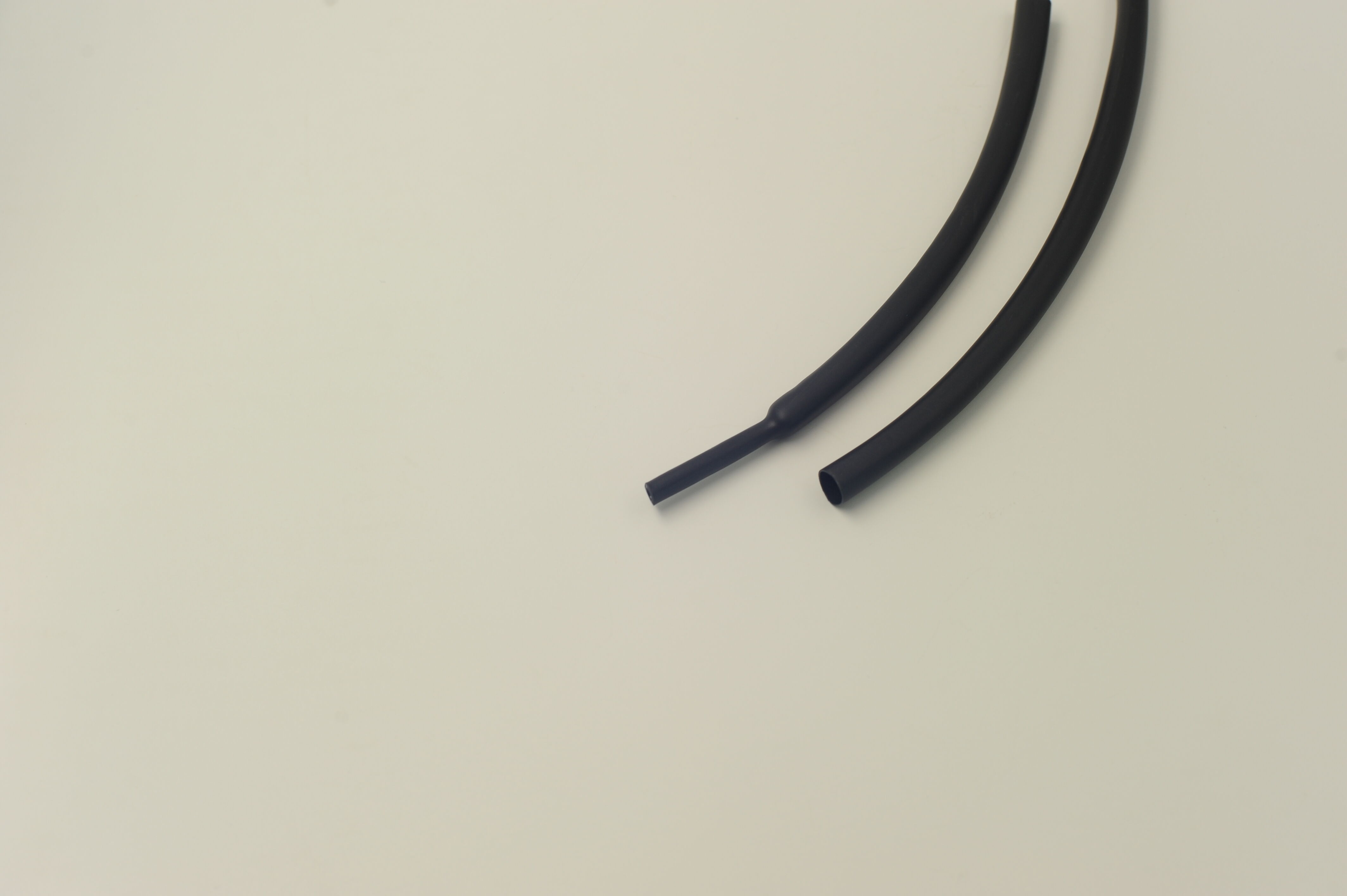
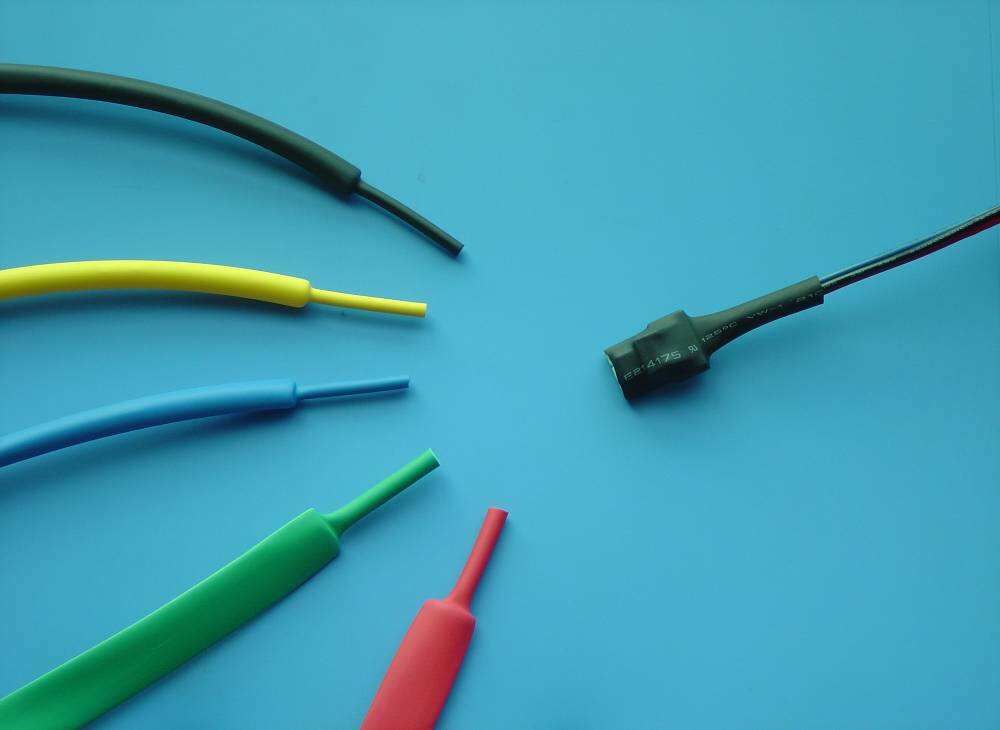
heat shrinkable sleeve for busbar insulation
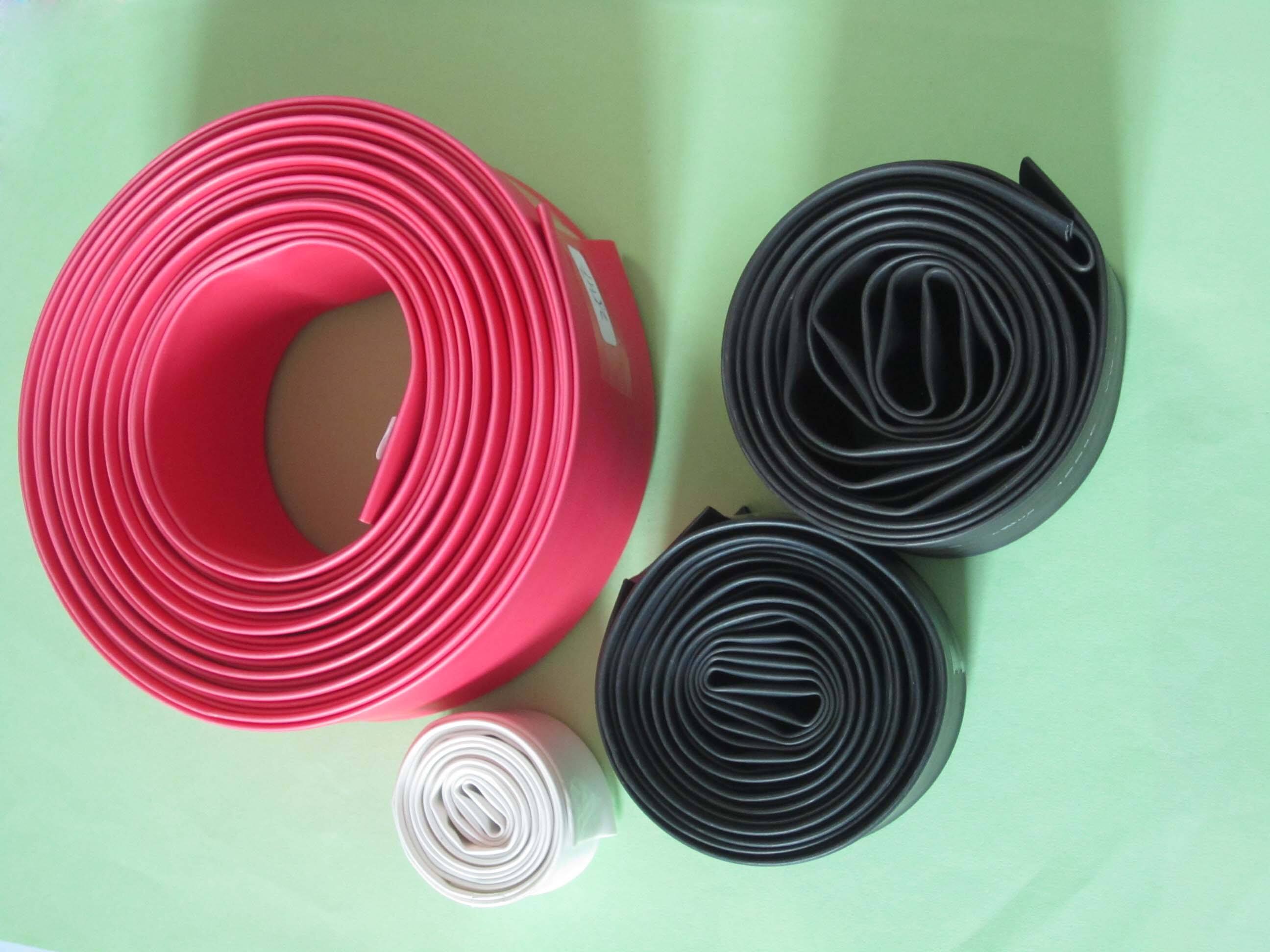
Heat shrinkable sleeve for busbar insulation represents a revolutionary approach to electrical protection systems, delivering comprehensive insulation solutions for power distribution networks. This specialized protective covering utilizes advanced polymer technology to create a seamless barrier around busbars, ensuring optimal electrical safety and system reliability. The heat shrinkable sleeve for busbar insulation employs cross-linked polyolefin materials that contract uniformly when heated, forming a tight-fitting protective layer that conforms precisely to irregular surfaces and complex geometries. The main functions of heat shrinkable sleeve for busbar insulation include electrical insulation, environmental protection, and mechanical shielding against external damage. These sleeves provide dielectric strength ratings suitable for various voltage applications, from low-voltage distribution systems to medium-voltage installations. The technological features encompass flame-retardant properties, UV resistance, and excellent weatherability characteristics that maintain performance integrity under harsh operating conditions. Temperature resistance ranges from -55°C to 135°C, enabling deployment across diverse climatic zones and industrial environments. The shrinkage ratio typically achieves 3:1 or 4:1 ratios, allowing single-size sleeves to accommodate multiple conductor dimensions. Applications span electrical utilities, industrial facilities, commercial buildings, and renewable energy installations where reliable busbar protection remains critical. Manufacturing facilities utilize heat shrinkable sleeve for busbar insulation to protect power distribution equipment from contamination, moisture ingress, and accidental contact. Substations employ these sleeves to enhance safety protocols while maintaining operational efficiency. The installation process involves simple heating procedures using standard heat guns or ovens, eliminating complex tooling requirements. Quality certifications include IEC, ASTM, and UL standards compliance, ensuring product reliability and regulatory acceptance. The versatile design accommodates straight runs, joints, and terminations, providing comprehensive protection throughout electrical distribution systems.

 EN
EN