cable protector heat shrink tube
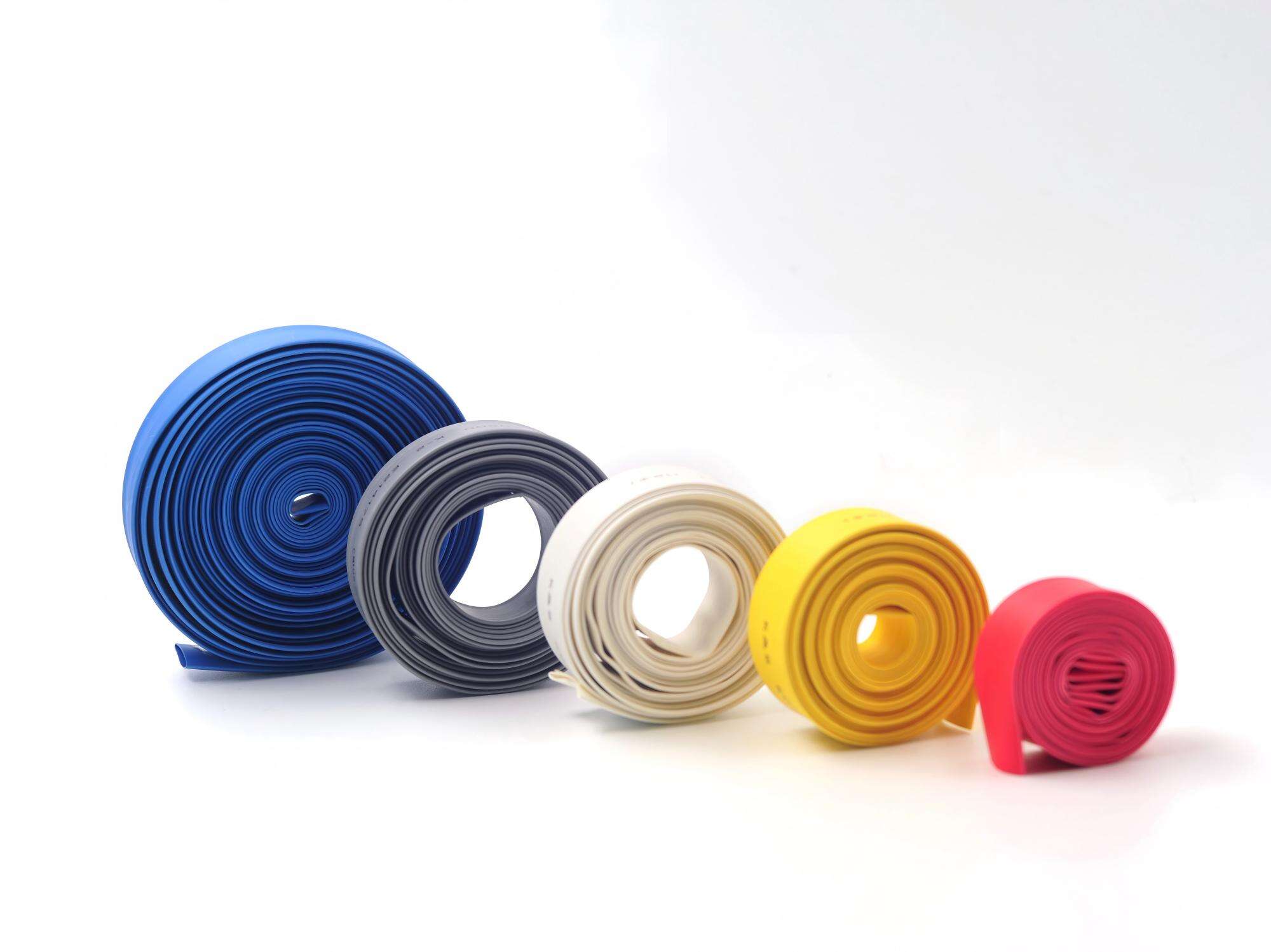
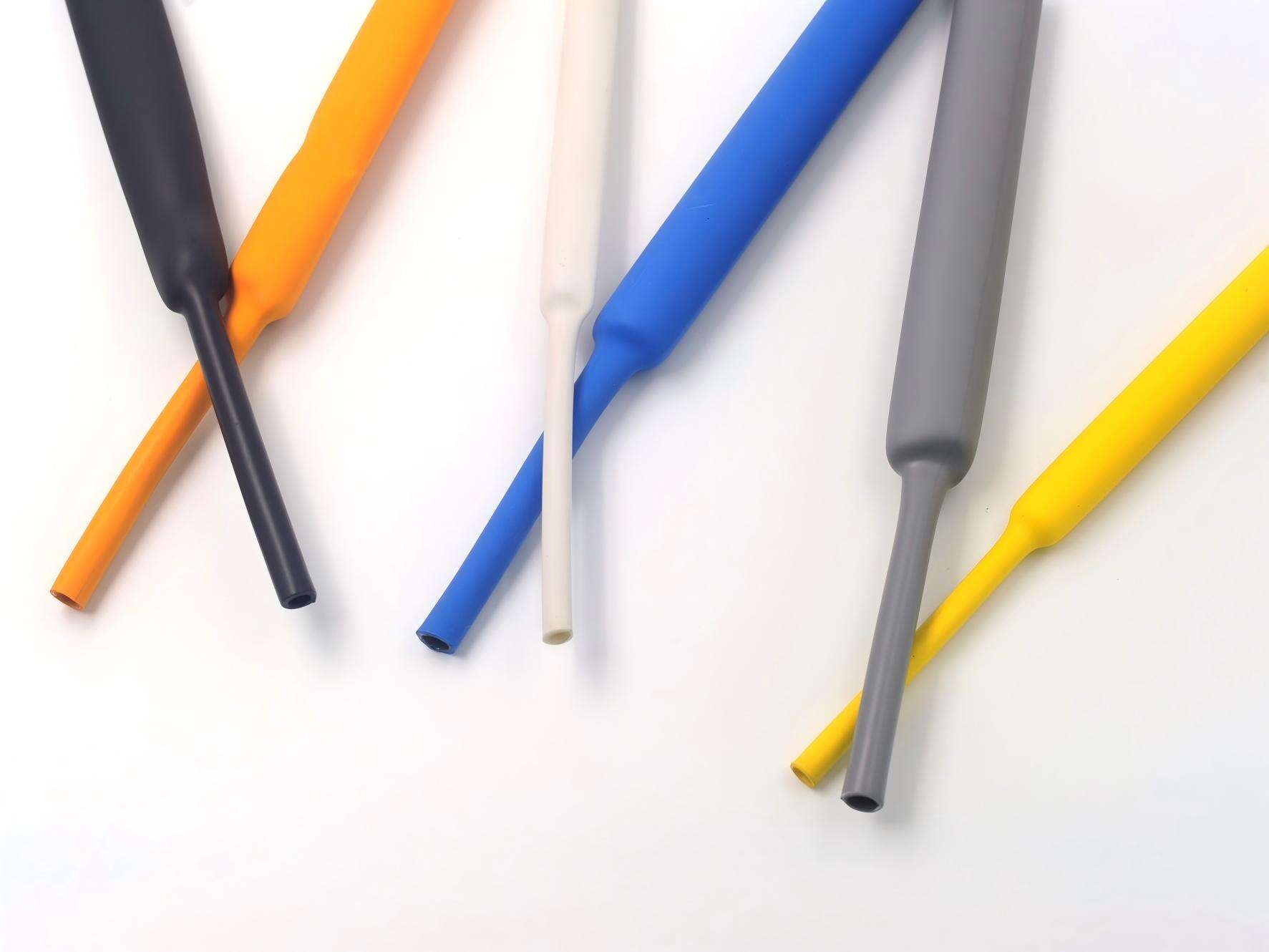
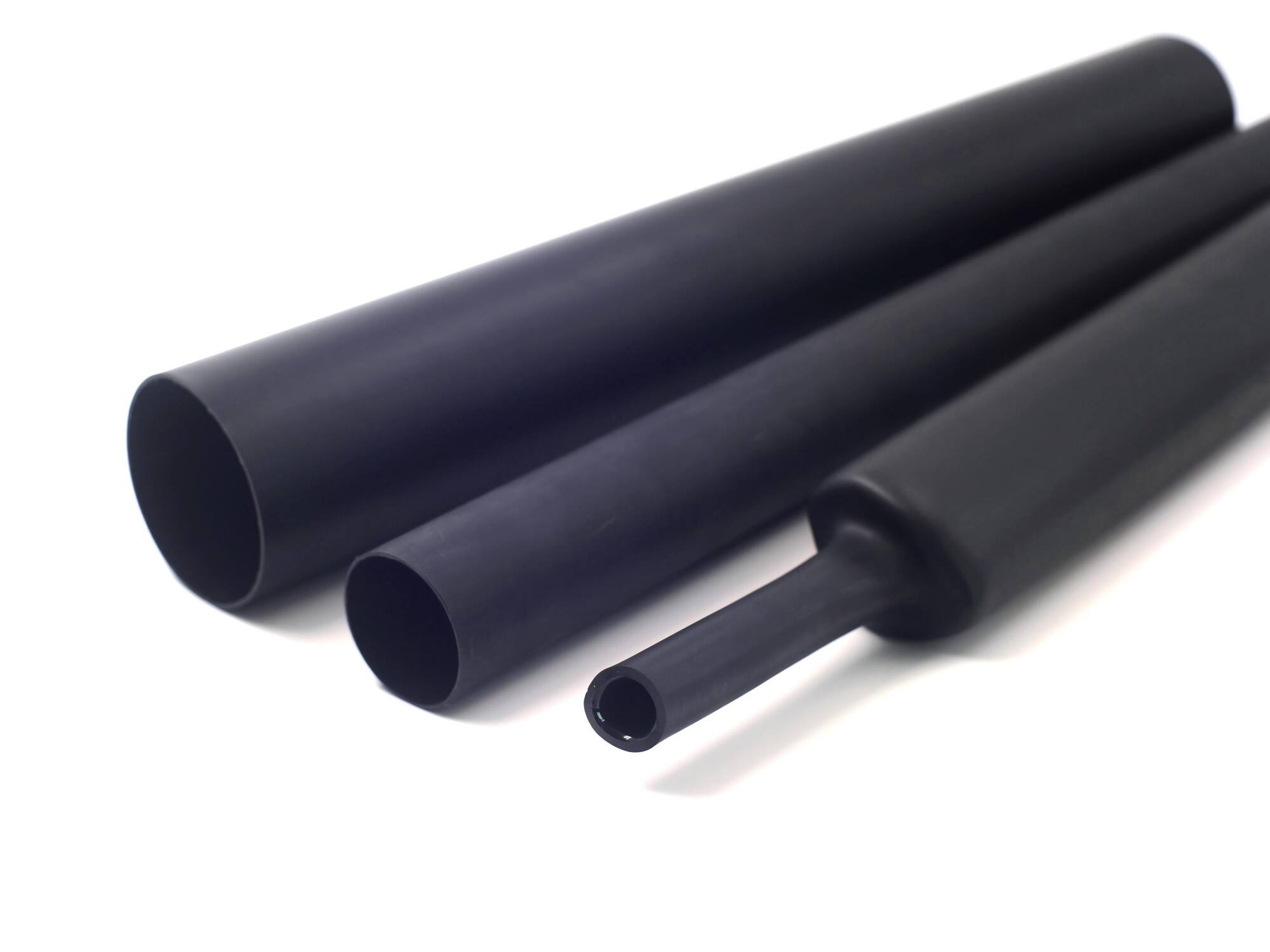
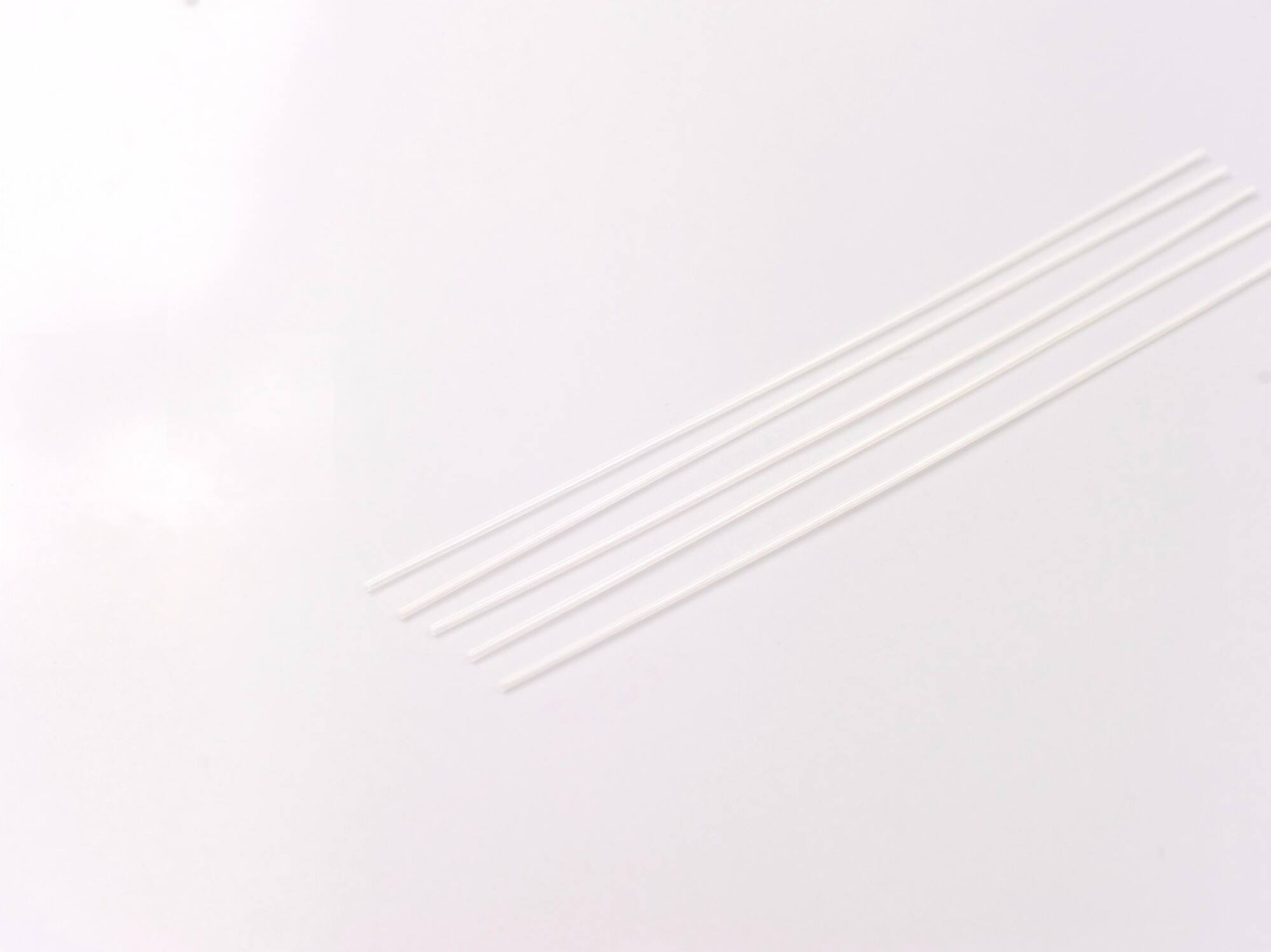
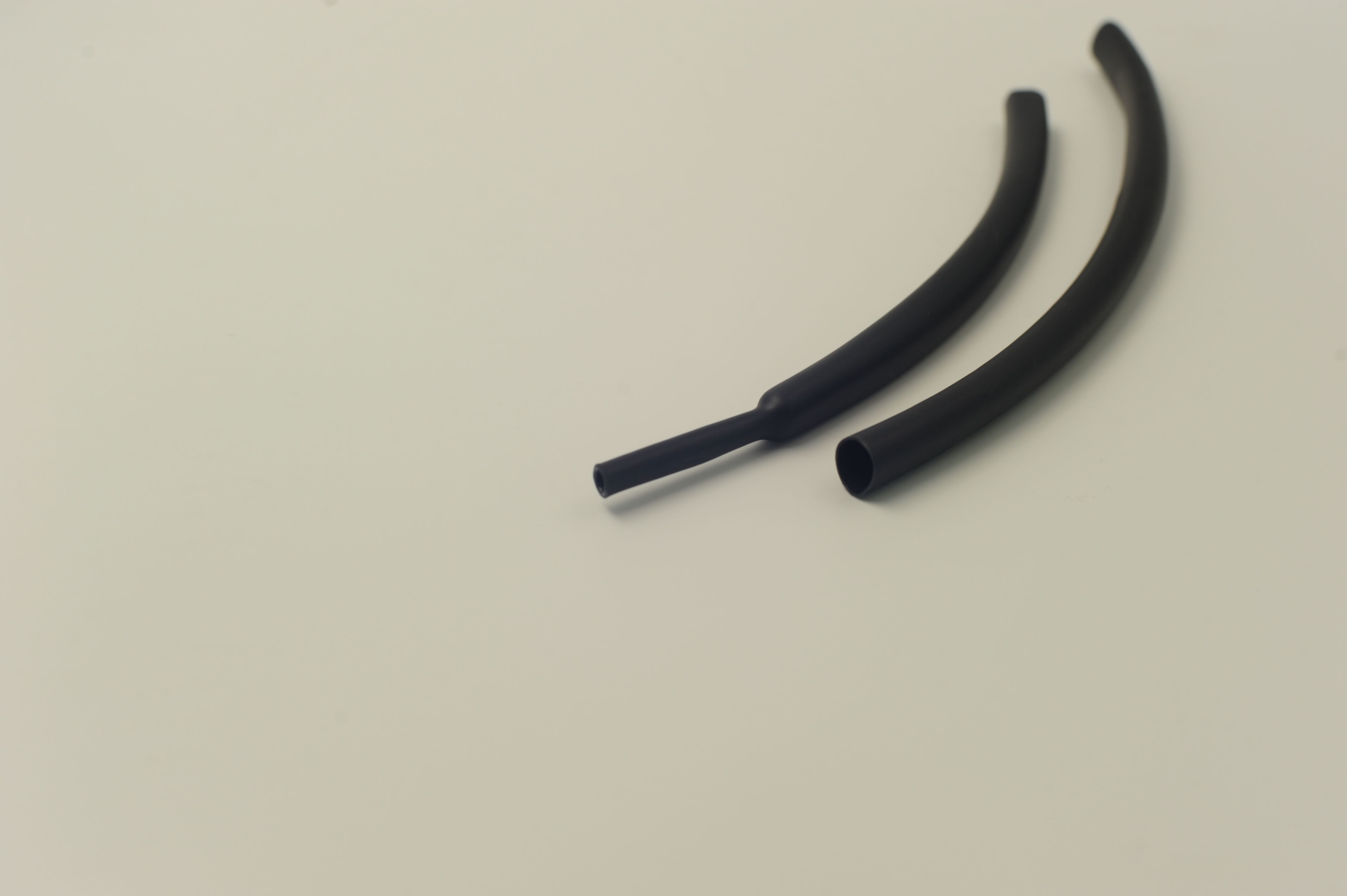
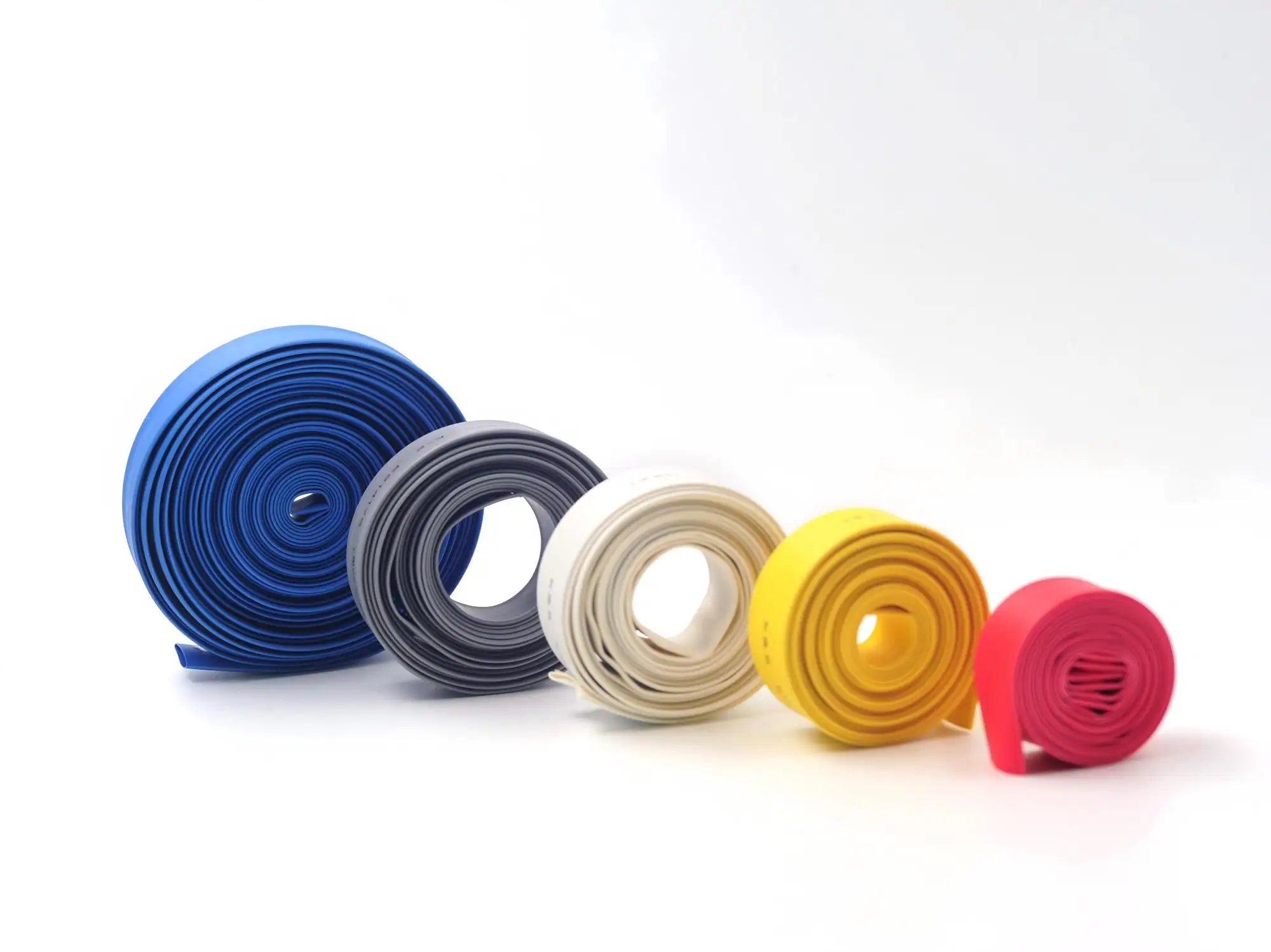
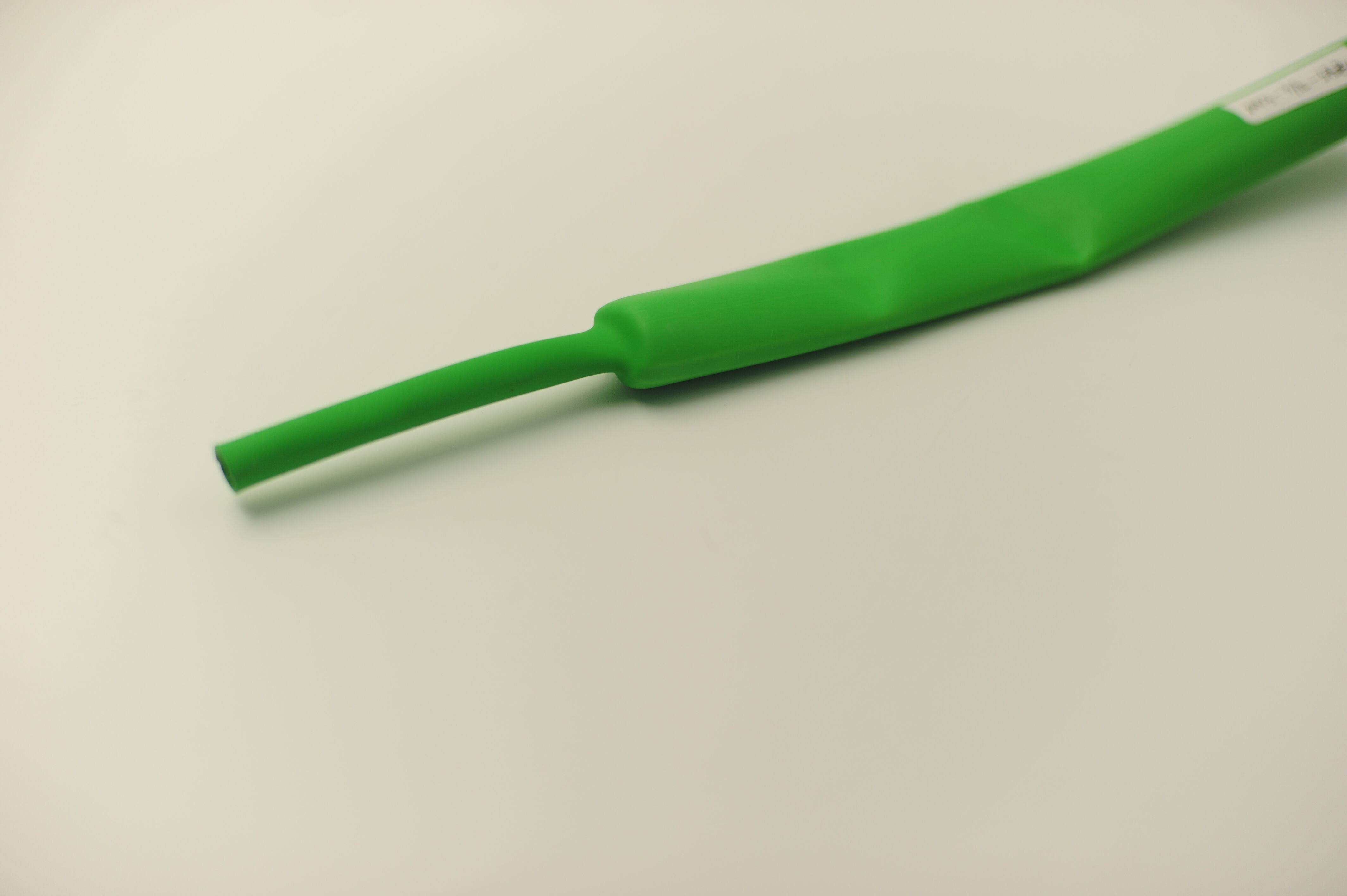
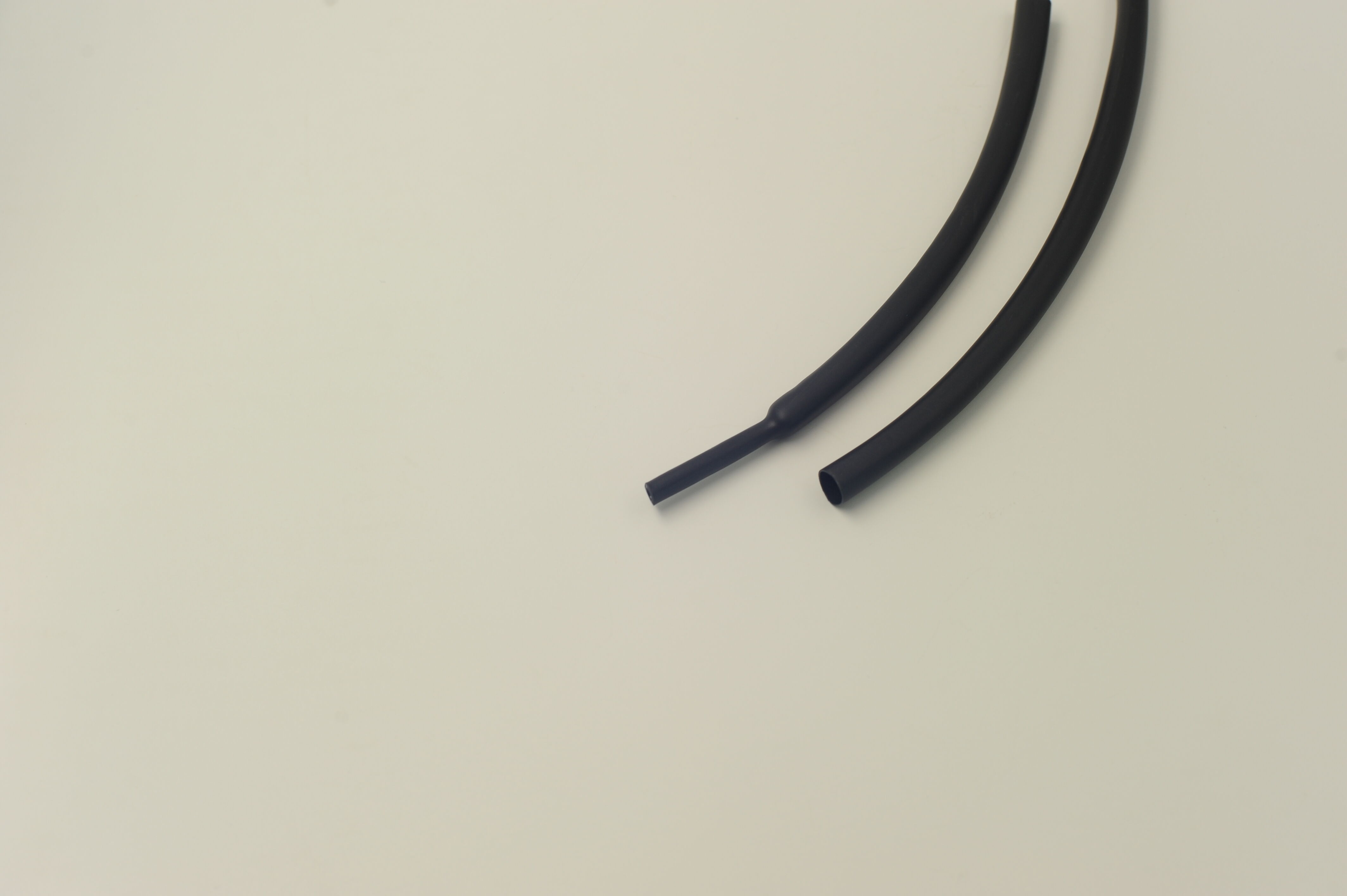
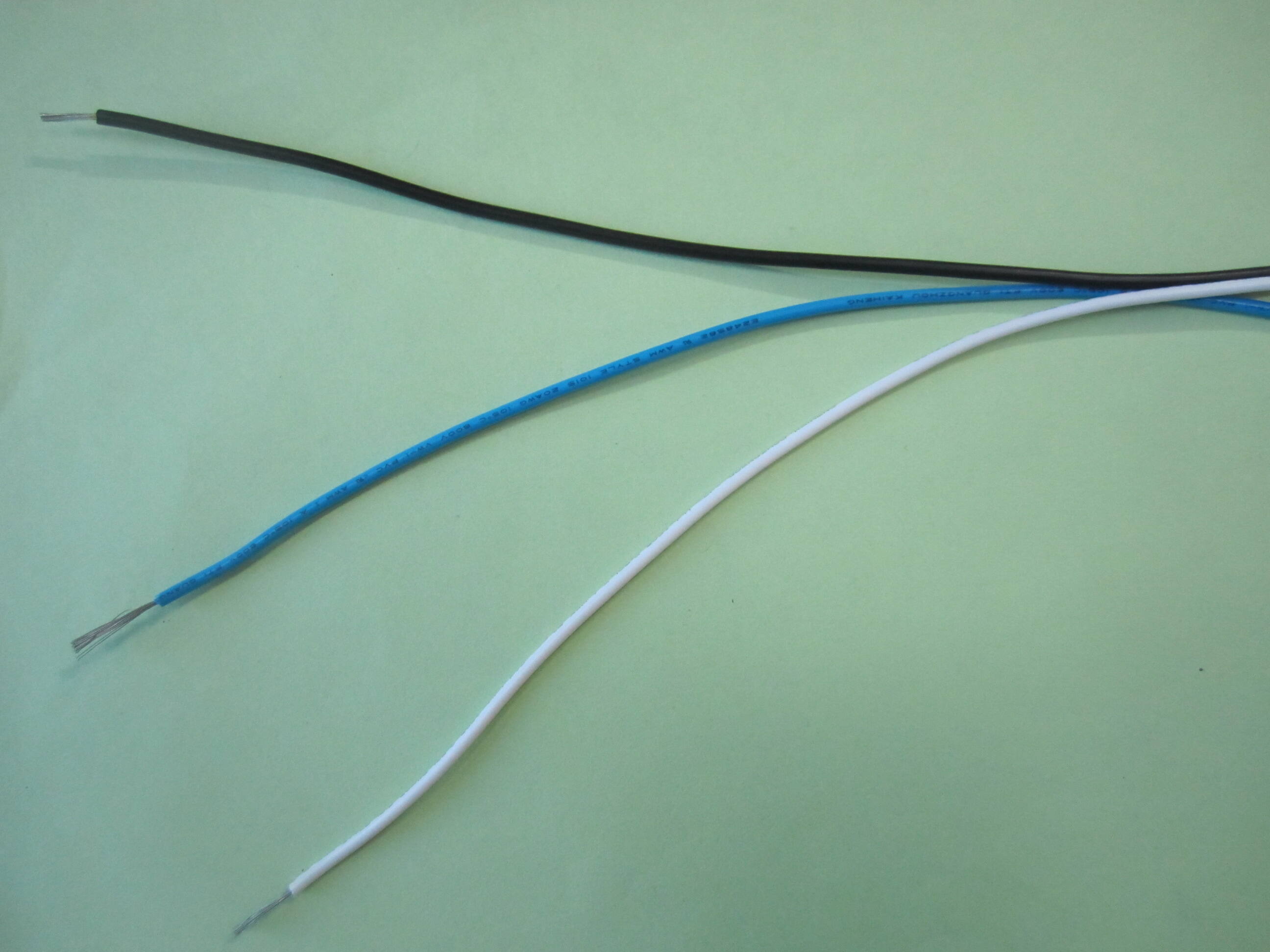
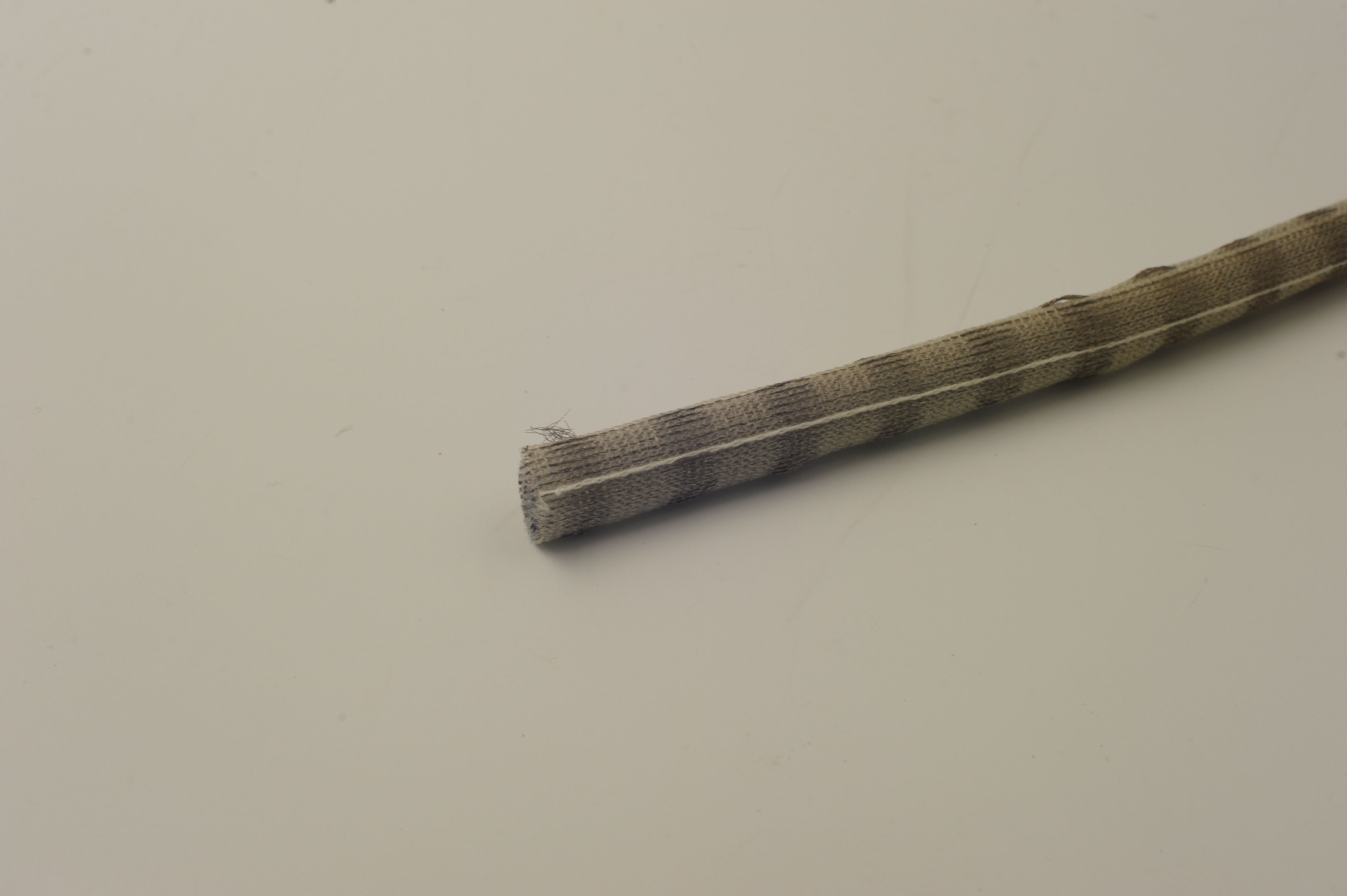
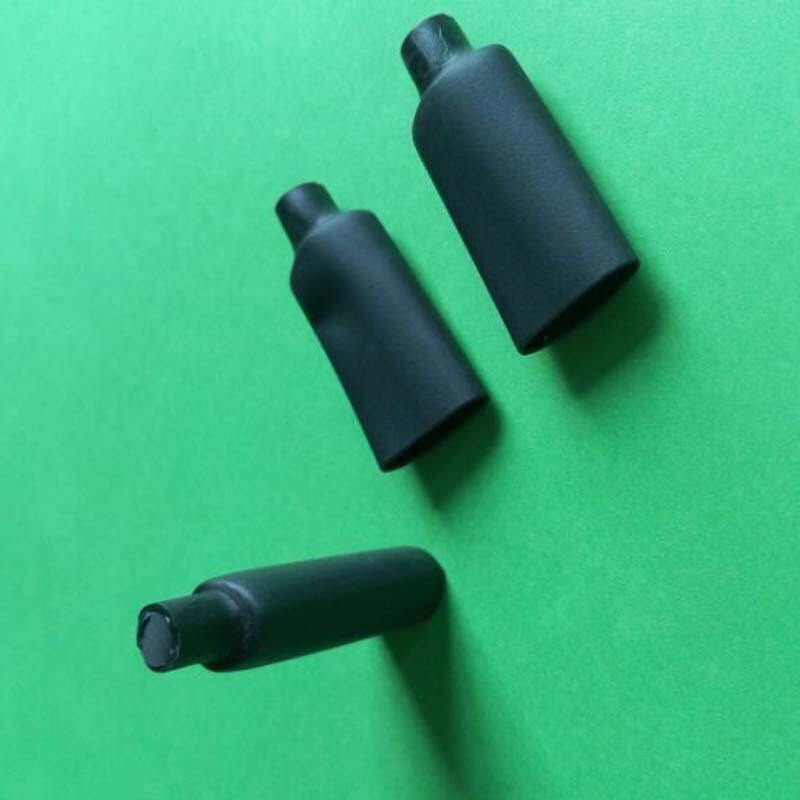
Cable protector heat shrink tube represents a revolutionary advancement in electrical connection protection technology, serving as an essential component for maintaining the integrity and longevity of wire connections across numerous industries. This specialized protective sleeve contracts uniformly when exposed to controlled heat application, creating a tight seal around cable joints, splices, and termination points. The cable protector heat shrink tube functions as a barrier against environmental hazards including moisture infiltration, dust accumulation, chemical exposure, and mechanical stress that could compromise electrical performance. Manufactured from premium polymer materials, these tubes demonstrate exceptional dimensional stability and consistent shrinkage ratios, typically ranging from 2:1 to 6:1 depending on application requirements. The technological foundation of cable protector heat shrink tube relies on cross-linked polyethylene or fluoropolymer compositions that maintain structural integrity across wide temperature ranges while providing excellent electrical insulation properties. Advanced manufacturing processes ensure uniform wall thickness and controlled shrinkage characteristics, enabling precise fit over various cable diameters and configurations. Key technological features include superior flame retardancy meeting international safety standards, excellent chemical resistance against acids, oils, and solvents, and UV stability for outdoor installations. The cable protector heat shrink tube offers remarkable versatility in applications spanning telecommunications, automotive wiring harnesses, aerospace systems, marine electronics, industrial automation, and residential electrical installations. Installation procedures remain straightforward, requiring only standard heat application tools such as heat guns, ovens, or specialized shrinking chambers. Quality cable protector heat shrink tube products undergo rigorous testing protocols including tensile strength evaluation, dielectric breakdown voltage assessment, and accelerated aging tests to ensure consistent performance throughout their operational lifespan. Color coding options facilitate identification and organization of protected connections, while transparent variations allow visual inspection of enclosed components without removal.

 EN
EN