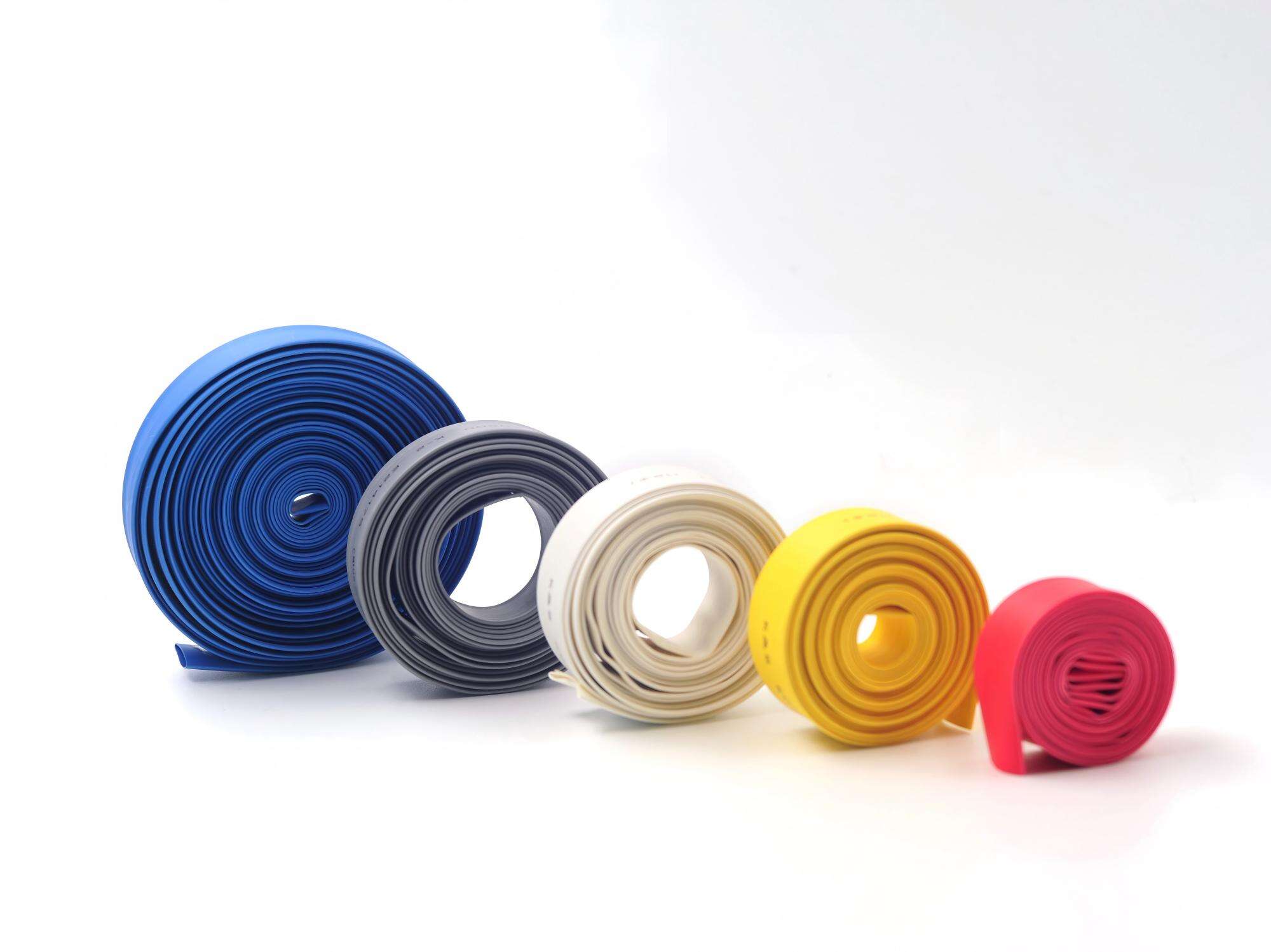
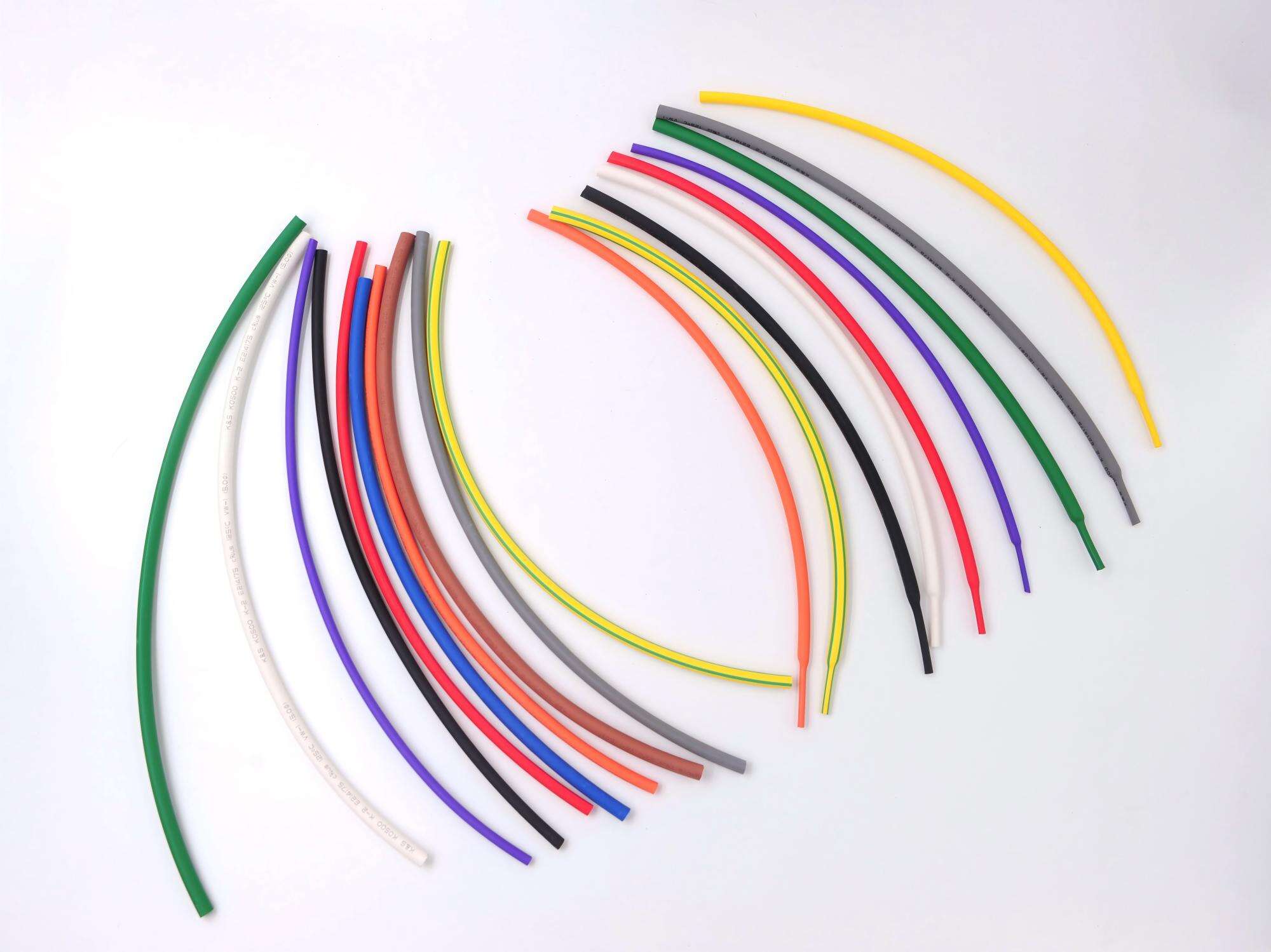
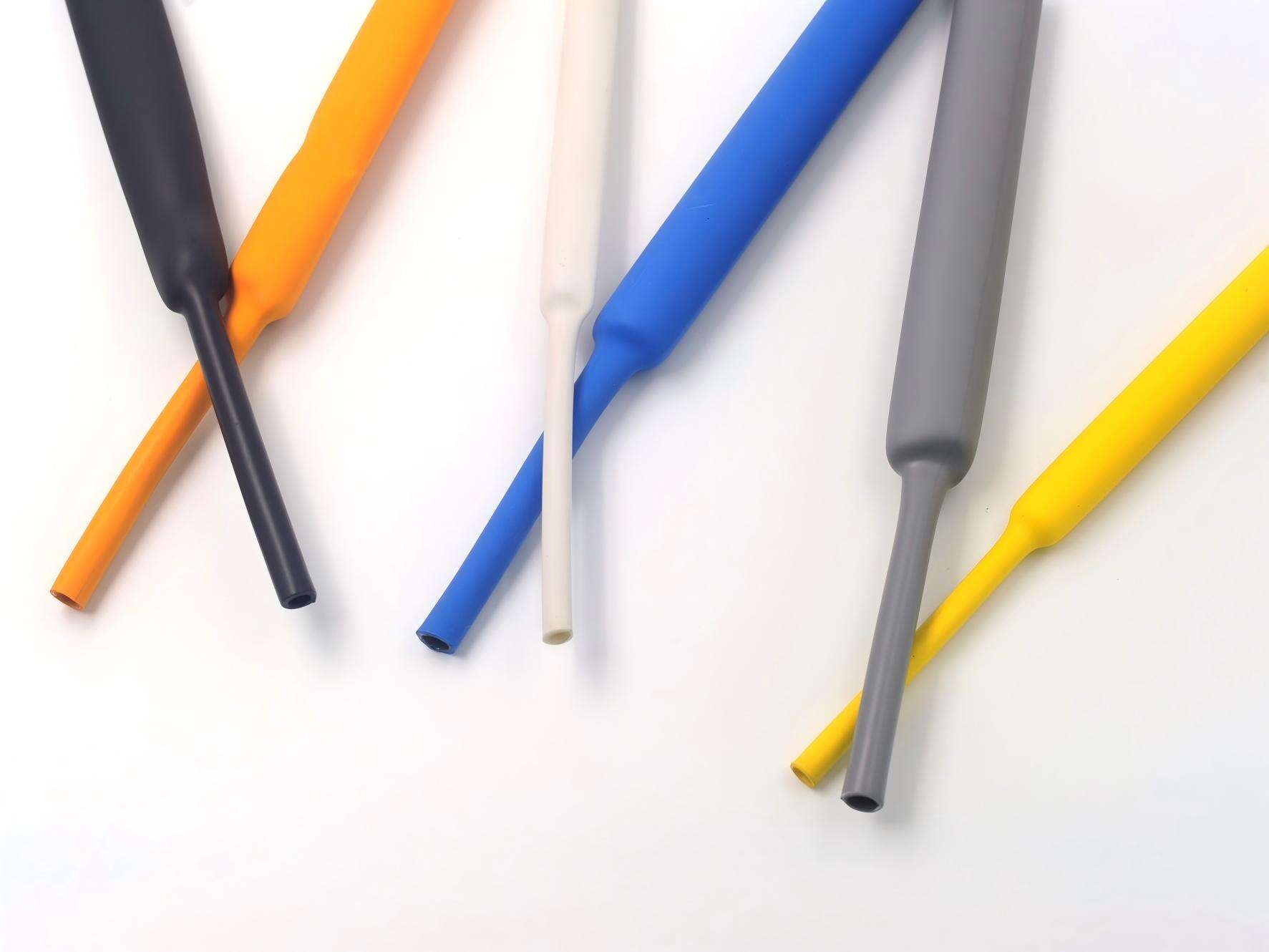
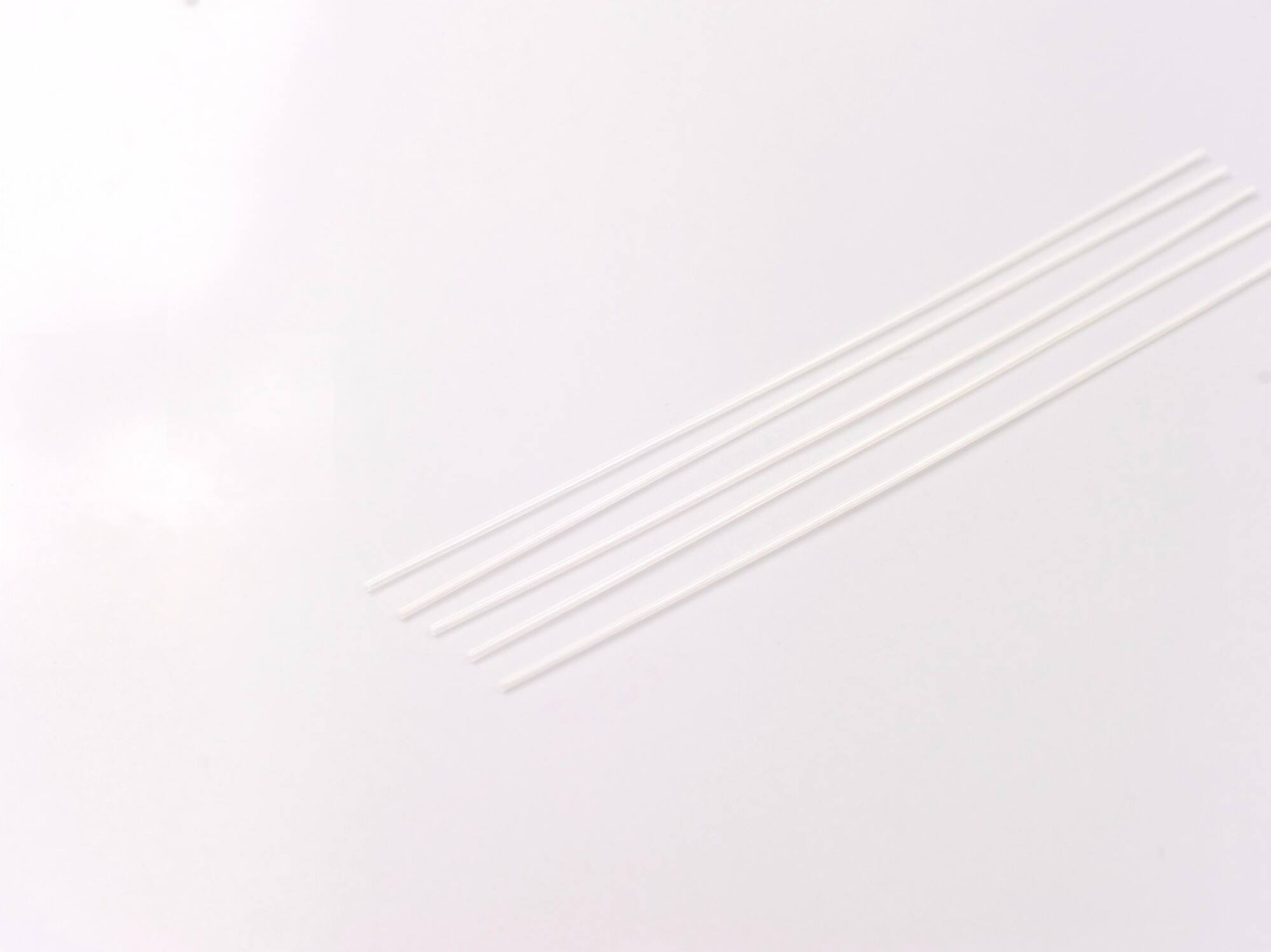
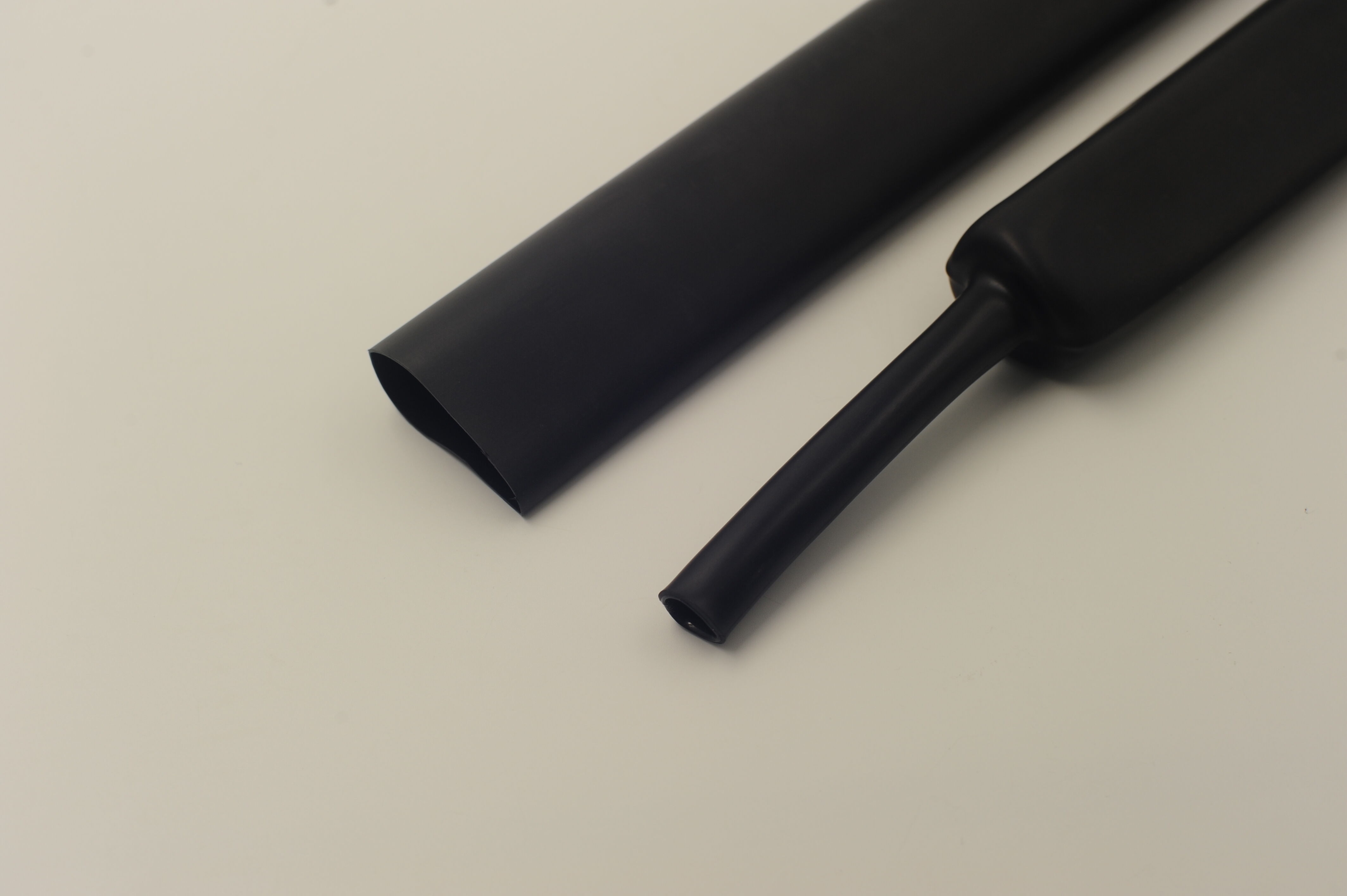
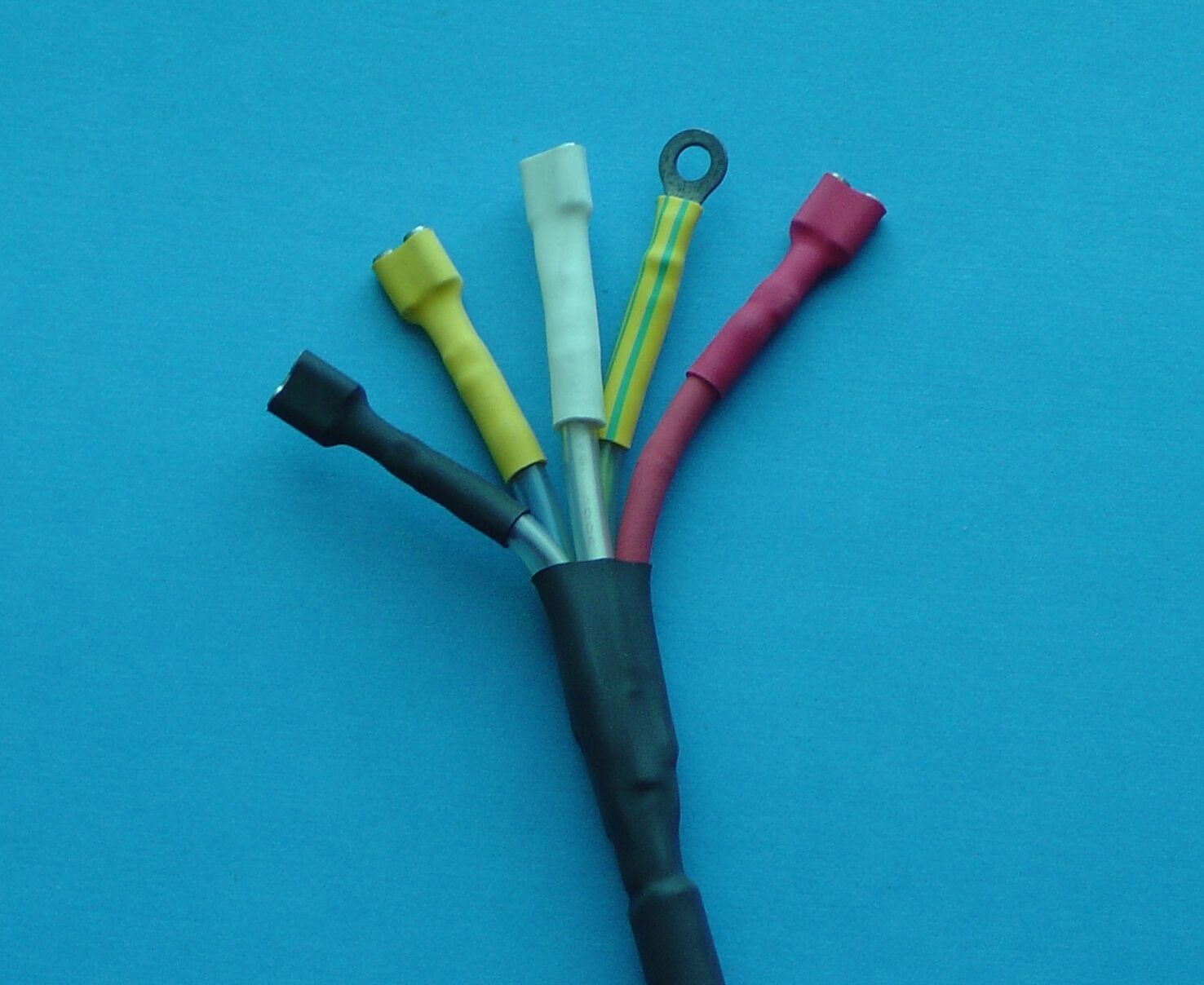
special heat shrinkable tube
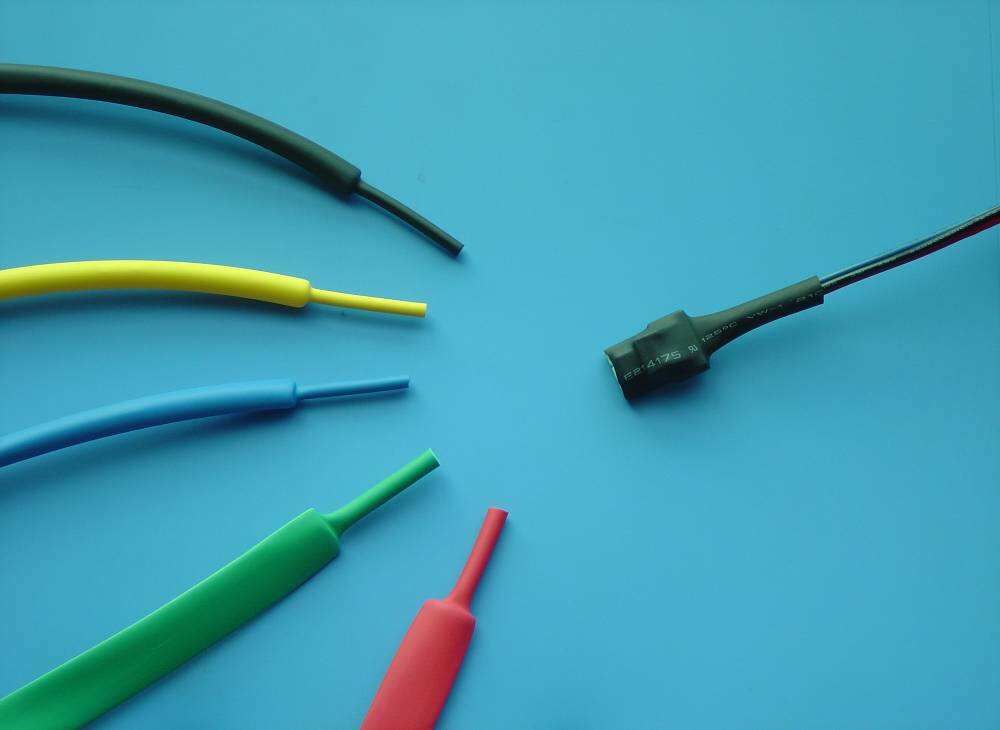
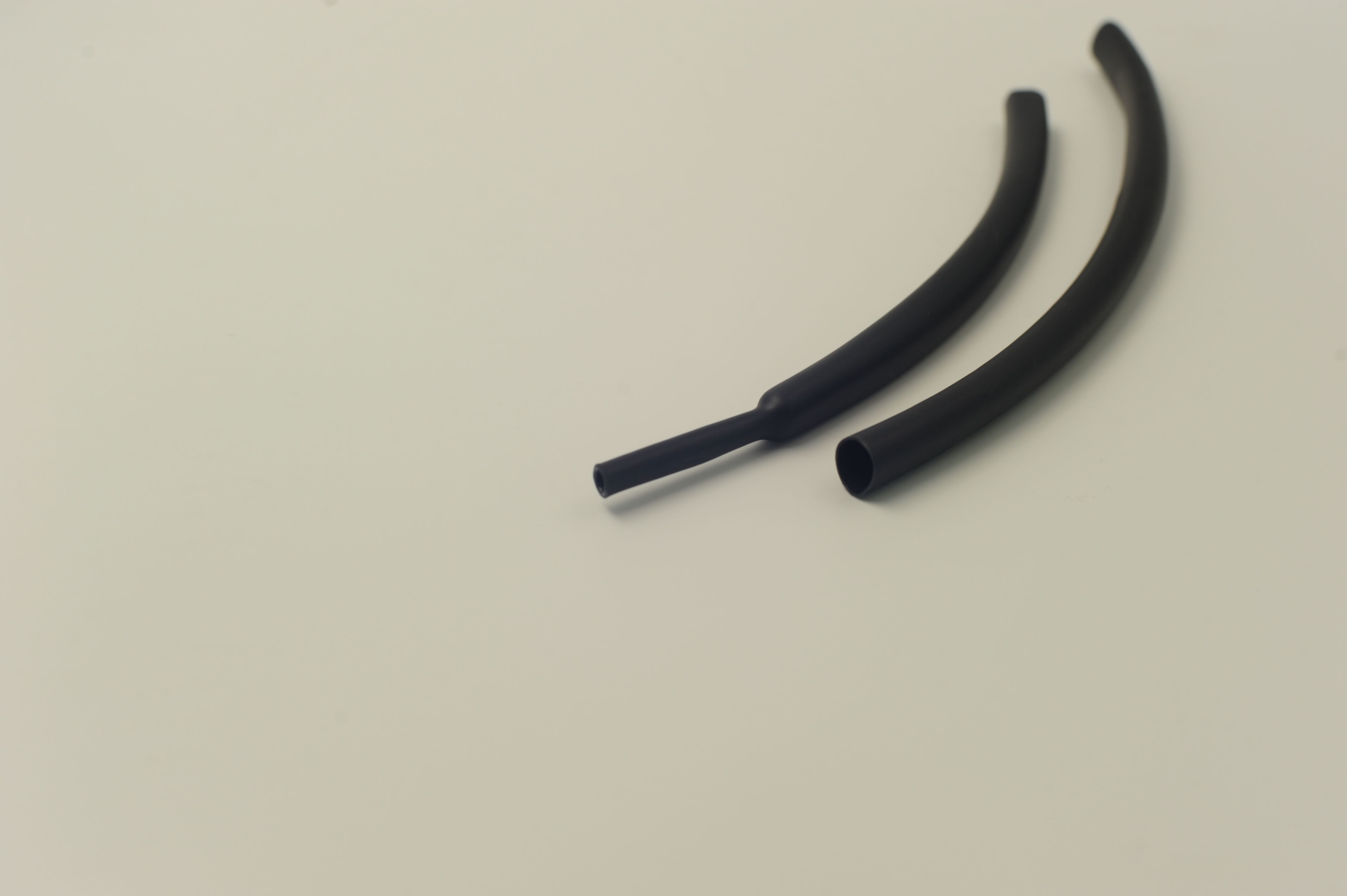
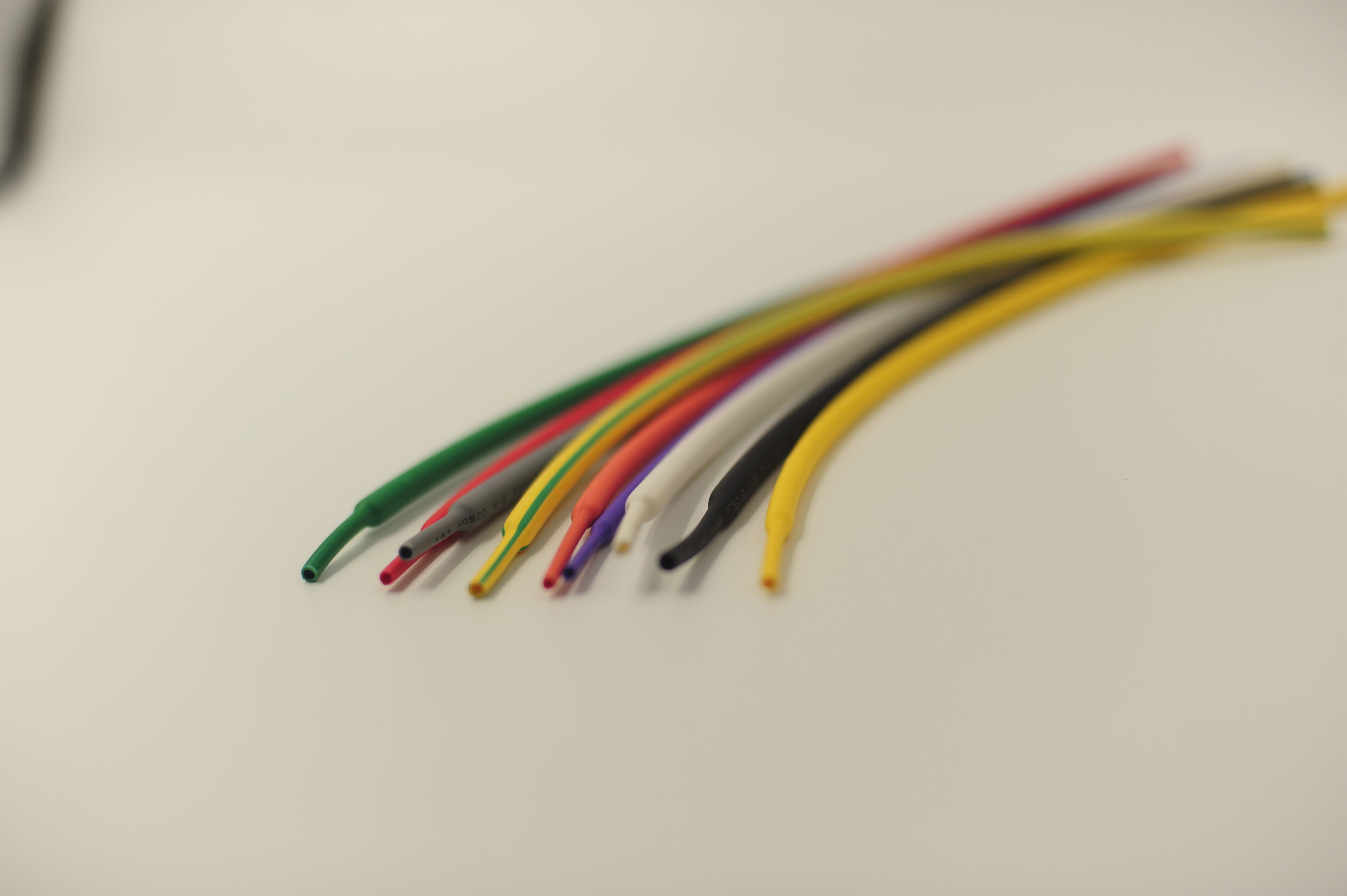
Special heat shrinkable tube represents a revolutionary advancement in protective coating technology, designed to provide superior insulation and protection for electrical connections, wire bundles, and various industrial components. This innovative material consists of cross-linked polymers that contract uniformly when exposed to controlled heat application, creating a tight, secure seal around the target object. The special heat shrinkable tube operates through a unique molecular structure that allows it to return to its predetermined size when heated to specific temperatures, typically ranging from 70 to 150 degrees Celsius depending on the material composition. The primary functions of special heat shrinkable tube encompass electrical insulation, mechanical protection, environmental sealing, and strain relief for cable assemblies. Its technological features include excellent dielectric properties, outstanding chemical resistance, superior flexibility across wide temperature ranges, and exceptional adhesion characteristics. The material demonstrates remarkable durability against moisture, UV radiation, chemicals, and physical abrasion, making it ideal for demanding applications. Manufacturing processes involve electron beam cross-linking or chemical cross-linking methods that enhance the material's memory properties and performance characteristics. Special heat shrinkable tube finds extensive applications across telecommunications, automotive, aerospace, marine, electrical utilities, and industrial automation sectors. In telecommunications infrastructure, it protects fiber optic splices and cable joints from environmental hazards. Automotive applications include wire harness protection, sensor shielding, and component insulation in engine compartments. Aerospace industries utilize special heat shrinkable tube for critical wire management systems in aircraft and spacecraft where reliability is paramount. The material's versatility extends to marine environments where saltwater corrosion protection is essential, and industrial settings requiring chemical resistance and temperature stability.

 EN
EN