Advanced Chemical and Environmental Resistance Properties
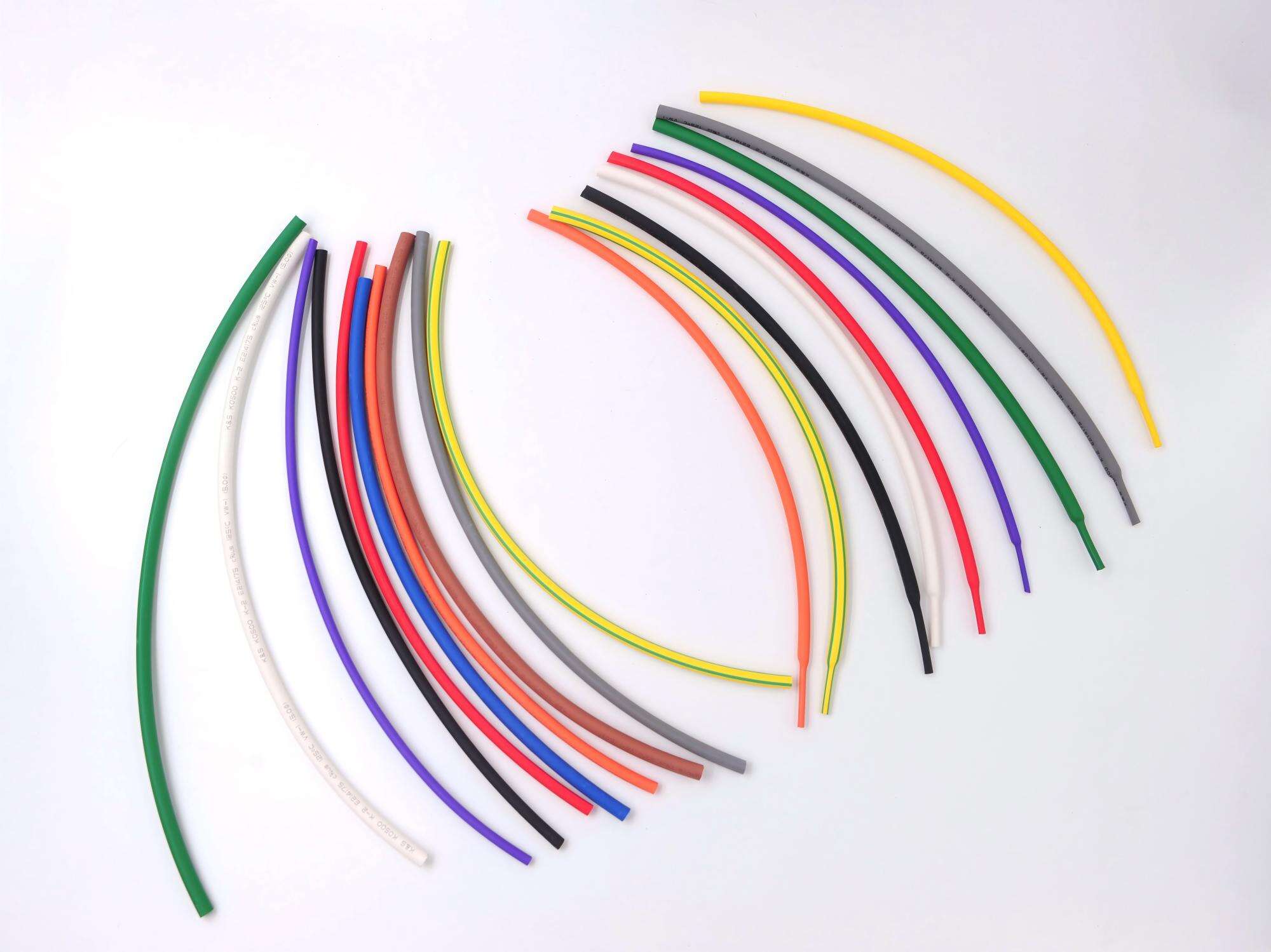
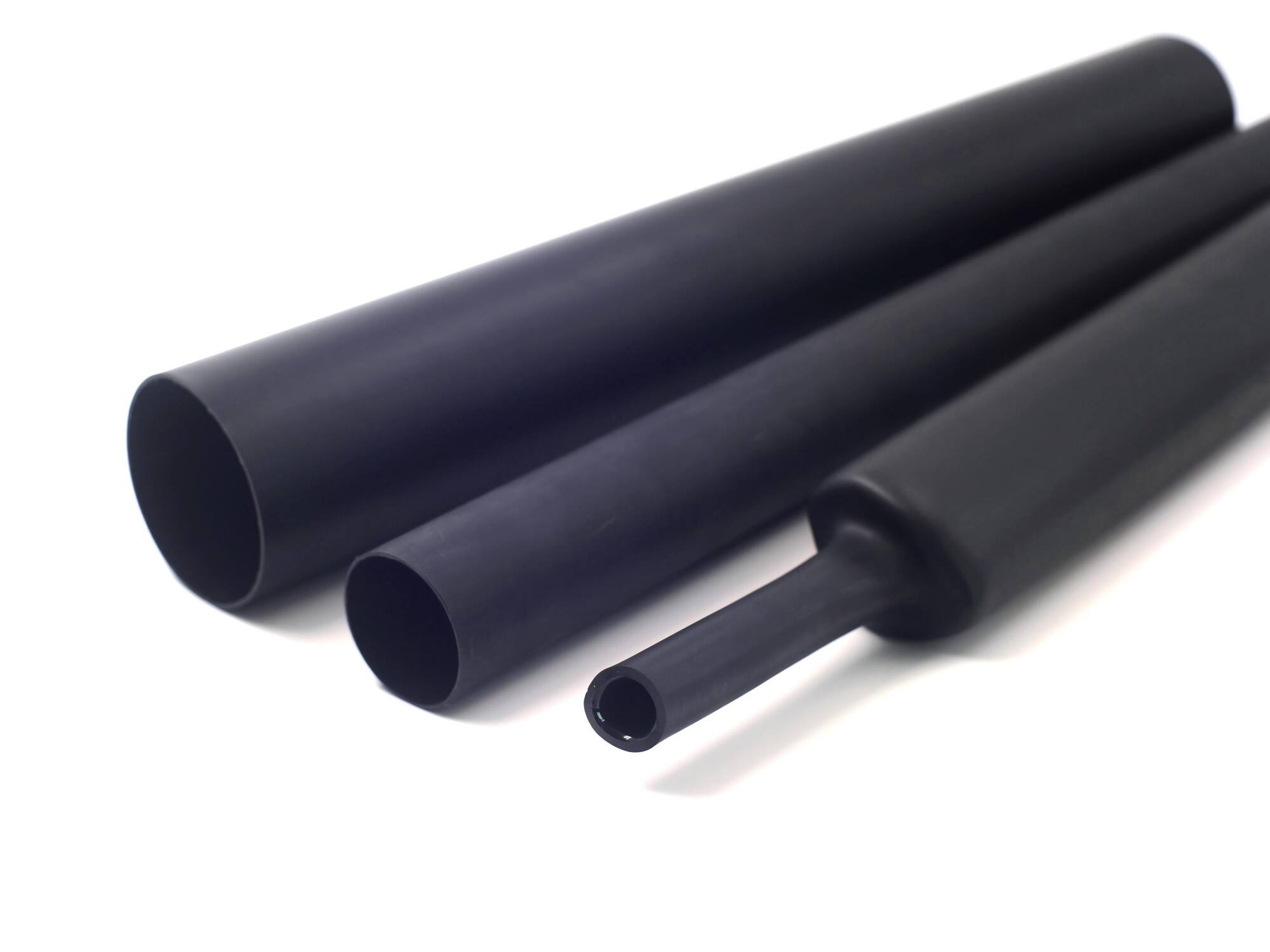
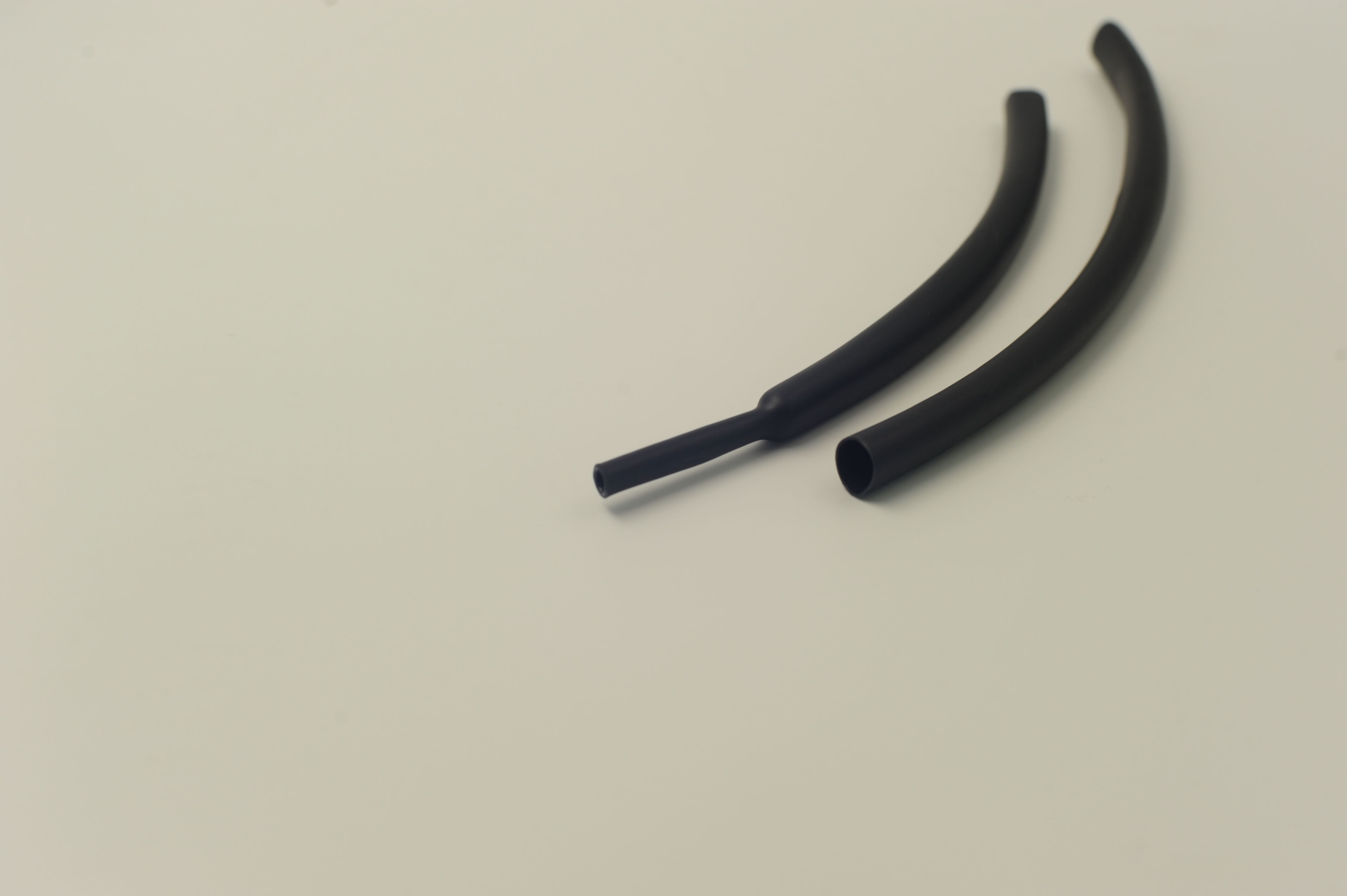
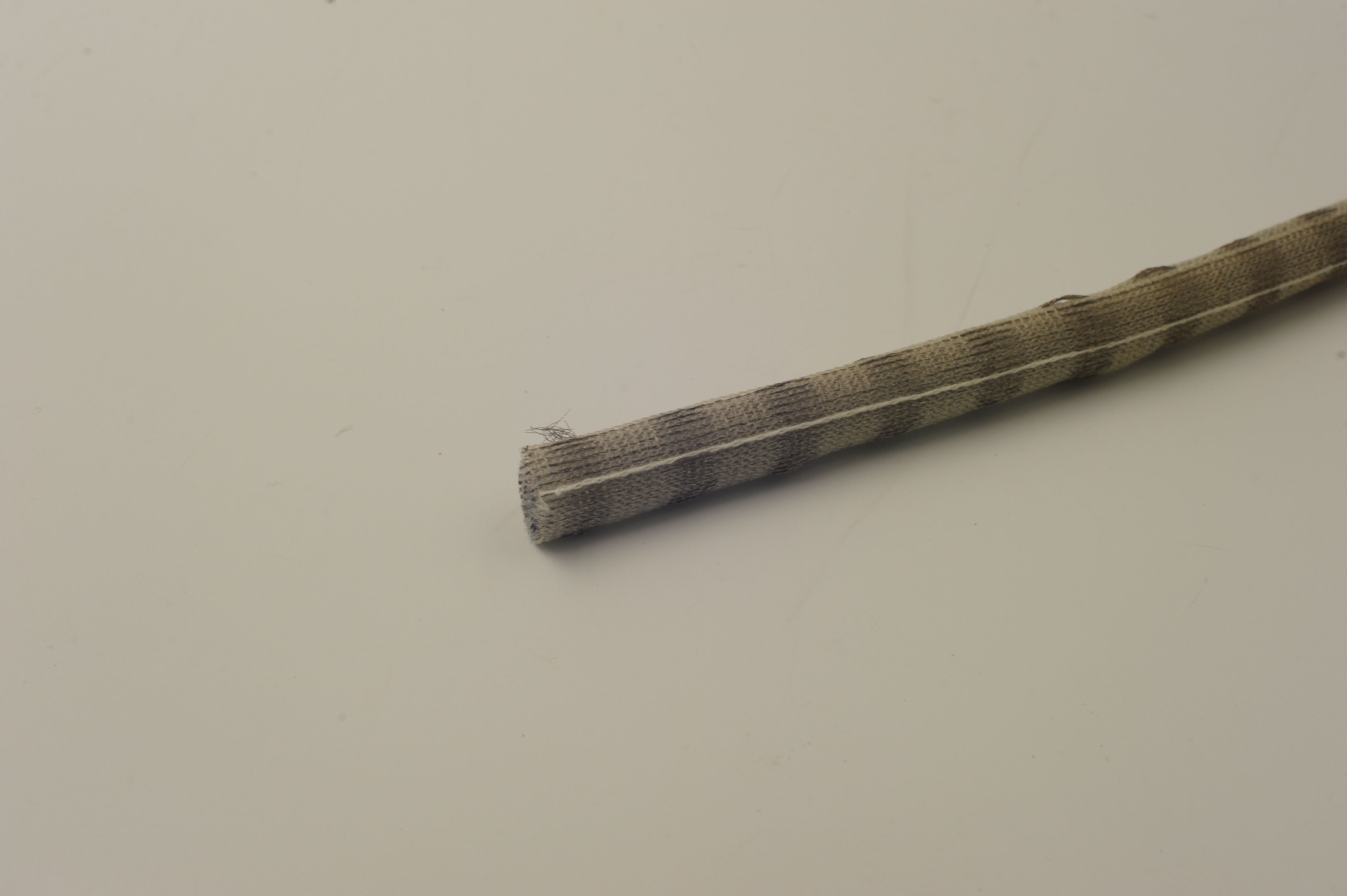
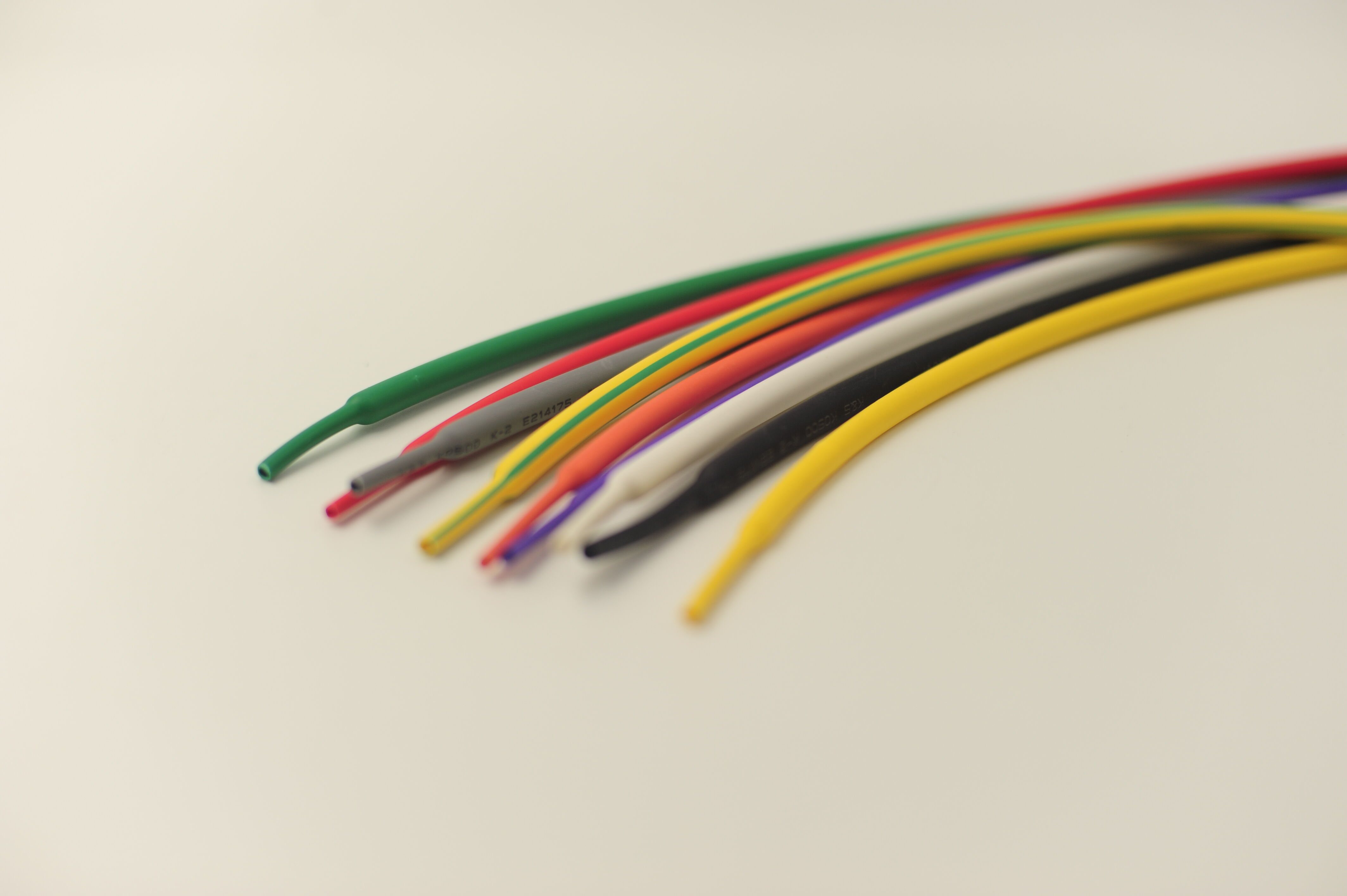
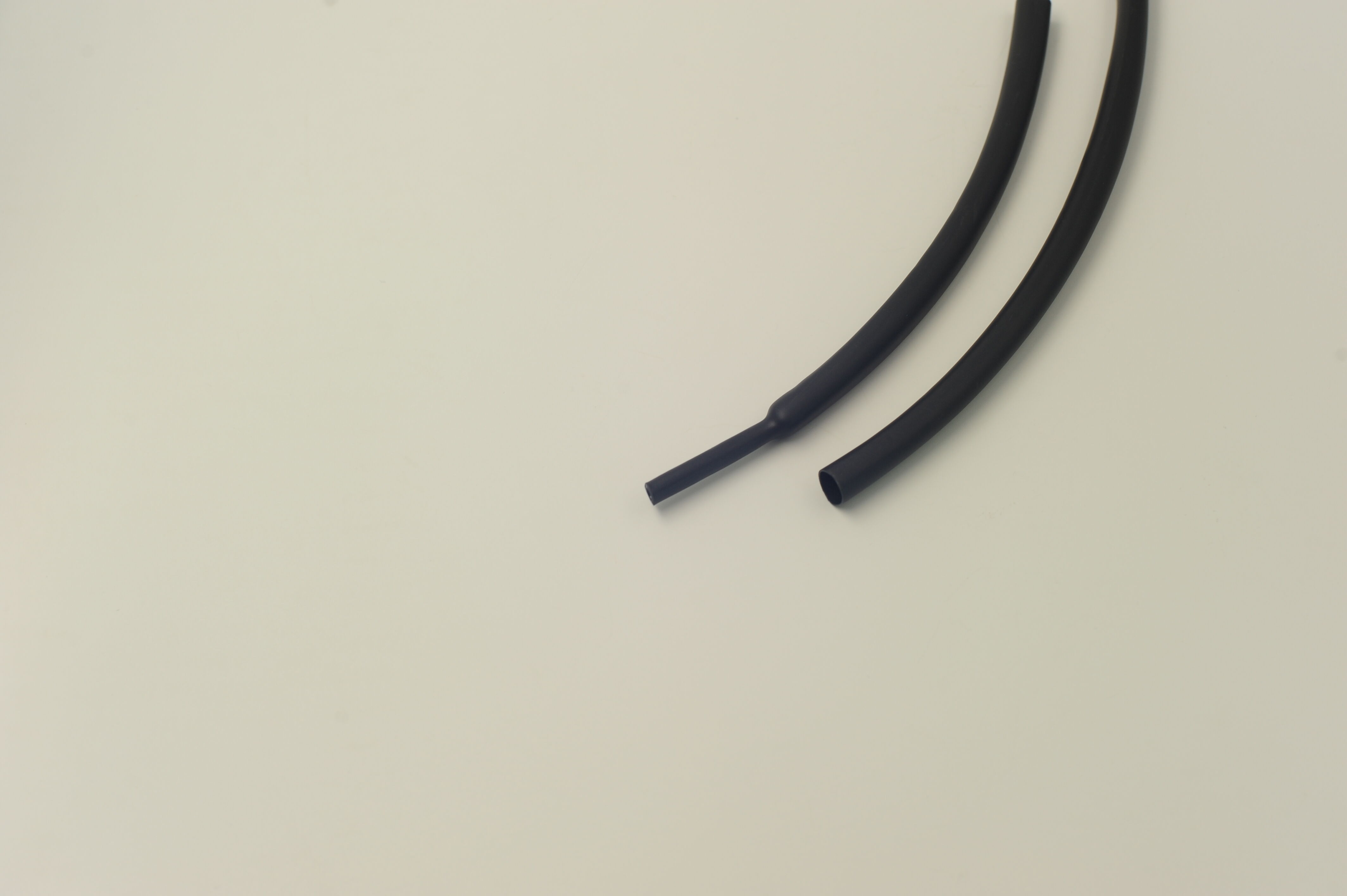
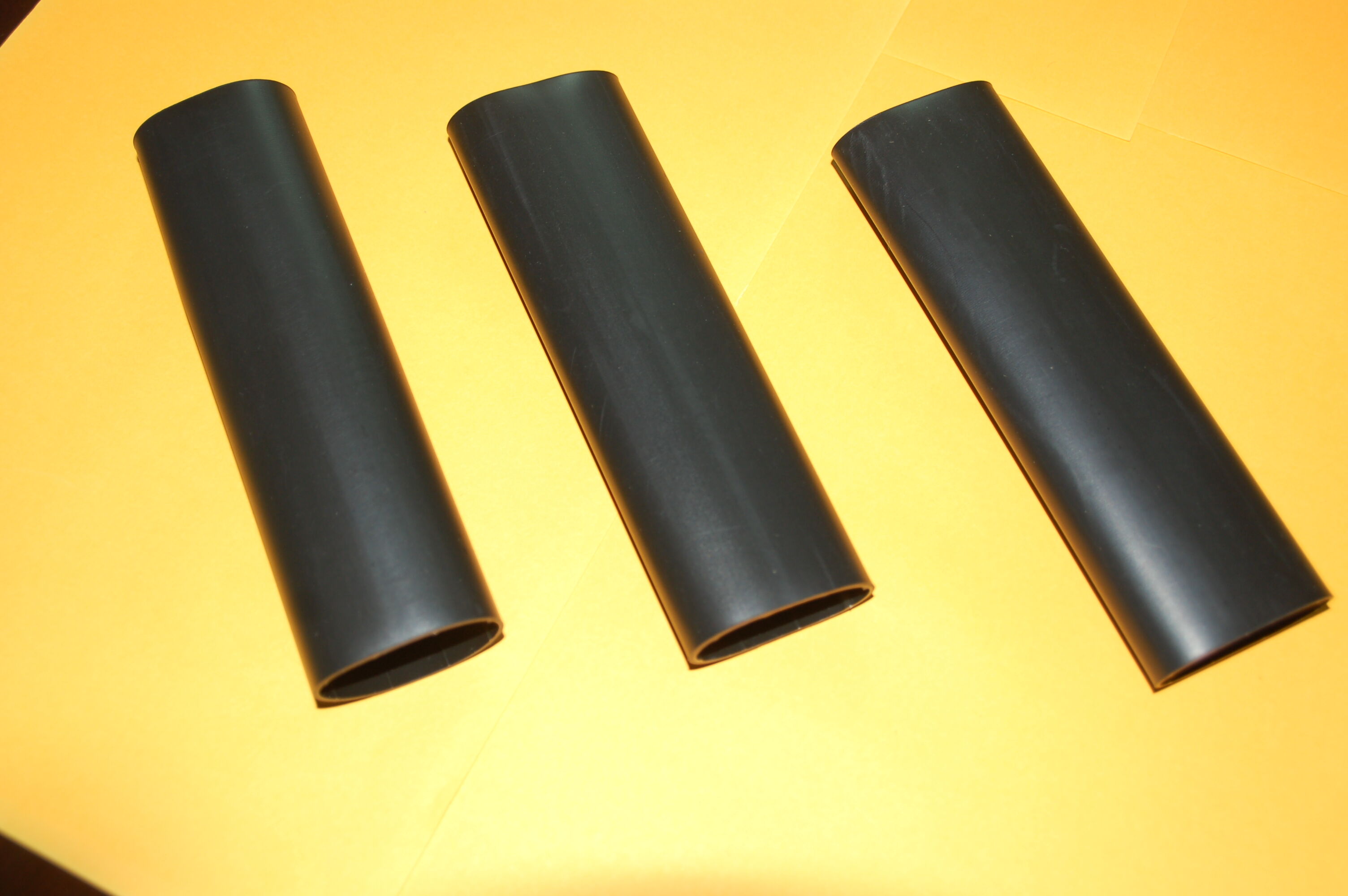
The chemical and environmental resistance characteristics of abrasion resistant heat shrink tubing provide comprehensive protection against a wide spectrum of industrial hazards and environmental conditions. This advanced material system incorporates specialized polymer formulations that resist degradation from oils, fuels, hydraulic fluids, cleaning solvents, and industrial chemicals commonly encountered in demanding applications. The molecular structure of the tubing creates a barrier that prevents chemical penetration while maintaining structural integrity and protective properties over extended exposure periods. Chemical processing facilities benefit significantly from this advanced resistance, as equipment cables frequently encounter aggressive chemicals that would quickly compromise standard protective materials. The tubing maintains its protective seal even when exposed to acids, bases, and organic solvents used in manufacturing processes. Pharmaceutical and food processing environments require materials that resist cleaning chemicals and sanitization procedures without degrading or contaminating products. The abrasion resistant heat shrink tubing meets stringent industry requirements for chemical compatibility while providing mechanical protection. Environmental resistance extends to outdoor applications where UV radiation, temperature extremes, and moisture create ongoing challenges for protective materials. The tubing incorporates UV stabilizers that prevent photodegradation, allowing reliable performance in direct sunlight exposure for years without cracking or becoming brittle. This UV resistance proves essential for telecommunications infrastructure, solar installations, and outdoor industrial equipment where cable protection must withstand continuous sun exposure. Moisture resistance capabilities create an effective barrier against water ingress, humidity, and condensation that could compromise electrical systems. The heat-activated adhesive lining forms a moisture-proof seal that maintains its integrity even under pressure washing and high-humidity conditions. Marine environments present extreme moisture challenges, including salt spray and constant humidity, where the tubing provides reliable long-term protection for navigation and communication systems. Temperature cycling resistance allows the tubing to maintain its chemical resistance properties across wide temperature ranges without becoming brittle in cold conditions or softening in high temperatures. Industrial furnace applications showcase this capability, where cables near heating equipment experience extreme temperature variations while potentially encountering industrial lubricants and coolants. The tubing provides consistent protection regardless of thermal stress cycles. Fuel and oil resistance makes the material ideal for automotive and aviation applications where exposure to petroleum products is inevitable. Engine compartments present challenging environments where cables must resist fuel vapors, engine oils, and hydraulic fluids while maintaining electrical insulation and mechanical protection throughout the vehicle's operational life.

 EN
EN