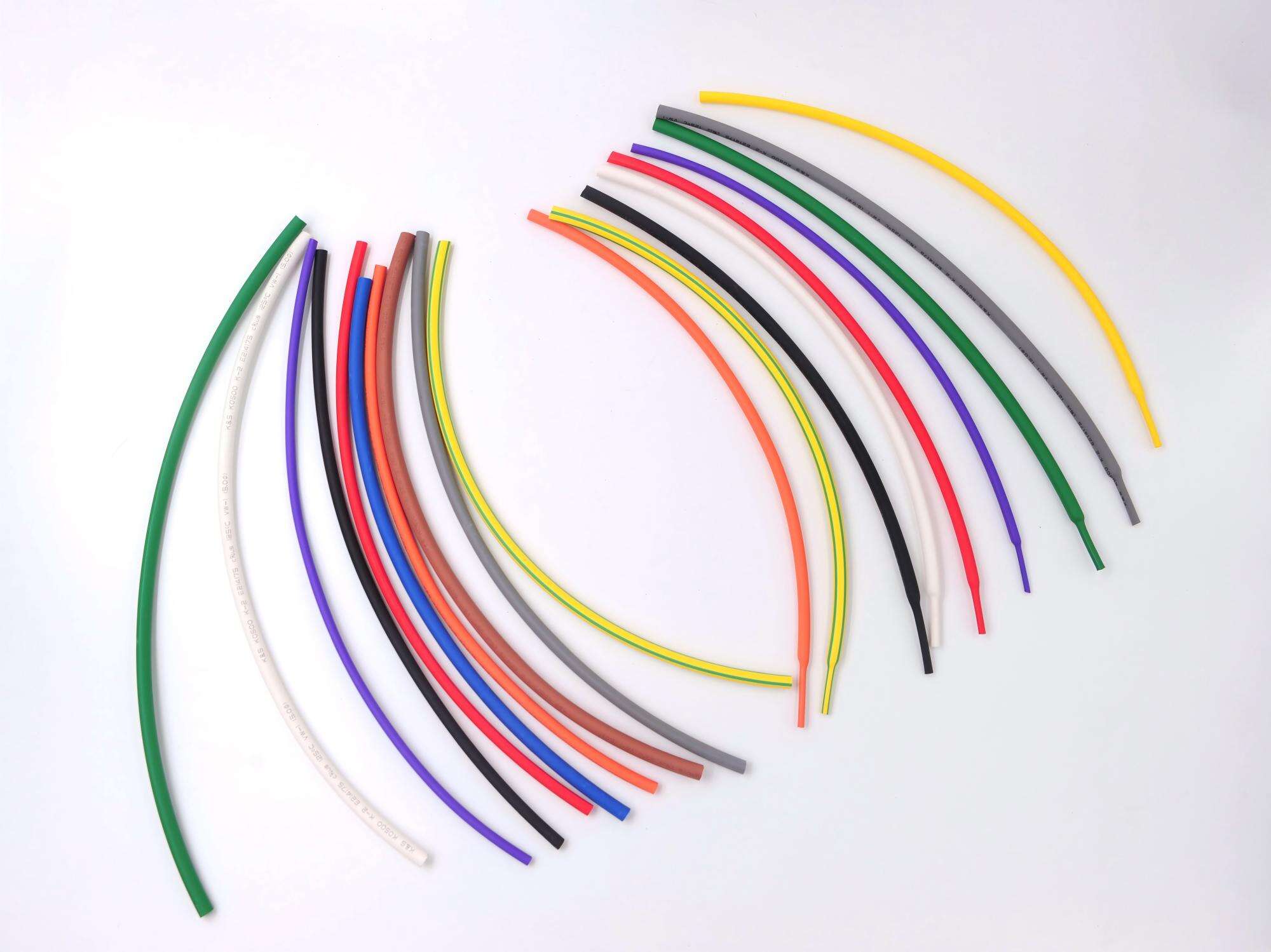
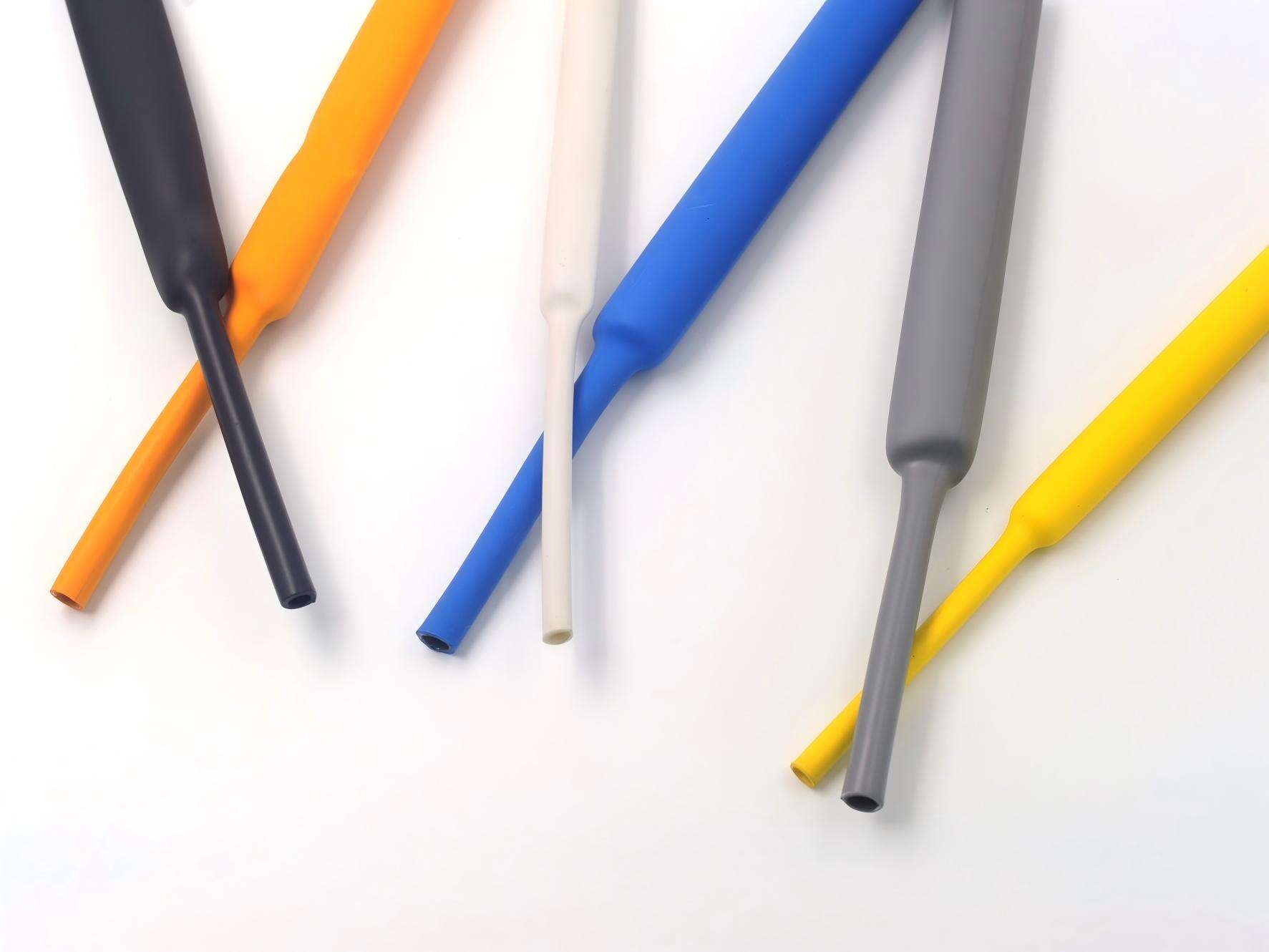
oil resistant heat shrink tubing
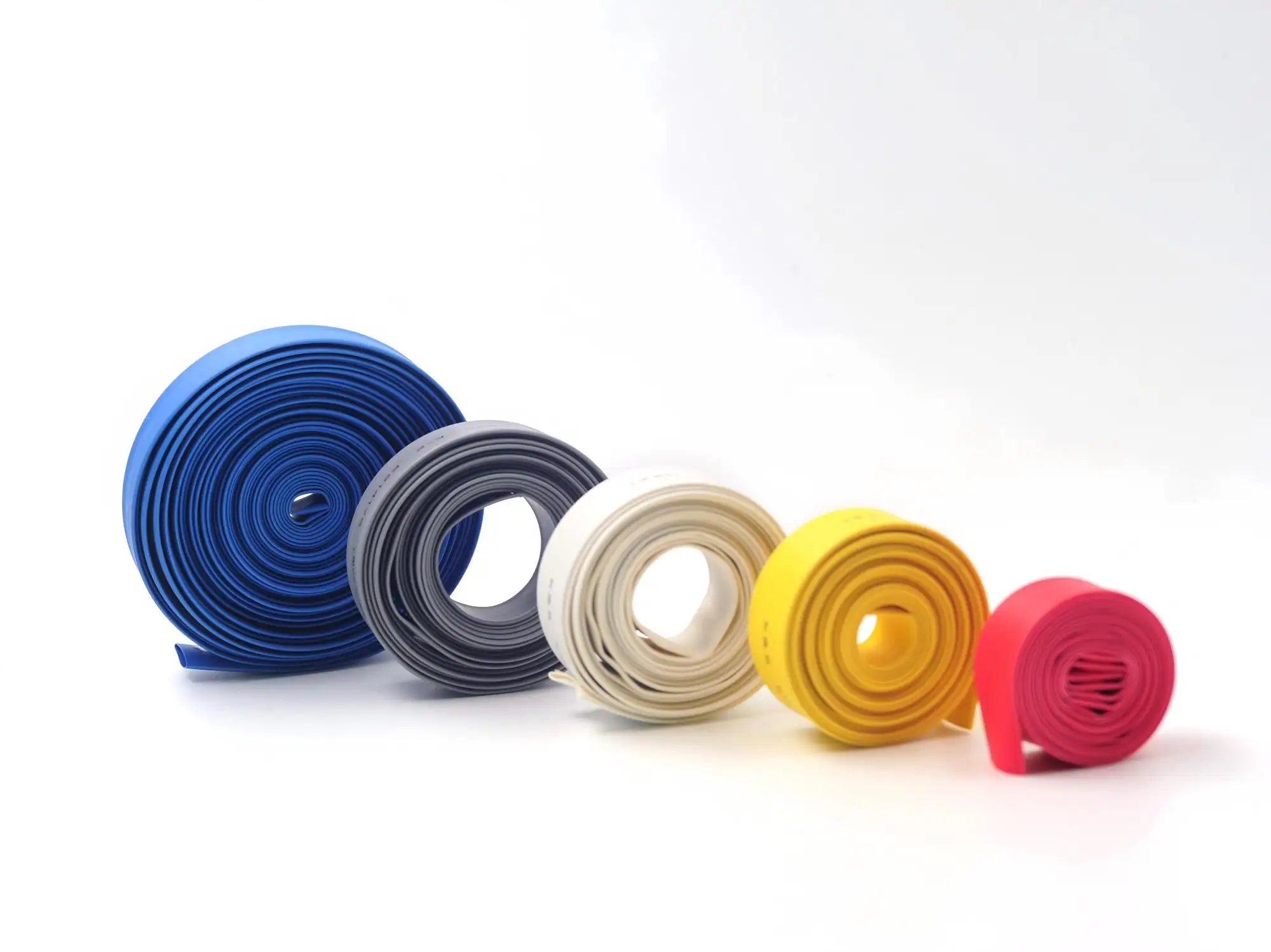
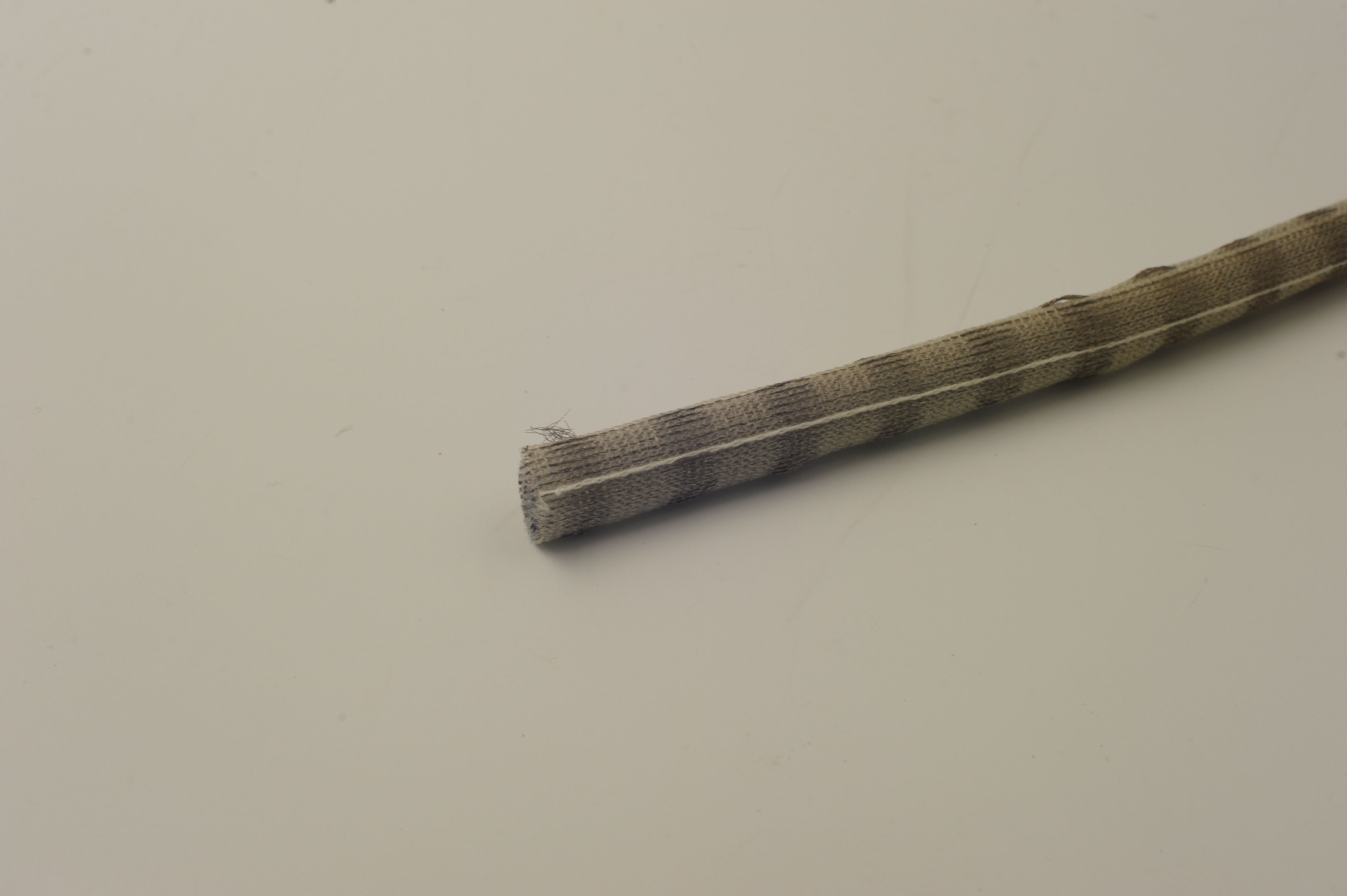
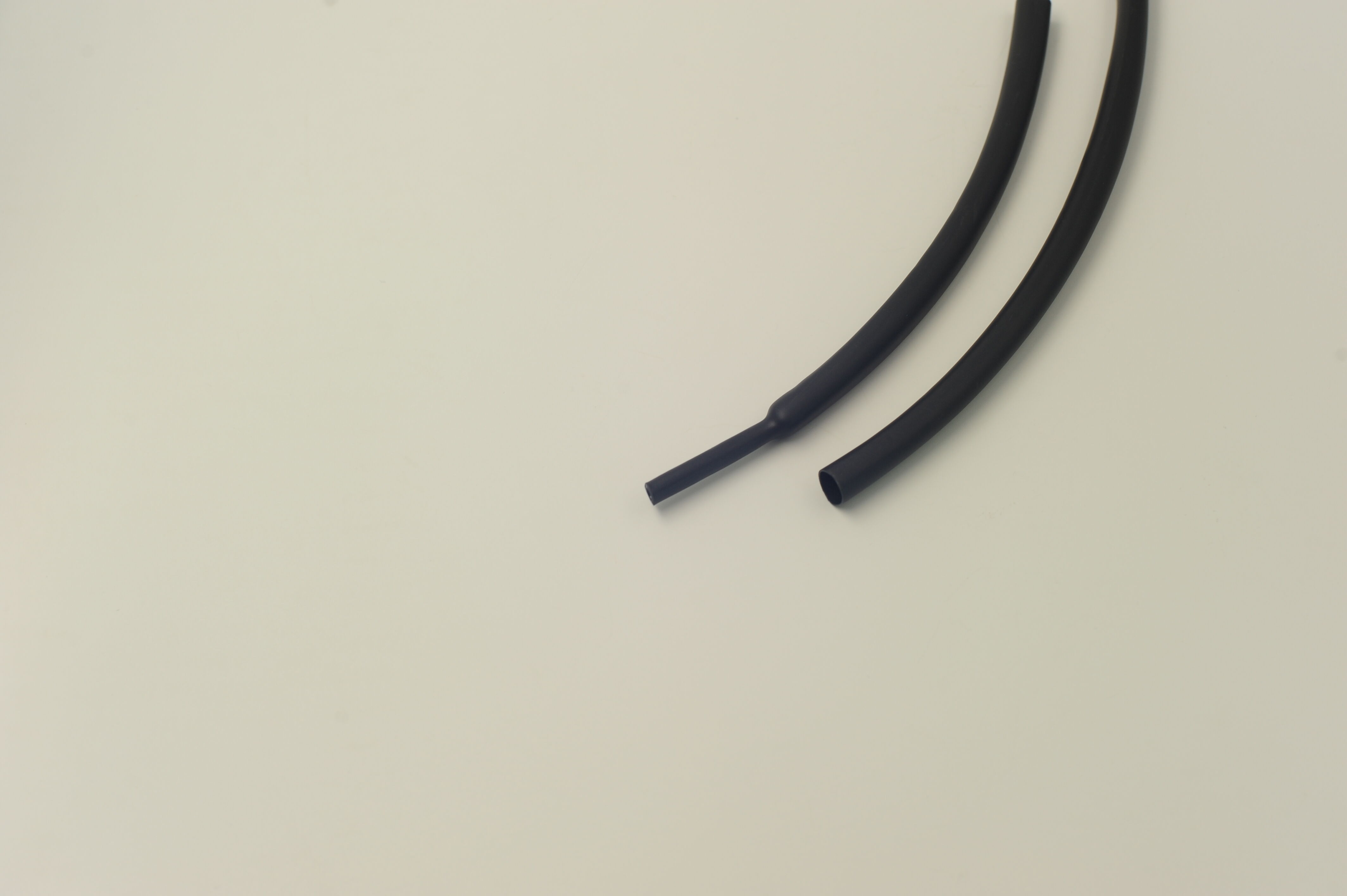
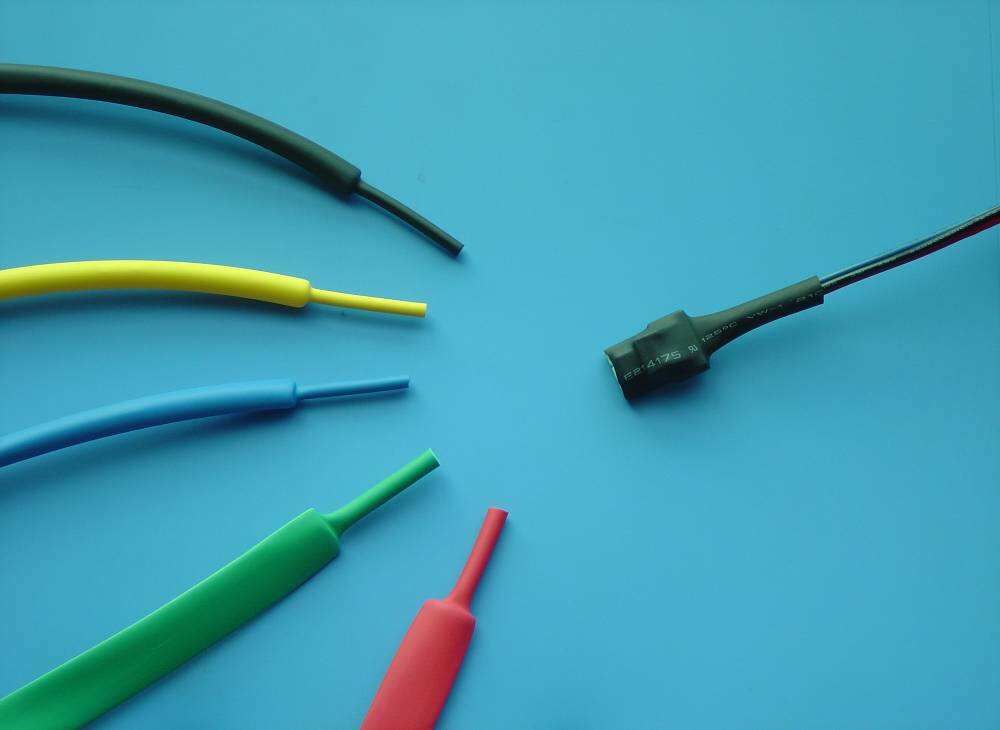
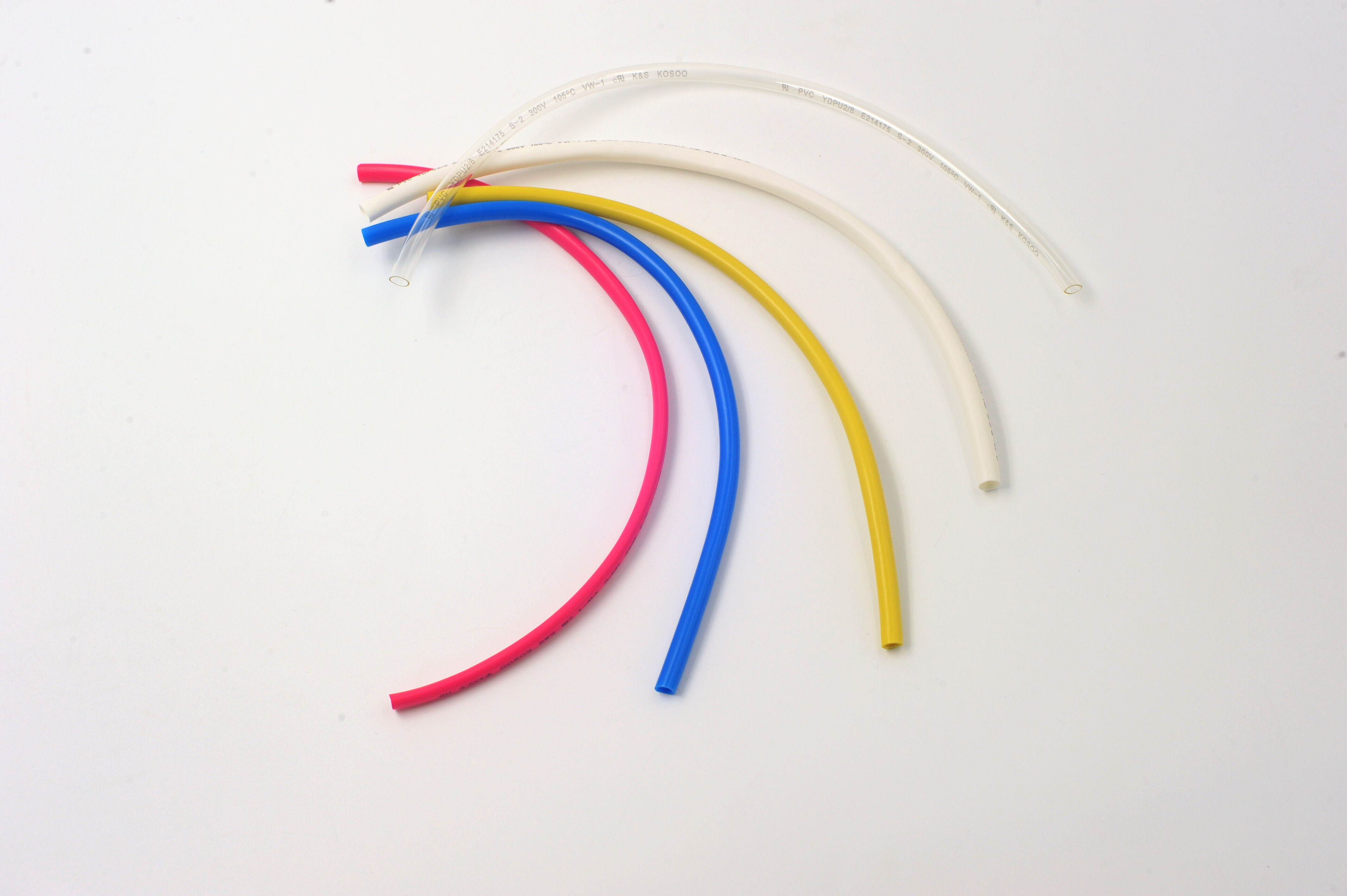
Oil resistant heat shrink tubing represents a specialized protective solution designed to safeguard electrical connections and components in demanding industrial environments. This advanced tubing combines the fundamental properties of traditional heat shrink materials with enhanced resistance to petroleum-based substances, making it an essential component for applications exposed to oils, fuels, and hydraulic fluids. The primary function of oil resistant heat shrink tubing involves creating a protective barrier that shields wiring harnesses, cable joints, and electronic components from environmental contaminants while maintaining electrical insulation integrity. The tubing operates through a controlled shrinking process activated by heat application, typically ranging from 120 to 200 degrees Celsius, depending on the specific material composition. Technological features include multi-layered polymer construction that incorporates specialized additives to prevent oil penetration and degradation. The inner adhesive layer forms a moisture-proof seal when heated, while the outer layer provides mechanical protection against abrasion, chemicals, and temperature fluctuations. Advanced formulations often include flame-retardant properties, ensuring compliance with safety standards in automotive, aerospace, and industrial applications. Key applications span across automotive wiring systems, marine electrical installations, heavy machinery maintenance, and petroleum industry equipment. In automotive sectors, oil resistant heat shrink tubing protects engine bay wiring from motor oils and transmission fluids. Marine applications benefit from its resistance to fuel and hydraulic systems common in boats and offshore equipment. Industrial machinery operators rely on this tubing to maintain electrical connections in oil-rich environments such as manufacturing plants, mining operations, and construction equipment. The tubing's versatility extends to repair and maintenance scenarios where existing cable assemblies require retrofitting with oil-resistant protection, ensuring long-term reliability and reduced maintenance costs across diverse operational environments.

 EN
EN