heat resistant shrink tubing
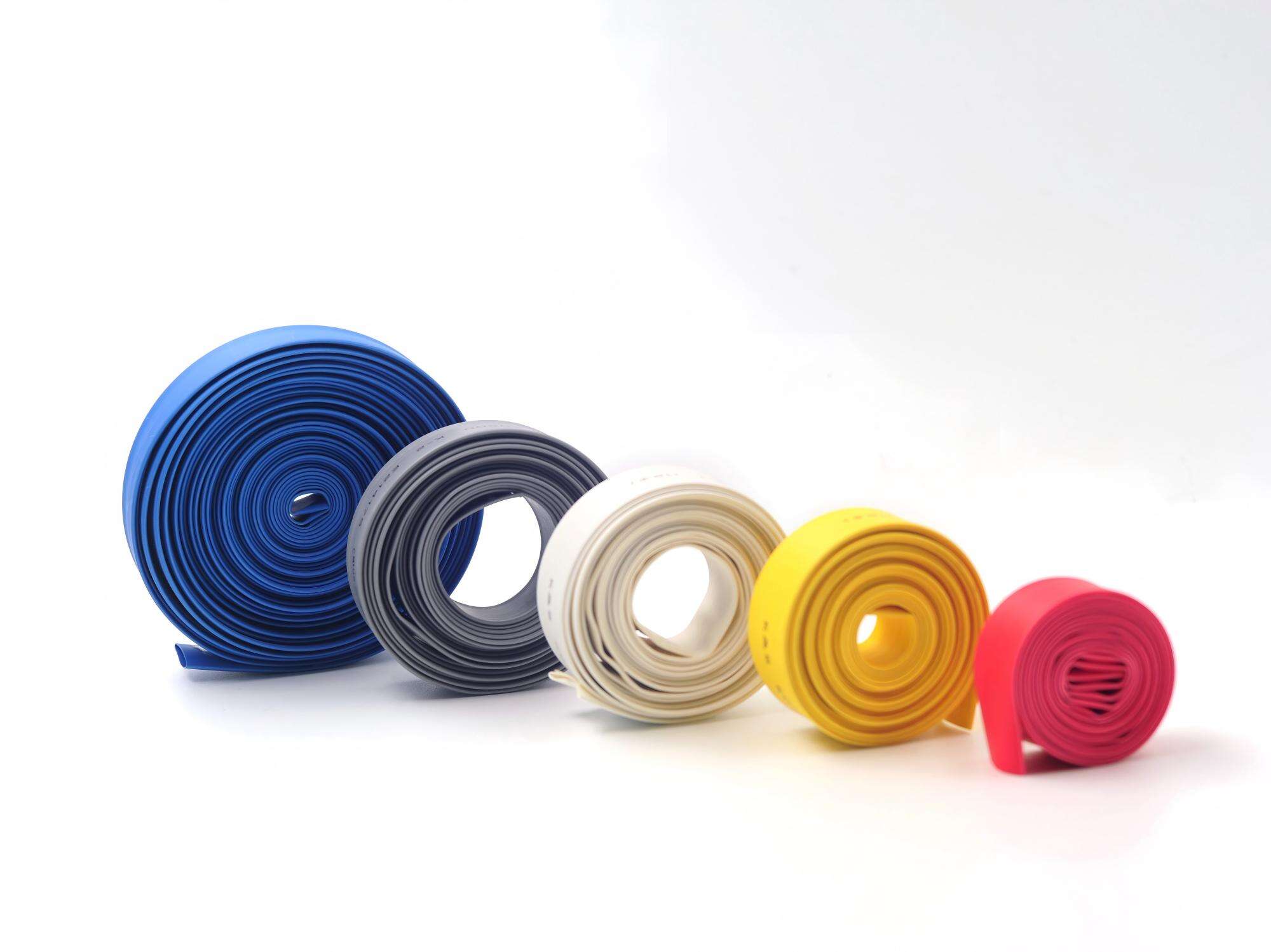
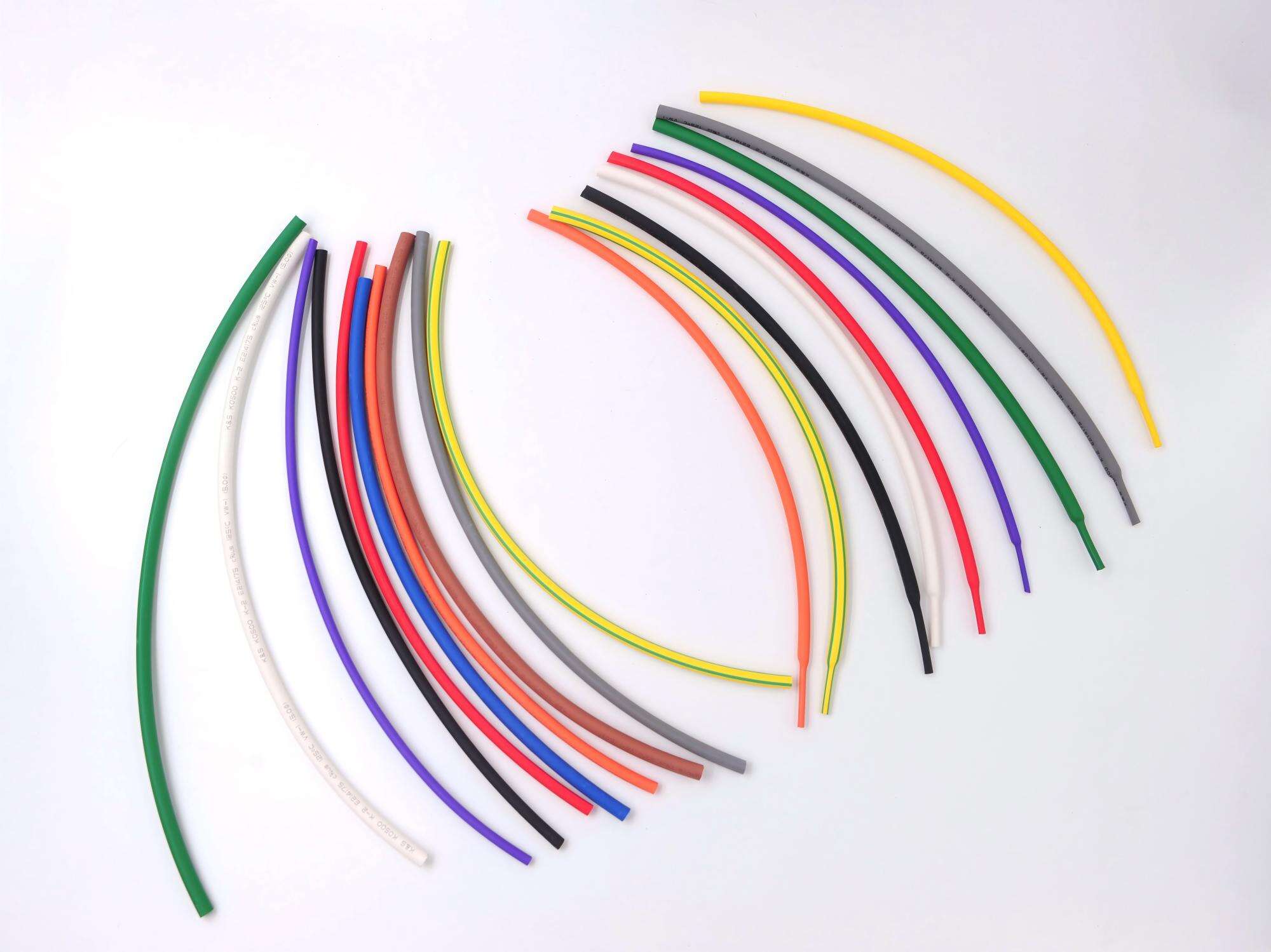
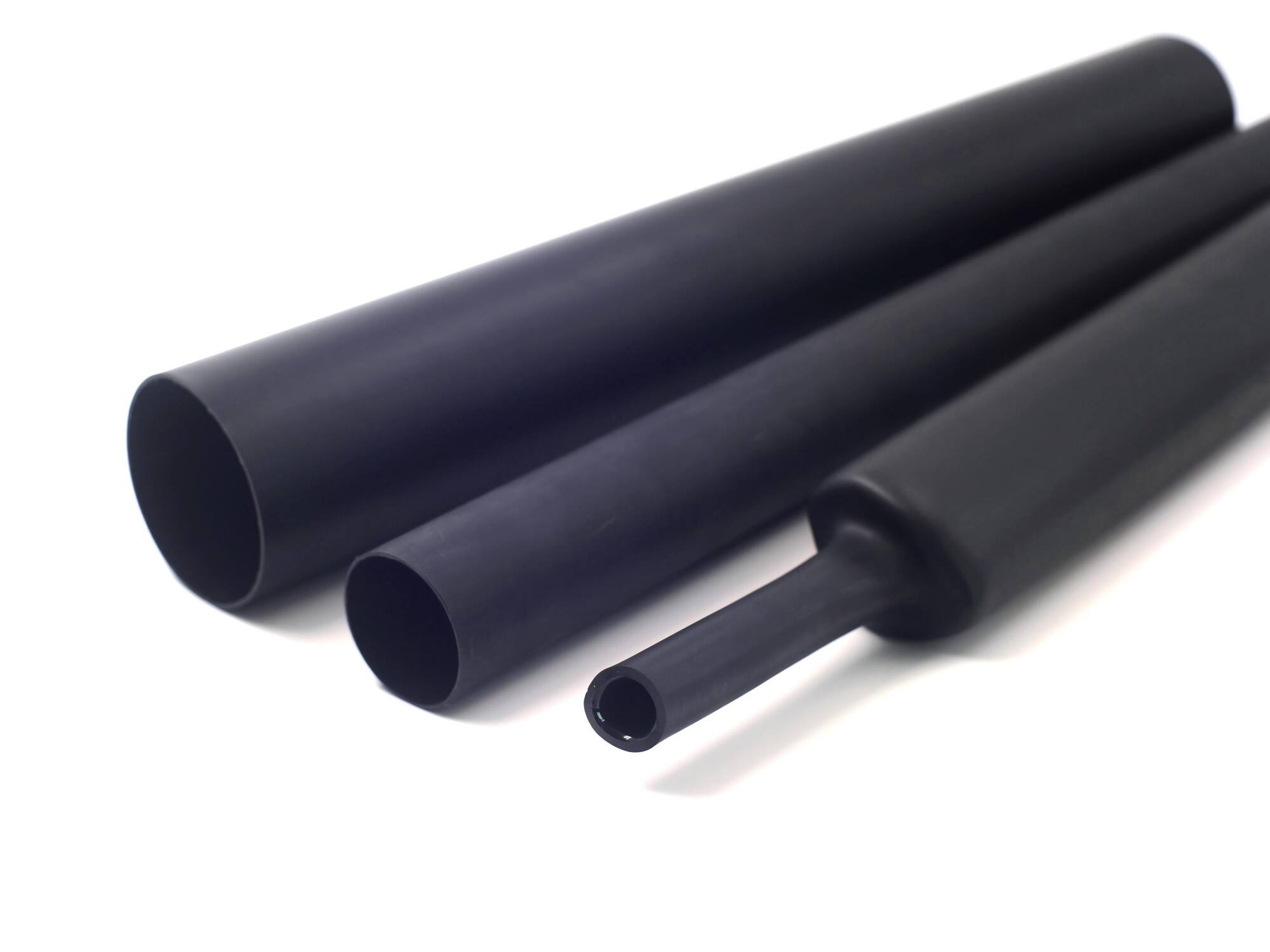
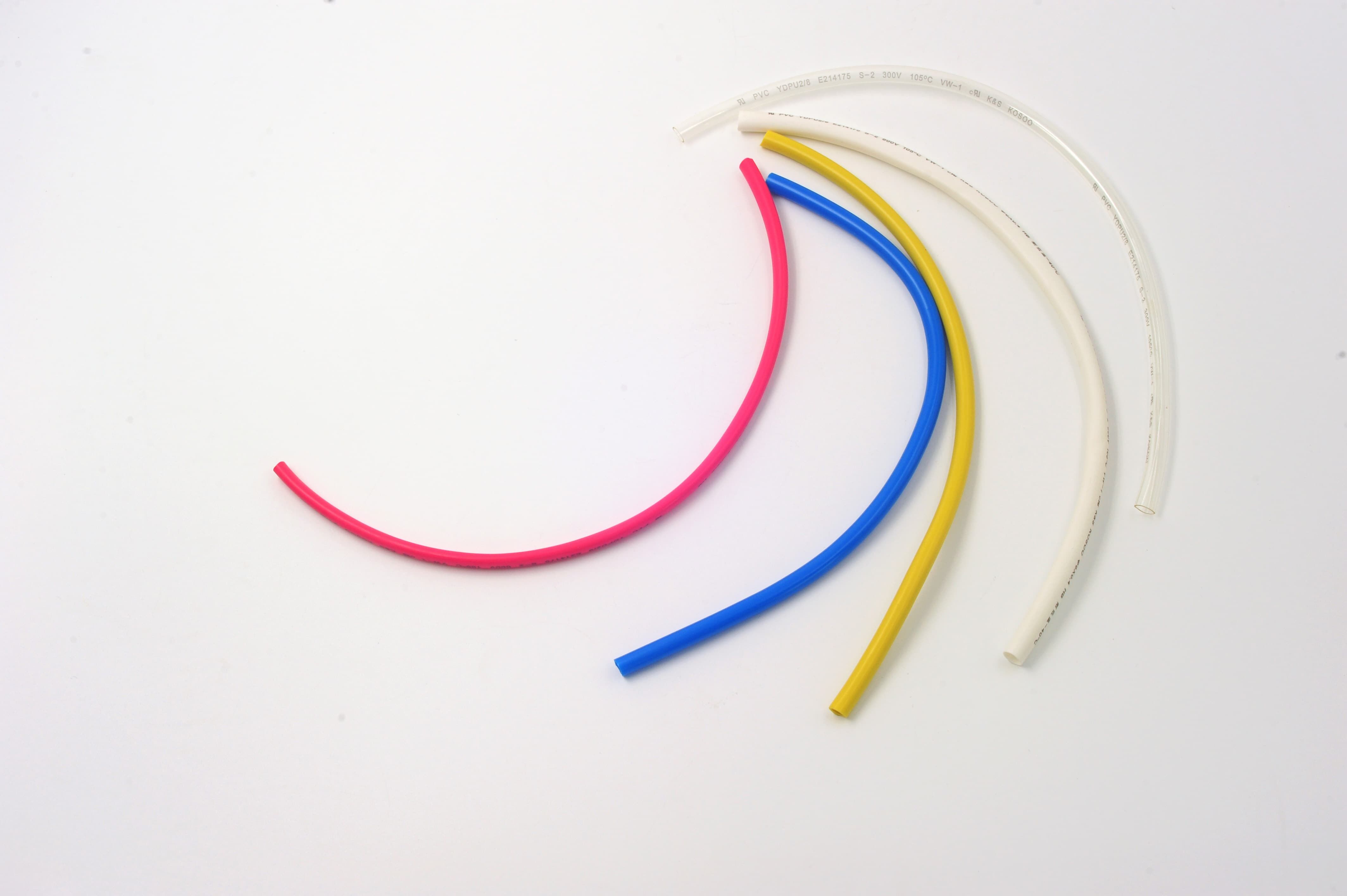
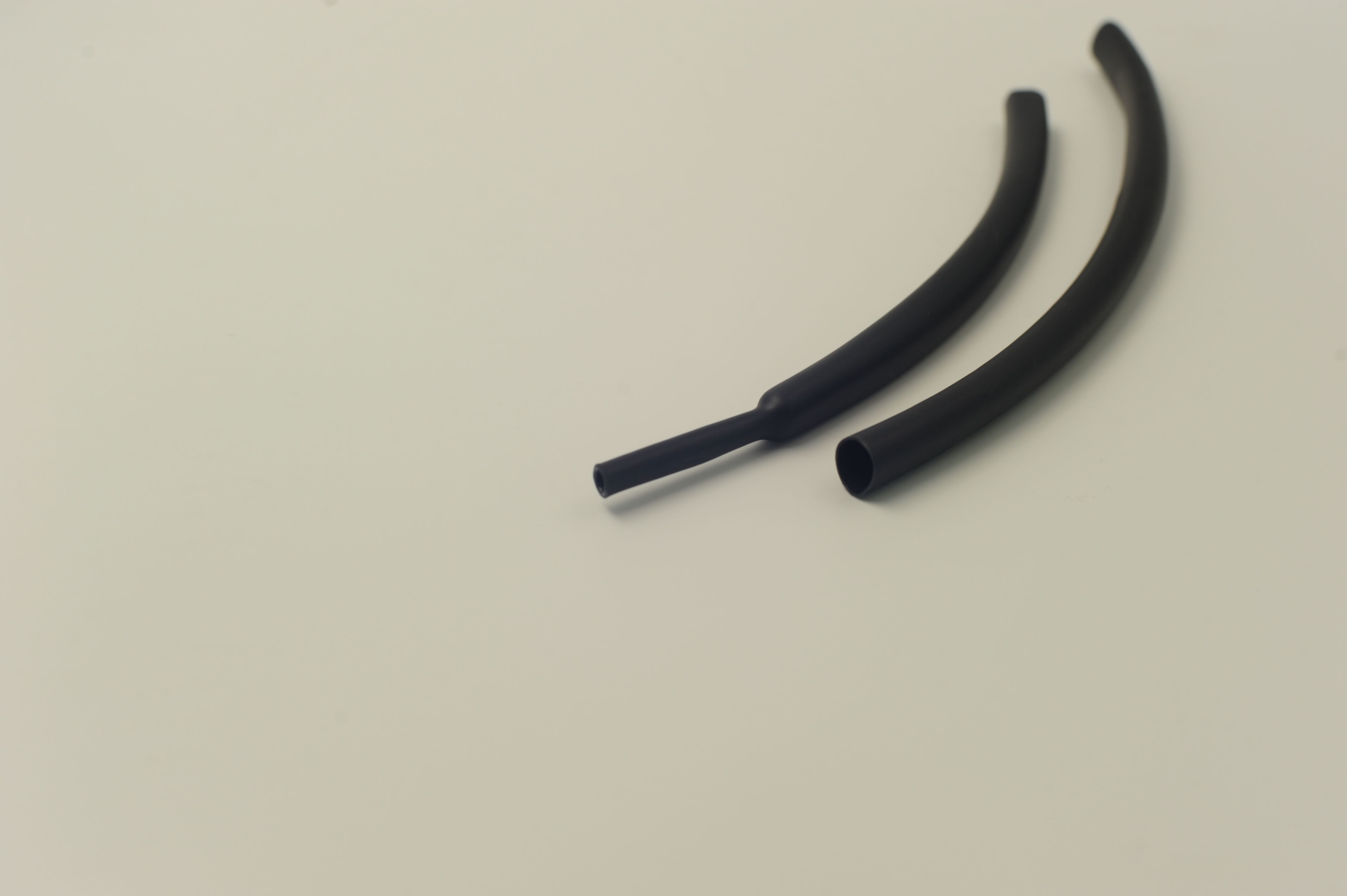
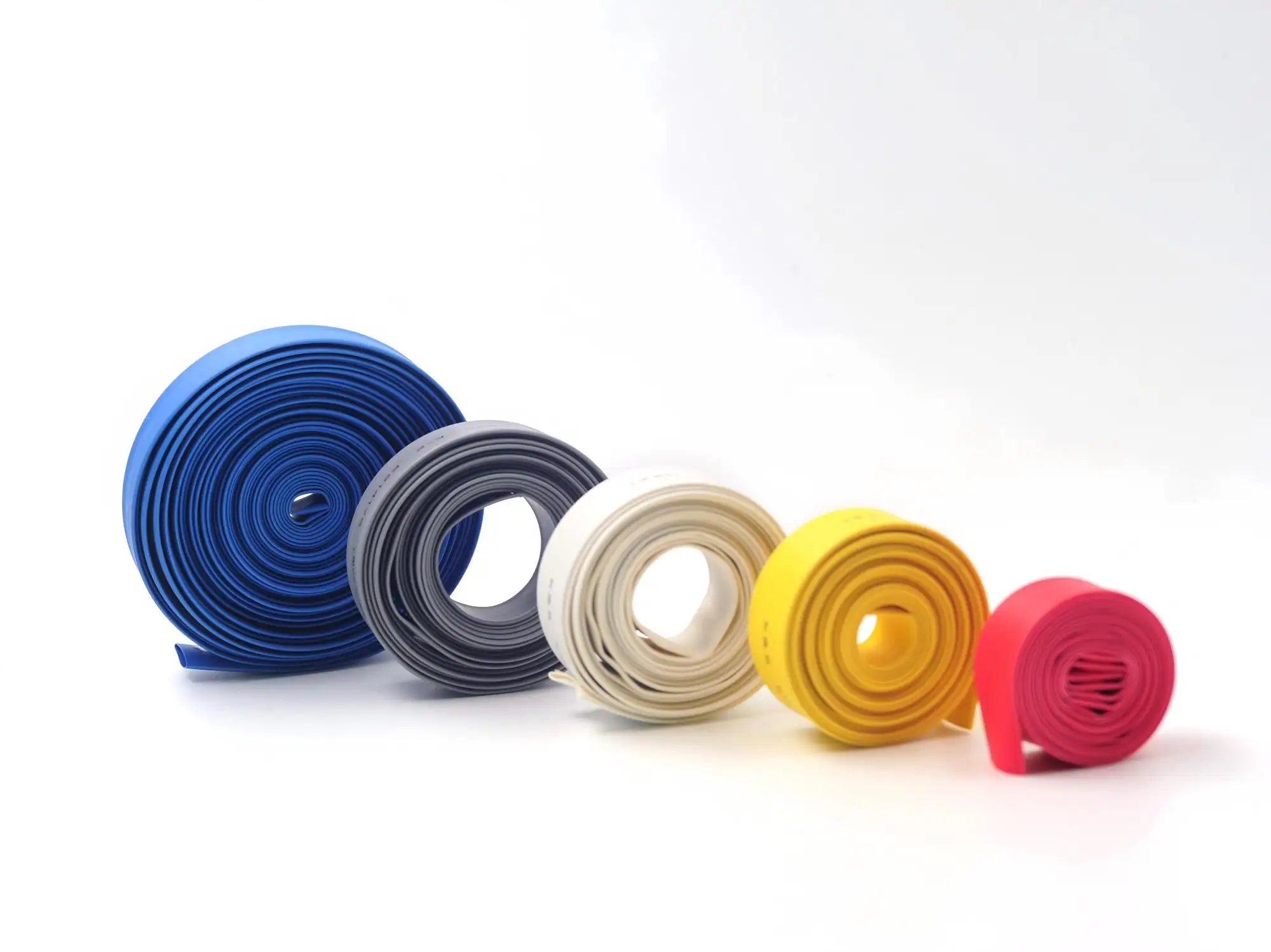
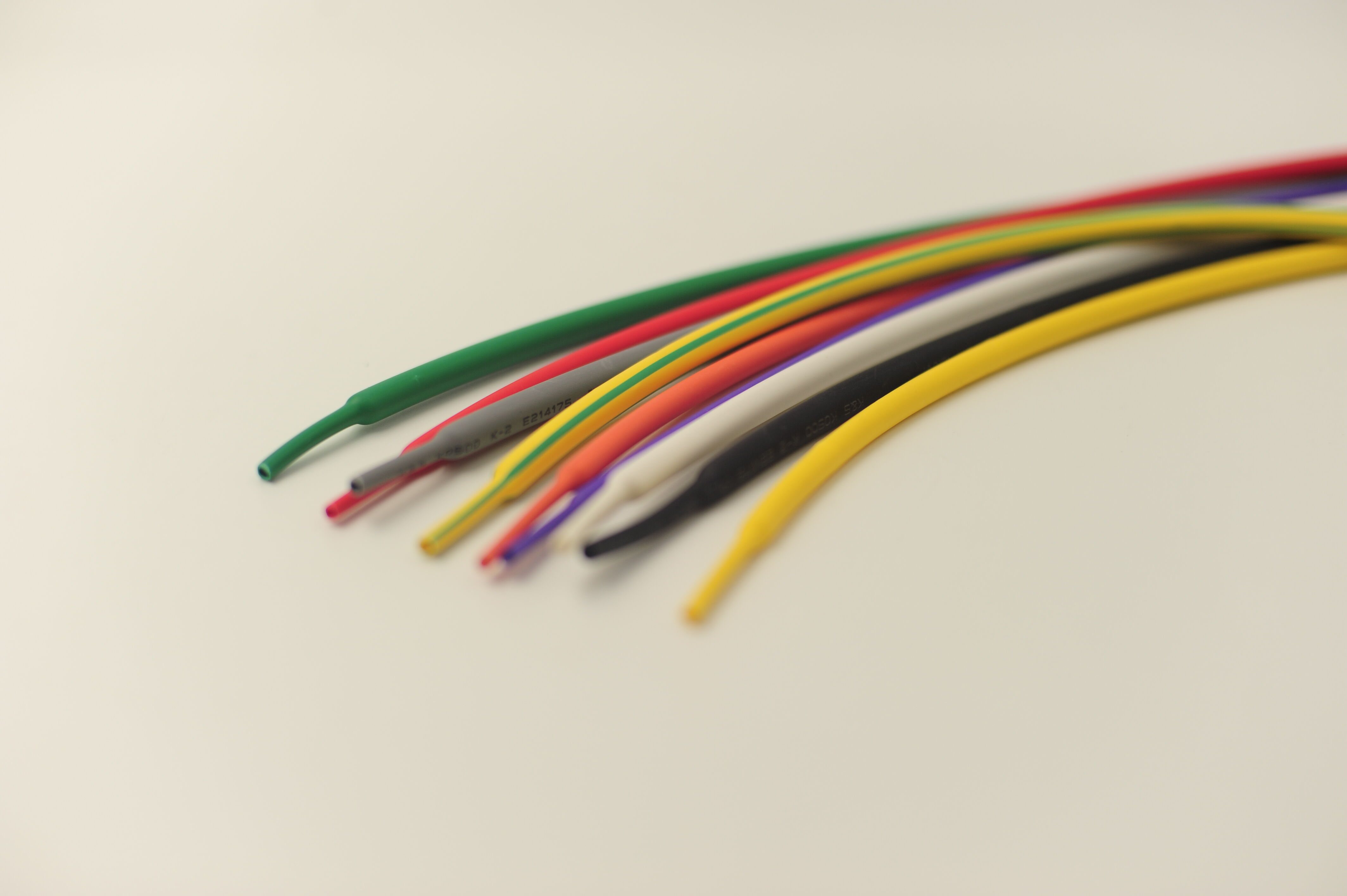
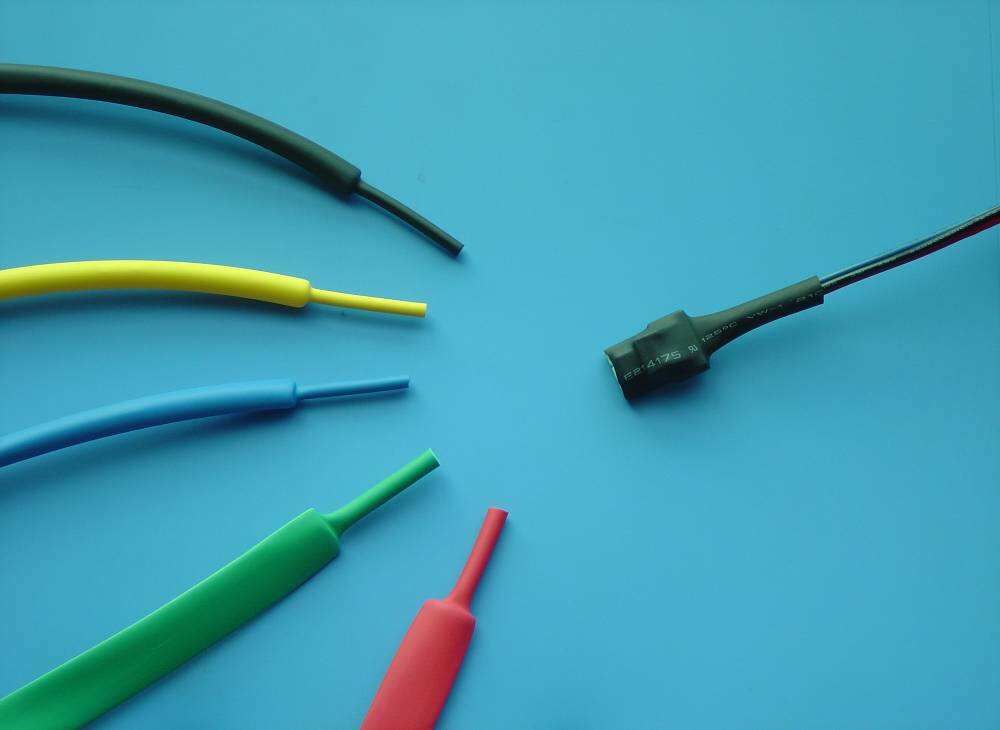
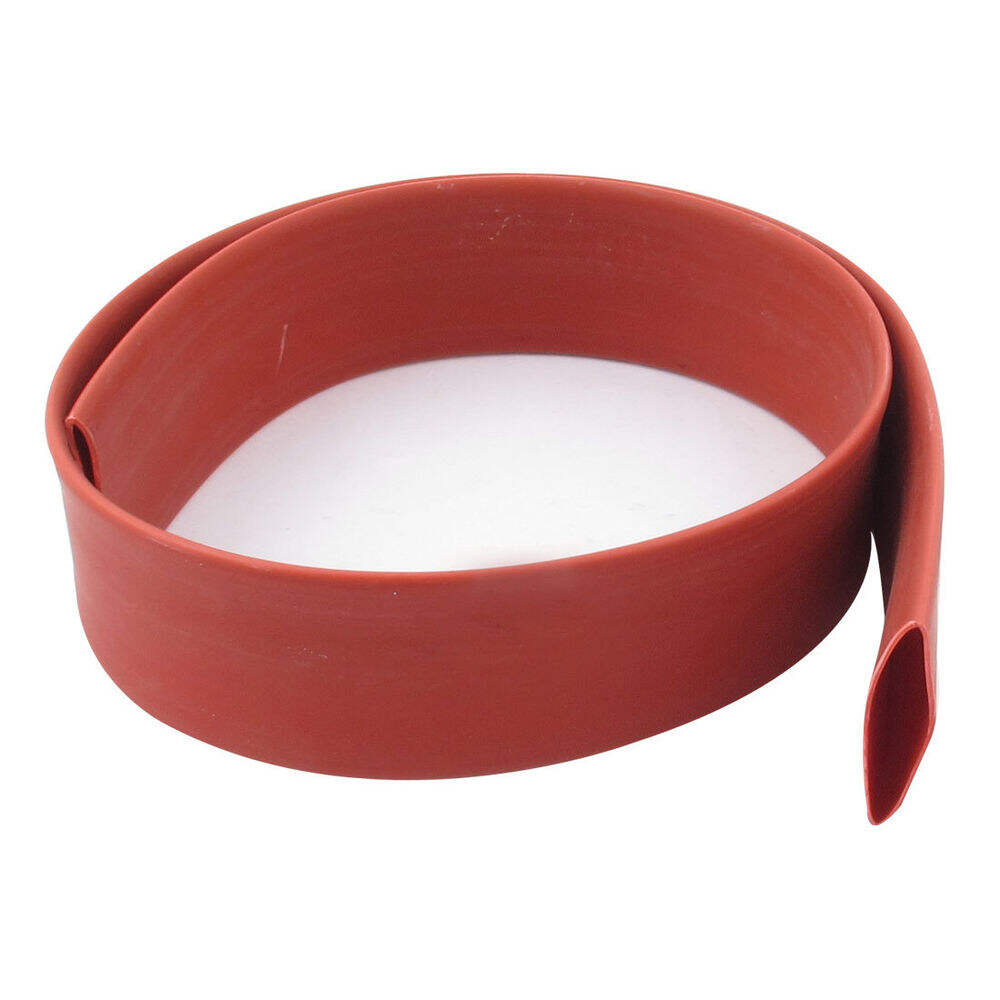
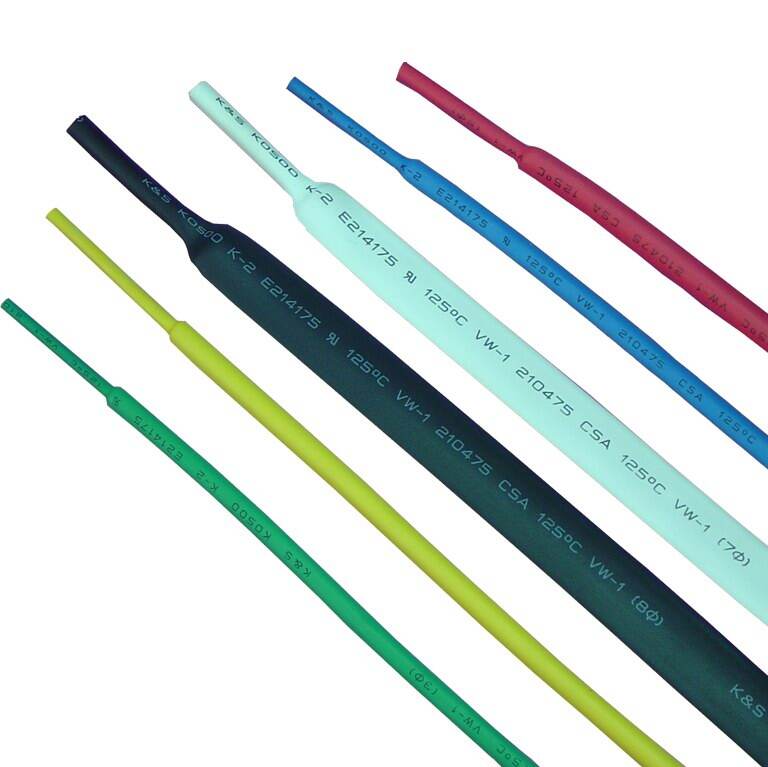
Heat resistant shrink tubing represents a crucial component in modern electrical and electronic applications where standard insulation materials fail to provide adequate protection. This specialized polymer tubing undergoes a unique manufacturing process that allows it to shrink uniformly when exposed to controlled heat, creating a tight, protective barrier around wires, cables, and connections. The primary function of heat resistant shrink tubing centers on providing superior insulation, mechanical protection, and environmental sealing in high-temperature environments where conventional materials would degrade or fail completely. The technological foundation of heat resistant shrink tubing relies on cross-linked polymer chemistry, typically utilizing materials such as polyolefin, fluoropolymer, or silicone compounds that maintain their structural integrity at elevated temperatures. These materials undergo electron beam cross-linking or chemical cross-linking processes during production, creating molecular bonds that enhance thermal stability and mechanical strength. The shrinkage mechanism activates when the tubing reaches specific temperature thresholds, causing the material to contract radially while maintaining its longitudinal dimensions. This controlled shrinkage ensures a secure fit around the protected component without compromising the underlying structure. Applications for heat resistant shrink tubing span numerous industries including aerospace, automotive, military, telecommunications, and industrial manufacturing. In aerospace applications, this tubing protects critical wiring systems in jet engines and spacecraft where temperatures can exceed 200 degrees Celsius. Automotive manufacturers utilize heat resistant shrink tubing near exhaust systems, engine compartments, and brake assemblies where extreme heat exposure is constant. Military and defense applications require this specialized tubing for field equipment, weaponry systems, and communication devices that must function reliably in harsh environmental conditions. The telecommunications industry depends on heat resistant shrink tubing for outdoor installations, underground cable systems, and equipment housed in extreme climate zones where temperature fluctuations demand exceptional thermal performance and long-term durability.

 EN
EN