Unmatched Temperature and Chemical Resistance Performance
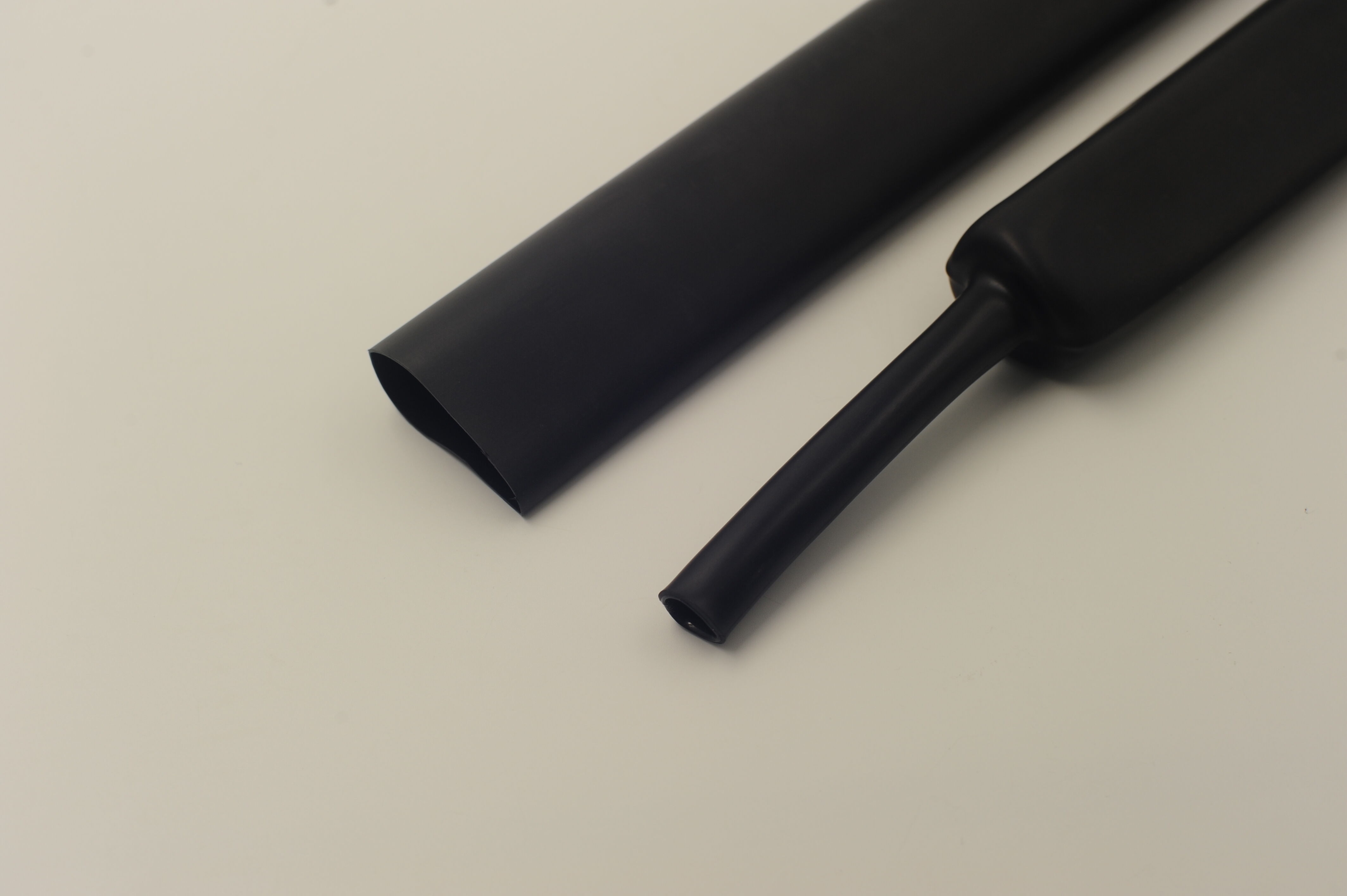
FEP shrink tubing delivers extraordinary resistance to both extreme temperatures and aggressive chemicals, making it the preferred choice for applications where conventional materials simply cannot survive. This remarkable performance stems from the unique molecular structure of fluorinated ethylene propylene, which provides exceptional stability across temperature ranges from -200°C to +200°C. Unlike standard shrink tubing materials that become rigid and crack in cold environments or soften and deform under heat, FEP shrink tubing maintains its flexibility, strength, and protective properties throughout this entire temperature spectrum. This consistency proves invaluable in applications such as cryogenic systems, where components must function reliably at liquid nitrogen temperatures, and high-temperature industrial processes where exposure to extreme heat is unavoidable. The chemical resistance of FEP shrink tubing surpasses that of most other polymer materials, offering protection against acids, bases, solvents, oils, fuels, and other aggressive substances that would quickly degrade conventional tubing. This resistance extends to oxidizing agents, reducing environments, and complex chemical mixtures commonly found in industrial processes. For customers operating in chemical processing plants, laboratories, or environments with exposure to corrosive substances, this resistance translates directly into reduced maintenance costs, longer service intervals, and improved safety margins. The combination of temperature and chemical resistance makes FEP shrink tubing particularly valuable in automotive under-hood applications, where components face simultaneous exposure to high temperatures, engine oils, gasoline, brake fluids, and cleaning chemicals. Aerospace applications benefit similarly, as aircraft systems encounter extreme temperature variations during flight cycles while potentially being exposed to hydraulic fluids, de-icing chemicals, and jet fuels. The long-term stability of these resistance properties ensures that protection remains effective throughout the product lifecycle, providing customers with confidence in their investment and reducing the total cost of ownership through extended service life and reduced replacement frequency.

 EN
EN