Premium Specialty Heat Shrink Tubing - Advanced Protection Solutions for Critical Applications

Get a Free Quote

Our representative will contact you soon.
Email
Name
Company Name
Message
0/1000

specialty heat shrink tubing

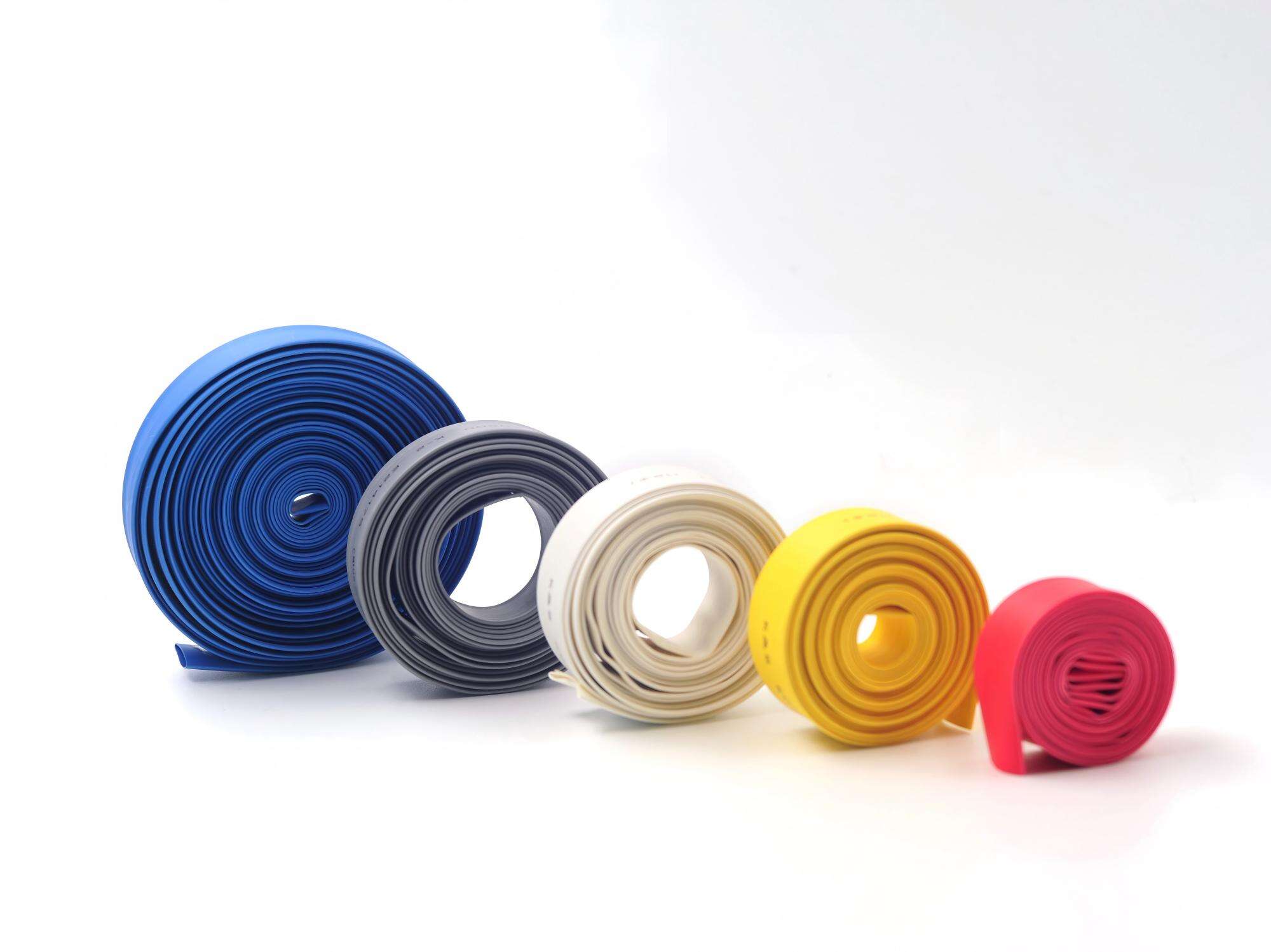
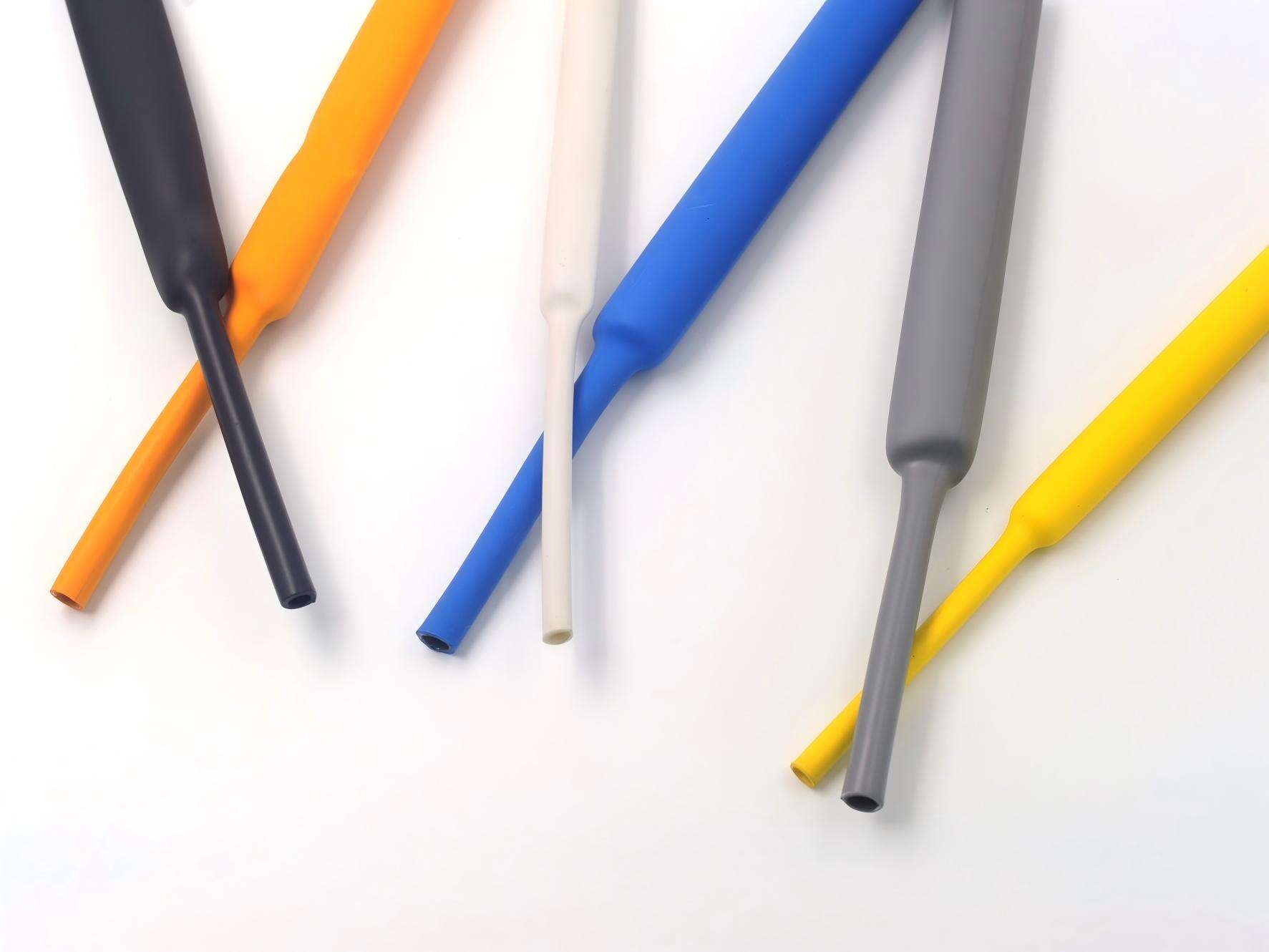
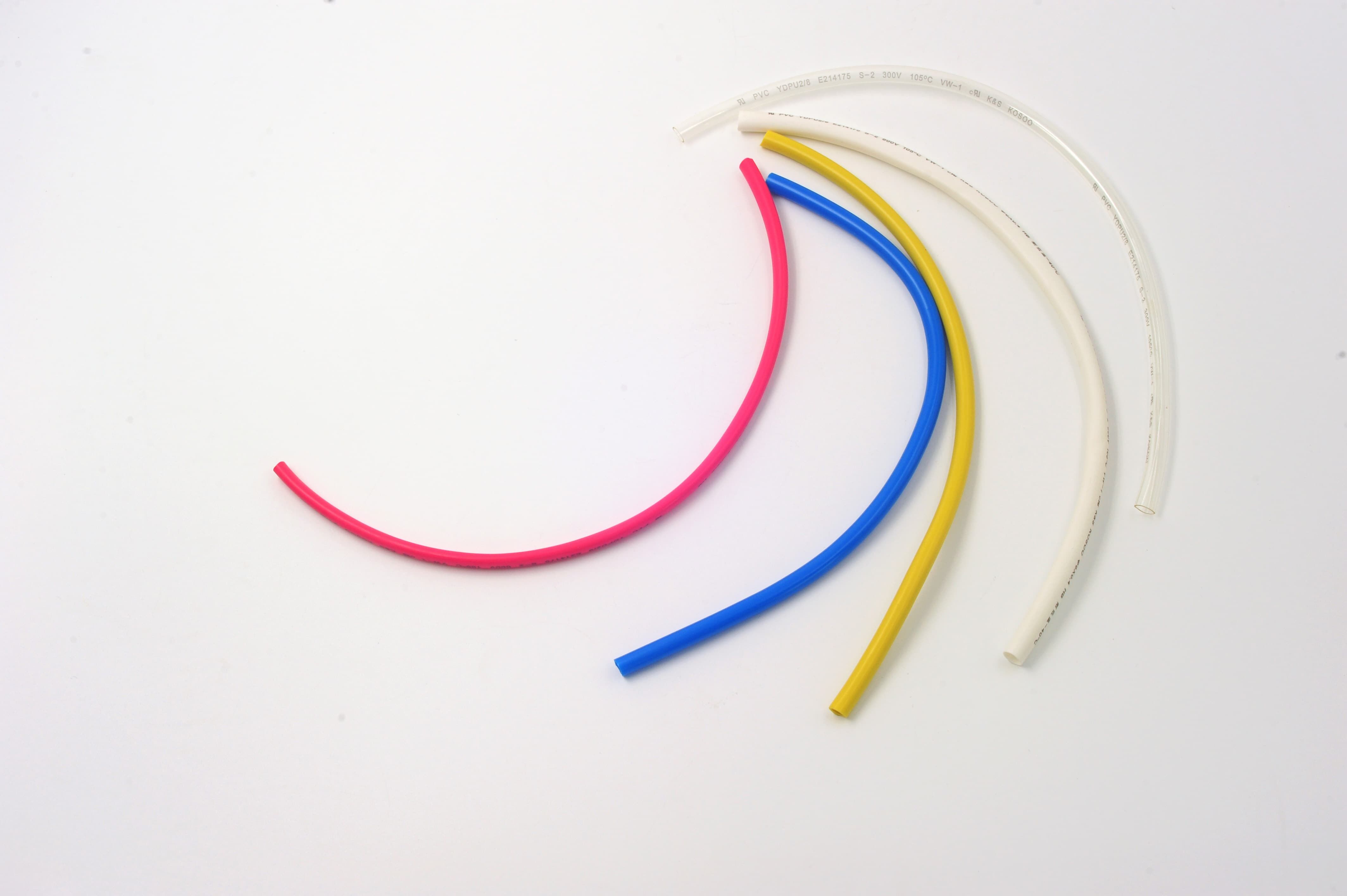
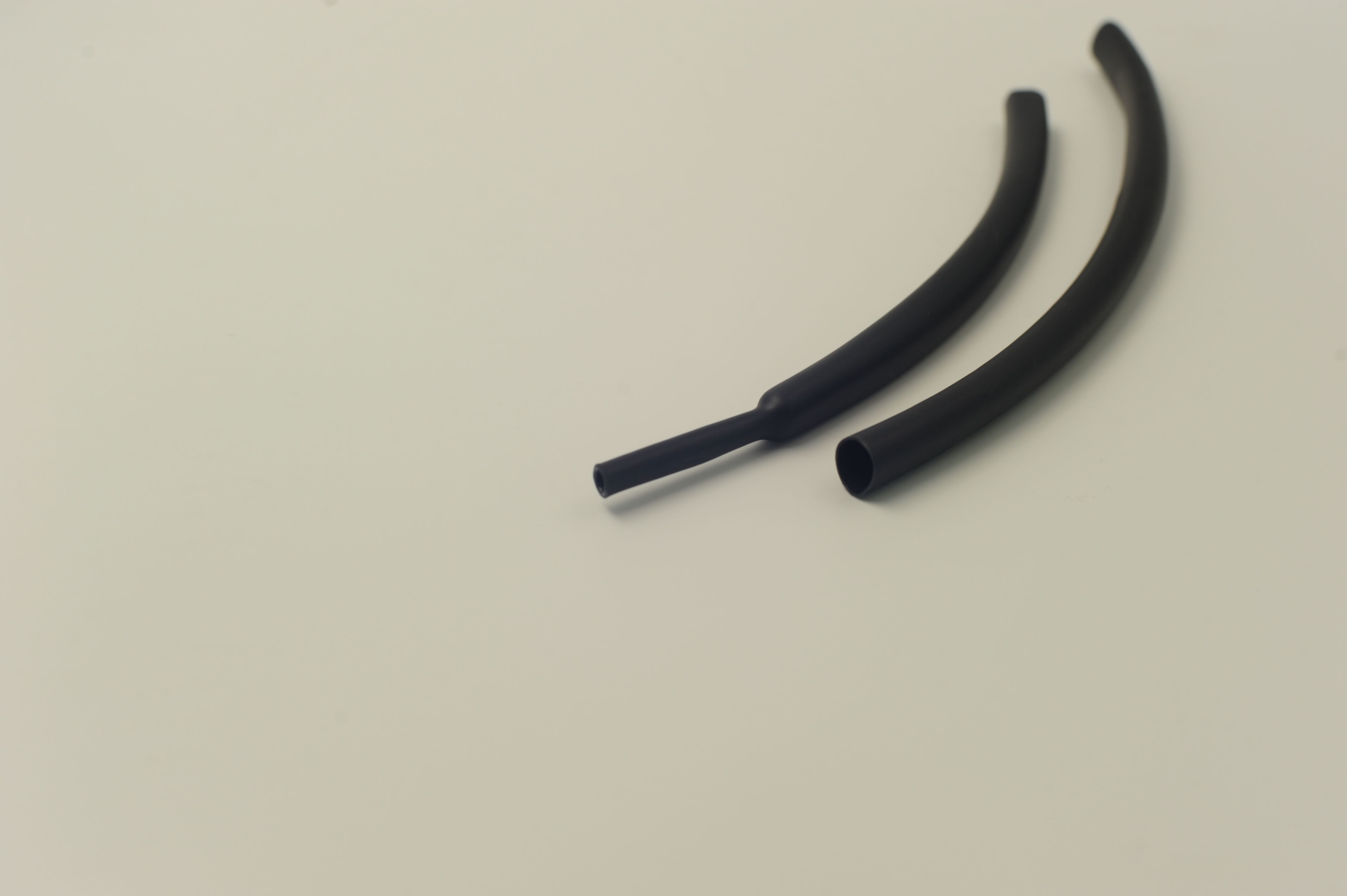
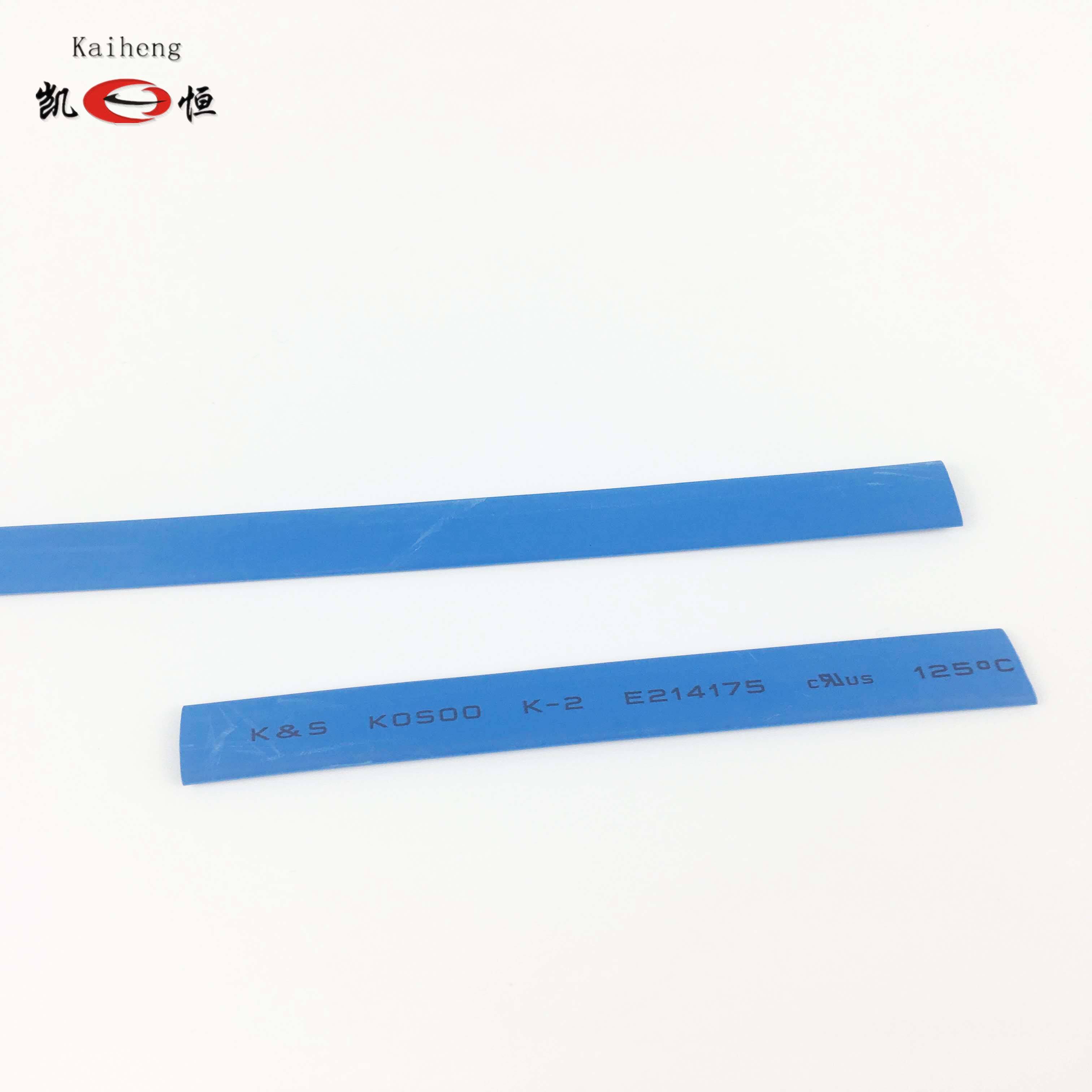
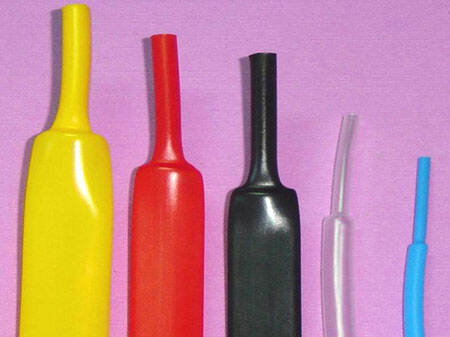
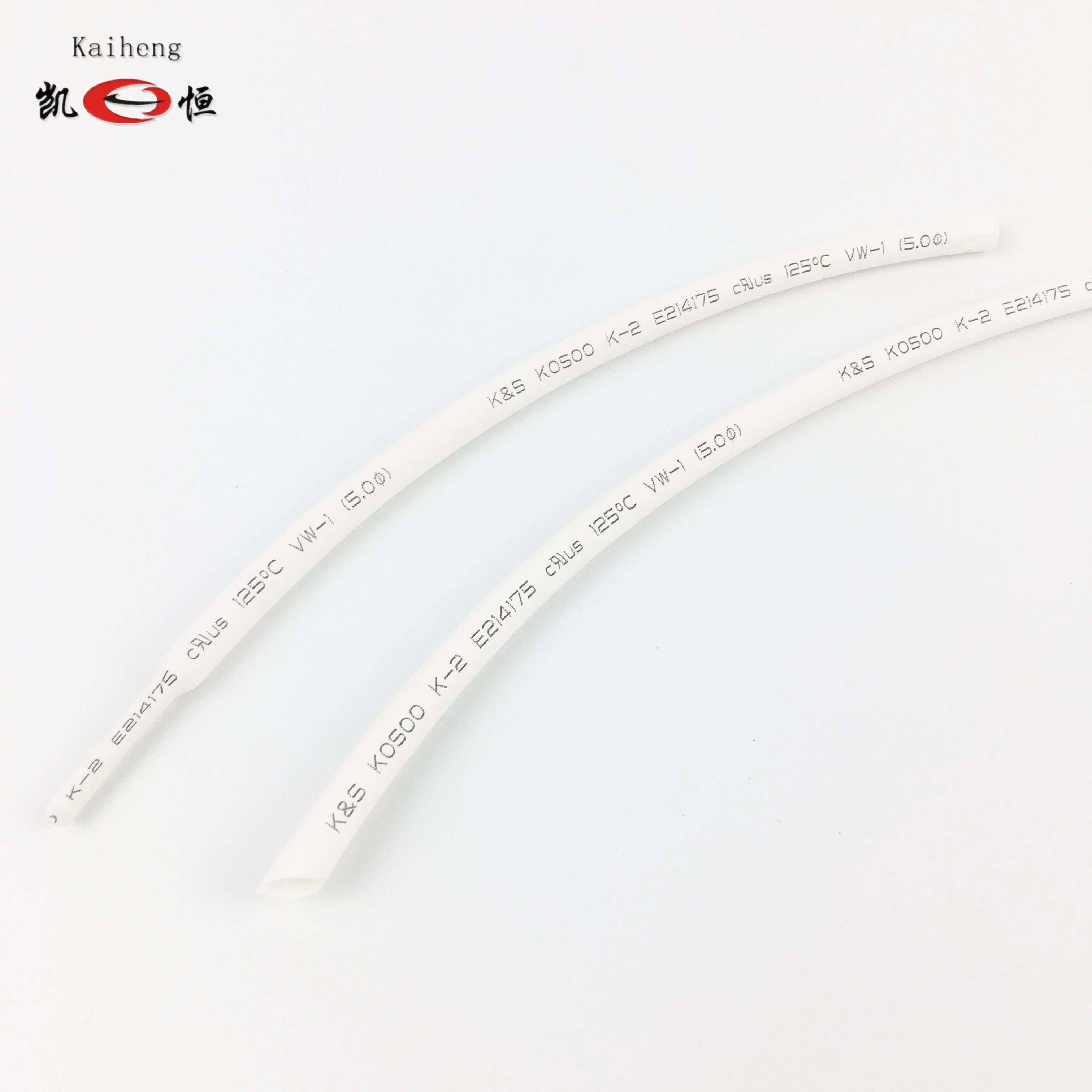
Specialty heat shrink tubing represents an advanced protective solution designed to safeguard electrical connections, components, and wire assemblies across diverse industrial applications. This innovative material contracts uniformly when heated, creating a tight, seamless barrier that protects against environmental hazards, moisture, chemicals, and mechanical stress. Unlike standard protective materials, specialty heat shrink tubing offers precise dimensional control and consistent performance across extreme temperature ranges. The technology behind specialty heat shrink tubing involves cross-linked polymer chemistry that enables controlled shrinkage ratios, typically ranging from 2:1 to 6:1, depending on specific application requirements. Advanced formulations incorporate flame-retardant additives, UV stabilizers, and chemical-resistant compounds that enhance durability and extend service life. Manufacturing processes utilize electron beam irradiation or chemical cross-linking to create molecular bonds that provide memory properties, allowing the material to return to its expanded state when reheated and maintain its contracted form during normal operation. Key technological features include excellent dielectric strength, superior abrasion resistance, and outstanding flexibility across wide temperature ranges from -65°C to +200°C. The material exhibits exceptional adhesion properties when heated, conforming to irregular shapes and providing hermetic sealing around complex geometries. Applications span aerospace, automotive, telecommunications, marine, medical devices, and industrial equipment where reliable protection is critical. In aerospace applications, specialty heat shrink tubing protects wire harnesses from extreme altitude conditions, vibration, and electromagnetic interference. Automotive uses include protecting sensors, fuel injection systems, and electronic control modules from harsh engine environments. Telecommunications applications benefit from the tubing's ability to provide environmental sealing for fiber optic connections and underground cable installations. The versatility of specialty heat shrink tubing makes it indispensable for original equipment manufacturers and maintenance professionals who require dependable, long-lasting protection solutions.


New Product Recommendations

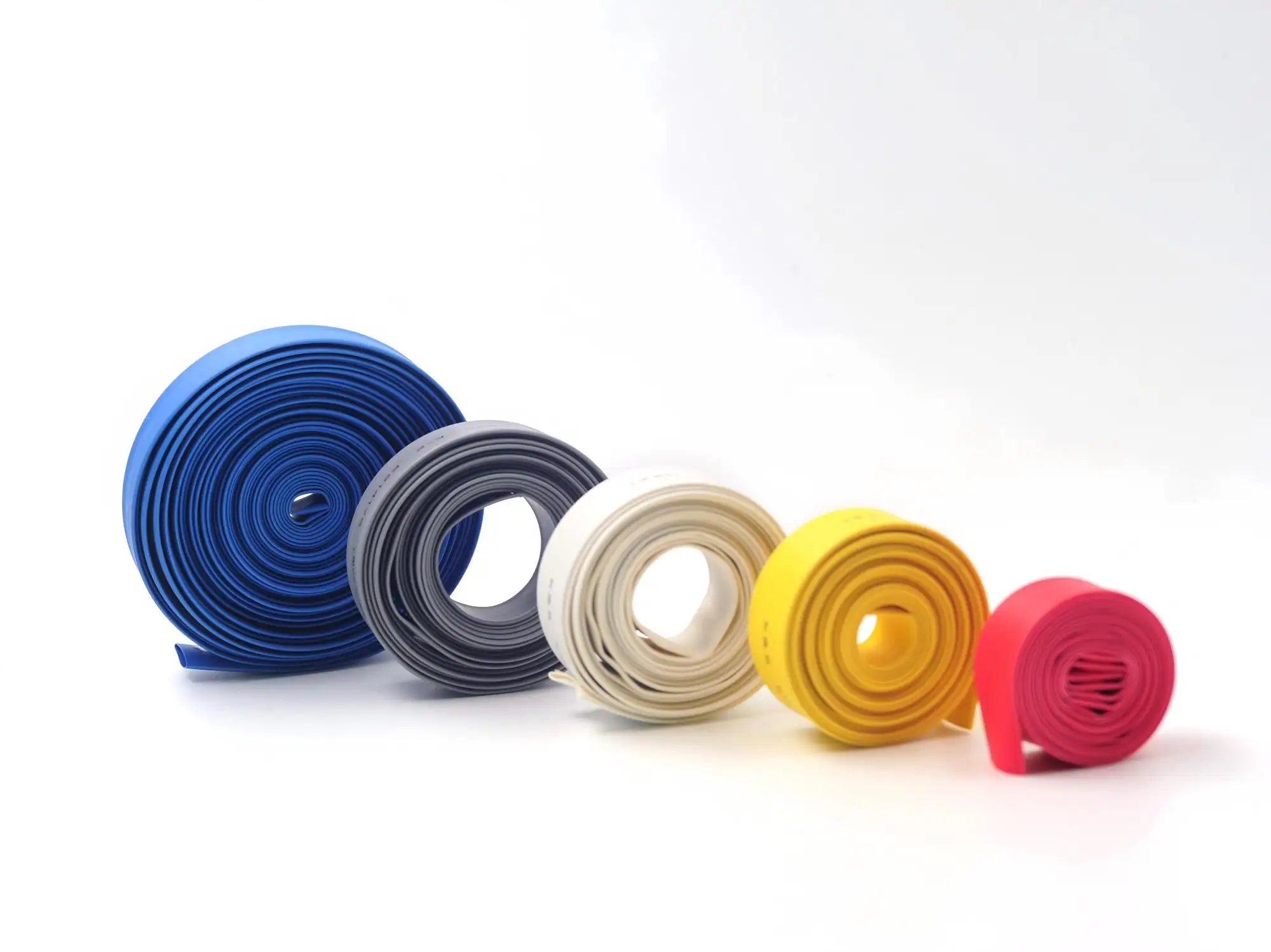
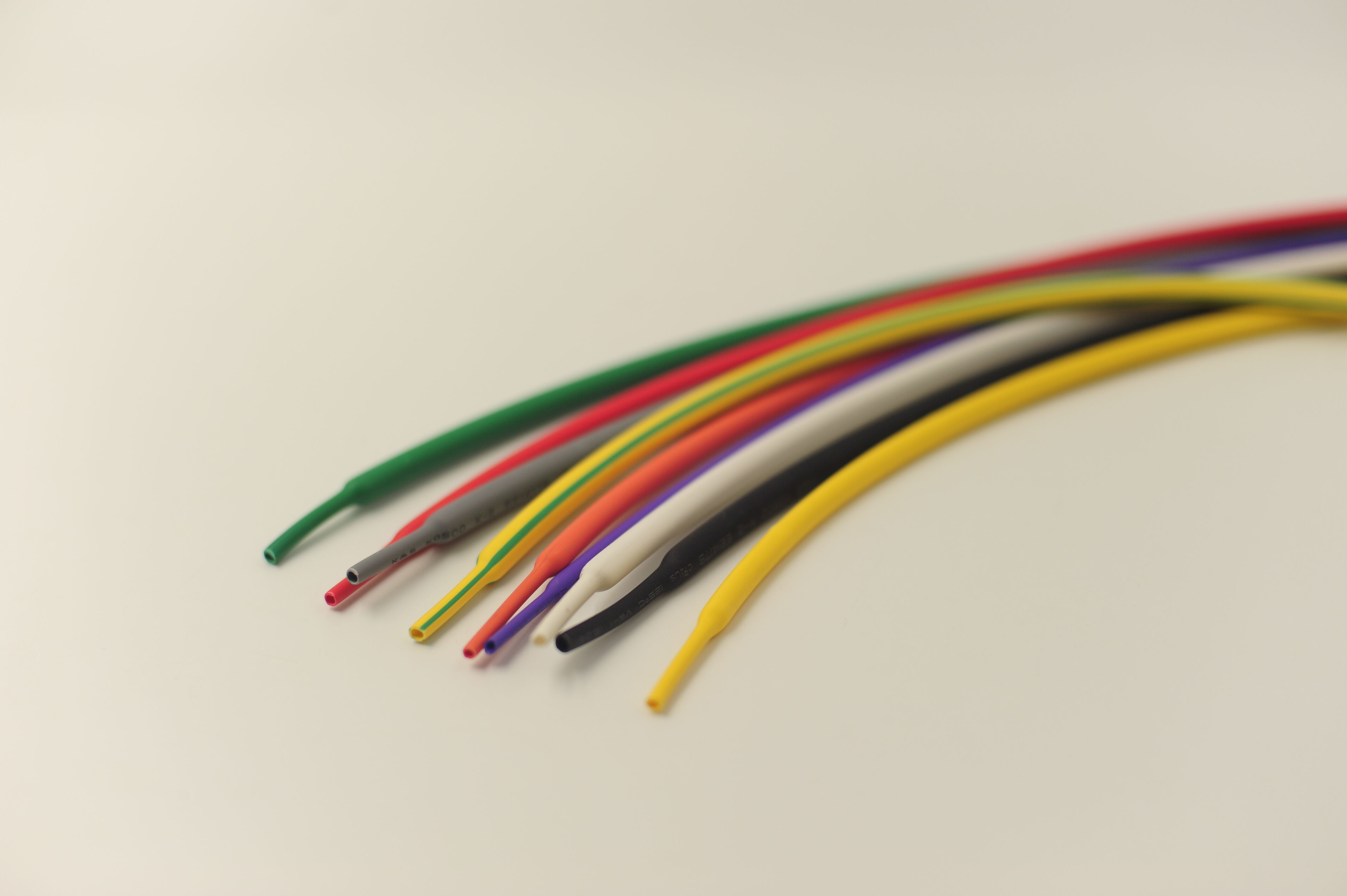
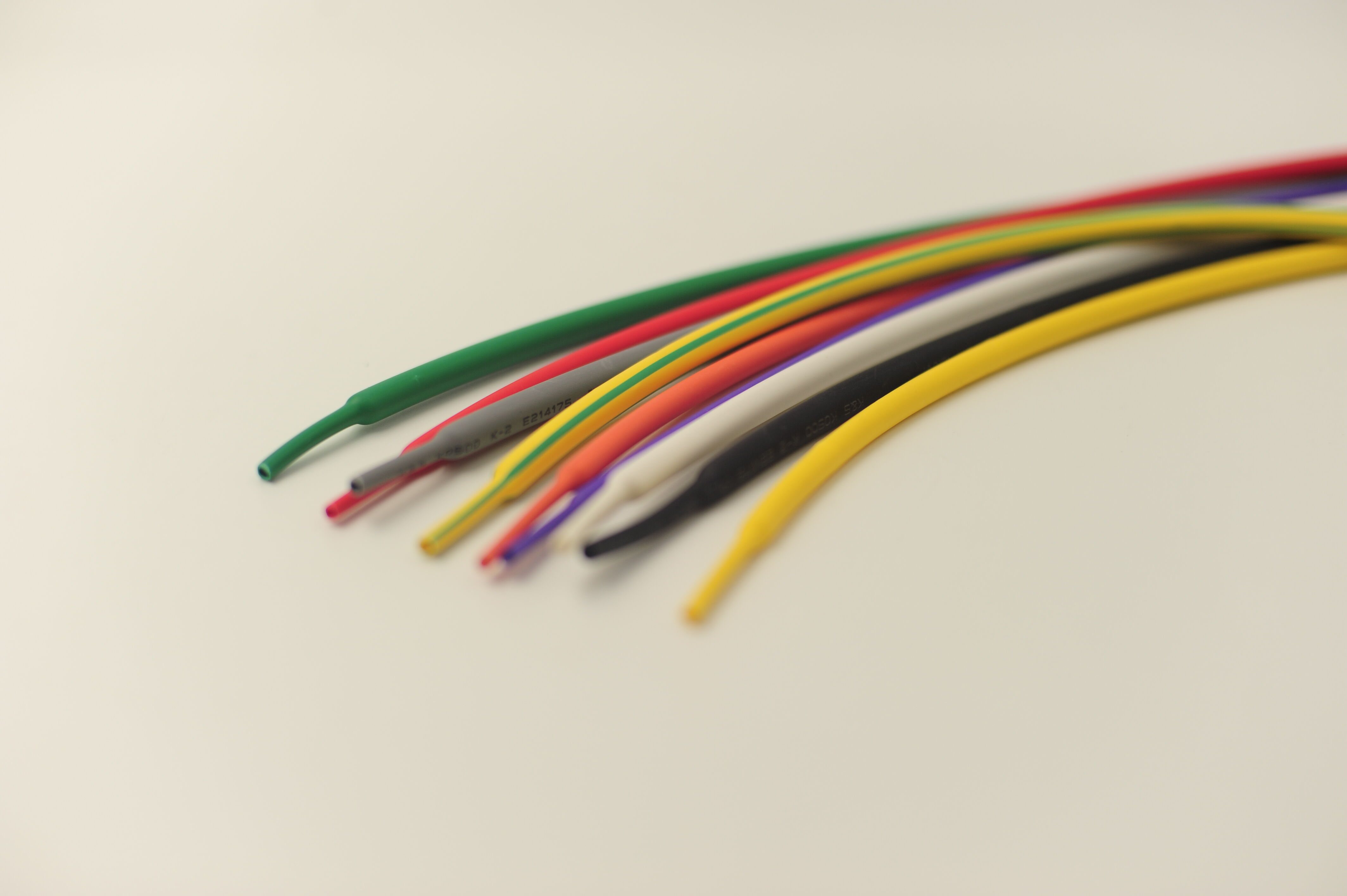
The primary advantage of specialty heat shrink tubing lies in its superior protection capabilities that significantly extend the operational life of electrical components and connections. This advanced material creates an impermeable barrier against moisture, dust, chemicals, and corrosive substances that typically cause premature failure in unprotected systems. The installation process requires minimal tools and expertise, making it cost-effective compared to alternative protection methods such as potting compounds or mechanical enclosures. Specialty heat shrink tubing adapts to irregular surfaces and component shapes, ensuring complete coverage without gaps or weak points that compromise protection integrity. The material's excellent electrical insulation properties prevent short circuits, reduce electromagnetic interference, and maintain signal integrity in sensitive electronic applications. Temperature resistance capabilities allow installations in extreme environments where conventional materials would degrade or fail completely. The lightweight nature of specialty heat shrink tubing adds minimal bulk to assemblies while providing maximum protection, making it ideal for weight-sensitive applications in aerospace and portable equipment. Color coding options facilitate system identification and maintenance procedures, reducing installation errors and simplifying troubleshooting processes. The material's chemical resistance protects against fuel, hydraulic fluids, cleaning solvents, and industrial chemicals commonly encountered in harsh operating environments. Flexibility characteristics ensure that protected assemblies can withstand vibration, thermal cycling, and mechanical stress without cracking or separating from underlying components. Long-term reliability reduces maintenance costs and unplanned downtime by preventing corrosion-related failures and environmental damage. The uniform shrinkage properties create consistent wall thickness and dimensional stability that maintains protection effectiveness throughout the product lifecycle. Quality control during manufacturing ensures batch-to-batch consistency and predictable performance characteristics. The material's memory properties allow for field repairs and modifications without permanent deformation or loss of protective qualities. Environmental compliance features meet stringent industry standards for flame resistance, toxicity, and recyclability. These comprehensive advantages make specialty heat shrink tubing an essential component for engineers and technicians who demand reliable, long-term protection solutions for critical electrical systems and components across diverse industrial applications.

Latest News

Why Is Heat Shrinkable Tube Used in Telecommunications Equipment?

03

Apr

Why Is Heat Shrinkable Tube Used in Telecommunications Equipment?

Telecommunications equipment operates in demanding environments where electrical connections must maintain reliability under extreme conditions. The protection of cables, wires, and connections becomes critical when equipment faces moisture, temperat...
View More
How Does Heat Shrinkable Tube Prevent Moisture Damage in Wiring?

07

Apr

How Does Heat Shrinkable Tube Prevent Moisture Damage in Wiring?

Moisture damage in electrical wiring systems represents one of the most persistent and costly challenges faced by industrial facilities, construction projects, and infrastructure maintenance teams. When water infiltrates wire connections, junction po...
View More
How Is Heat Shrinkable Tube Used in Cable Insulation Applications?

17

Apr

How Is Heat Shrinkable Tube Used in Cable Insulation Applications?

Heat shrinkable tube represents a critical component in modern cable insulation applications, offering engineers and technicians a reliable method to protect electrical connections from environmental hazards and mechanical stress. When heated, these ...
View More
What Applications Require Heat Shrinkable Tube in Automotive Projects?

23

Apr

What Applications Require Heat Shrinkable Tube in Automotive Projects?

Automotive projects demand exceptional protection for electrical systems, wiring harnesses, and sensitive components that operate under extreme conditions. Heat shrinkable tube technology has become an indispensable solution for automotive engineers ...
View More

Get a Free Quote

Our representative will contact you soon.
Email
Name
Company Name
Message
0/1000

specialty heat shrink tubing

Advanced Cross-Linked Polymer Technology

Advanced Cross-Linked Polymer Technology

The foundation of specialty heat shrink tubing excellence lies in its sophisticated cross-linked polymer technology that delivers unmatched performance characteristics across demanding applications. This advanced manufacturing process creates three-dimensional molecular networks through controlled irradiation or chemical reactions, fundamentally altering the material's properties to provide superior mechanical strength, chemical resistance, and thermal stability. The cross-linking process forms permanent bonds between polymer chains that cannot be broken down by heat, solvents, or environmental stresses that would compromise conventional thermoplastic materials. This molecular structure enables the tubing to maintain its protective properties even when exposed to extreme temperatures ranging from cryogenic conditions to high-heat industrial environments. The technology allows for precise control over shrinkage ratios, ensuring predictable dimensional changes during installation while maintaining consistent wall thickness throughout the contracted state. Cross-linked polymers exhibit excellent memory characteristics, meaning the material can be expanded for installation and will reliably return to its original dimensions when heated, creating a secure, permanent fit around protected components. The molecular network structure provides outstanding resistance to cracking, splitting, and environmental stress corrosion that plague inferior protection materials. Chemical resistance properties are dramatically enhanced through cross-linking, allowing specialty heat shrink tubing to withstand exposure to fuels, hydraulic fluids, cleaning agents, and industrial chemicals without degradation or loss of protective capabilities. The technology also improves flame resistance and reduces smoke generation during fire conditions, meeting stringent safety standards for aerospace, marine, and building applications. Electrical properties are optimized through cross-linking, providing consistent dielectric strength and insulation resistance over extended service periods. The material's ability to conform to complex geometries while maintaining uniform thickness distribution ensures reliable protection for irregularly shaped components and tight-tolerance assemblies. Quality control during the cross-linking process enables manufacturers to produce specialty heat shrink tubing with predictable, repeatable characteristics that meet exact application specifications and performance requirements.
Multi-Layer Construction for Enhanced Protection

Multi-Layer Construction for Enhanced Protection

Specialty heat shrink tubing incorporates sophisticated multi-layer construction techniques that provide comprehensive protection against diverse environmental threats and operational stresses. This advanced design approach combines multiple polymer layers, each engineered for specific protective functions, creating a synergistic system that delivers superior performance compared to single-layer alternatives. The outer layer typically features enhanced UV resistance, chemical barrier properties, and abrasion protection, while inner layers provide electrical insulation, adhesion characteristics, and moisture barriers. This layered approach allows engineers to optimize each component for its intended function without compromising overall material properties or installation characteristics. Advanced adhesive linings form hermetic seals around protected components when heated, preventing moisture ingress and corrosive contamination that leads to premature failure. The adhesive layer flows into surface irregularities and around wire strands, creating complete environmental isolation that cannot be achieved with mechanical fasteners or wrap-around protections. Specialized intermediate layers provide additional chemical barriers for applications involving aggressive solvents, fuels, or industrial chemicals that would penetrate conventional single-layer materials. The multi-layer construction also enables enhanced flame retardancy through the incorporation of specialized compounds that activate at different temperature thresholds, providing progressive protection during fire conditions. Color-coded outer layers facilitate system identification and maintenance procedures while inner layers maintain consistent electrical properties regardless of external marking requirements. The layered design distributes mechanical stresses across multiple interfaces, reducing stress concentrations that could cause cracking or separation under vibration or thermal cycling conditions. Quality control processes ensure proper adhesion between layers and eliminate delamination risks that could compromise long-term protection effectiveness. The construction methodology allows for customization of layer thickness and composition to meet specific application requirements without extensive tooling changes or minimum quantity constraints. Specialized barrier layers can be incorporated to prevent migration of plasticizers or other additives that might affect sensitive electronic components over extended periods. The multi-layer approach also enables the integration of identification features such as sequential markings or traceability codes that remain legible throughout the service life of protected assemblies.
Superior Installation Flexibility and Reliability

Superior Installation Flexibility and Reliability

The installation advantages of specialty heat shrink tubing set it apart from alternative protection methods through its exceptional ease of application and consistent, reliable results across diverse field conditions. Installation requires only basic heat application tools such as heat guns, ovens, or specialized shrink chambers, eliminating the need for complex mixing, curing, or mechanical assembly procedures associated with other protection systems. The material's controlled shrinkage characteristics ensure predictable installation results regardless of technician experience levels, reducing training requirements and installation errors that compromise system reliability. Pre-expanded tubing allows easy placement over connectors, splices, and irregularly shaped components without disassembly of existing installations, significantly reducing maintenance time and labor costs. The rapid installation process minimizes production downtime and enables efficient field repairs in critical applications where extended outages are unacceptable. Temperature activation occurs quickly and uniformly, creating tight, secure fits within minutes of heat application, compared to hours or days required for alternative protection methods to cure or set properly. The material's flexibility during installation allows routing around obstacles and through tight spaces without kinking, cracking, or losing protective integrity. Self-centering properties ensure uniform shrinkage and eliminate installation variations that could create weak points or gaps in protection coverage. The installation process produces immediate visual confirmation of proper application through dimensional changes and surface conformity that indicate complete activation. Quality assurance procedures can be implemented easily through dimensional verification and visual inspection, providing confidence in installation integrity without complex testing equipment. Field repair capabilities enable technicians to remove and replace damaged sections without affecting adjacent components or requiring complete system rebuilds. The material's ability to shrink over existing installations allows for system upgrades and modifications without extensive rework or component replacement. Storage and handling requirements are minimal compared to liquid compounds or multi-component systems that require special environmental conditions or have limited shelf life. The installation process generates no harmful fumes or requires special ventilation systems, improving workplace safety and reducing regulatory compliance requirements. Consistent shrinkage ratios and dimensional stability eliminate the need for precise pre-sizing calculations, simplifying inventory management and reducing material waste during installation procedures.

Get a Free Quote

Our representative will contact you soon.
Email
Name
Company Name
Message
0/1000