tubong nababawasan sa init para sa kawad ng sasakyan
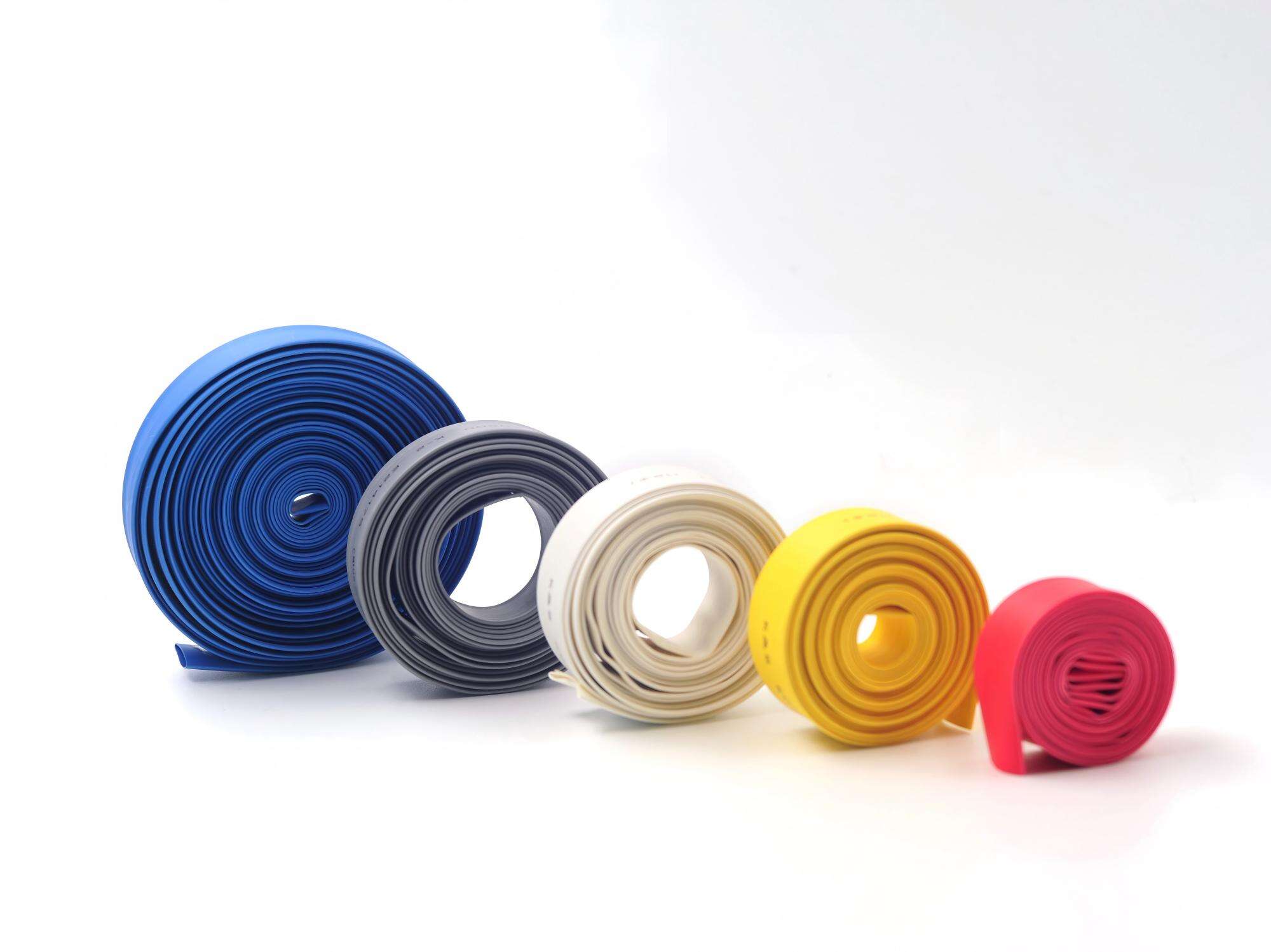
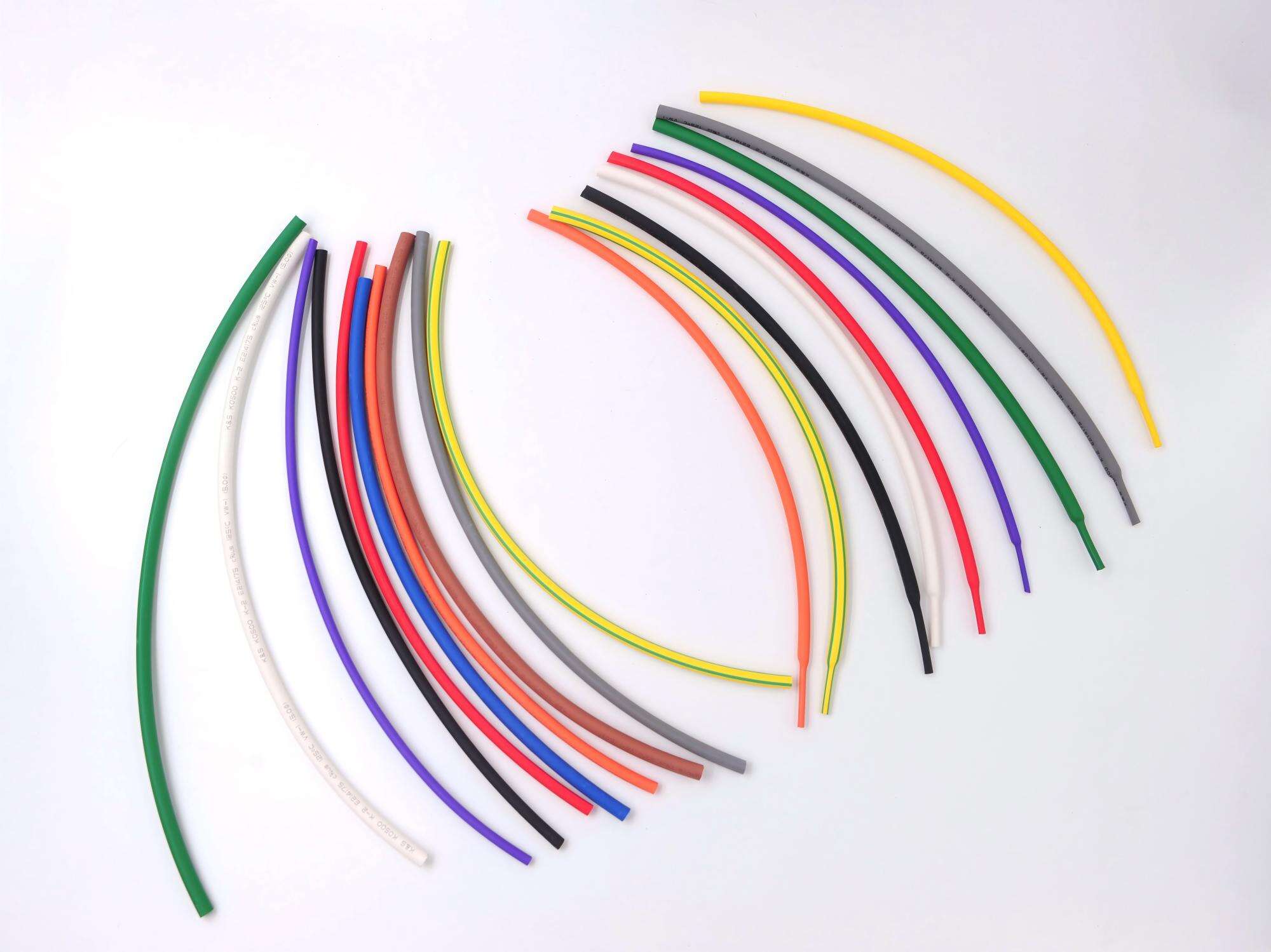
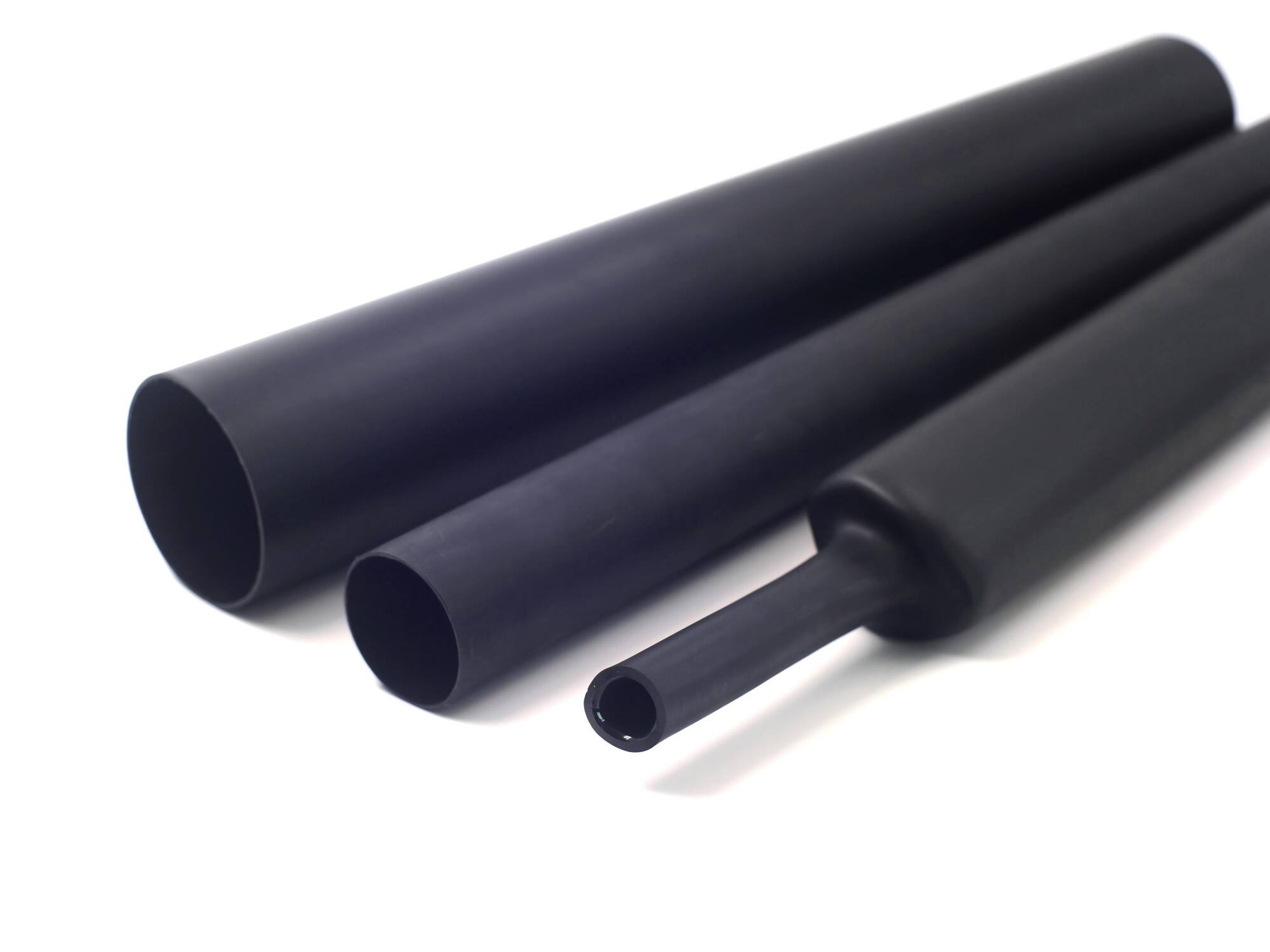
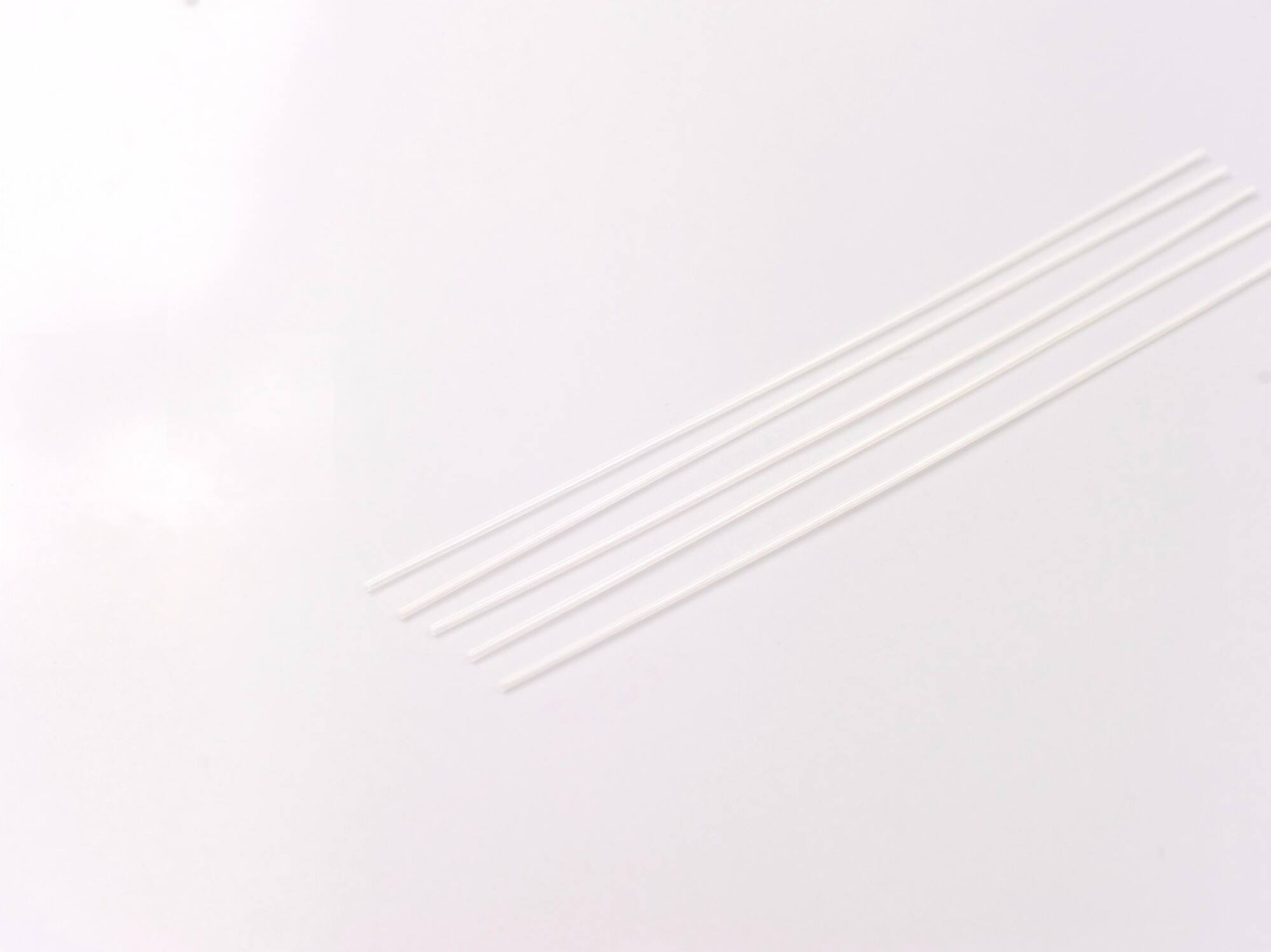
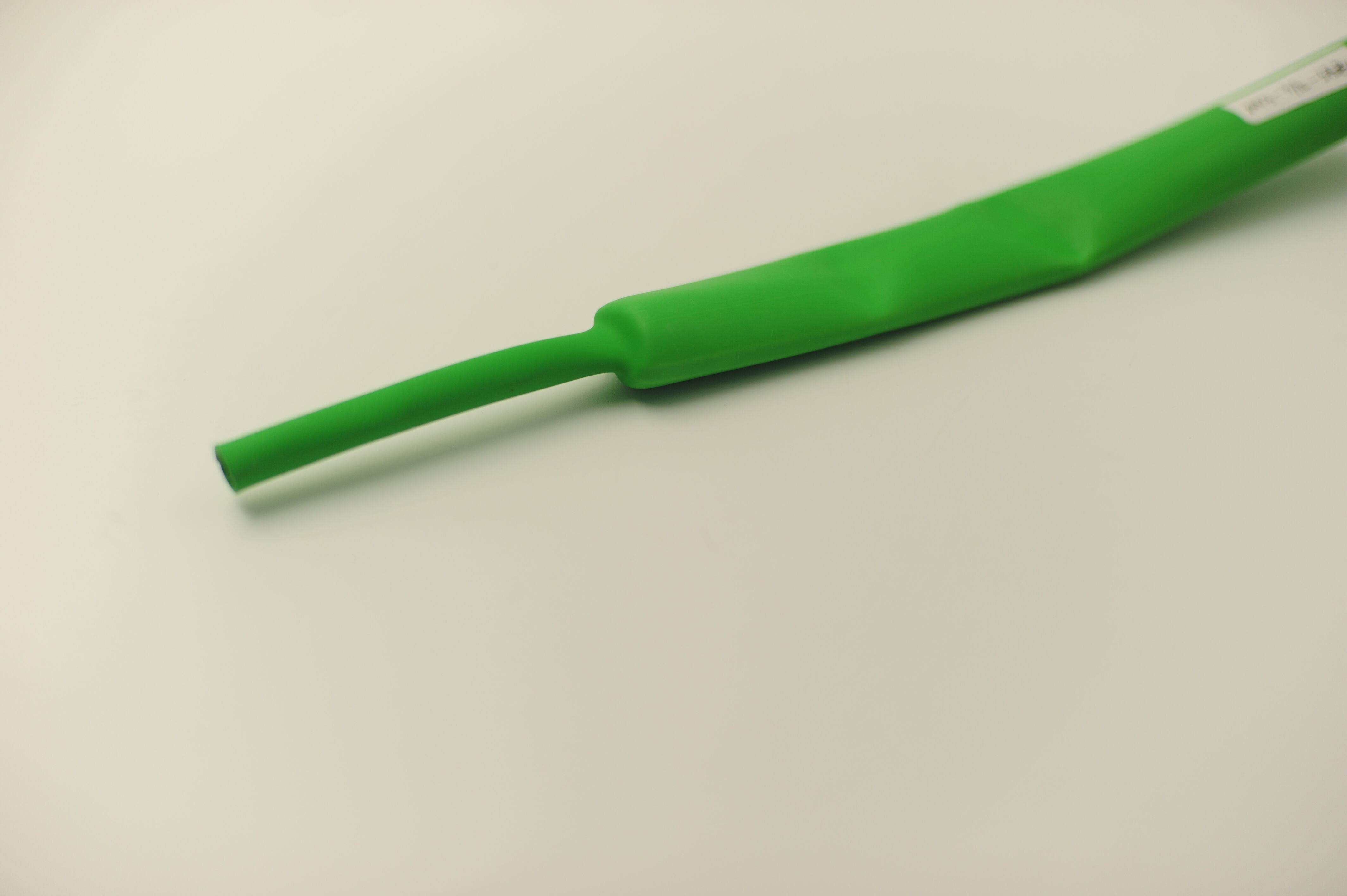
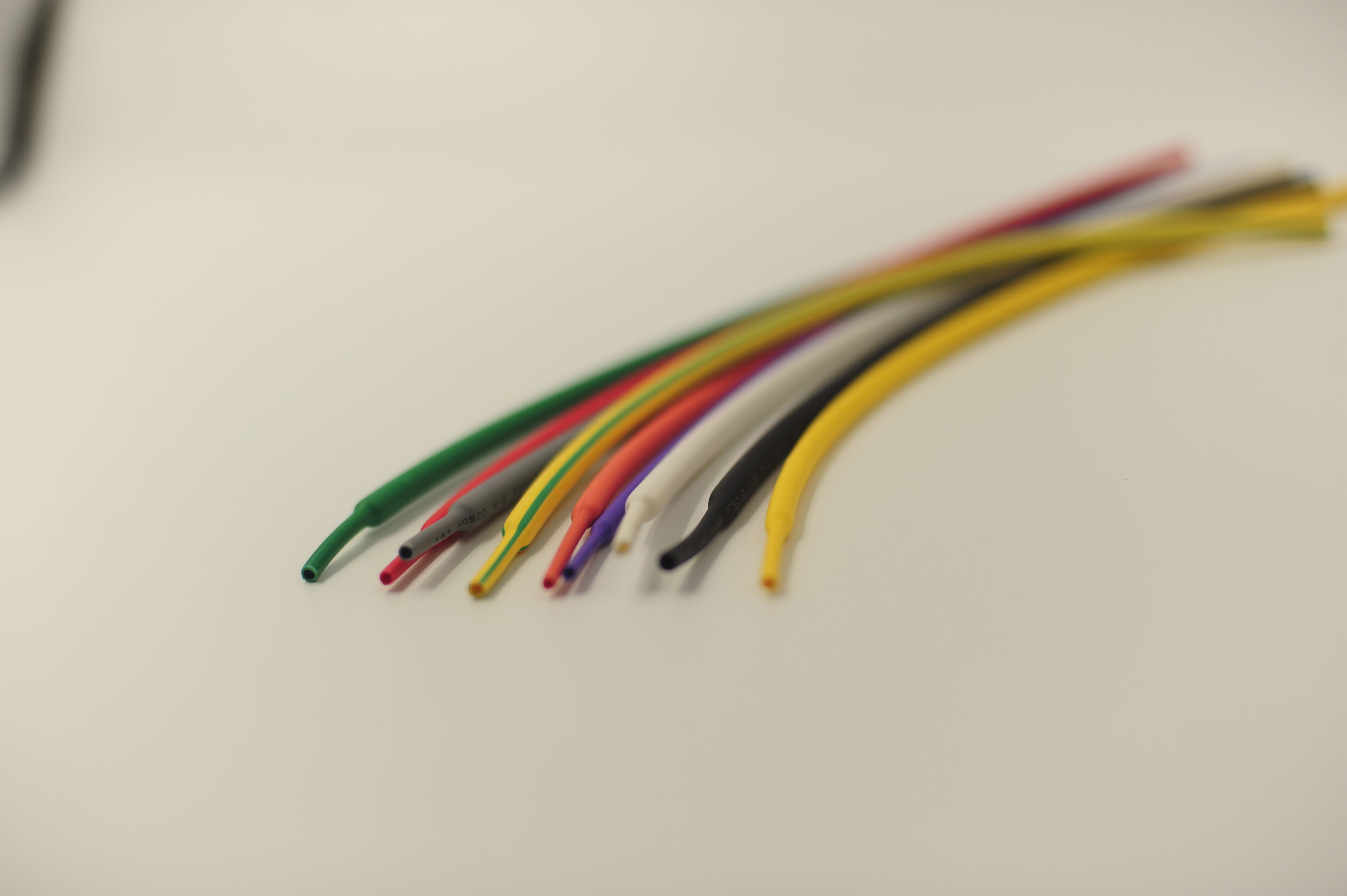
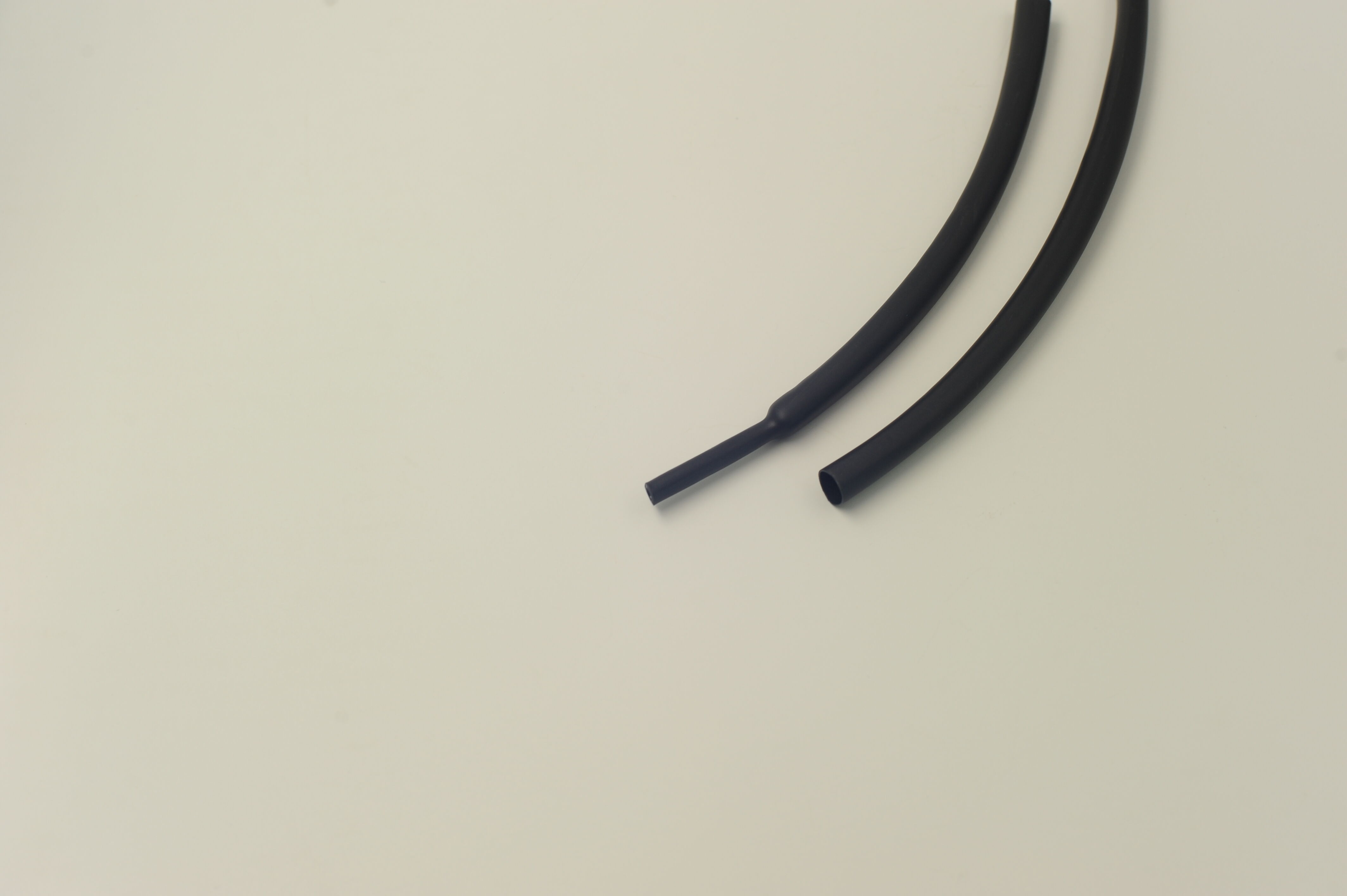
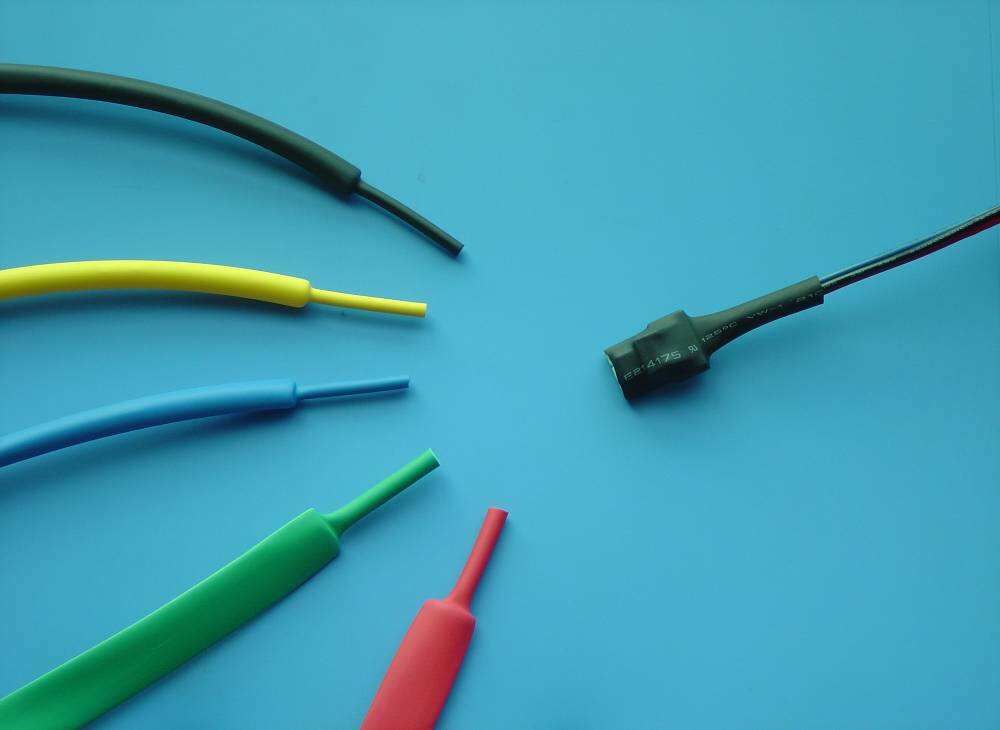
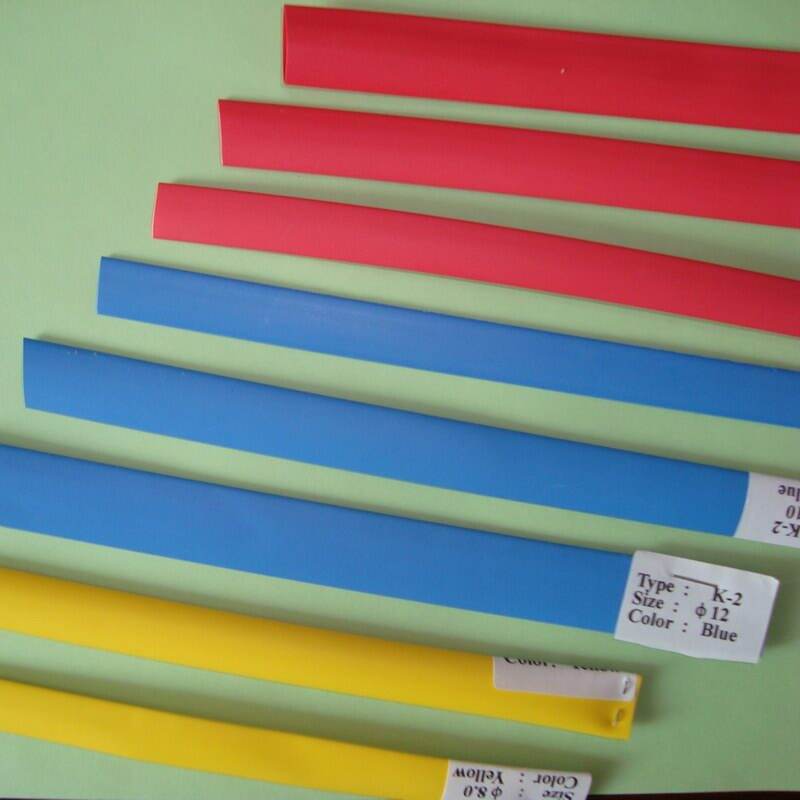
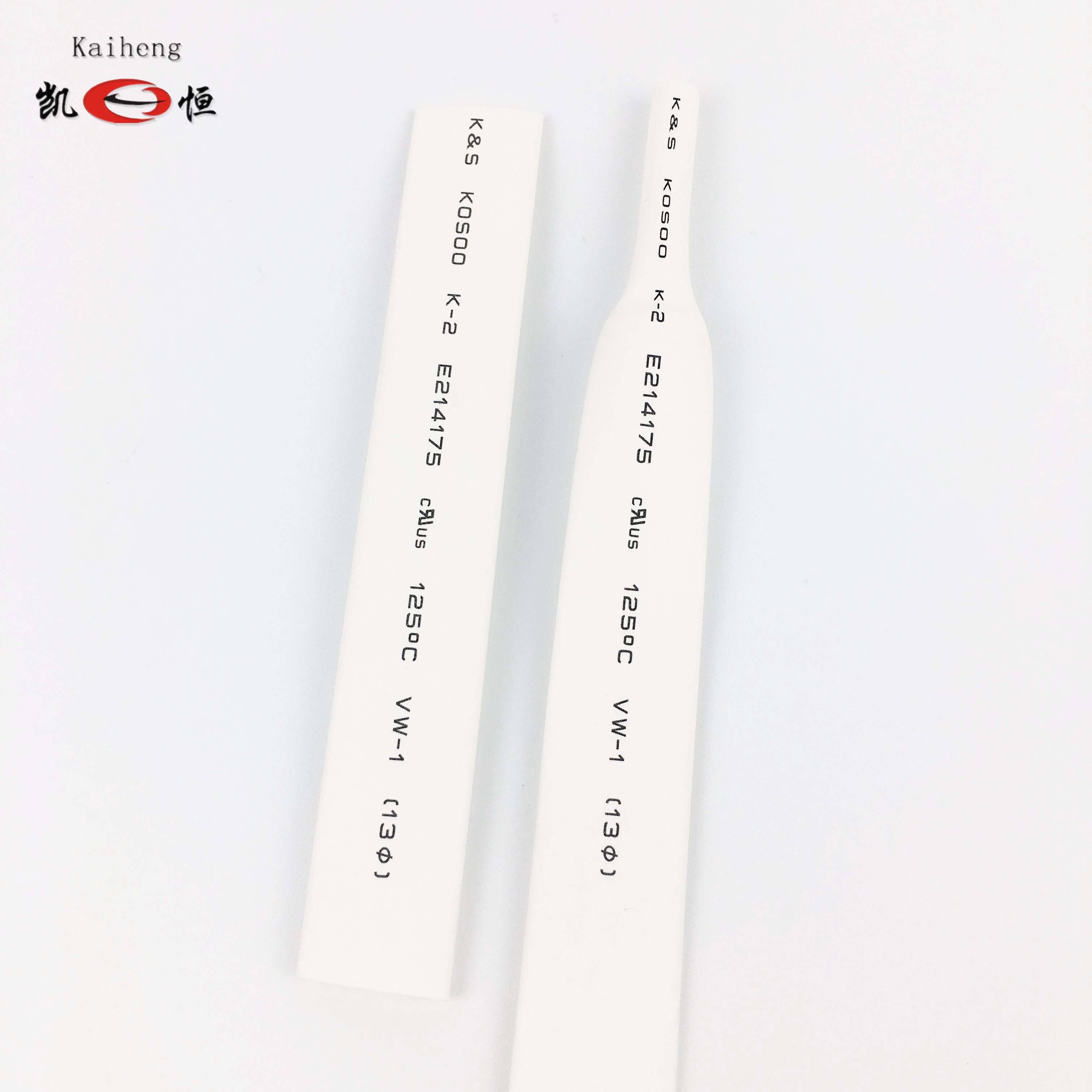
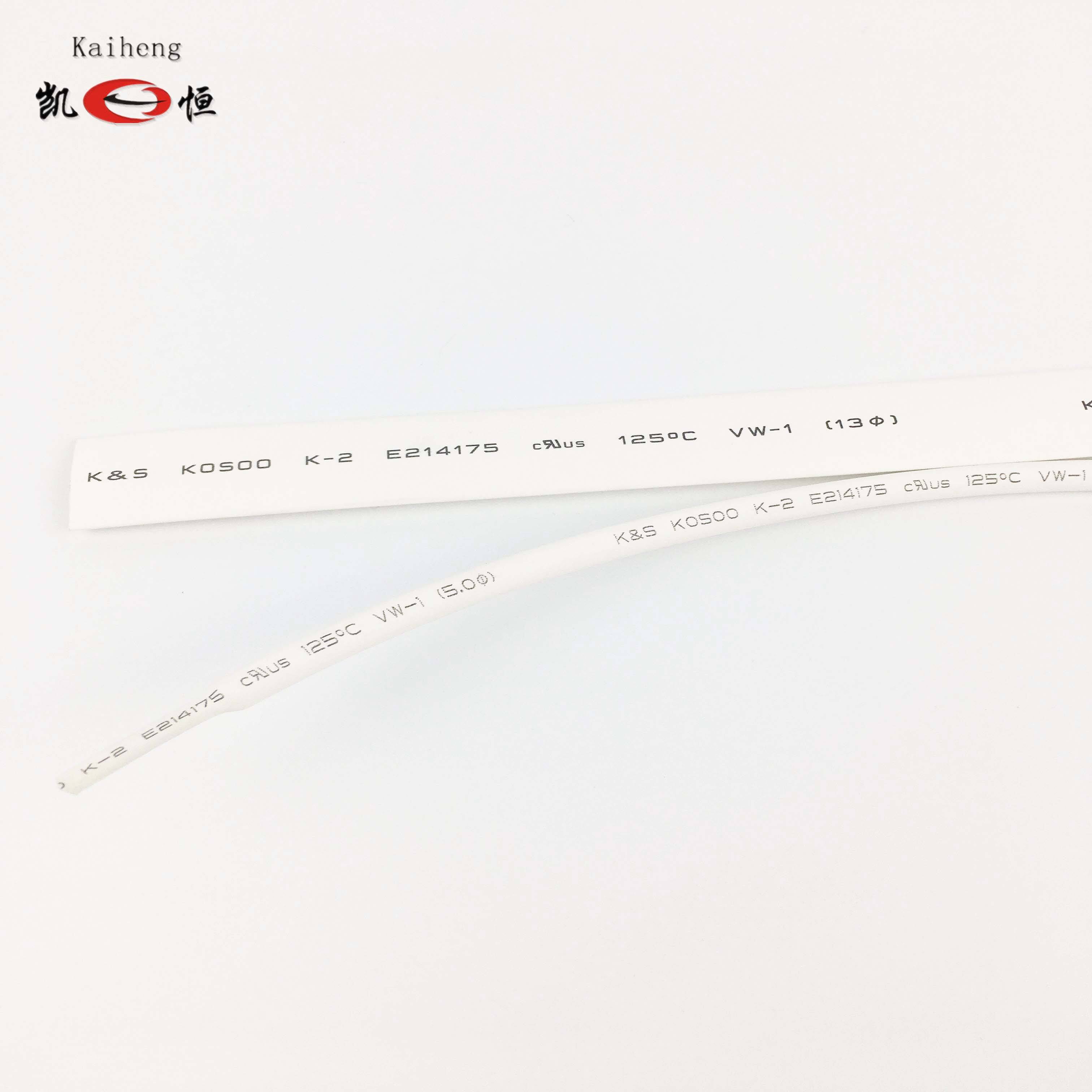
Ang heat shrink tubing para sa kawad ng sasakyan ay isang mahalagang bahagi sa mga modernong elektrikal na sistema ng sasakyan, na nagbibigay ng mahalagang proteksyon at organisasyon para sa mga kumplikadong wiring harness. Ang espesyal na tubong ito ay sumusukat kapag inilalantad sa init, na lumilikha ng mahigpit at ligtas na seal sa paligid ng mga koneksyon at terminal ng kawad. Ang industriya ng sasakyan ay lubos na umaasa sa heat shrink tubing para sa kawad ng sasakyan dahil sa kanyang napakahusay na kakayahang tumagal sa matitinding kondisyon ng kapaligiran—kabilang ang ekstremong temperatura, kahaluman, kemikal, at vibrasyon na karaniwang nararanasan sa operasyon ng sasakyan. Ang pangunahing mga tungkulin ng heat shrink tubing para sa kawad ng sasakyan ay kinabibilangan ng elektrikal na insulation, mekanikal na proteksyon, strain relief, at environmental sealing. Ang mga tubong ito ay epektibong pinipigilan ang mga short circuit sa pamamagitan ng pagpapanatili ng tamang insulation sa pagitan ng mga conductor habang protektado rin ang mga ito laban sa abrasion mula sa mga gumagalaw na bahagi o matatalim na gilid sa loob ng engine compartment. Kasama sa mga teknolohikal na katangian ng heat shrink tubing para sa kawad ng sasakyan ang tumpak na shrink ratios, na karaniwang nasa hanay na 2:1 hanggang 4:1, na nagbibigay-daan para sa iba’t ibang kombinasyon ng wire gauge. Ang mga advanced na formulation ay kasama ang cross-linked polyolefin materials na nagbibigay ng superior na flexibility sa mababang temperatura at nananatiling may istruktural na integridad sa mataas na temperatura hanggang 125°C. Maraming variant ang may adhesive na panloob na linings na lumilikha ng watertight seals kapag tama ang aplikasyon, na nagsisiguro ng matagalang reliability sa mga demanding na automotive environment. Ang mga aplikasyon nito ay saklaw ang maraming sistema ng sasakyan—kabilang ang engine management, lighting circuits, audio systems, safety equipment, at mga high-voltage component ng hybrid vehicle. Napakahalaga ng tubing na ito sa panahon ng assembly ng sasakyan, aftermarket installations, at repair operations. Ang mga automotive technician ay madalas na gumagamit ng heat shrink tubing para sa kawad ng sasakyan kapag tinutusok ang nasirang conductor, kinukonekta ang mga connector assemblies, o binubundle ang mga grupo ng kawad para sa mas maayos na organisasyon. Ang versatility nito ay umaabot sa parehong tradisyonal na internal combustion engine vehicles at sa mga emerging electric vehicle technologies, kung saan ang enhanced insulation properties ay naging lalo pang mahalaga upang mapamahalaan nang ligtas at epektibo ang mga mataas na voltage system sa buong operational lifetime ng sasakyan.

 EN
EN